
- Falstaff Winery - Listed · 2026
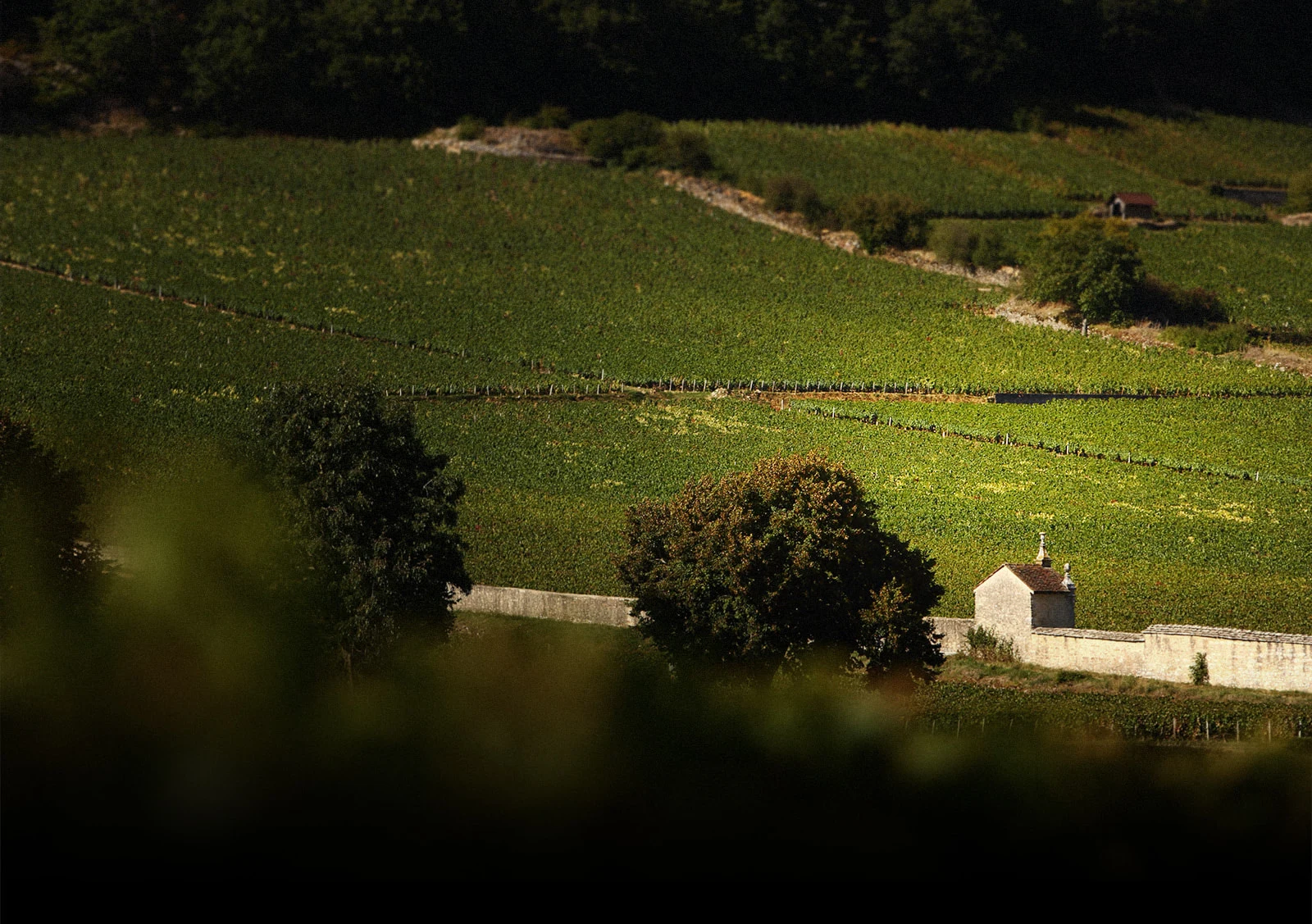
Approaching Domaine Guillaman means entering a slower register of Gascony: rolling vineyard land, a working tasting cellar and shop, and the practical calm of a rural estate shaped more by farming rhythm than by tasting-room theatre. The picture is simple but useful for planning: this is a historic family wine estate in Gondrin, set on the rolling hills of Gascony, with vineyard views and an atmosphere that is relaxed, rural and authentic rather than design-driven.
For travellers using Gondrin as a base, Domaine Guillaman is best understood as a countryside wine stop rather than a polished destination built around spectacle. The emphasis is on place, terroir and sustainable viticulture. Other dining, lodging or drinking options in Gondrin can round out a visit, but the estate itself is the reason to come here if you want a grounded view of Gascony wine country.
Gascony's white-wine argument is written in landscape and farming rhythm
Domaine Guillaman sits in a part of southwest France where wine, agriculture and rural life are closely linked. The estate’s strengths are not a list of technical specifications or awards, but a clear sense of setting: vineyard views, Gascon hills and a working cellar environment. That matters because the experience is anchored in the land rather than in a staged hospitality concept.
The most reliable way to frame a visit is to think of Domaine Guillaman as a practical, terroir-focused estate. Its atmosphere is relaxed and authentic, with the shop and tasting cellar functioning as part of the estate’s working identity. Visitors should not expect the pageantry of a design-led wine salon. The draw is the directness of the setting: vines, countryside, cellar, shop and the chance to connect the wines with the landscape around Gondrin.
The estate is also described through its commitment to sustainable viticulture. Without adding unsupported claims about certifications, techniques or production figures, that still gives travellers an important cue. Domaine Guillaman’s public identity is tied to farming choices and respect for terroir, which makes it a good fit for visitors who care about how a rural wine estate presents its relationship to land and place.
A working cellar visit, not a design-led wine salon
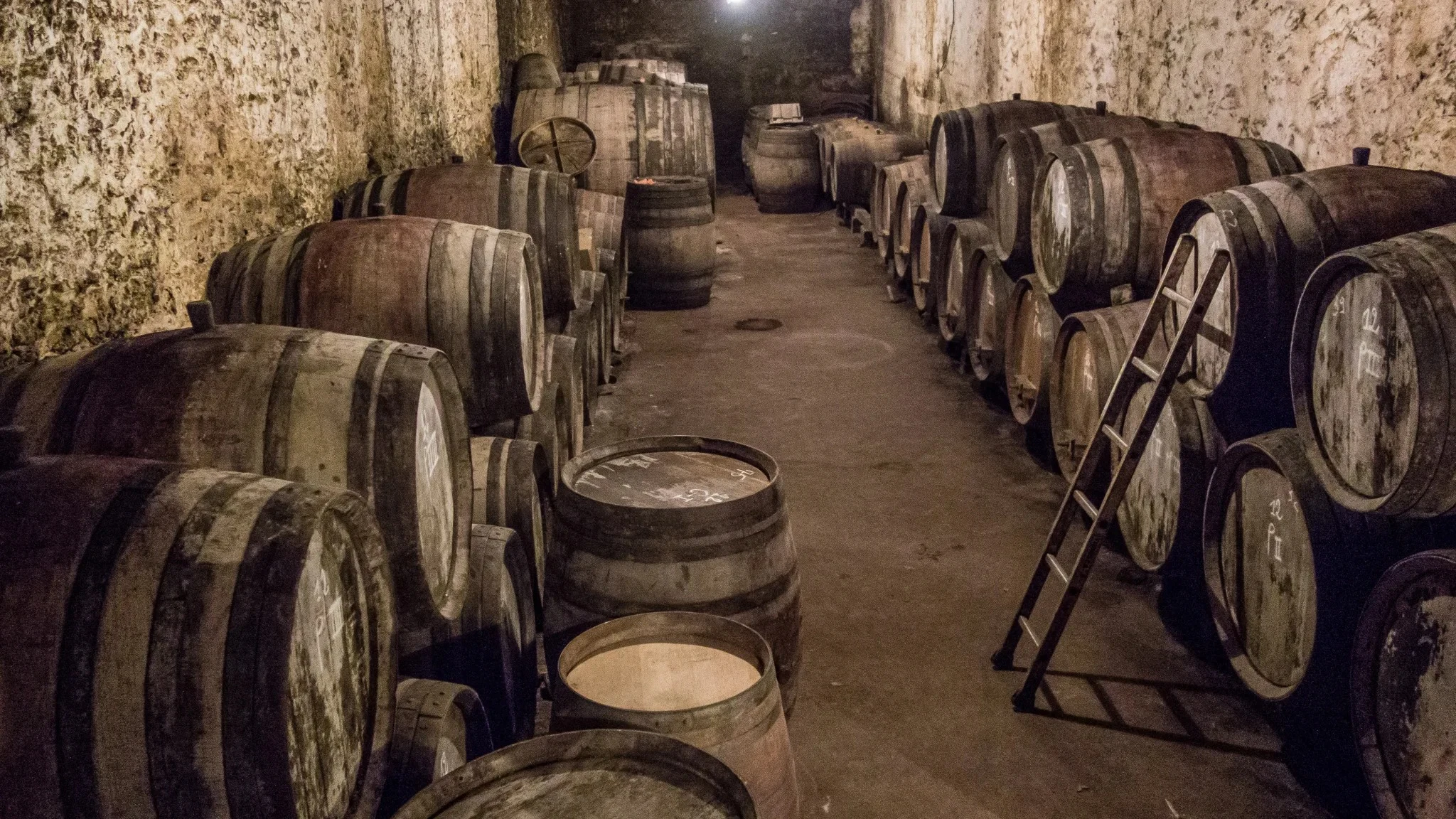
Hospitality character is functional and grounded. Domaine Guillaman offers the feel of a working tasting cellar and shop rather than a luxury showroom. That does not make the experience lesser; it simply sets expectations. The appeal is in the rural calm, the vineyard views and the estate’s focus on wine as an expression of Gascony rather than as a theatrical experience.
This makes the venue especially suitable for travellers who prefer direct wine-country visits. If your ideal stop is relaxed, local and connected to the surrounding hills, Domaine Guillaman fits that brief. If you are looking for a chef-driven meal, a formal pairing programme, a high-design tasting room or a heavily curated luxury format, those details are not part of the description and should not be assumed.
Price is listed as $$, which supports the sense of an accessible estate visit rather than a rarefied splurge.
How to place it within a broader France wine itinerary
Within a wider France wine itinerary, Domaine Guillaman offers a quieter kind of stop. It is not presented here through famous rankings, exact production statistics or named awards. Instead, it stands for a historic family wine estate in Gondrin with a rural Gascony setting, vineyard views, a cellar and shop, and a focus on sustainable viticulture.
That makes it useful for travellers who want contrast. Some wine routes are built around prestige, architecture or tightly choreographed tastings. Domaine Guillaman belongs to a more grounded category: a countryside estate where the experience is shaped by the working environment and the surrounding hills. Its value is in the calm, authentic atmosphere and the chance to orient yourself in Gascony wine country without overcomplicating the visit.
If you are planning around Gondrin, keep the itinerary simple. Allow time for the rural setting, approach the estate as a wine-country stop rather than a restaurant or resort, and confirm any time-sensitive details before you go. On the facts available, the core promise is clear: Domaine Guillaman is a relaxed, historic family wine estate in Gondrin, focused on terroir, sustainable viticulture and the vineyard range of Gascony.
Questions
Frequently asked
Who works at Domaine Guillaman?
Made By profiles Dominique Ferret (Winemaker) at Domaine Guillaman.
How expensive is Domaine Guillaman?
Domaine Guillaman is listed at a price level of $$.
The field
How it compares
| Place | Notes | Awards |
|---|---|---|
| Domaine Guillaman | Gondrin, $$ | · |
| Château Lynch-Bages | Pauillac | · |
| Château Rayas | Châteauneuf-du-Pape | · |
| Domaine Armand Rousseau | Gevrey-Chambertin | · |
| Domaine Leflaive | Puligny-Montrachet | · |
| Nyetimber | Horsham | World's 50 Best |
| Ridge Vineyards | Cupertino | World's 50 Best |