
- Falstaff Winery - Listed · 2026
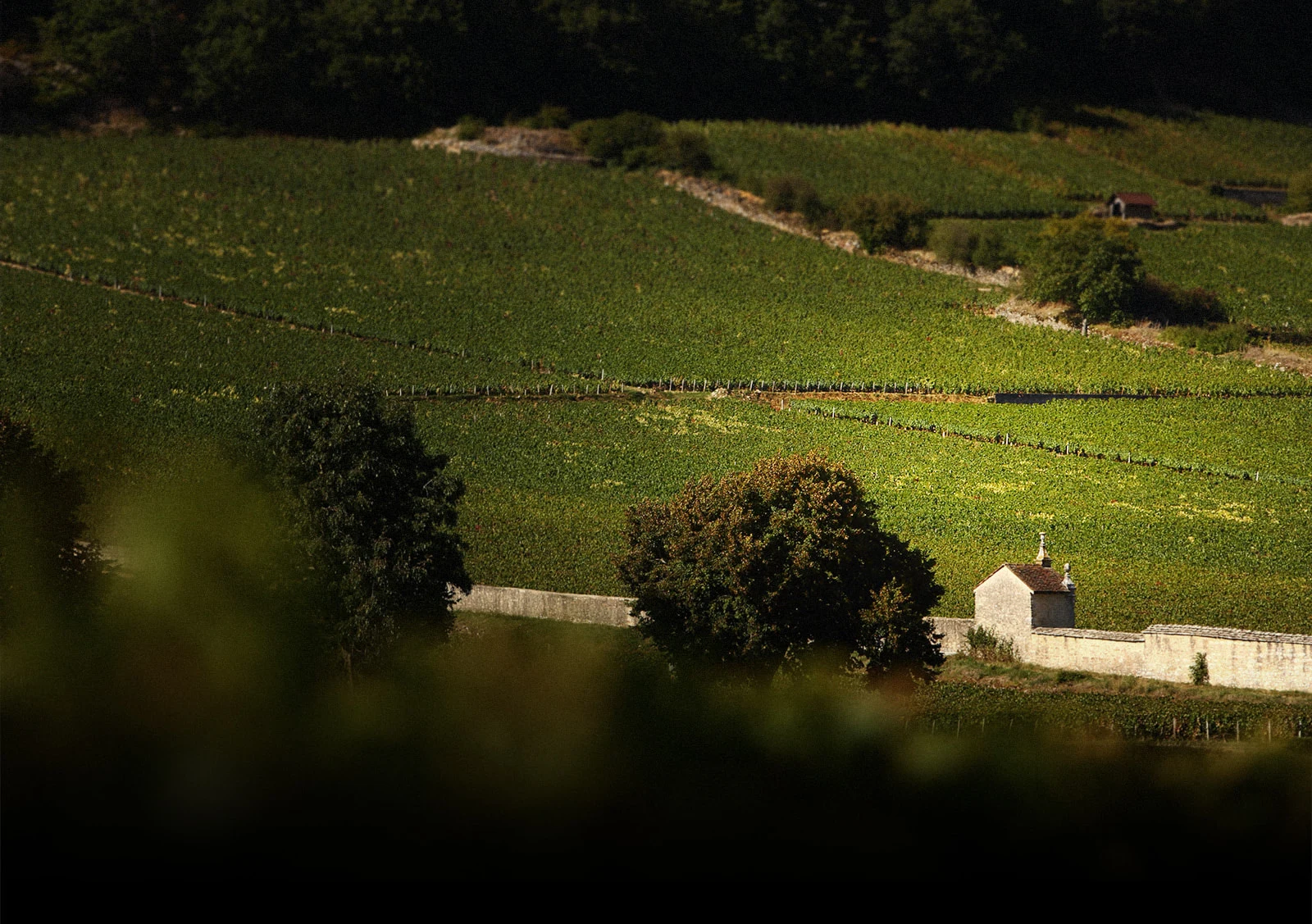
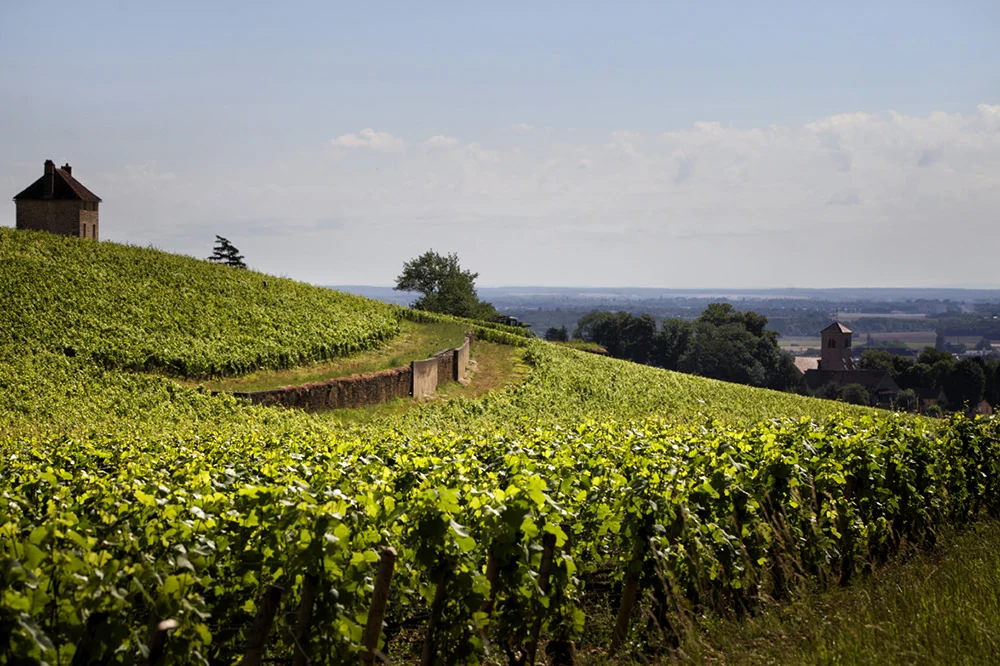
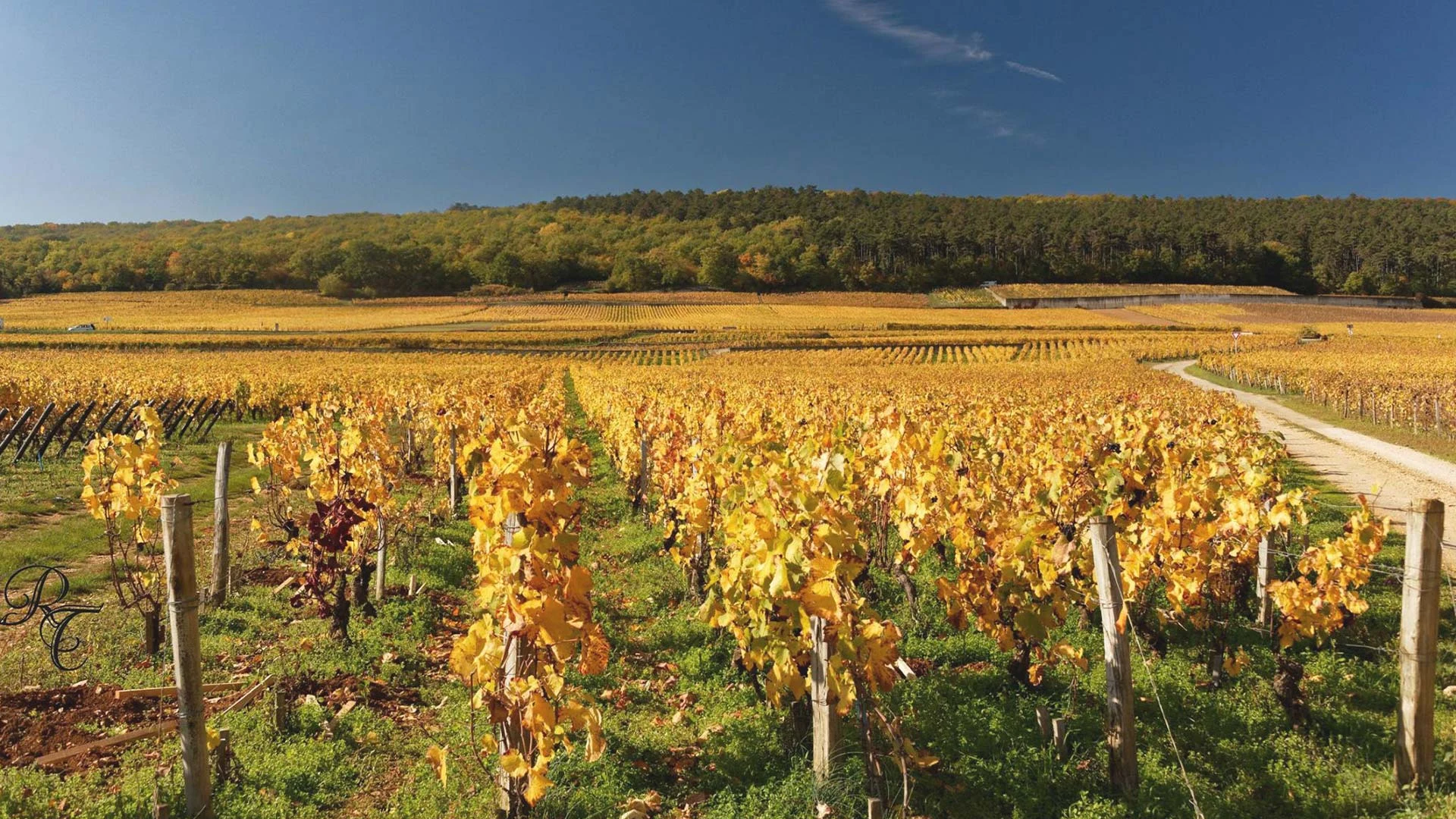
Gevrey-Chambertin does not need spectacle to make its case. The village’s authority comes from its vineyard identity and from Pinot Noir shaped by place. Domaine Harmand-Geoffroy belongs to that classic Burgundy register: traditional, cellar-led, and built around the idea that Gevrey-Chambertin terroir, rather than visitor amenities, is the main event. Its interest lies in that sense of concentration, where the point is not to distract from the village but to let the village remain the frame.
The estate is best understood as a grower domaine focused entirely on Gevrey-Chambertin. Its appeal is not a broad regional survey or a hospitality-driven format, but a no-frills, vineyard-minded atmosphere centered on craftsmanship and ageworthy Pinot Noir. For anyone approaching Burgundy through the lens of place, that narrowness is not a limitation so much as the source of the domaine’s identity.
Gevrey in a single register: Pinot Noir and no tourism gloss
The estate’s appeal is not variety for variety’s sake. Here, the argument is narrower: a traditional Burgundian grower estate devoted to Gevrey-Chambertin, with the village’s terroir at the center of the experience. That focus gives the domaine a clear identity for drinkers who want to think about place, structure, and ageworthy Pinot Noir rather than polished visitor amenities. It is the sort of address where the interest comes from staying within one village conversation and paying closer attention to the distinctions that such a conversation can hold.
That kind of focus matters in Burgundy, where the most persuasive addresses often depend less on spectacle than on continuity and craft. Domaine Harmand-Geoffroy’s character is classic and restrained, with a cellar-driven feel that keeps attention on the wines and the village they come from. The absence of gloss is not incidental to the experience; it reinforces the sense that the domaine is speaking in the traditional language of Gevrey-Chambertin rather than translating itself into a more generalized visitor format.
For readers mapping Gevrey-Chambertin more broadly, Domaine Harmand-Geoffroy is best considered within the village’s wider wine conversation rather than against a list of unrelated destinations. Its distinction is the disciplined Gevrey-Chambertin frame and the traditional grower-estate atmosphere. In practical terms, that means valuing it for its clarity of purpose: Pinot Noir, terroir, cellar work, and the long-established seriousness associated with the village.
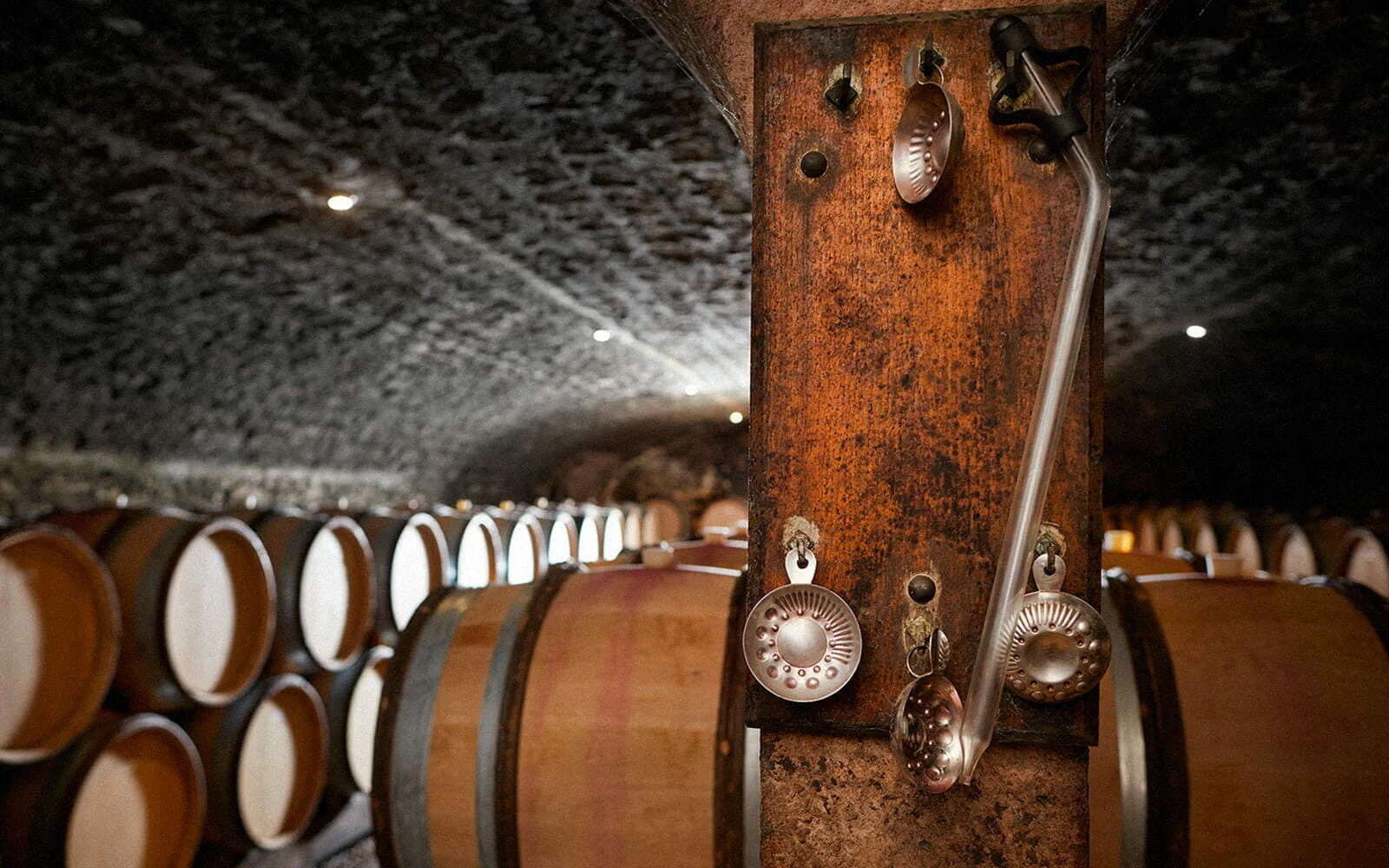
A classic cellar logic: restraint, craft, and Gevrey-Chambertin terroir
The appeal of Domaine Harmand-Geoffroy is its traditional Burgundian grower identity. The estate’s atmosphere is classic and no-frills, with the emphasis falling on vineyard expression, craftsmanship, and Pinot Noir built for age rather than on extra amenities. That makes the domaine feel aligned with a more inward-facing Burgundy logic, where the cellar and the vineyard do the explaining and the surrounding experience stays deliberately secondary.
That framing is important for setting expectations. This is not a page to approach as a restaurant, hotel, bar, or broad leisure venue. It is a Gevrey-Chambertin domaine whose identity is tied to terroir and cellar tradition. The difference matters because the value here is not in a layered hospitality program, but in understanding the estate as part of a village known for serious Pinot Noir and for wines that reward attention over time.
The useful way to read the domaine is through Burgundy’s enduring priorities: place, patience, and the ability of Pinot Noir to carry structure and character over time. Domaine Harmand-Geoffroy’s profile sits firmly in that register. Rather than offering a wide set of experiences, it points back to the fundamentals that make Gevrey-Chambertin compelling in the first place: rootedness, restraint, and the conviction that site should lead the discussion.
How to think about Domaine Harmand-Geoffroy before planning a Burgundy trip
Domaine Harmand-Geoffroy is easiest to understand as a focused Gevrey-Chambertin estate rather than as a broad visitor attraction. The tone is traditional, quiet, and cellar-focused, with a vineyard-driven atmosphere that places craftsmanship ahead of hospitality extras. Visitors and readers should therefore approach it less as a checklist stop and more as a reference point for the village’s particular expression of Pinot Noir.
That restraint is part of the point. In Burgundy, serious grower estates are often most rewarding when approached with attention to appellation, terroir, and the long view of Pinot Noir rather than with expectations of elaborate amenities. Domaine Harmand-Geoffroy fits that mindset because it asks for a slower kind of interest: one concerned with how a place is interpreted, how tradition shapes style, and how a domaine’s identity can remain intentionally narrow.
For a fuller Gevrey-Chambertin itinerary, use Domaine Harmand-Geoffroy as a focused wine reference point and consider other dining, lodging, and wine experiences in Gevrey-Chambertin generically according to your trip needs. Its role in that broader plan is clear: it anchors the wine side of the conversation in a traditional, terroir-led way, while the rest of the itinerary can supply the practical travel elements around it.
Questions
Frequently asked
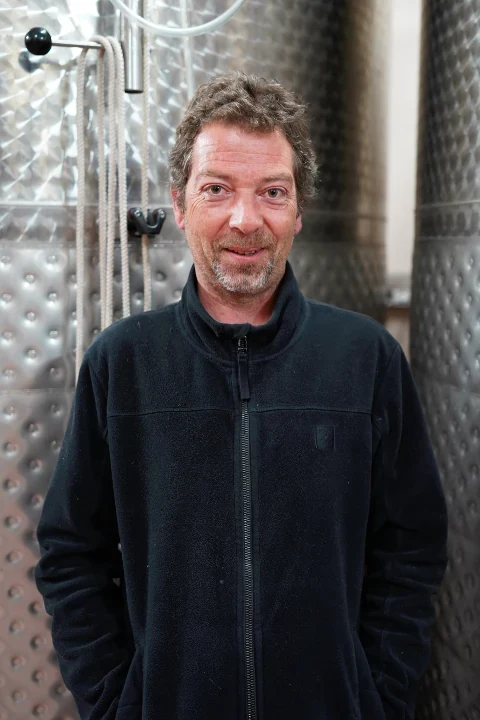
Who works at Domaine Harmand-Geoffroy?
Made By profiles Philippe Harmand (Winemaker) at Domaine Harmand-Geoffroy.
How expensive is Domaine Harmand-Geoffroy?
Domaine Harmand-Geoffroy is listed at a price level of $$$$.
The field
How it compares
| Place | Notes |
|---|---|
| Domaine Harmand-Geoffroy | Gevrey-Chambertin, $$$$ |
| Domaine Armand Rousseau | Gevrey-Chambertin |
| Domaine Denis Mortet | Gevrey-Chambertin |
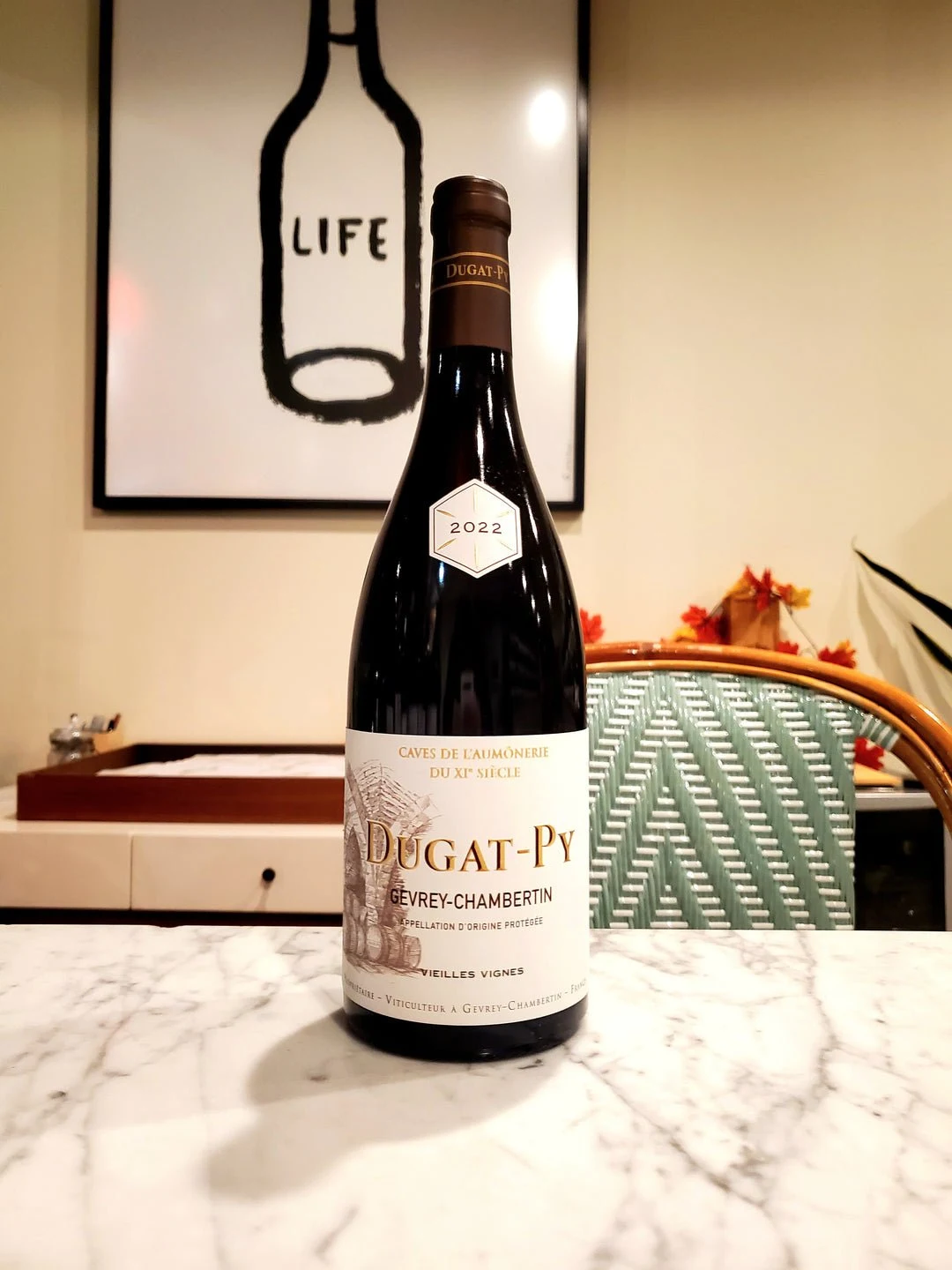
| Domaine Dugat-Py | Gevrey-Chambertin |
| Domaine Fourrier | Gevrey-Chambertin |
| Domaine Rossignol-Trapet | Gevrey-Chambertin |
| Domaine Trapet Père et Fils | Gevrey-Chambertin |