- Falstaff Winery - Listed · 2026
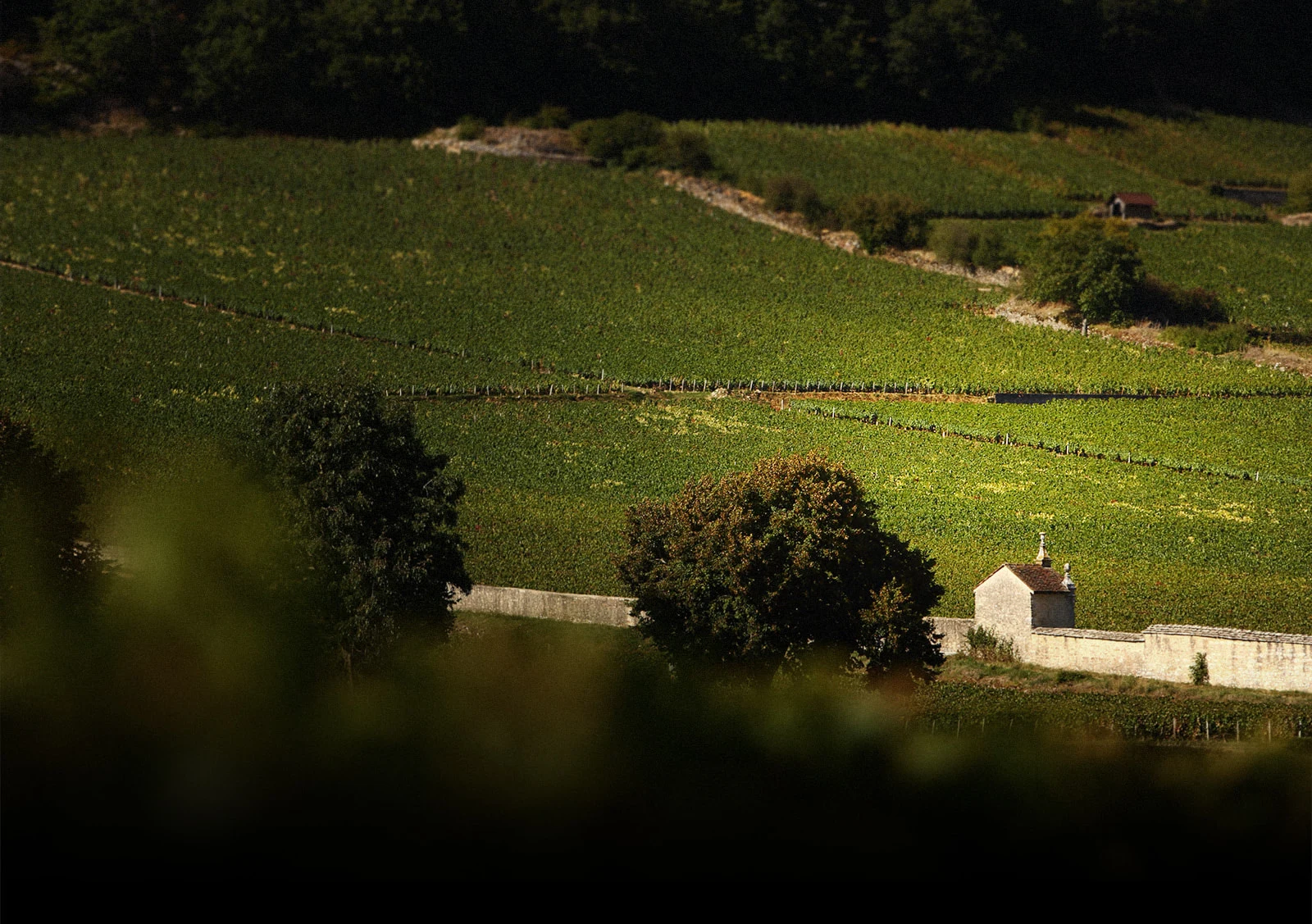
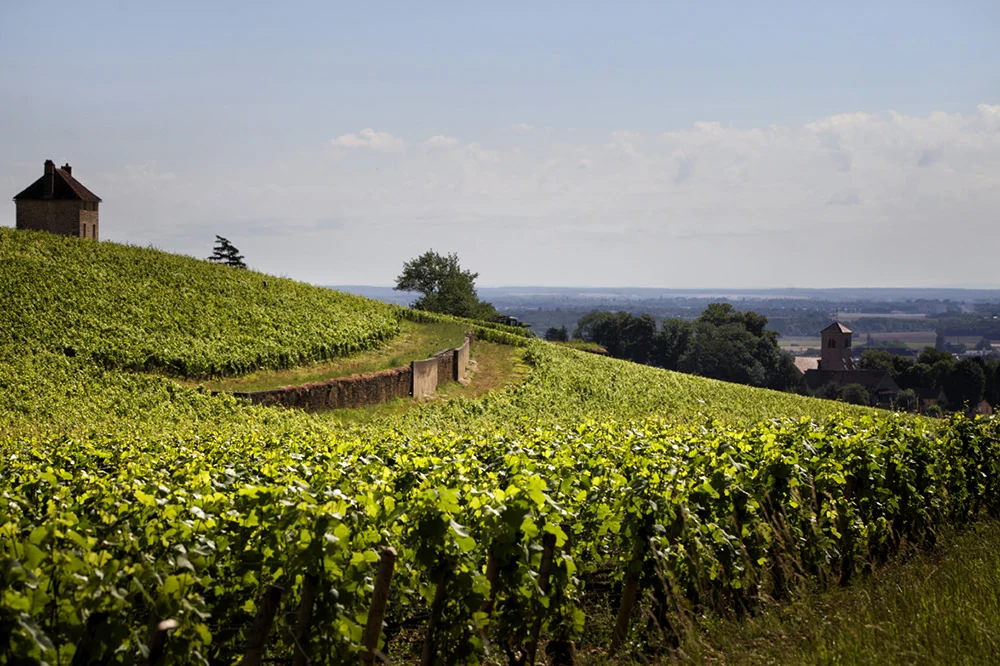
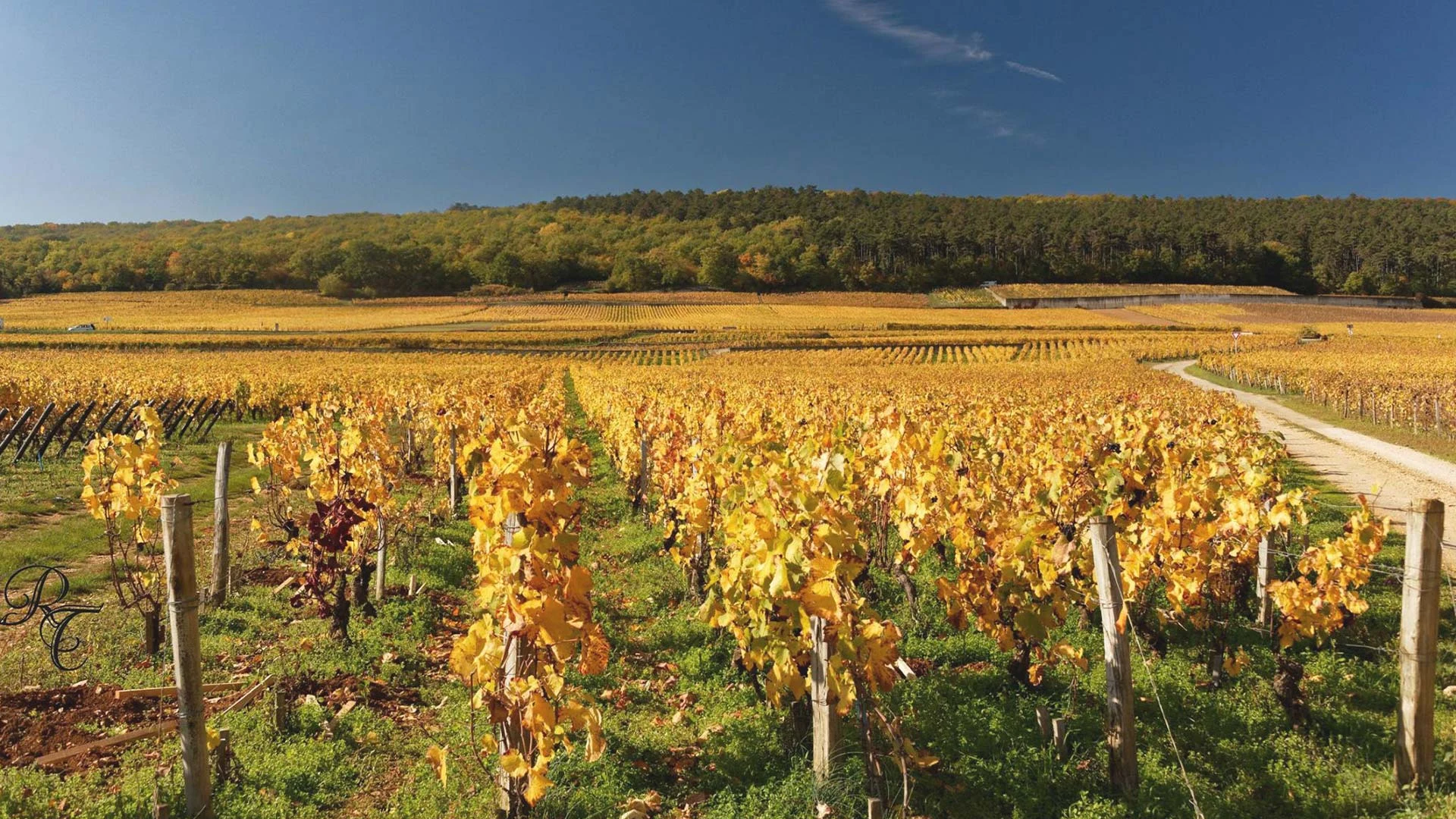
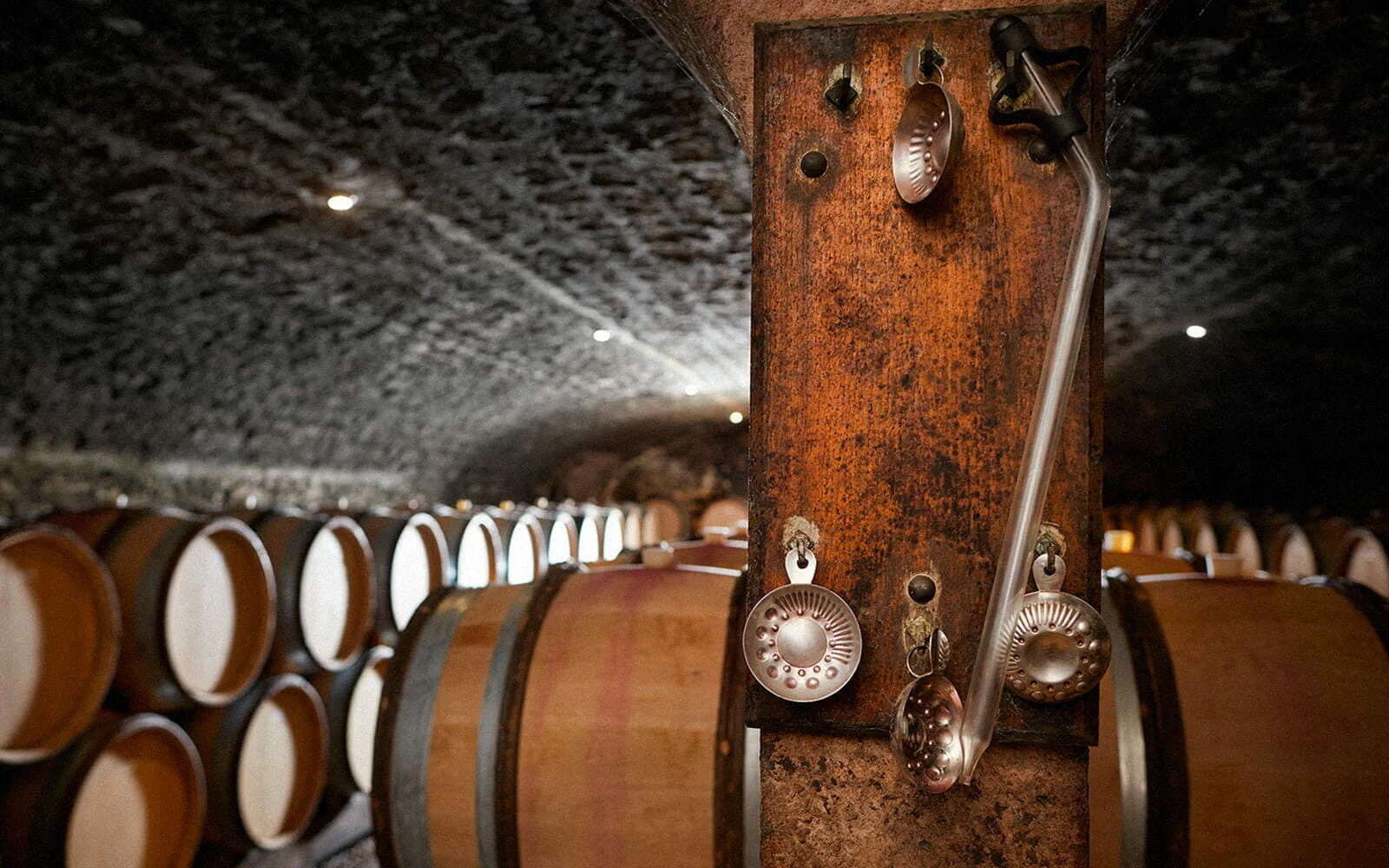
Gevrey-Chambertin is not a village that needs theatrical staging. The drama is already in the slope, the stone, the tight weave of cellars and vineyard parcels, and the quiet pressure of a place whose name matters to Burgundy drinkers. Domaine Henri Magnien belongs to the more traditional side of that culture: small-scale in feeling, family-domaine in character, and built around terroir-driven Pinot Noir rather than a polished tourism facility. The setting is best understood as a classic Burgundy address in a serious wine village, with a rustic, intimate atmosphere rather than a visitor experience designed around spectacle.
That distinction matters because the appeal here is not a broad hospitality promise or a long list of amenities. The picture is narrower and more useful: Domaine Henri Magnien is a small, traditional Burgundy family domaine in Gevrey-Chambertin, focused on Pinot Noir from old vines and on a sense of place. For visitors and collectors, that means the point of interest is the domaine’s village identity and its classic, hidden-gem character, not a restaurant-style service model or a heavily packaged tasting-room concept.
Old-vine Pinot Noir gives the domaine its Gevrey register
Domaine Henri Magnien is grounded in Pinot Noir, the grape through which Gevrey-Chambertin is most strongly read. The old-vine element is central to the profile: this is not presented as a generic Burgundy stop, but as a family domaine whose identity is tied to terroir-driven Pinot Noir from mature vines. In a village where nuance often comes through site, age of vine material and patient interpretation, that focus gives the domaine its reason to be on a serious Burgundy itinerary.
It is important not to overstate what is confirmed. Specific parcel names, exact vineyard size, individual cuvées, farming certifications, production figures and named critical scores are not part of the available information. Rather than building a false sense of precision, the more reliable reading is simpler: Domaine Henri Magnien represents a classic Gevrey-Chambertin mode, where Pinot Noir, old vines and family-scale tradition define the experience. That may be less flashy than a list of bottlings or accolades, but it is also the most accurate basis for understanding the address.
The domaine’s appeal therefore sits in its restraint. It is described as classic, rustic, intimate and something of a. Those terms matter in Burgundy, where some of the most rewarding experiences are not necessarily the most outwardly polished. A visitor should expect the emphasis to remain on wine identity and village atmosphere rather than on design-led hospitality, elaborate food programming or a large public-facing facility.
Critical attention has followed the vineyard work, not hospitality polish
That absence should not be filled with unsupported claims. Domaine Henri Magnien should instead be framed through what is known: a traditional Burgundy family domaine in Gevrey-Chambertin, focused on old-vine Pinot Noir and terroir expression. For a premium venue guide, that is enough to establish the character of the place without inventing a critical history.
This also means the domaine should not be described through superlatives. There is no need to claim a specific ranking, a trophy, a score, a founding date or a named winemaker in order to explain why it belongs on a Burgundy map. Its value lies in a more grounded proposition: a compact, traditional, Pinot Noir-focused address with a classic village feel. In a region where authenticity is often linked to continuity and restraint, that is a meaningful profile on its own.
The price positioning is listed as $$$, which places the domaine in a premium bracket for planning purposes. That does not confirm exact tasting fees, bottle prices or visit formats, so those details should be checked directly before making plans. The safest way to use the price signal is as a broad expectation: this is not being framed as a casual bargain stop, but as a serious Burgundy domaine whose appeal is tied to Gevrey-Chambertin and old-vine Pinot Noir.
A small Burgundy appointment suits serious tasters, not casual drop-ins
The venue profile points toward a quiet, rustic and intimate experience, but it does not confirm specific access rules, opening hours, seating capacity, food service, parking arrangements or visitor policies. For that reason, the most practical guidance is to treat Domaine Henri Magnien as a small traditional domaine and confirm arrangements directly before visiting. That is especially sensible in Burgundy, where family domaines may not operate like conventional tasting rooms.
Who is it best for? Domaine Henri Magnien suits travelers who are drawn to Gevrey-Chambertin for Pinot Noir, old vines and classic Burgundy atmosphere. It is likely to appeal most to visitors who prefer substance over polish: people who value a terroir-focused producer profile, a restrained village setting and a sense of intimacy. It is less suited to anyone looking for a guaranteed restaurant component, a full tourism complex or a broad list of visitor amenities, because those details are not part of the guide data.
For wider context, compare Domaine Henri Magnien with other dining and wine-related options in Gevrey-Chambertin generically rather than assuming identical formats. The domaine’s place in the local landscape is specific: small, traditional, family-run in character, and centered on old-vine Pinot Noir. That is the essential reason to keep it on a Burgundy itinerary.
Questions
Frequently asked
Who works at Domaine Henri Magnien?
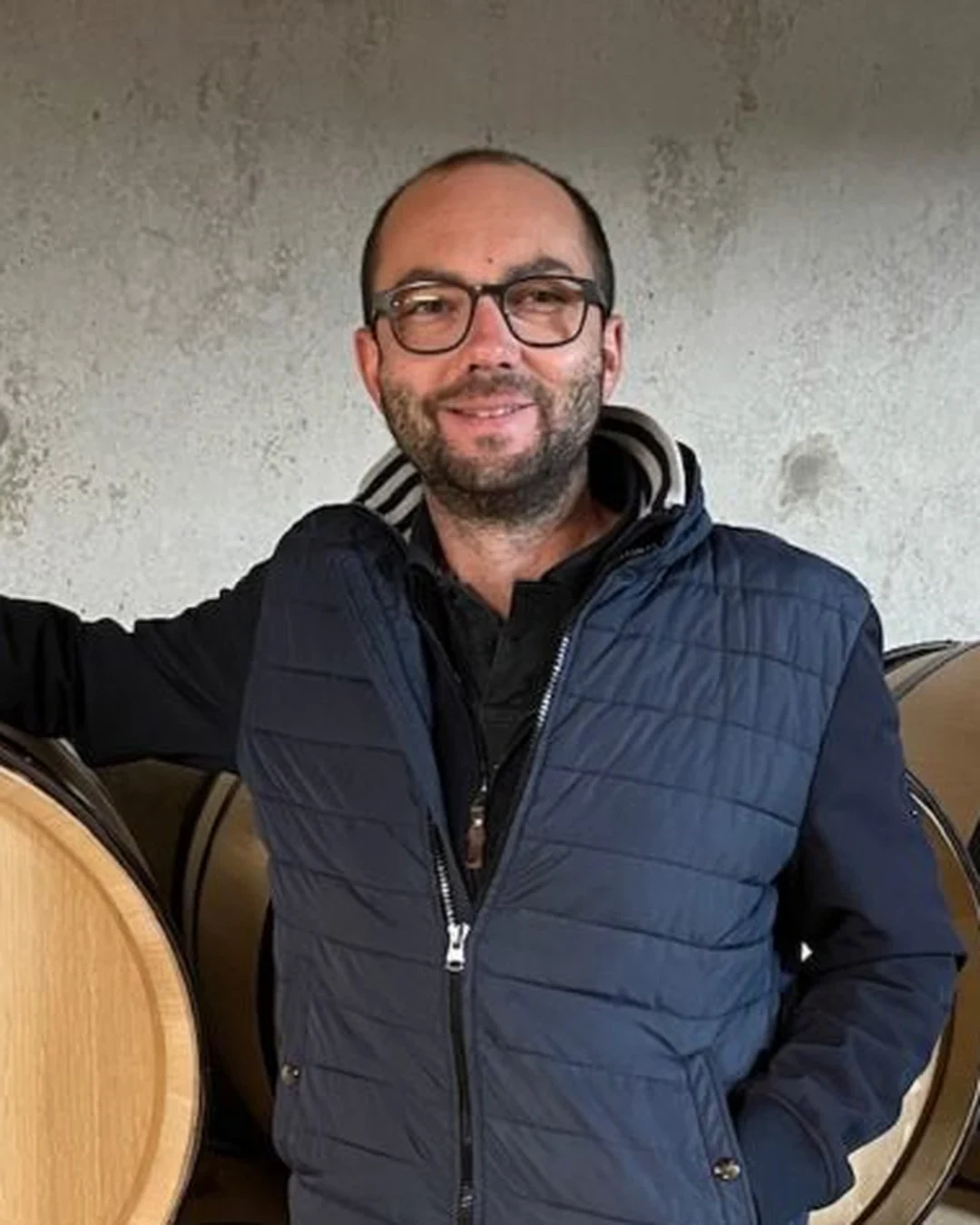
Made By profiles Charles Magnien (Winemaker) at Domaine Henri Magnien.
How expensive is Domaine Henri Magnien?
Domaine Henri Magnien is listed at a price level of $$$.
The field
How it compares
| Place | Notes |
|---|---|
| Domaine Henri Magnien | Gevrey-Chambertin, $$$ |
| Domaine Armand Rousseau | Gevrey-Chambertin |
| Domaine Denis Mortet | Gevrey-Chambertin |
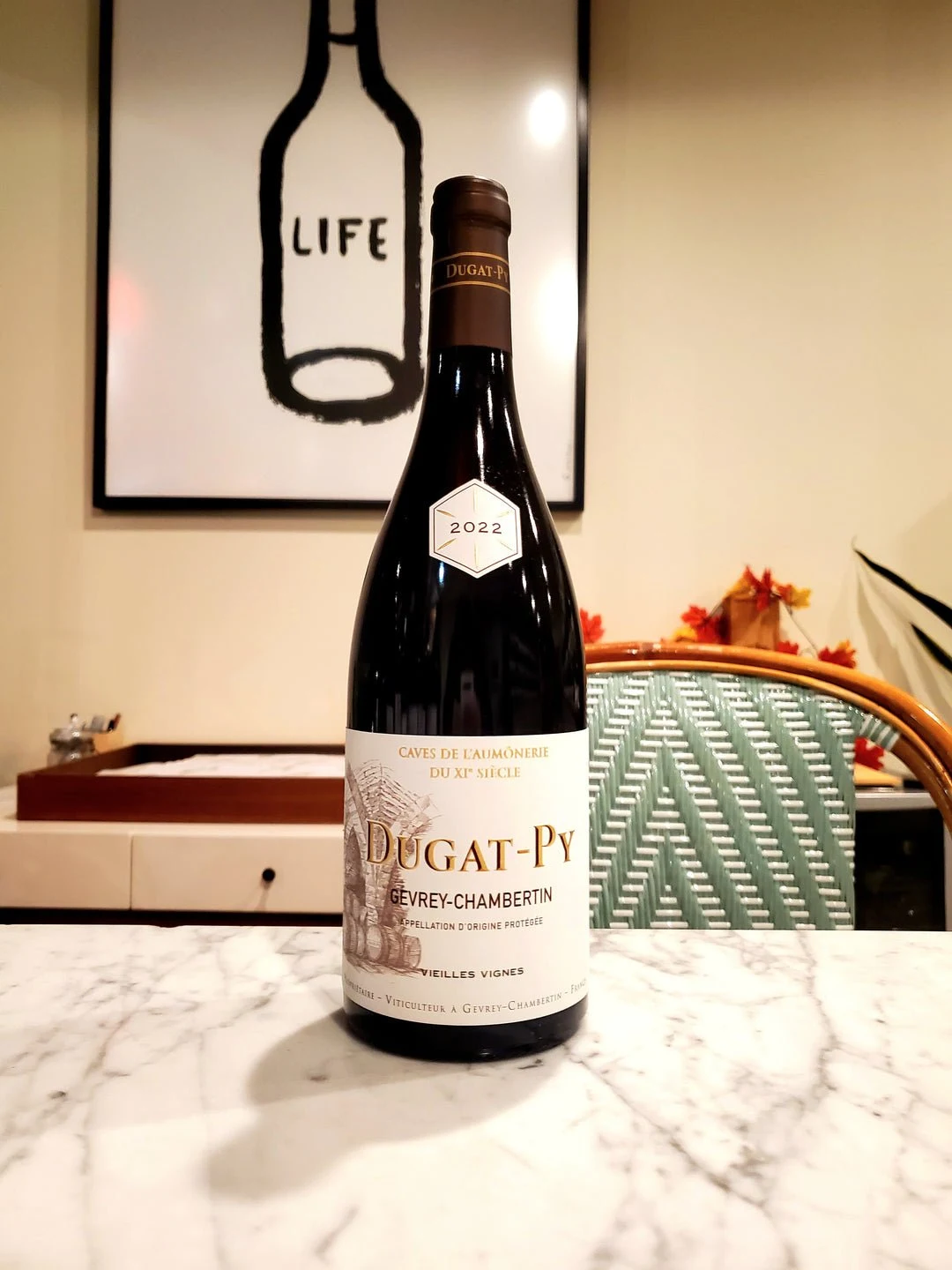
| Domaine Dugat-Py | Gevrey-Chambertin |
| Domaine Fourrier | Gevrey-Chambertin |
| Domaine Rossignol-Trapet | Gevrey-Chambertin |
| Domaine Trapet Père et Fils | Gevrey-Chambertin |