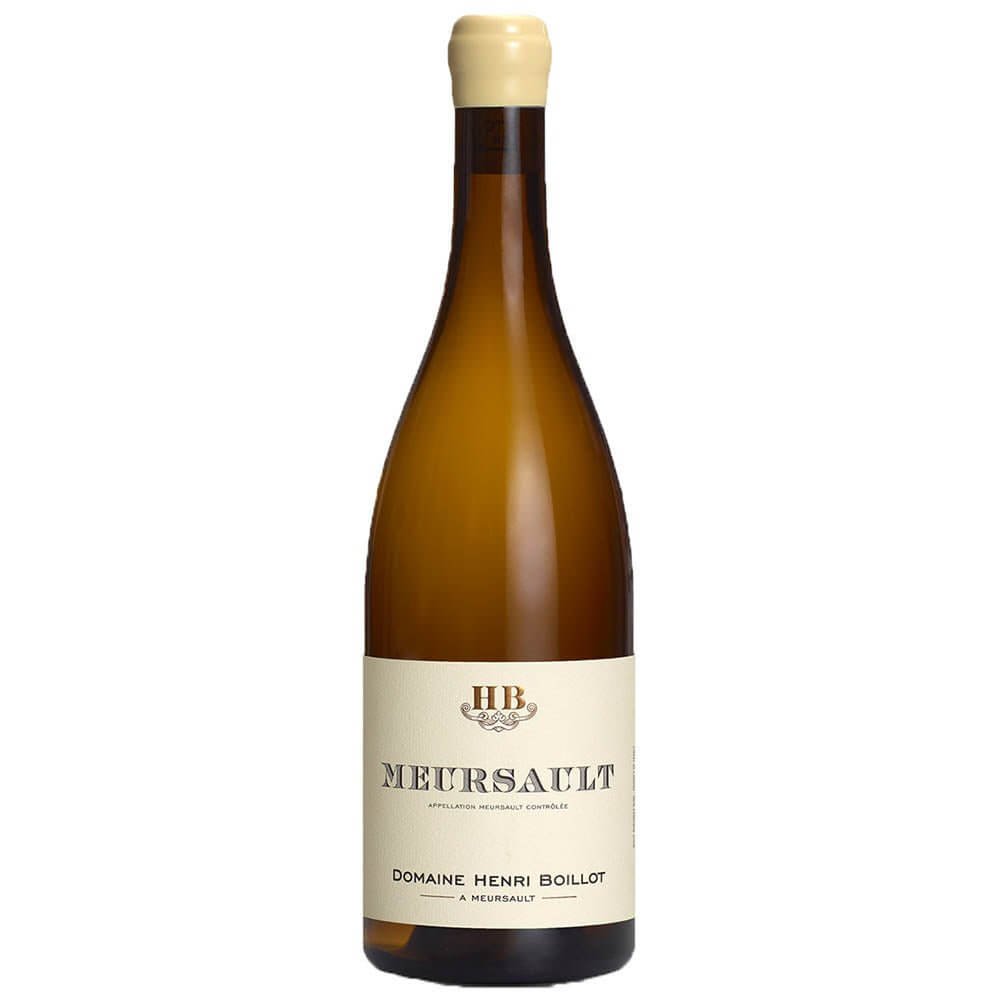
Made ByWinery
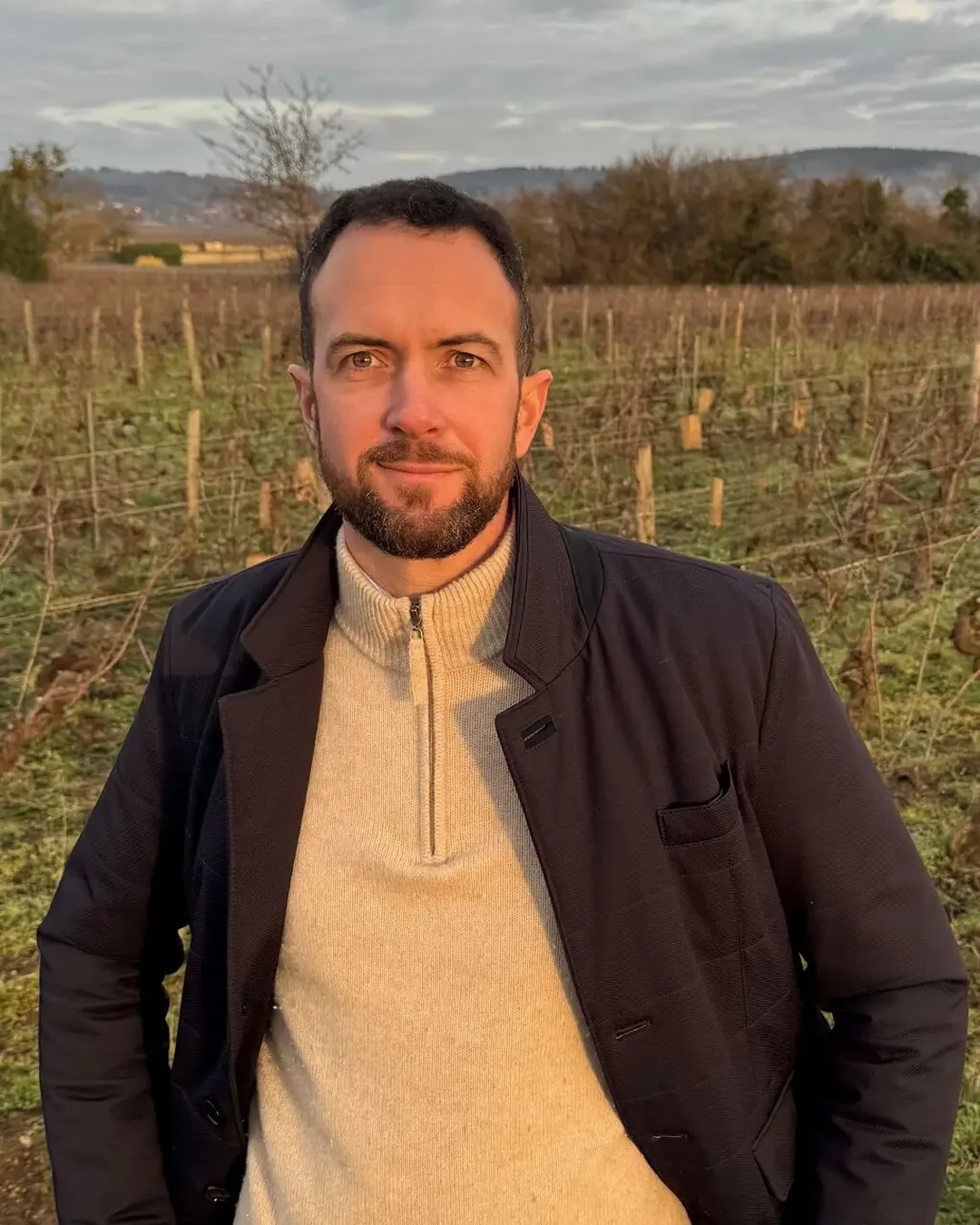

Raphaël Coche-Dury, winemaker at Domaine Jean-François Coche Dury in Meursault, shapes Chardonnay in vineyard and cellar with care.
At a glance
- Price
- $$$$
- Neighborhood
- Meursault
Plowing returns to the parcels
The plow has come back to the rows under Raphaël Coche-Dury, winemaker at Domaine Jean-François Coche Dury in Meursault. The gesture is old Burgundian work, soil opened by labour systématique rather than left to habit, and it says much about the station he holds. Raphaël joined the family estate full-time in 1999 after studies in viticulture and oenology, then took over winemaking in 2010 when Jean-François Coche retired. The domaine itself began in the 1920s with Léon Coche, whose early parcels already carried vines; Georges Coche later moved the family further toward estate bottling, and Jean-François gave the house the name by which Meursault drinkers now know it. Raphaël’s role sits inside that lineage without needing to imitate it. He oversees vineyard care, timing, press decisions and élevage across a modest holding, reported between 9 and 10.3 hectares under vine. In Burgundy, that is not a large estate. At this bench, scale is measured by parcels, not acreage alone.
Texture from the press
The work here turns on Chardonnay, with Aligoté and Pinot Noir also in the domaine’s orbit, and on a cellar method that has long favored reduction, lees, and a measured distance from oxygen. The white wines are associated with grilled nut, smoke and gunflint notes, not as perfume applied in the cellar, but as a consequence of handling, fermentation and aging choices made with restraint. Raphaël has refined pressurage, using distinct pressings from his father’s approach to draw more texture and tannin into the whites, while moving away from the most reduced grilled register. The house’s annual production is cited at about 45,000 bottles, depending on the vintage, and only part of the harvest becomes estate wine. The names on the labels keep the map close: Meursault Perrières, Genevrières, Caillerets, Corton-Charlemagne Grand Cru, Puligny-Montrachet, Auxey-Duresses, Monthélie and Volnay Premier Cru. The wines often ask for 15 years or more before the cellar work fully settles into bottle.
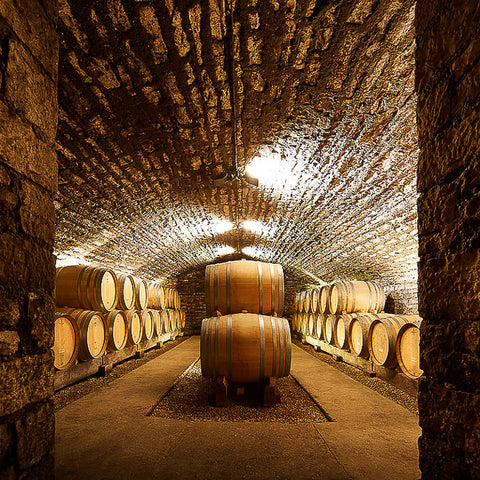
A working cellar in Meursault
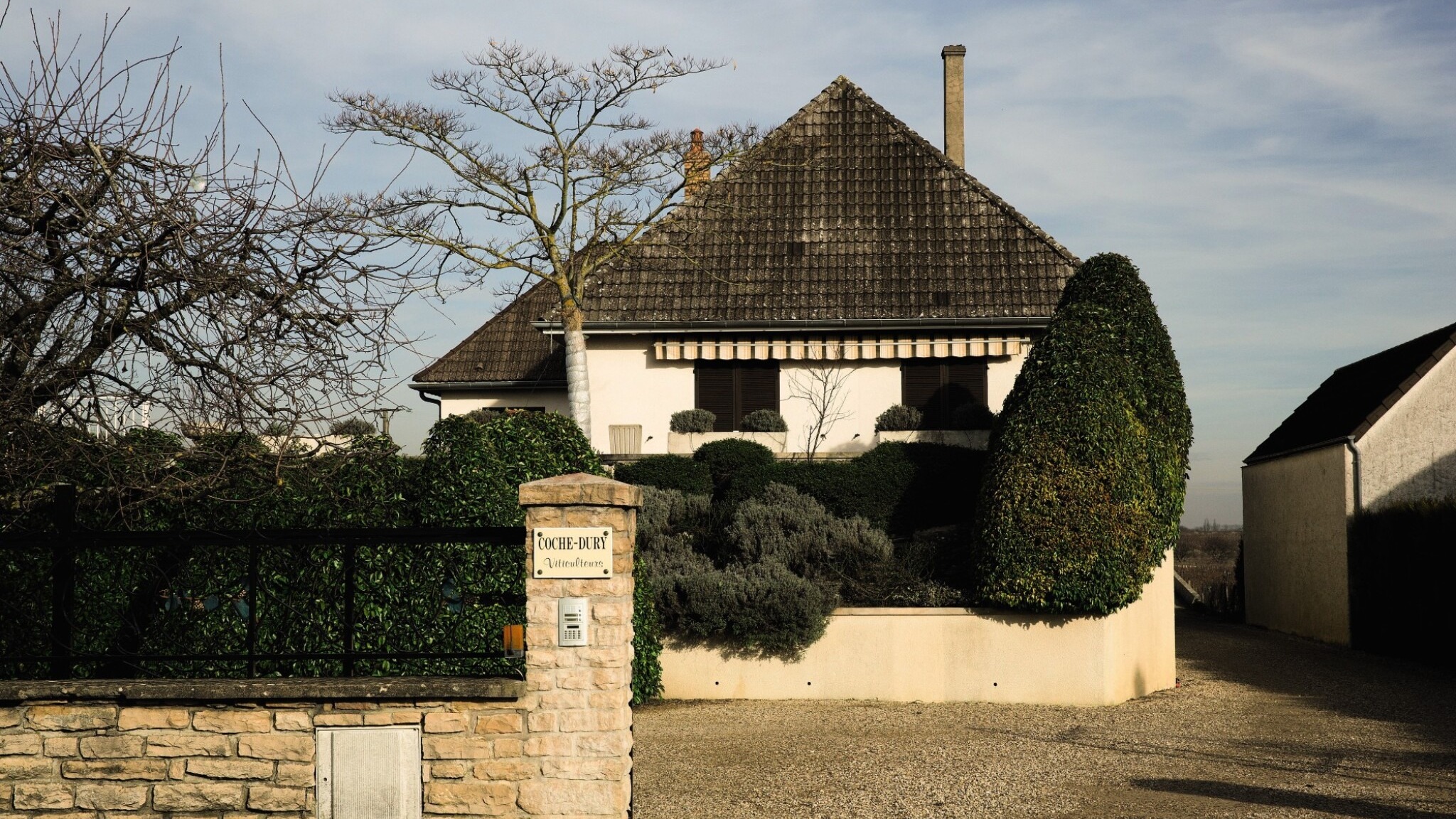
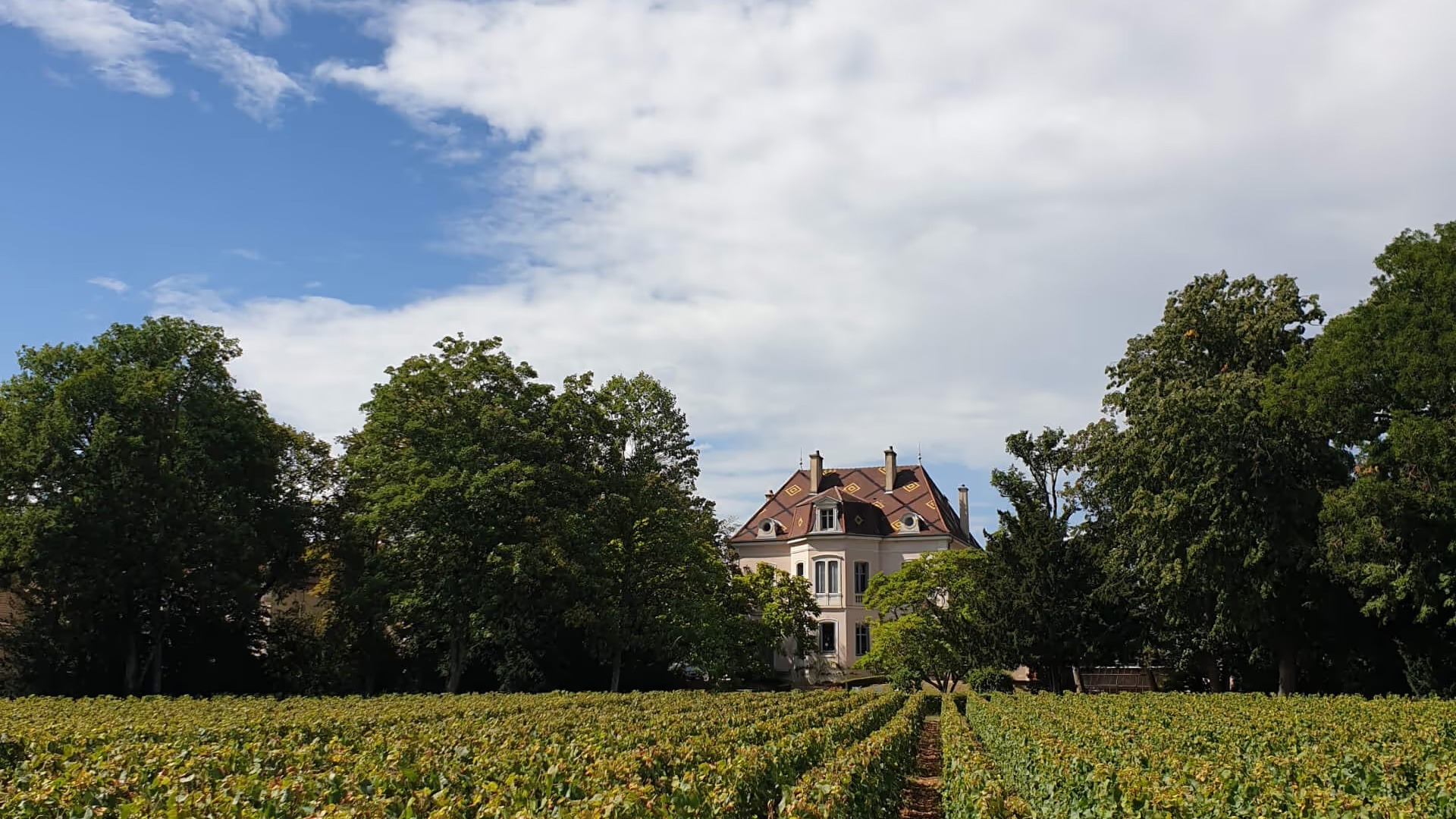
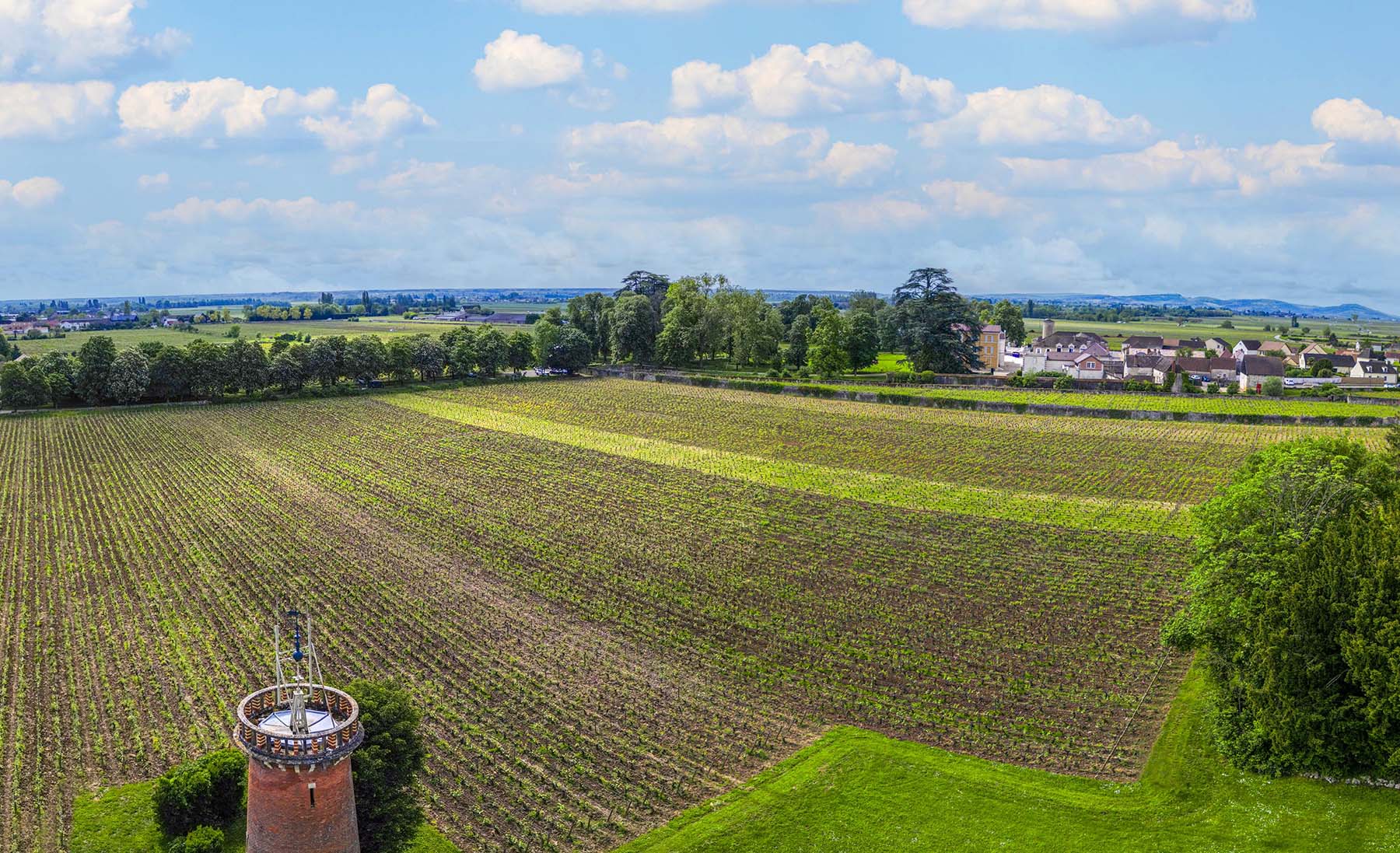
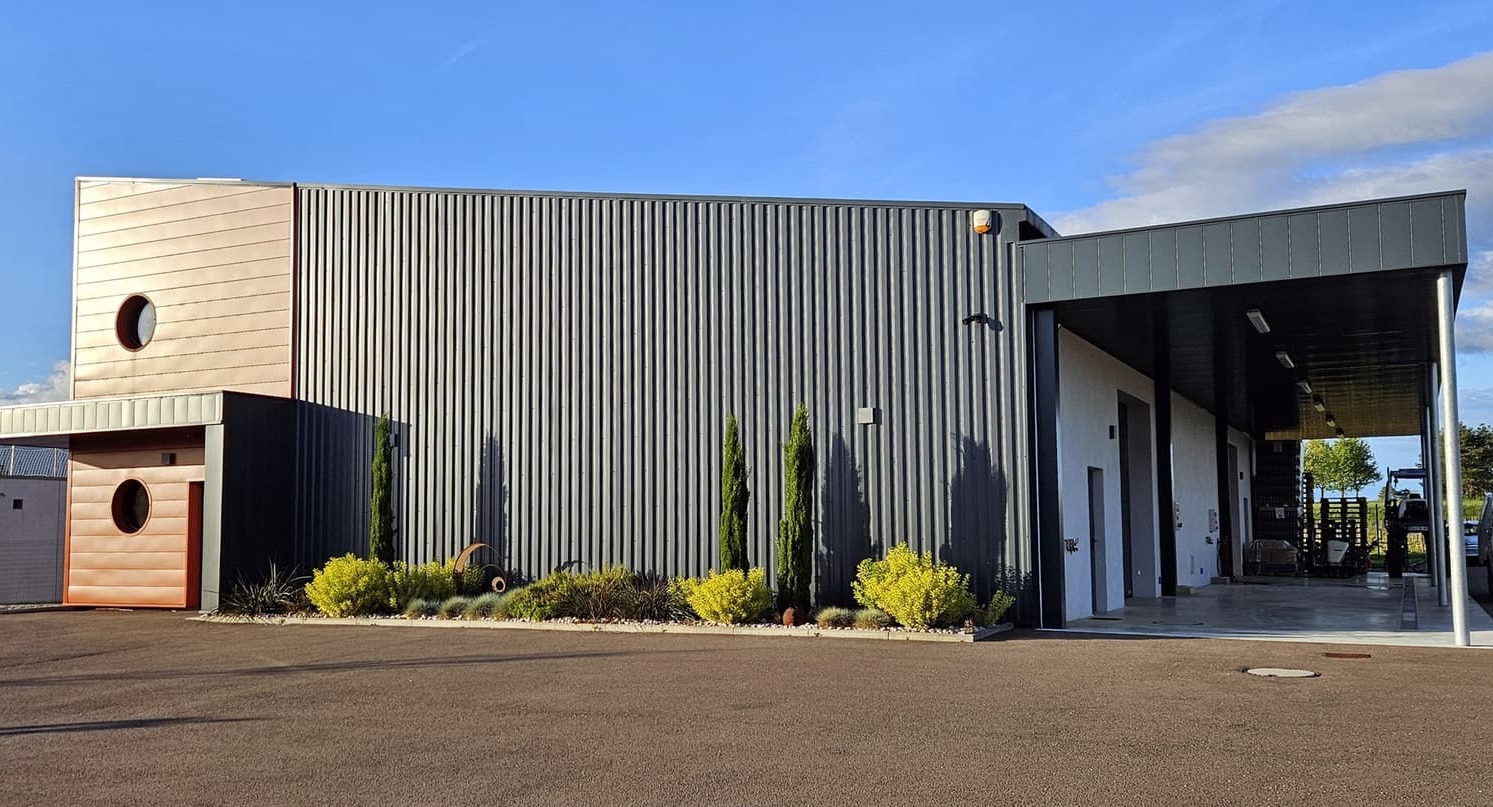
The domaine is not built around spectacle. It sits in the historic wine village of Meursault as a working agricultural estate, surrounded by Côte de Beaune vineyards and shaped more by cellar rhythm than by public performance. The room is quiet because the work requires it: fruit arriving from named climats, barrels resting on lees, decisions made by parcel and season. Hospitality remains secondary to the vineyard and the cellar, which gives the place its particular gravity. There is discretion in that arrangement, but not distance from the craft. The visitor who enters this house enters a functioning domaine, where the tasting room, if used, is downstream from pruning, plowing, picking, pressing and élevage.
Names that hold their ground
What matters here is the continuity between the hand and the site. Léon Coche’s first holdings, Georges Coche’s move toward estate bottling, Jean-François Coche’s long command of white Burgundy, and Raphaël’s current discipline all meet in parcels whose names are spoken with precision. The next movement is not announced as a campaign. It will arrive in the vineyard first, then in the press, then in the glass, under labels such as Meursault Les Caillerets.
Know before you go
- Dress code
- smart_casual
- Reservations
- appointment_only
- Parking
- street
Address
Meursault, Cote de Beaune, Bourgogne-Franche-Comté, Frankreich
Meursault