Made ByWinery
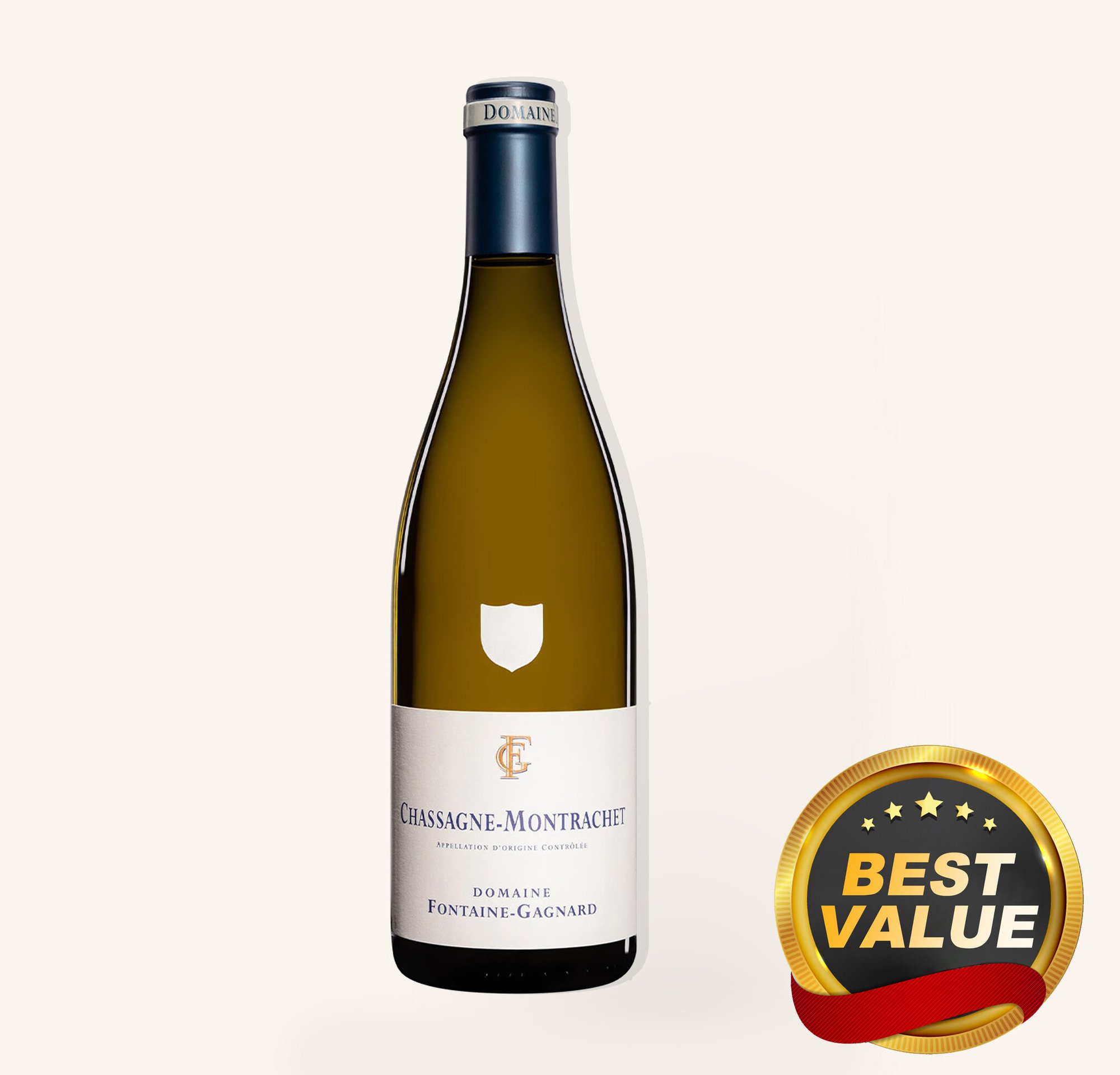
Domaine Jean-Noël Gagnard
Chef in Residence
Caroline Lestimé
Winemaker
- 01CityChassagne-Montrachet, France
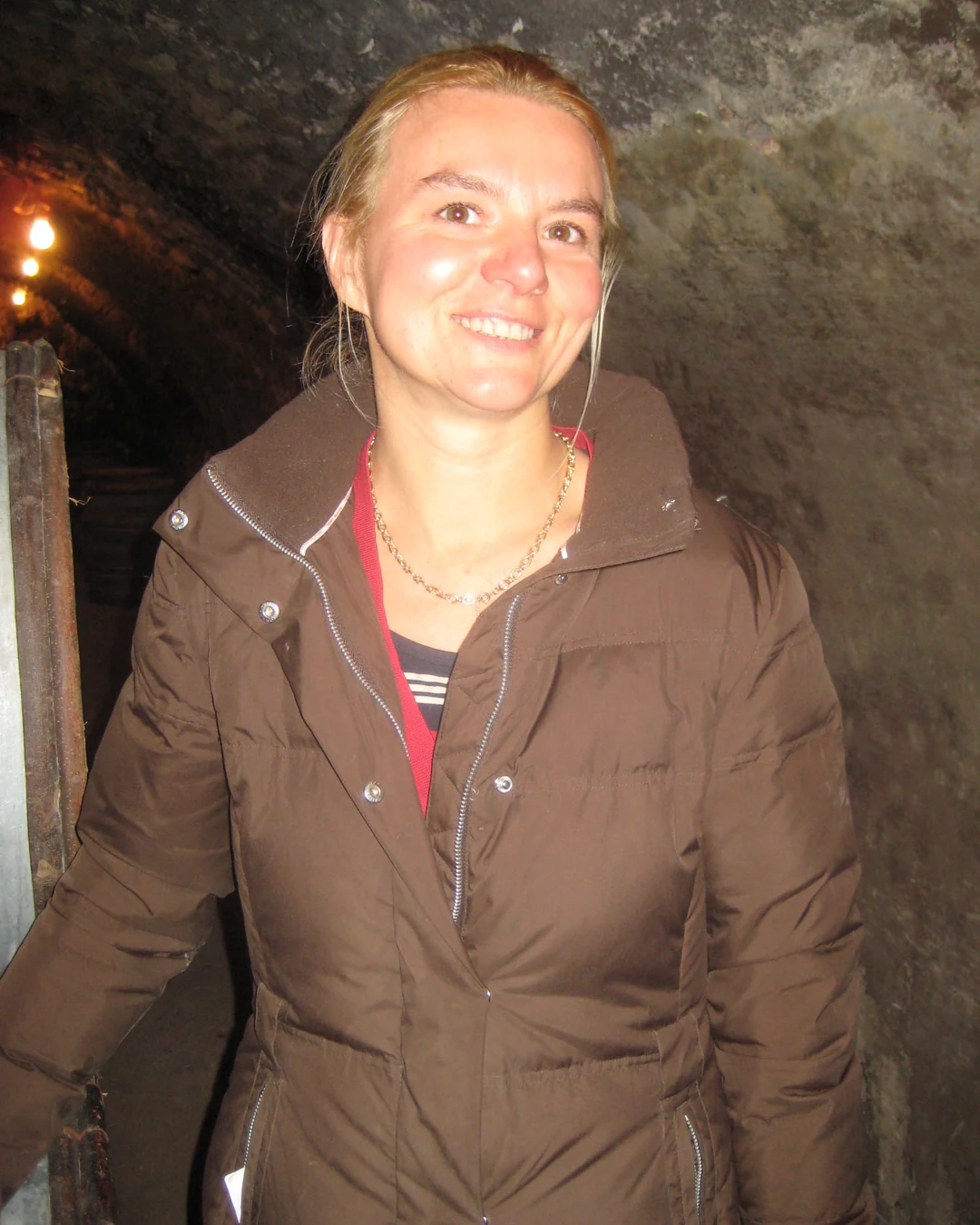
Caroline Lestimé, winemaker at Domaine Jean-Noël Gagnard in Chassagne-Montrachet, works estate fruit toward balance and site with care.
At a glance
- Price
- $$$$
- Neighborhood
- Chassagne-Montrachet
Balance before power
The choice is balance first: Caroline Lestimé, winemaker at Domaine Jean-Noël Gagnard in Chassagne-Montrachet, works from the vineyard through the cellar and into the office with that standard in view. She trained at Beaune Lycée Viticole and Dijon University, then took control of the domaine in 1989, the year that still carries a particular charge in her own memory of the house. Jean-Noël Gagnard gave the estate its name and reputation; Lestimé, his daughter, has shaped its present tense.
Her language is not ornamental. “What we seek is balance and a certain aromatic palette,” she says. In the cellar, she makes the same idea more exact: “It’s the balance between alcohol and acidity.” That sentence sits close to the work at this domaine, where Chardonnay and Pinot Noir come from estate vineyards across Chassagne-Montrachet, including premiers crus and Bâtard-Montrachet. The house is family-run, small in scale, and rooted in the grower model rather than the visitor spectacle. The bench here is the vineyard row, the press, the barrel, the office ledger, each one part of the same discipline.
Estate fruit, native yeast, measured oak
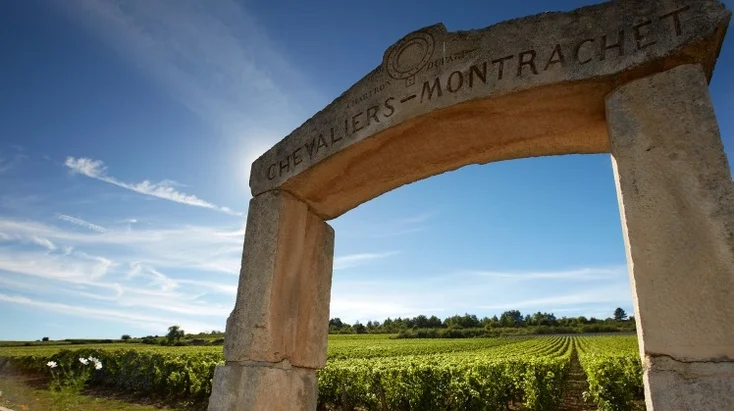
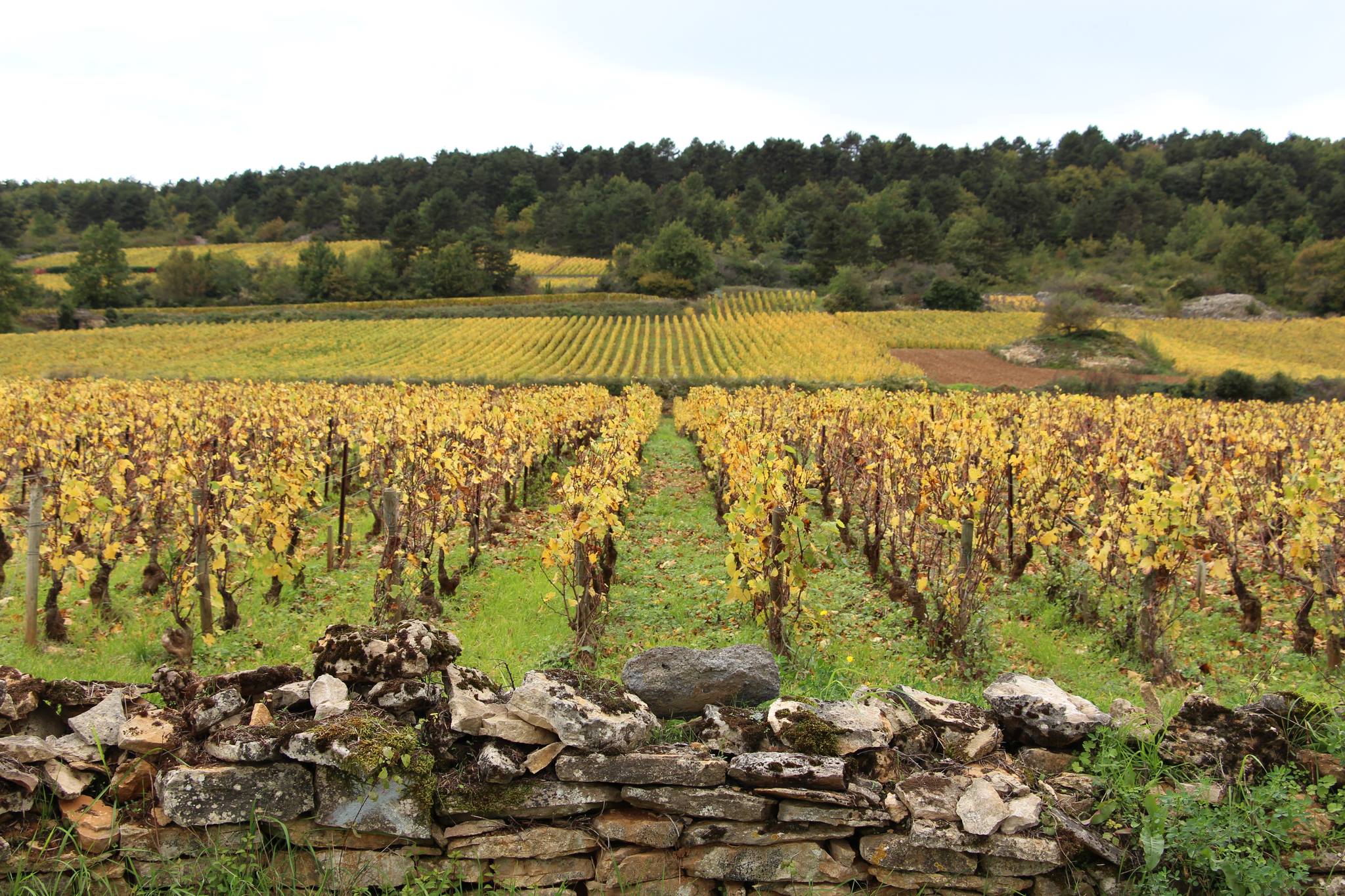
The domaine farms roughly 9 to 14.5 hectares, depending on how total holdings and core estate vineyards are counted, with certified organic and biodynamic practice in place since 2014. The work begins before the cellar, with Guyot-Poussard pruning, hand harvesting, and the separation of lieux-dits whose soils carry their own grain: clay-limestone, shallow clay, iron and manganese in the mix. Champ Derrière sits at 250 meters, toward the cooler northern end of the appellation, with eastern exposure. Les Chaumes has shallow clay on a gentle southeast-facing slope, with vines averaging 50 years.
After harvest, the grapes are gently pressed and the juice settles for 24 to 48 hours. Fermentation runs with indigenous yeasts in seasoned oak barrels. White wines mature for 18 to 20 months, with new oak ranging from 0% to 80% according to the cuvée, not as a house signature applied everywhere but as a tool fitted to each wine. Champ Derrière rests on its lees for 12 to 15 months with up to 30% new oak. The reds are 100% de-stemmed and also ferment with indigenous yeasts. Filtration remains sparing, in keeping with a cellar that favors texture, aroma and site over polish for its own sake.
A quiet cellar in the village
The room at Domaine Jean-Noël Gagnard keeps the atmosphere of a Burgundy grower estate: quiet, practical, and turned toward the work rather than display. Visits center on the cellar and vineyard conversation, not on a large visitor center. The tasting cellar is also the place where the family offers home-made Vignes et Vergers preserves and certified organic local products, a small domestic note beside the barrels and bottles.
Chassagne-Montrachet gives the domaine its frame, but Lestimé works against the flattening effect of appellation shorthand. The portfolio can move from village wine to 12 premiers crus and grand cru Bâtard-Montrachet, with La Maltroie and Cuvée l'Estimée among the names most closely tied to her signature. The close work remains the same: keep the alcohol and acidity in conversation, then let Les Caillerets or Bâtard-Montrachet name the place in the glass.
Know before you go
- Reservations
- appointment_only
- Parking
- street
- Payment
- cash, credit_card, debit_card
- Groups
- Welcomed
Address
Chassagne-Montrachet, Bourgogne-Franche-Comté, Frankreich
Chassagne-Montrachet