Made ByWinery
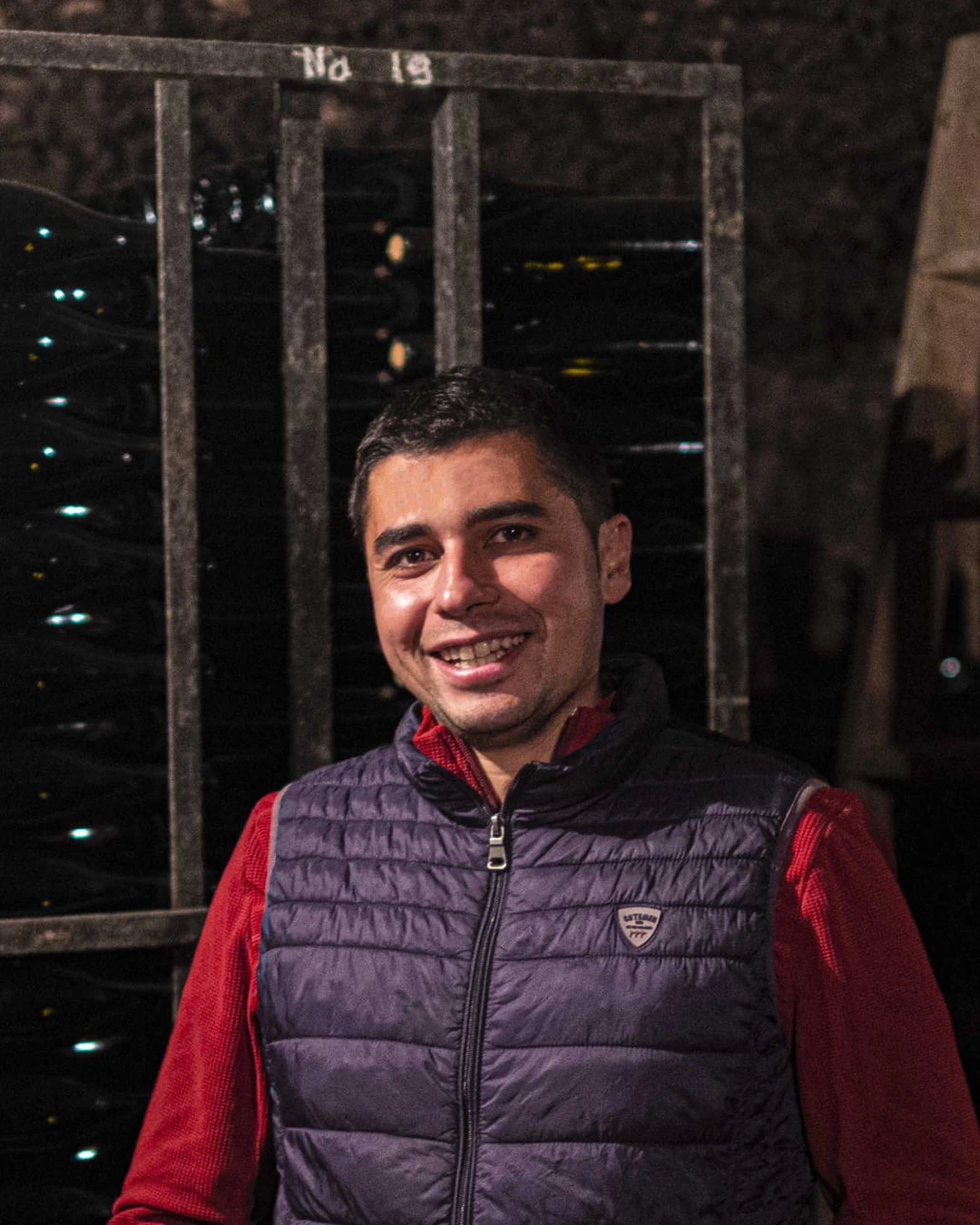
Valentin Jobard, winemaker at Domaine Jobard-Morey in Meursault, works parcel by parcel across a small Burgundian estate there.
Site by site in Meursault
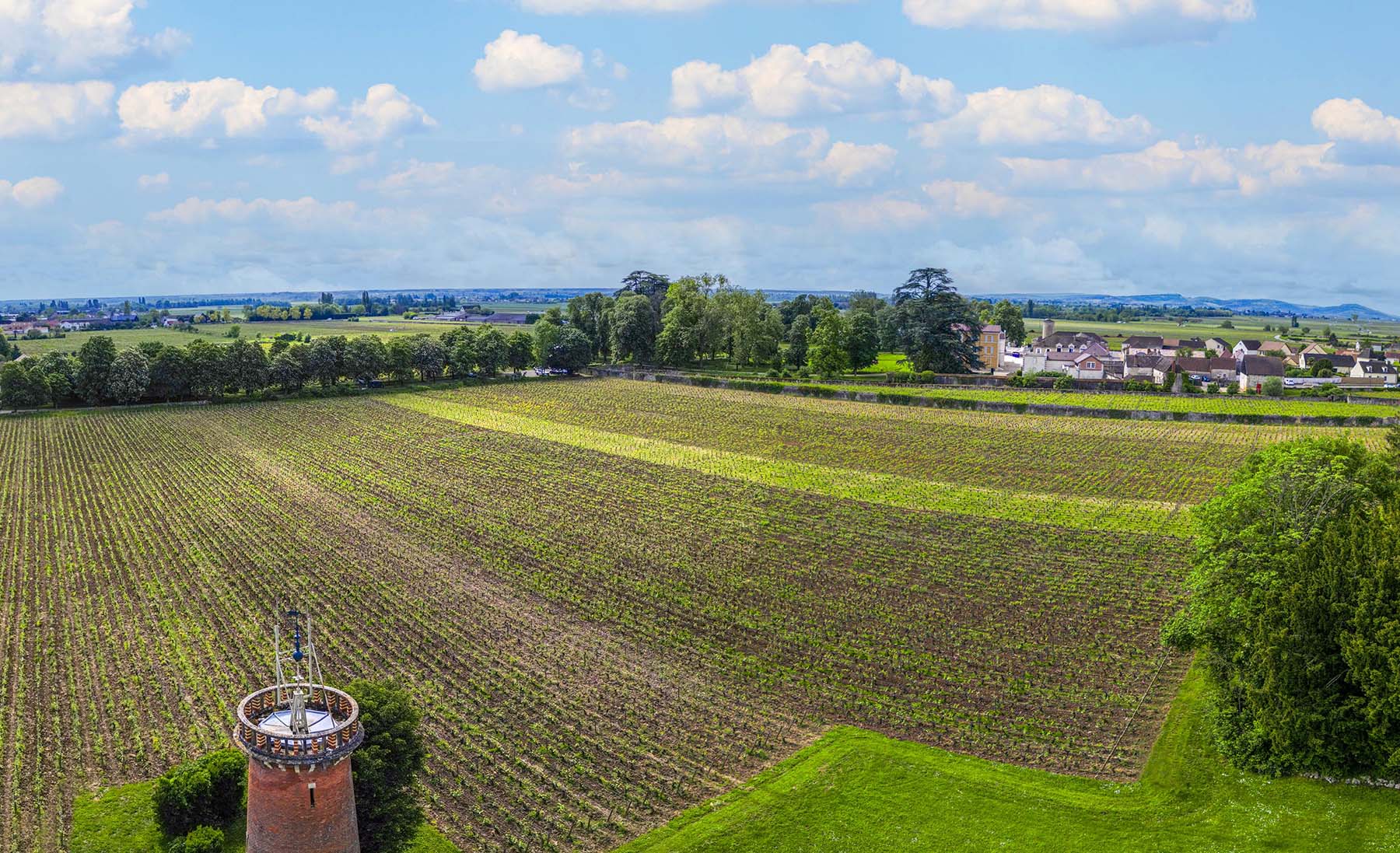
The picking decision starts in the parcel, not in the cellar. Valentin Jobard, winemaker at Domaine Jobard-Morey in Meursault, works from that premise with Remi Ehret, reading vine material, exposure, and the limestone and marl beneath the rows before the fruit comes in. Their holding is small, 5.5 hectares, and that scale matters here: village wines can be followed by lieu-dit rather than folded into a broad house signature. Jobard has operated the estate with Ehret since 2013, taking full control in 2016, within an estate line that dates to 1949. The lineage is Burgundian in the practical sense, carried through parcels, cellars, and decisions repeated until they become house memory. Chardonnay remains the clear center of the work, though the domaine also gives Pinot Noir a narrow, site-led place in the range. What Jobard appears to protect is not weight, but tension: balanced, fresh wines, shaped with minimal intervention and judged by how clearly each climate arrives in the glass.
Oak kept behind the vineyard
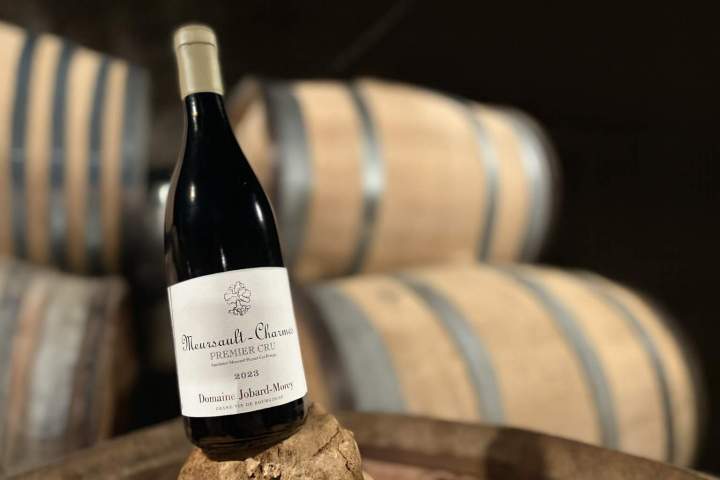
The method at Domaine Jobard-Morey is restrained élevage, parcel work, and a refusal to let cellar handling cover the site. The house style is described through freshness, old-vine material, balance, and minimal intervention, with oak used judiciously rather than as a seasoning that announces itself first. Les Narvaux and Les Tillets carry the village-level Meursault register, each treated as a separate reading rather than as raw material for sameness. Les Tillets in the 2018 vintage was read through mineral line, citrus, intensity, air, and freshness, the vocabulary of Chardonnay grown where limestone and marl keep the wine upright. The reds speak more quietly but still follow the same discipline. Hautes Côtes de Beaune Rouge 2021 comes from high-altitude vineyards near Auxey-Duresses, with lightness, perfume, and silk in the frame; Meursault Rouge 2021 brings Pinot Noir back to the village through red fruit, spice, acidity, and gentle tannin. The point is not range for its own sake. It is site expression, repeated in different keys.
A quiet cellar for village wines
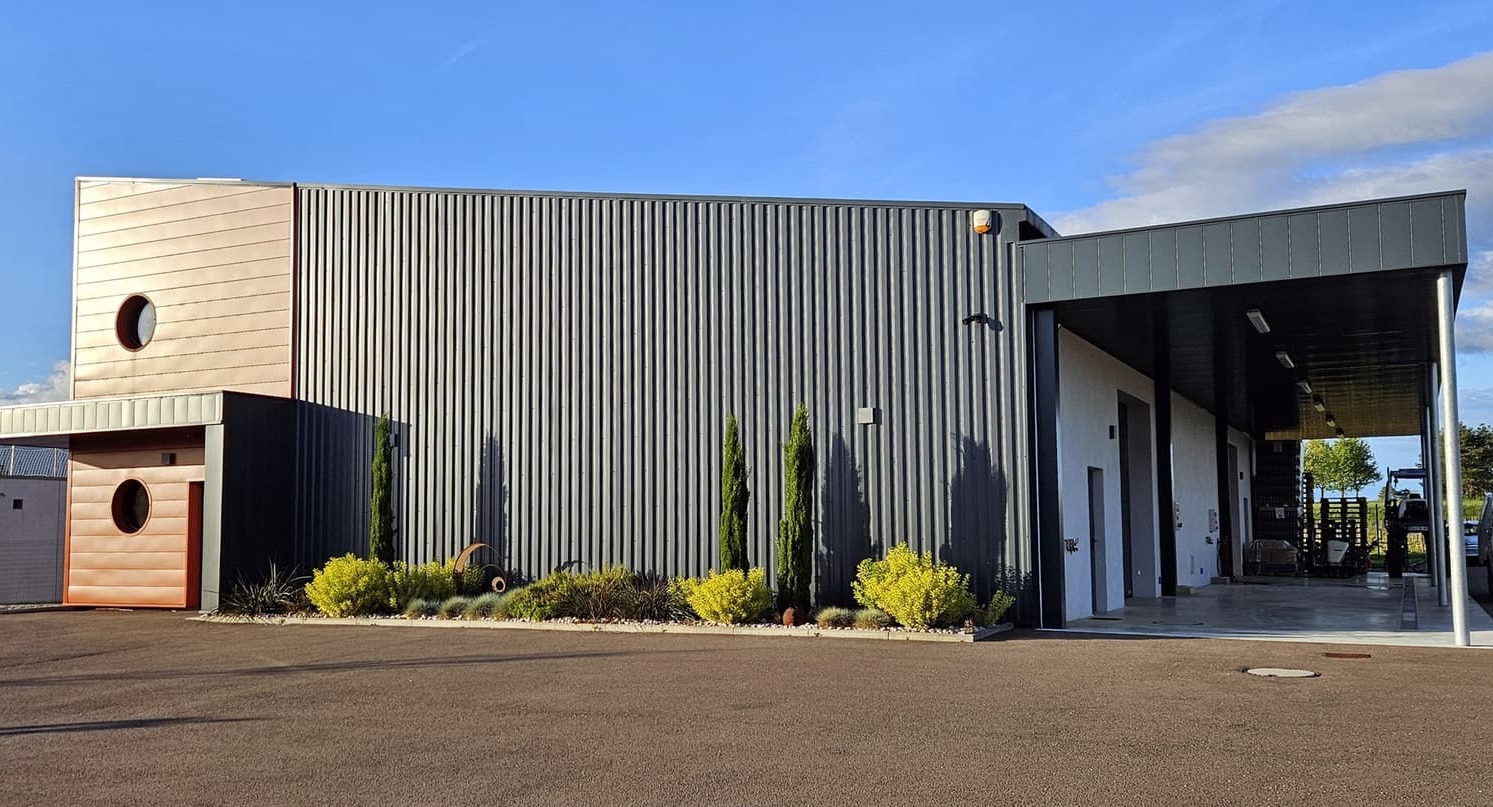
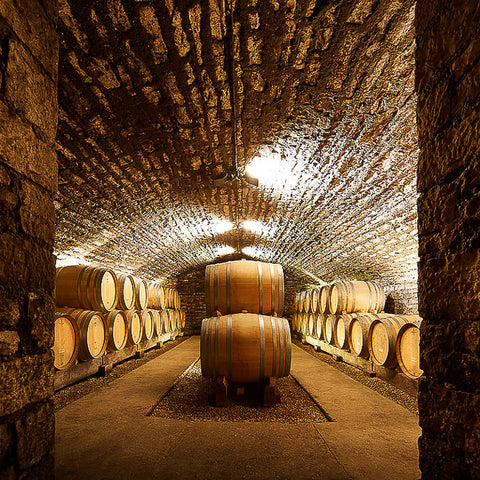
The domaine keeps the atmosphere of a small Burgundian estate: quiet, family-owned, and close to the vineyard work that defines it. In the cellar, that means the room does not need theater. Barrels, tanks, and the day’s decisions sit behind the more important question of whether a given parcel has kept its line. Meursault can reward breadth, but Jobard-Morey is built around restraint, especially in the whites. The tasting room belongs to that same register. A private tasting here is less a performance than a sequence of parcels, with Les Narvaux and Les Tillets giving shape to the conversation before the reds draw attention to altitude, perfume, and fine structure. The village is famous enough without embellishment. The cellar works as if fame were beside the point.
Why the parcels matter
Meursault is often discussed through hierarchy, yet Domaine Jobard-Morey makes a useful argument for village-level attention. A 5.5-hectare estate can let small differences remain audible, especially when the hand in the cellar stays measured. That is where the domaine’s accessible position within the appellation has substance: not in simplification, but in the patient separation of sites that might otherwise be blended into a single idea of Meursault. If the next bottle to open is a statement of the house, make it one that names its ground: Domaine Jobard-Morey Meursault Les Narvaux.
Address
Meursault, Cote de Beaune, Bourgogne-Franche-Comté, Frankreich