One organic Xinomavro, old barrels
- Falstaff Winery - Listed · 2026
One grape, one cellar
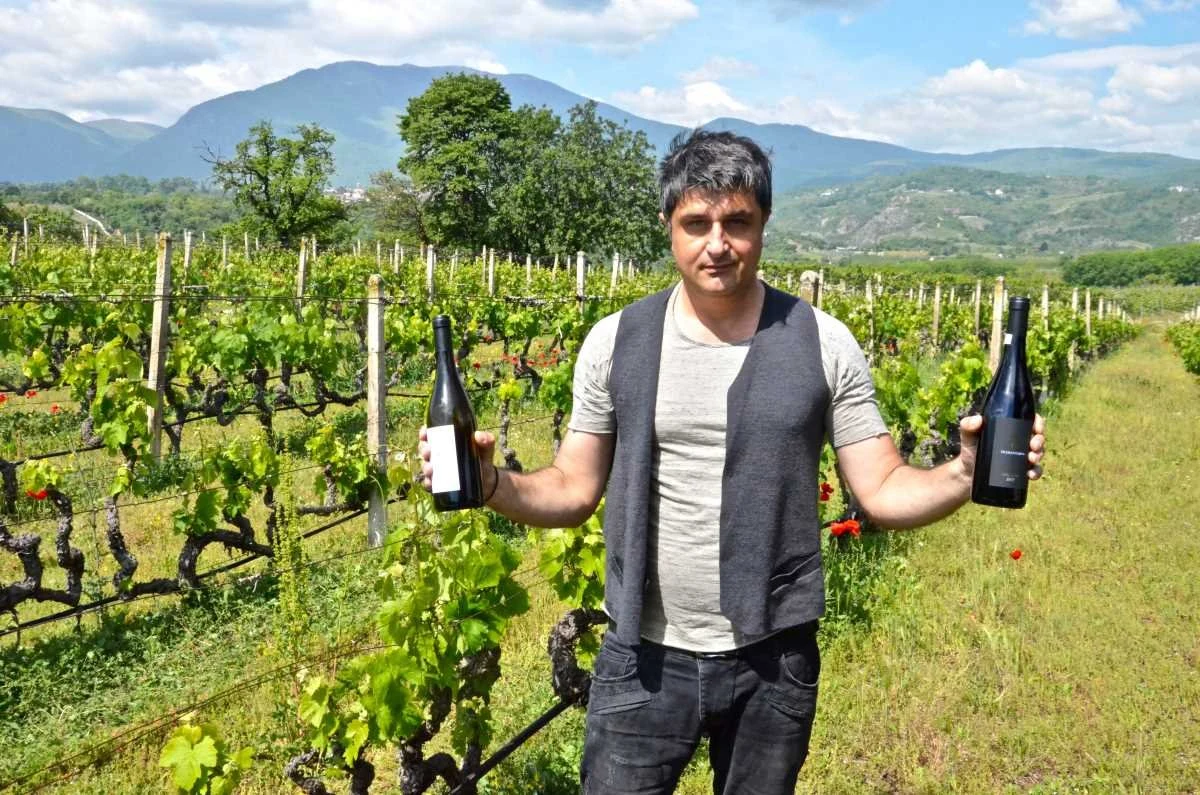
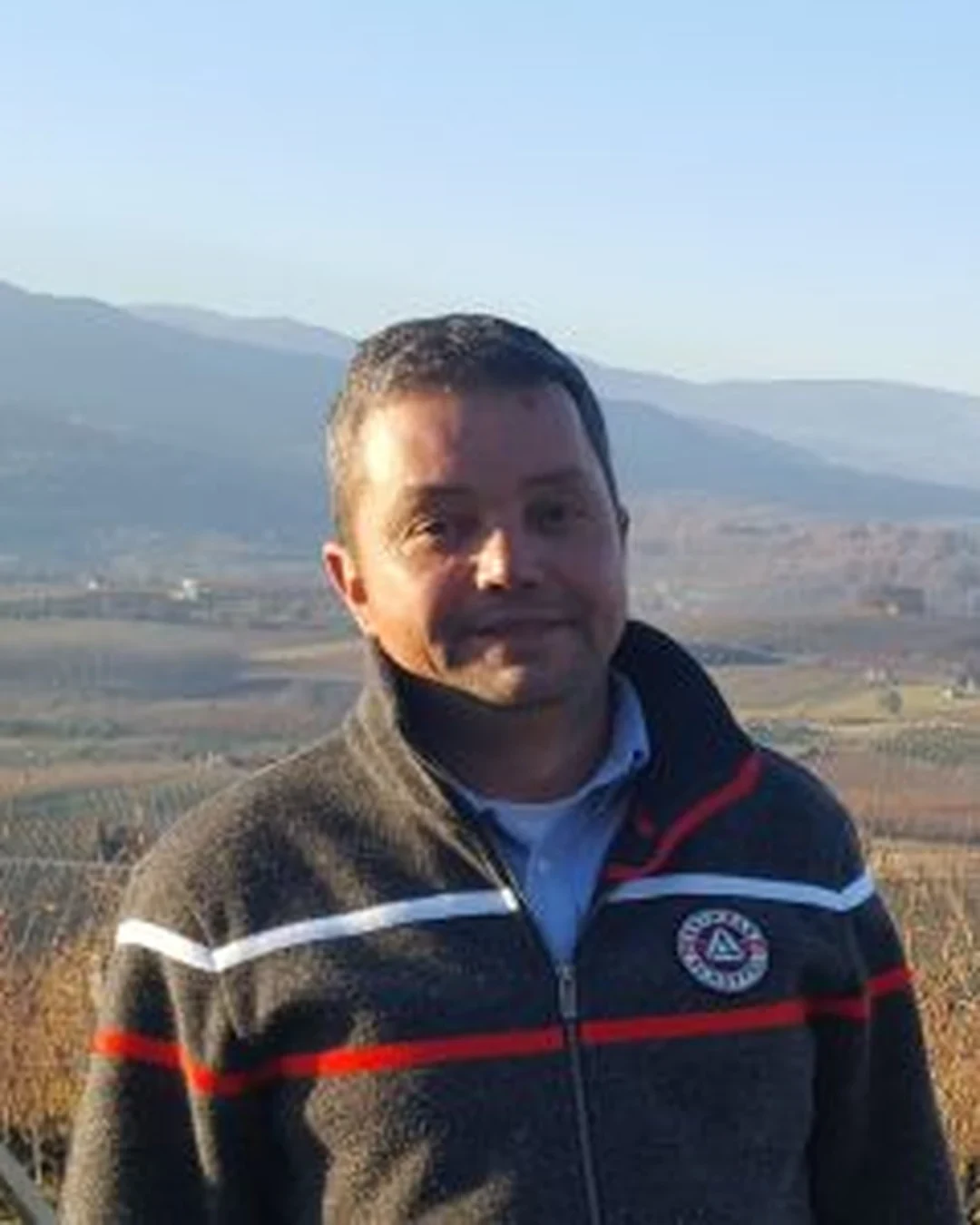
The barrels stay old, the cellar stays small, and Petros Karydas, winemaker at Domaine Karydas in Naoussa, keeps Xinomavro as the estate's only subject. His work sits inside a family frame set by Konstantinos Karydas, who founded the winery in 1994 after a life already marked by discipline; he represented Greece on the alpine ski team at the 1964 Winter Olympics before turning fully toward the vines of his native Naoussa. Petros now manages the estate with that inheritance close at hand, not as ornament but as method. The winery work remains family work, with outside hands brought in only during the fall harvest to help pick the grapes. The first vintage under the family label placed Petros at the point where lineage became bottle, giving the estate a clearer name to carry what had already been practiced on the ground. At Domaine Karydas, the role is narrow by choice. Xinomavro sets the terms, and Petros answers through patience, restraint, and the refusal to widen the range for its own sake.
Old barrels and limestone terraces
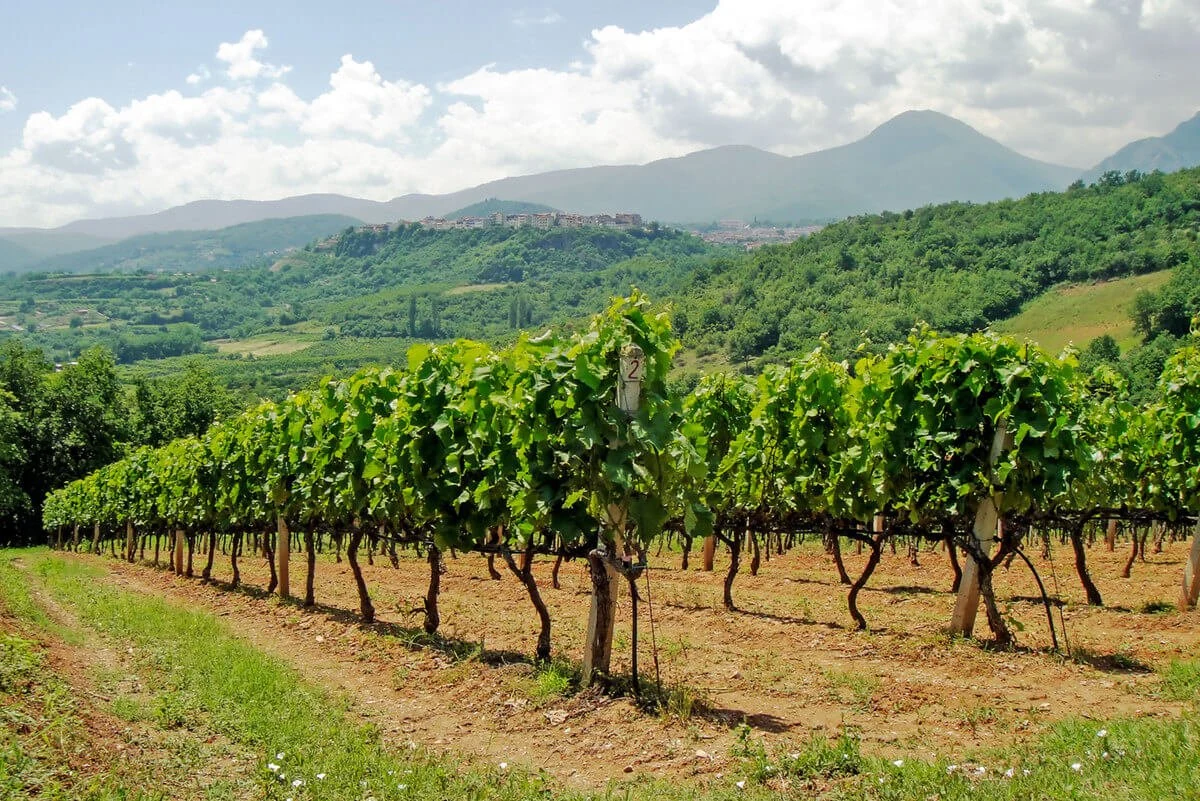
The estate works on a scale of 2.5 to 3 hectares, a size that keeps decisions close to the hands making them. Its vineyards sit in the Naoussa hills on steep, terraced ground, with limestone-rich soils and the cool northern Greek climate that gives Xinomavro its line of acidity and tannin. The family farms organically and sustainably, and the picking is by hand in late September. In the cellar, fermentation takes place in stainless-steel tanks with indigenous yeasts, keeping the method plain and the grape in view. The wine then spends a long élevage in old barrels, with no new wood used in the estate's traditional account of the work. The house produces a single wine, a Naoussa PDO Xinomavro, rather than a range built to fill categories. That singularity matters here. It means each vintage returns to the same question: how much structure, fruit, earth, tomato leaf, black olive and mountain herb can the grape carry without losing its native tension.
The family home beside the cellar
The cellar sits beside the family home, which tells the visitor more than architecture could. This is not a winery built around spectacle; it is a working estate where the room, the barrels and the bottles stay close to daily life. The tasting room, when library vintages are opened, belongs to the same register: quiet, compact, shaped by the pace of wines that need time rather than explanation. Naoussa can give Xinomavro a pale brick edge early, then ask the drinker to wait for the rest of the wine to arrive. Petros has a line for the grape, blunt and affectionate: “We call Xinomavro \"the Barolo of the poor\" but we are very proud of our products.” Pride here rests in the cellar, in the old barrels and in the decision to keep making only Domaine Karydas Xinomavro.
Questions
Frequently asked
Who makes the wine at Domaine Karydas?
Petros Karydas makes the wine at Domaine Karydas, working within the family estate founded by Konstantinos Karydas in 1994.
What is Domaine Karydas known for?
The estate makes a single wine: a Naoussa PDO Xinomavro from organically and sustainably farmed vineyards in Naoussa.
What is the production style at the winery?
Grapes are picked by hand in late September, fermented in stainless-steel tanks with indigenous yeasts, and then aged for a long period in old barrels with no new wood used.
Can visits be booked casually?
Visits are by appointment only.
The field
How it compares
| Place | Notes | Awards |
|---|---|---|
| Domaine Karydas | Naoussa, $$$ | · |
| Diamantakos Winery | Naoussa | · |
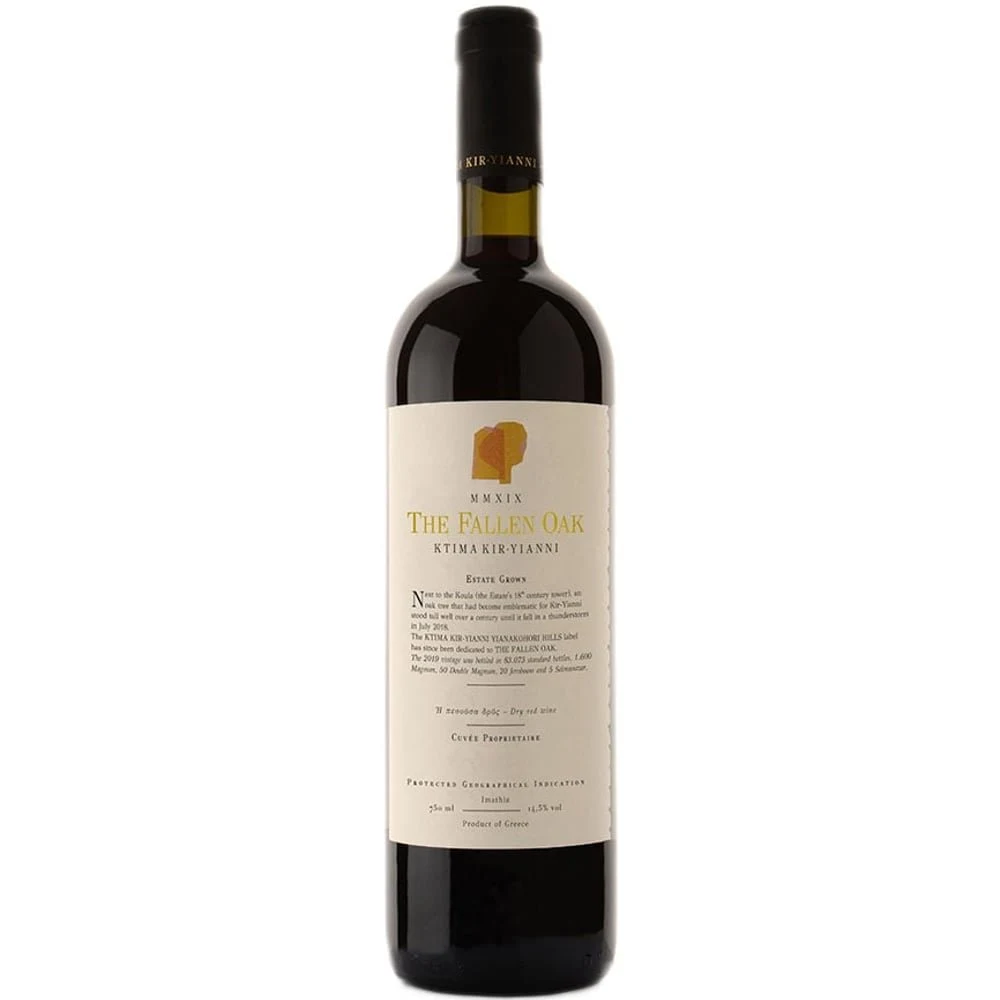
| Kir-Yianni Estate | Naoussa | World's 50 Best |
| Ktima Kir-Yianni | Naoussa | · |
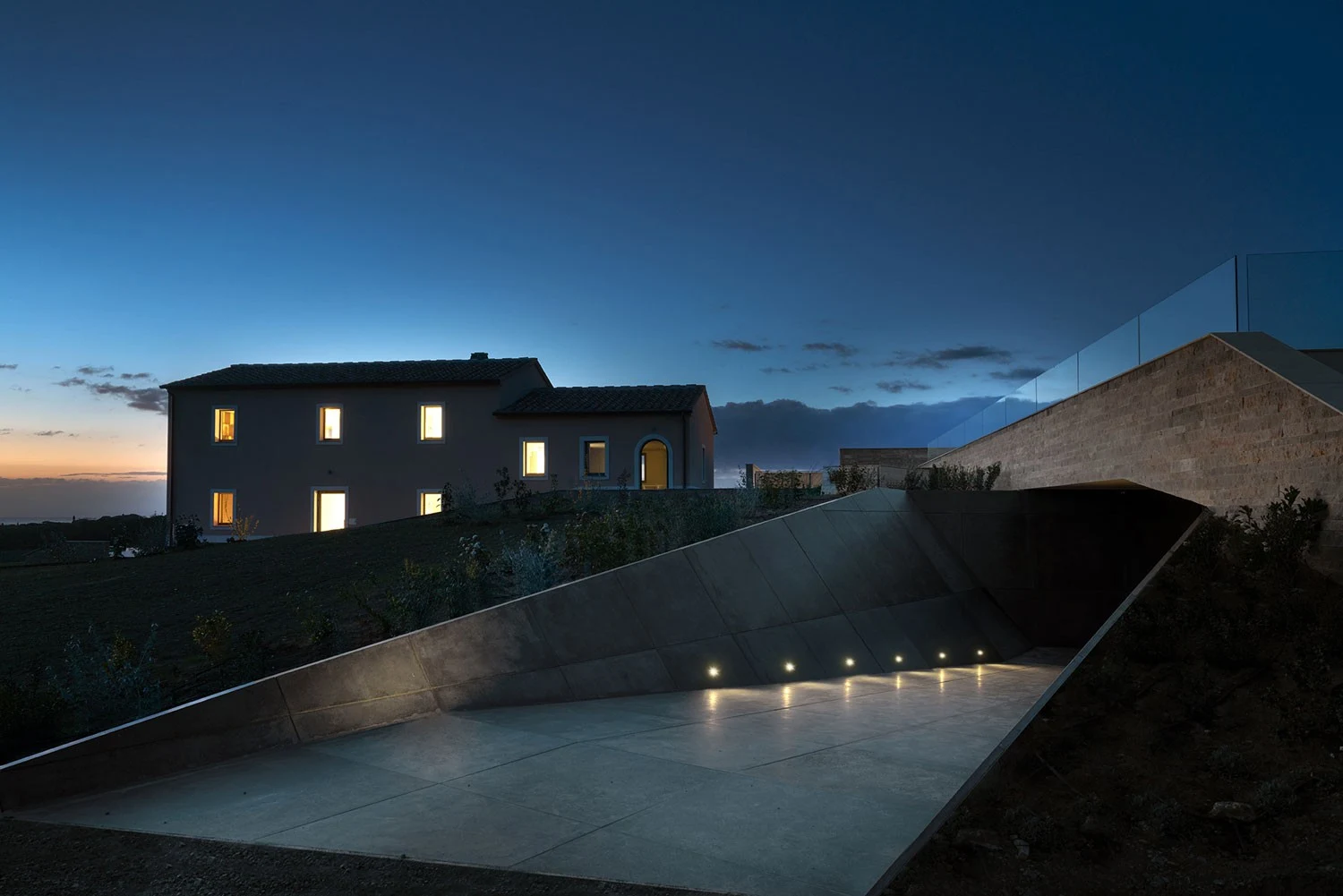
| Masseto | Castagneto Carducci | · |
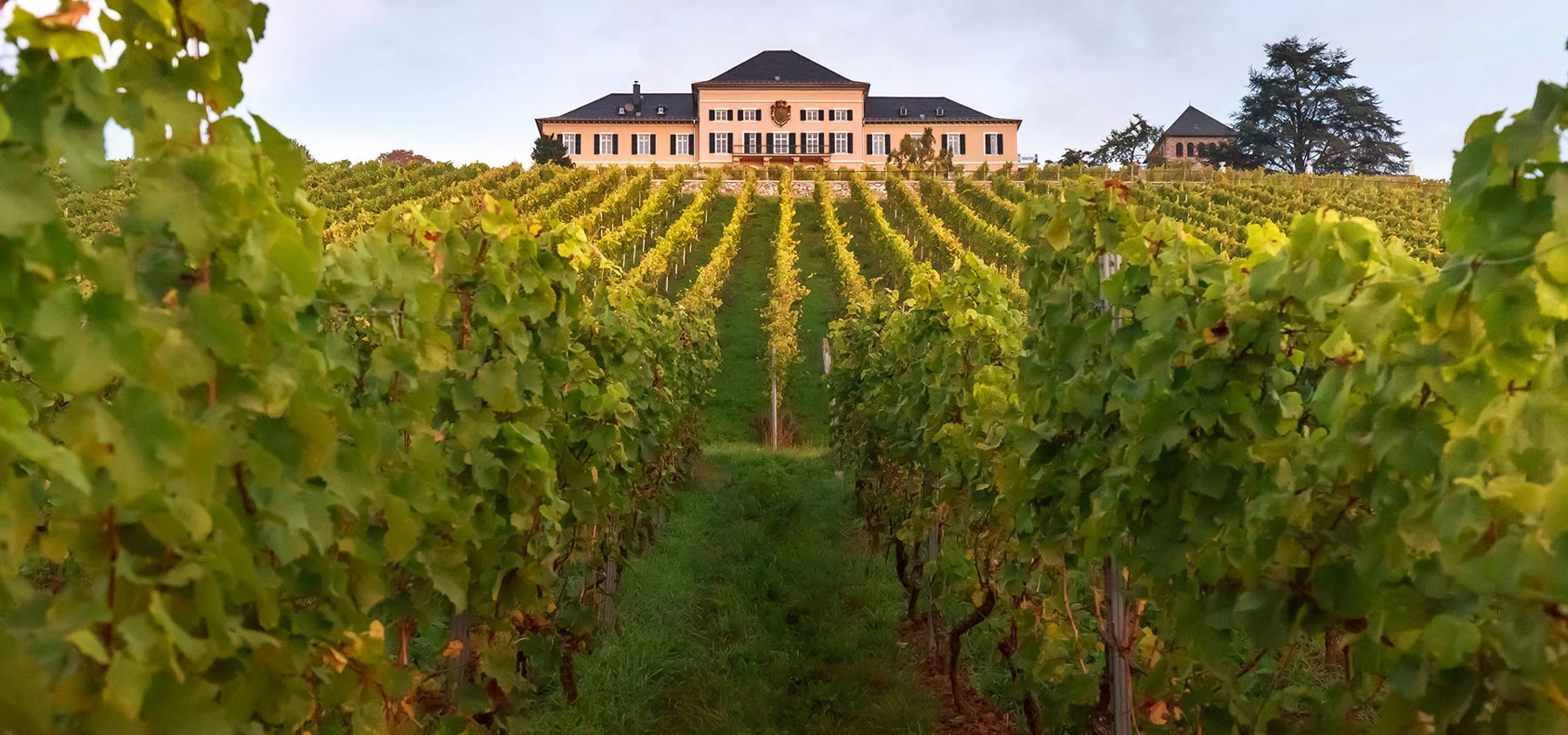
| Schloss Johannisberg | Geisenheim-Johannisberg | World's 50 Best |
| Vaeni Naoussa | Naoussa | · |