Julien Mus makes biodynamic wine at Domaine la Graveirette in Bédarrides, shaping Rhône fruit through hand harvests and quiet cellar restraint.
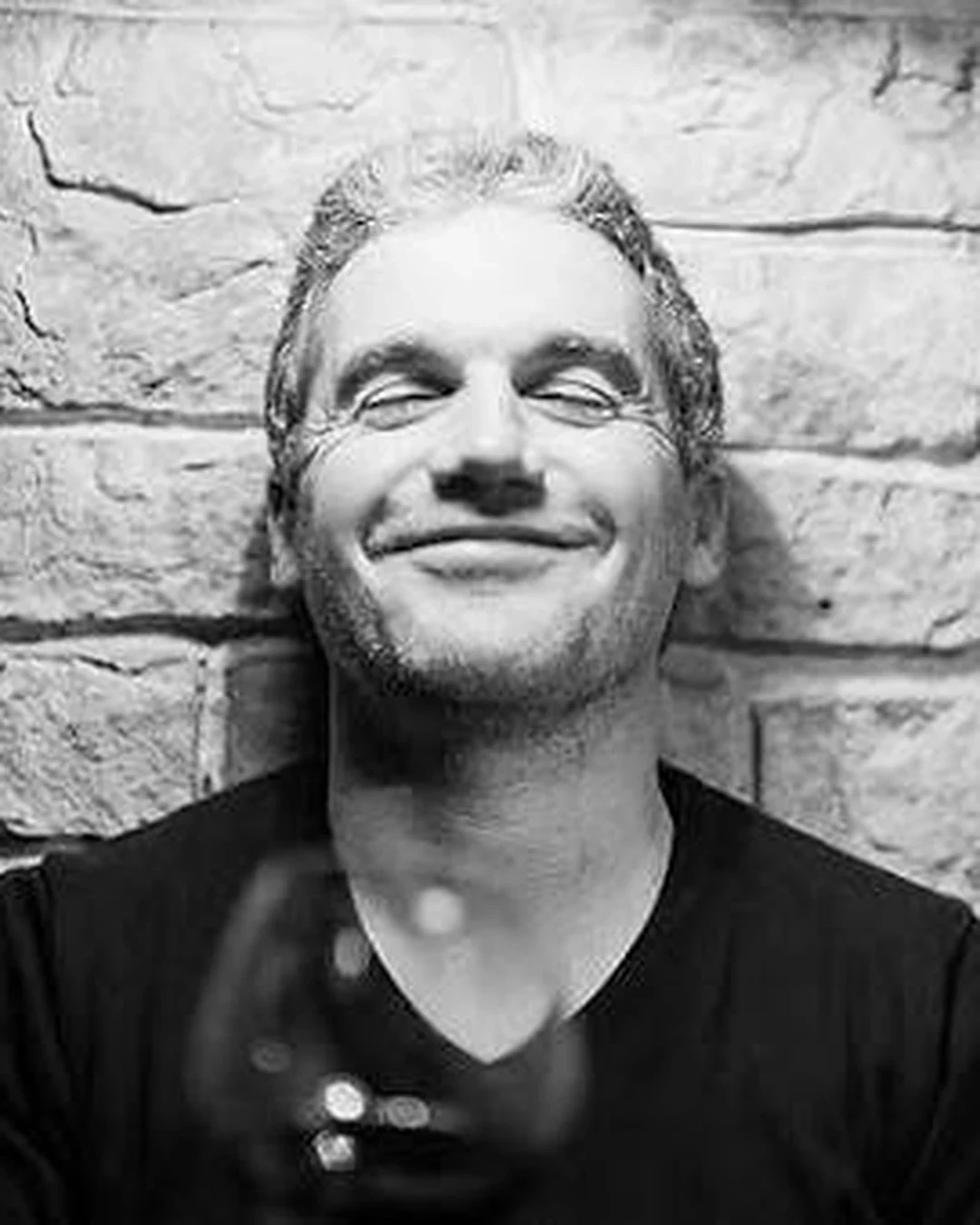
Julien Mus reads the fruit first, then decides how little it needs as winemaker at Domaine la Graveirette in Bédarrides. His bench is split between vineyard and cellar, but the habit comes from Beaune, where his viticulture studies gave him a Burgundian respect for purity, timing, and restraint. Back home in the Southern Rhône, on family ground between Orange and Avignon, he first sold his harvest to the local cooperative. The break came in 2005, when he founded the domaine and began bottling his own fruit rather than watching it disappear into a larger blend.
That decision still defines the estate. Mus works as owner and winemaker, so the broad choices and the finer ones remain close to the same pair of hands: farming, picking, fermentation, and the final shape of each cuvée. The domaine moved into organic work in 2012 and reached Demeter biodynamic certification in 2015, after three years of conversion. Biodyvin also marks 2015 in the estate’s biodynamic record. Those credentials matter here because they describe a method, not a pose. The wines are built around honest fruit, native yeasts, light extraction, and the refusal to add more than the wine can carry.
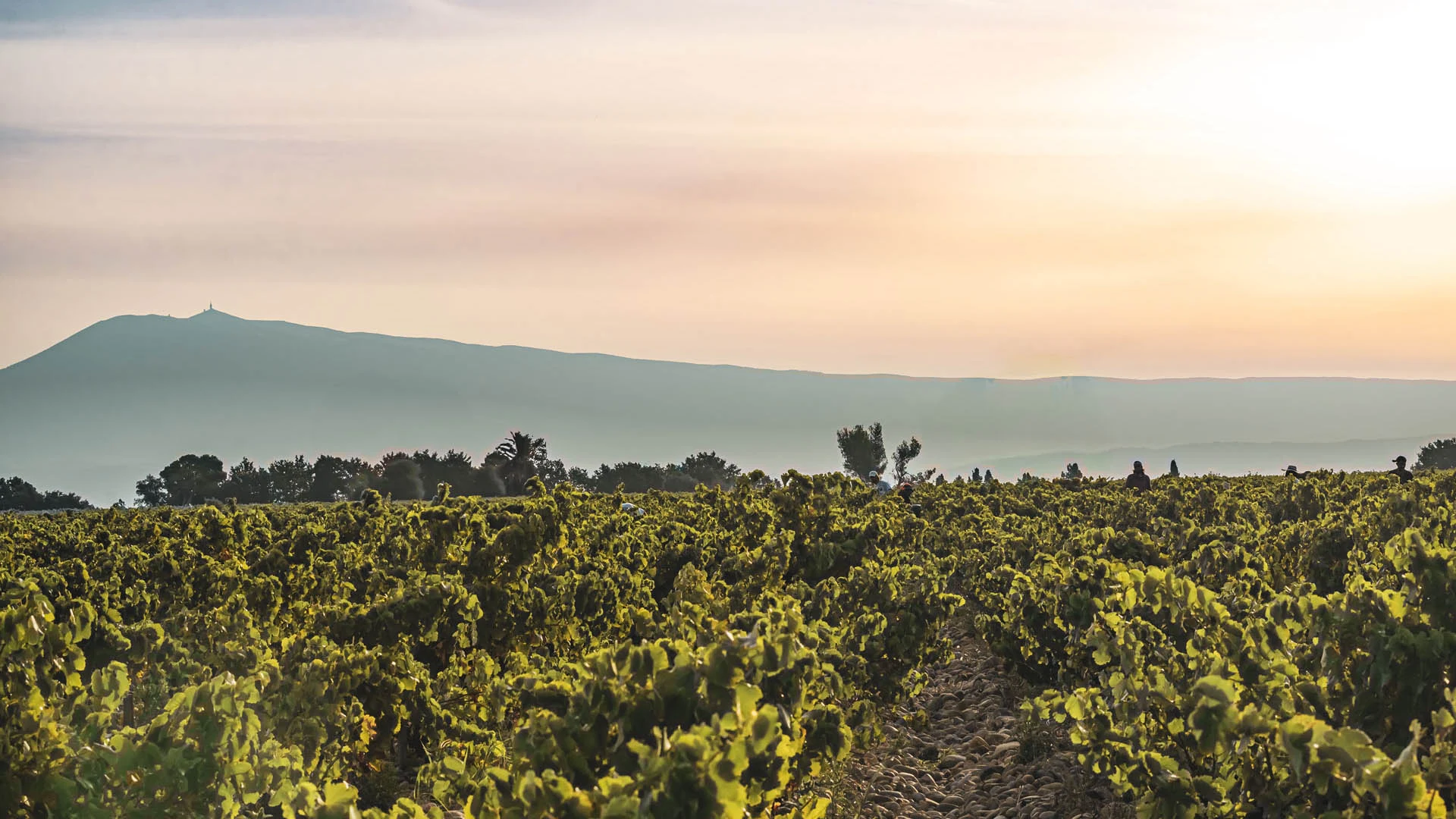
The vineyard work covers 10 hectares across Châteauneuf-du-Pape, Côtes du Rhône, IGP Vaucluse, and Vin de France ground, with vines near Courthézon and around Bédarrides. The soils include sand and the rounded galets associated with the area, a useful counterweight to the warmth of the Southern Rhône. Mus looks for refreshing acidity and complex fruit rather than weight for its own sake, and the cellar follows that line.
Grapes are harvested by hand, then fermented with native yeasts. The domaine works with stainless steel and cement vats, and does not use barrels, even for the Châteauneuf-du-Pape wines. That is a clear cellar decision. Oak would bring its own frame; Mus keeps the frame narrower, letting Grenache, Syrah, Mourvèdre, and the place itself remain more legible. Additives are avoided, sulfur is kept minimal, and extraction stays light. Cuvée Prestige 2020 and Tempo 2021 sit within that wider discipline, named wines that show how he separates expression without changing the underlying method.
The estate feels like a working domaine before it feels like a tasting address. Bédarrides is close to Châteauneuf-du-Pape, but the atmosphere is quieter, more agricultural than ceremonial. The cellar, the vineyard, and the tasting room belong to the same practical rhythm: fruit comes in by hand, vats hold their line, and the wines move without the perfume of new wood.
Outside, the Southern Rhône makes itself known through heat, stone, and distance, with Orange and Avignon marking the larger map and the Dentelles de Montmirail held in the regional view. Inside, the point is not display. It is sequence. Farming first, then picking, then native fermentation, then the restraint to stop before polish becomes interference. If there is a next movement to follow, it is already in that order of work, through Tempo 2021 and the cement vats at Domaine la Graveirette.
Bédarrides, Châteauneuf-du-Pape, Vaucluse, Frankreich