
- Falstaff Winery - Listed · 2026
Domaine les Bruyères is best understood as a quiet Rhône estate rather than a polished destination built around spectacle. The picture is deliberately simple: a family-run organic and biodynamic domaine in Beaumont Monteux, set among vineyards Crozes-Hermitage, with a working-farm feel and a utilitarian cellar. Its atmosphere is countryside, cellar-led and practical, shaped by concrete and amphora vats rather than luxury staging.
For travellers or wine drinkers trying to place it, that restraint is the point. Domaine les Bruyères is not being presented here through claims about a named founder, exact vineyard size, specific cuvées, production methods, reservation rules, tour languages or service formats. The grounded facts are narrower but still meaningful: this is an organic and biodynamic Rhône estate in Beaumont Monteux, closely tied to the Crozes-Hermitage landscape, with a buried cellar and a quiet agricultural setting.
Clay-limestone Crozes-Hermitage, read through Syrah
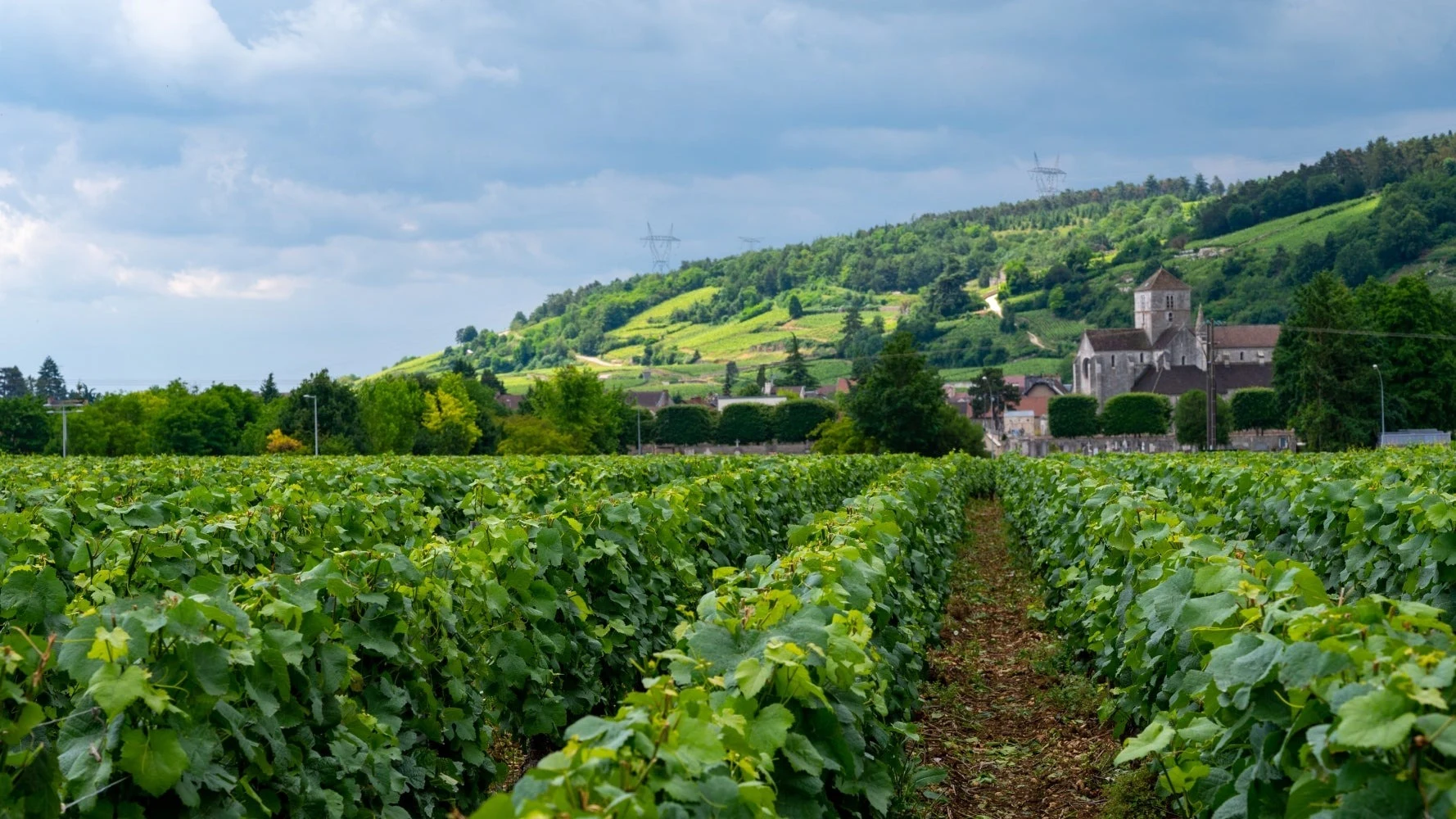
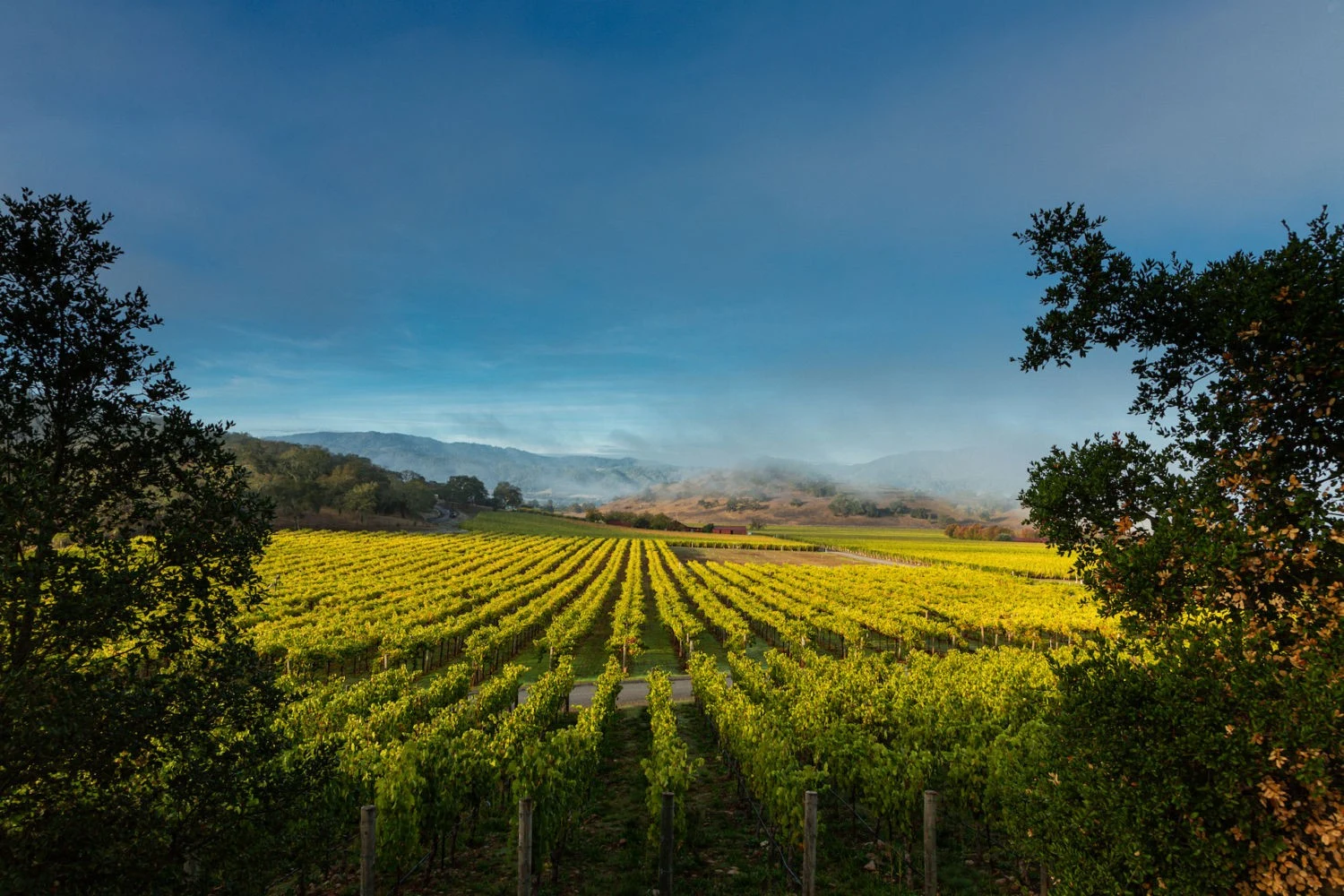
The location places Domaine les Bruyères in Beaumont Monteux, Crozes-Hermitage. That alone gives the estate a strong identity for visitors who want a rural Northern Rhône context rather than an urban tasting-room experience. The surrounding vineyards are part of the appeal, as is the sense that the place remains connected to farm work and cellar practice.
Specific technical claims about soils, parcel divisions, grape percentages, vine ages, yields or individual bottlings are not included in the available information and should not be treated as confirmed here. What can be said with confidence is that the estate’s public character is agricultural, organic and biodynamic, and that its setting is Crozes-Hermitage countryside rather than a high-gloss hospitality environment.
That makes Domaine les Bruyères useful for a certain kind of Rhône itinerary. It suits visitors who care about place, farming philosophy and cellar atmosphere more than ornate presentation. The price level is listed as $$, which supports the impression of an accessible estate visit rather than an ultra-luxury positioning, though this page does not verify individual bottle prices, tasting fees or menu-style offerings.
Concrete, amphora and a cellar built against polish
The cellar is one of the few specific elements that can be described without overreach. It is buried, utilitarian and equipped with concrete and amphora vats. Those details matter because they shape the way a visitor understands the estate: the emphasis is on working equipment, production space and the physical reality of winemaking, not on a decorative room designed primarily for performance.
It would be inaccurate to expand that into claims about exact vinification regimes, ageing schedules, named cuvées or percentages of new and old vessels. The grounded description is more modest: Domaine les Bruyères has a cellar environment defined by concrete and amphora, and that cellar sits within a quiet vineyard setting. The result is a visit profile that feels close to production and agriculture.
The organic and biodynamic identity is also verified, and it should be kept at the centre of the description. Those terms give a stronger, more reliable account of the estate than unsupported details about awards, scores, rankings, chefs, menus, lunch service or appointment policies. This is a Rhône domaine whose appeal lies in farming orientation, cellar atmosphere and its Beaumont Monteux location.
A working-farm visit for drinkers who want the Rhône without theatre
The mood at Domaine les Bruyères is casual and countryside-driven. The description points to a family-run estate with a working-farm feel, surrounded by vineyards and set in a quiet cellar context. Visitors looking for a polished hospitality complex may want to adjust expectations; the strength here is the grounded rural character of the place.
This page does not confirm opening hours, reservation requirements, parking, group sizes, tour languages, accessibility details, food service, take-out, delivery or dietary accommodations. Anyone making a special trip should confirm practical details directly before travelling.
Within Beaumont Monteux, Domaine les Bruyères stands out on the basis of its identity: organic and biodynamic farming, a Crozes-Hermitage vineyard setting, and a buried utilitarian cellar with concrete and amphora vats. Other dining or travel plans in Beaumont Monteux can be considered separately, but this venue’s role is clearest as a quiet Rhône estate experience rather than a restaurant, bar or hotel.
The critical read is simple: Domaine les Bruyères is for people who want a calm, rural encounter with Crozes-Hermitage and are comfortable with a working-estate atmosphere. Its strengths are not grand service claims or elaborate extras, but the alignment of place and feel: Beaumont Monteux, vineyards, organic and biodynamic practice, concrete and amphora in the cellar, and a restrained countryside mood.
Questions
Frequently asked
Who works at Domaine les Bruyères?
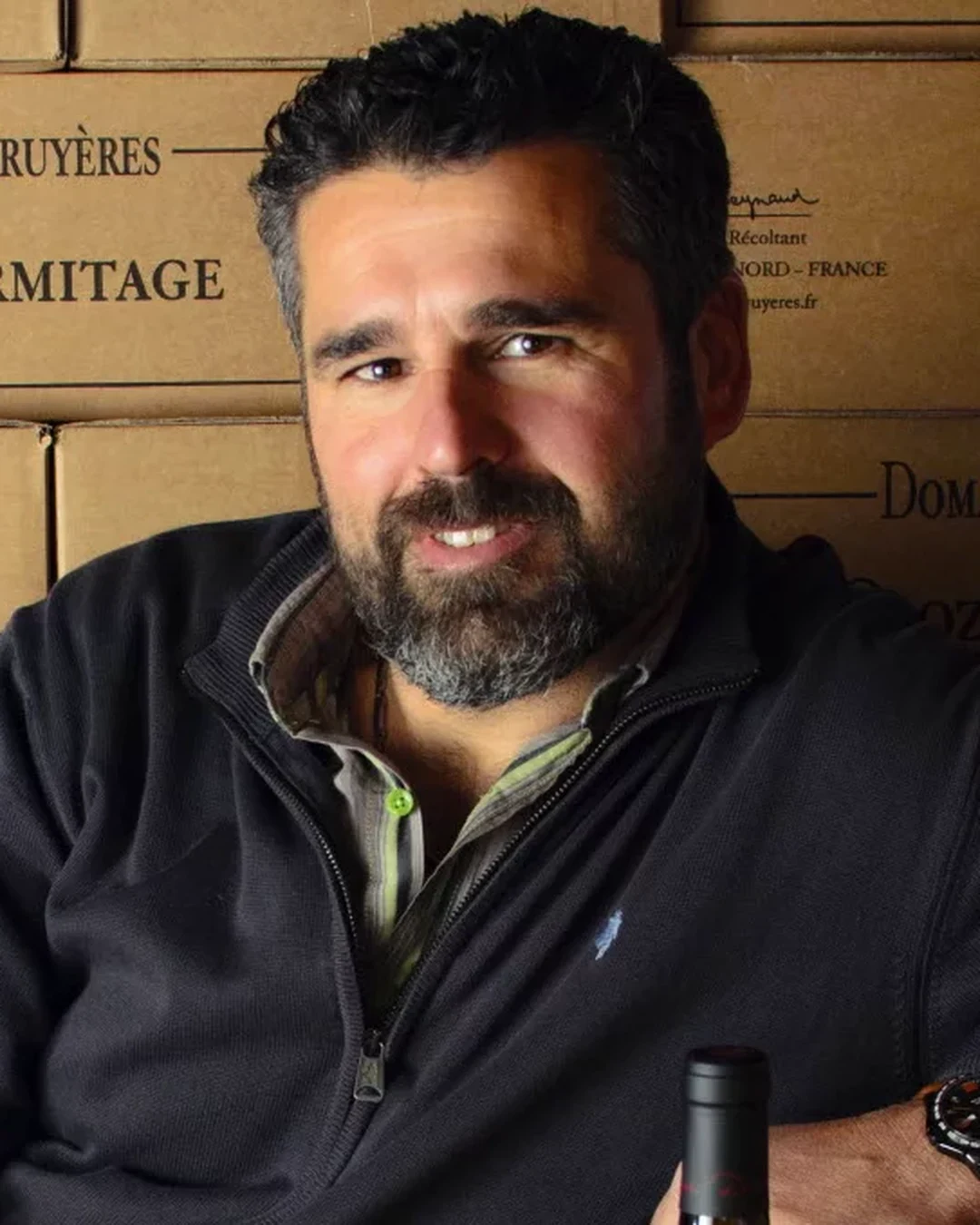
Made By profiles David Reynaud (Winemaker) at Domaine les Bruyères.
How expensive is Domaine les Bruyères?
Domaine les Bruyères is listed at a price level of $$.
The field
How it compares
| Place | Notes | Awards |
|---|---|---|
| Domaine les Bruyères | Beaumont-Monteux, $$ | · |
| Biondi-Santi Tenuta Greppo | Montalcino | · |
| Bodegas Salentein | Tunuyán | World's 50 Best |
| Domaine Armand Rousseau | Gevrey-Chambertin | · |
| Domaine Comte Georges de Vogüé | Chambolle-Musigny | · |
| Ridge Vineyards | Cupertino | World's 50 Best |
| Screaming Eagle | Napa | · |