Acidity held before oak
- Pearl 3 Star Prestige · 2025
Acidity before weight
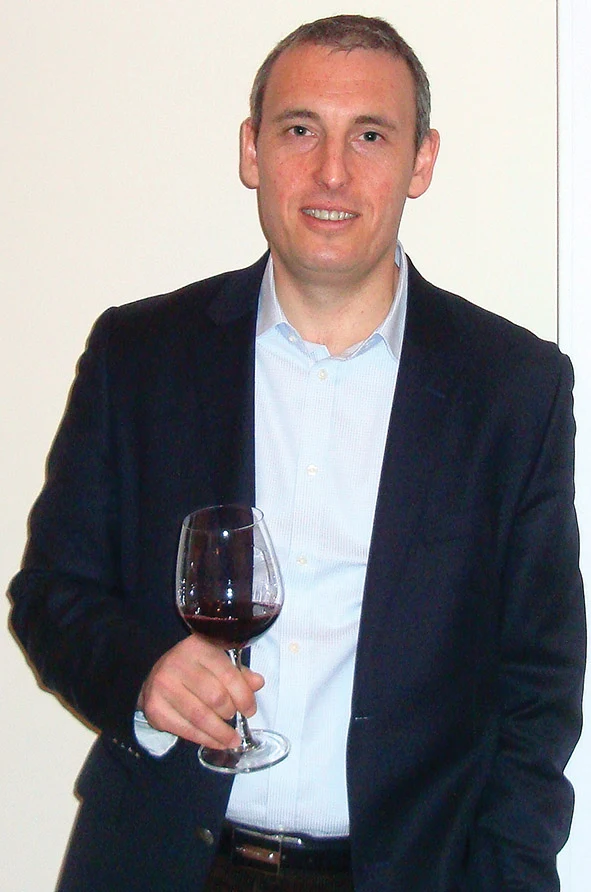
Acidity is the first control Frédéric Barnier names as winemaker at Domaine Louis Jadot in Chapelle-Voland, where the cellar work sits inside the larger discipline of Maison Louis Jadot. He describes the key in plain terms: "The key was to keep the acidity so they weren't too heavy. We saw, as they developed [in barrel], a very good balance." That sentence gives the measure of the bench. Weight comes after line; barrel comes after fruit; the hand stays light enough for the place to keep its shape.
Barnier's formation runs through agronomy and Burgundy cellar work. He studied at an Agronomic school in Montpellier, began his first winemaking experience in Burgundy in 1999, joined Maison Louis Jadot in 2010, and worked under Jacques Lardière before assuming the lead winemaking role in 2013. His own account also gives a quieter inheritance, his father's joy in wine, but the working lineage here is study, apprenticeship, and time inside a major Beaune house.
A large house with a light hand
The method attached to Barnier's work is restraint. Domaine Louis Jadot belongs to a Burgundy house founded in 1859, with a négociant reach across the Côte d'Or, Beaujolais, and the Mâconnais, yet the stated cellar aim stays narrow: the lightest possible hand, restrained oak maturation, and enough balance for terroir to come forward. That is not a small task at this scale. Pinot Noir, Chardonnay, Gamay, and Aligote ask for different decisions at the press, the vat, and the barrel, but the house style is not built on force.
In the cellar, acidity, balance, and barrel development become practical controls rather than tasting-room language. Oak is present, but held back. Fruit is not asked to carry polish it cannot bear. The still reds and still whites are made within the classic Burgundy grammar, where extraction, élevage, and freshness have to meet without one taking possession of the wine. Barnier's technical role makes that a daily discipline, not a final adjustment before bottling.
Quiet cellars and rolling vineyards
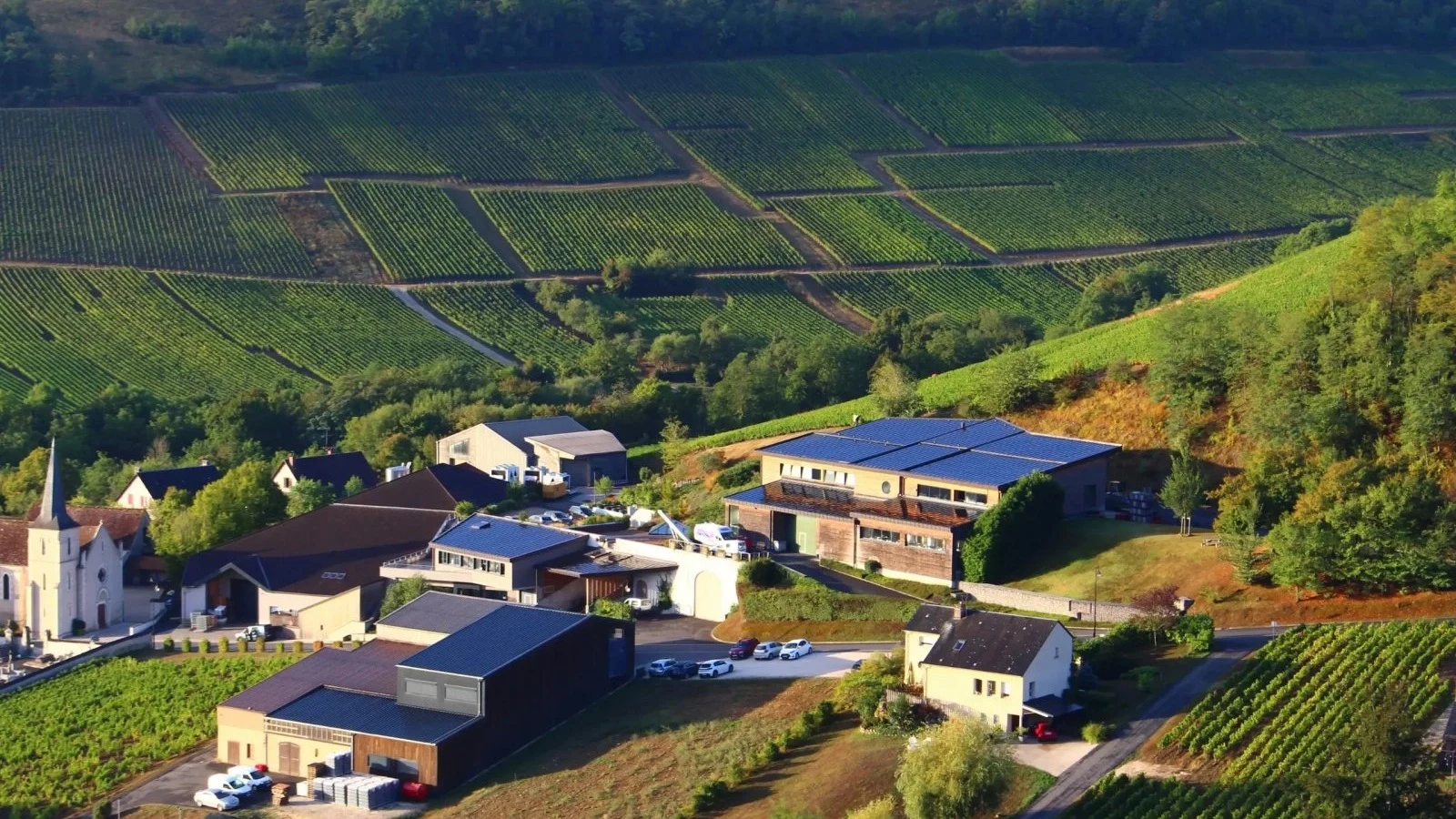
The place reads through stone, barrel, and low light. The cellars are described as traditional and balanced in their lighting, a setting made for slow work rather than display. In that quiet, the barrel rows do what Burgundy cellars often do best: reduce the room to temperature, patience, and the small decisions that accumulate inside wood. The vineyard estate sits among rolling Burgundy hills, with the tasting room and cave held in the same classic register.
There is no need to make the room louder than it is. The pass here is the cellar, the counter is the tasting bench, and the work is the movement between them. When Barnier speaks of keeping wines from becoming too heavy, the cellar gives the sentence a setting: balanced light, restrained oak, and Pinot Noir or Chardonnay waiting for its line to settle.
Questions
Frequently asked
Who makes the wines at Domaine Louis Jadot?
Frédéric Barnier is the winemaker at Domaine Louis Jadot in Chapelle-Voland, and he has led the winemaking role since 2013.
What is the cellar style here?
The cellar work is built around acidity, balance, and restrained oak, with a light hand used to keep the wines from becoming too heavy.
What kinds of grapes and wines are made at Domaine Louis Jadot?
The house works with Pinot Noir, Chardonnay, Gamay, and Aligote, making still reds and still whites within the classic Burgundy grammar.
Do visits need to be booked in advance?
Visits are by appointment only.
Is there parking on site, and what should people wear?
There is an on-site parking lot, and the dress code is smart casual.
The field
How it compares
| Place | Notes | Awards |
|---|---|---|
| Domaine Louis Jadot | Côte d'Or, $$$ | · |
| Bollinger | Aÿ | World's 50 Best |
| Château Cheval Blanc | Saint-Émilion | · |
| Château Cos d'Estournel | Saint-Estèphe | World's 50 Best |
| Clos Apalta (Casa Lapostolle) | Santa Cruz | World's 50 Best |
| Domaine Leroy | Vosne-Romanée | · |
| Edmond Vatan | Vatan | · |