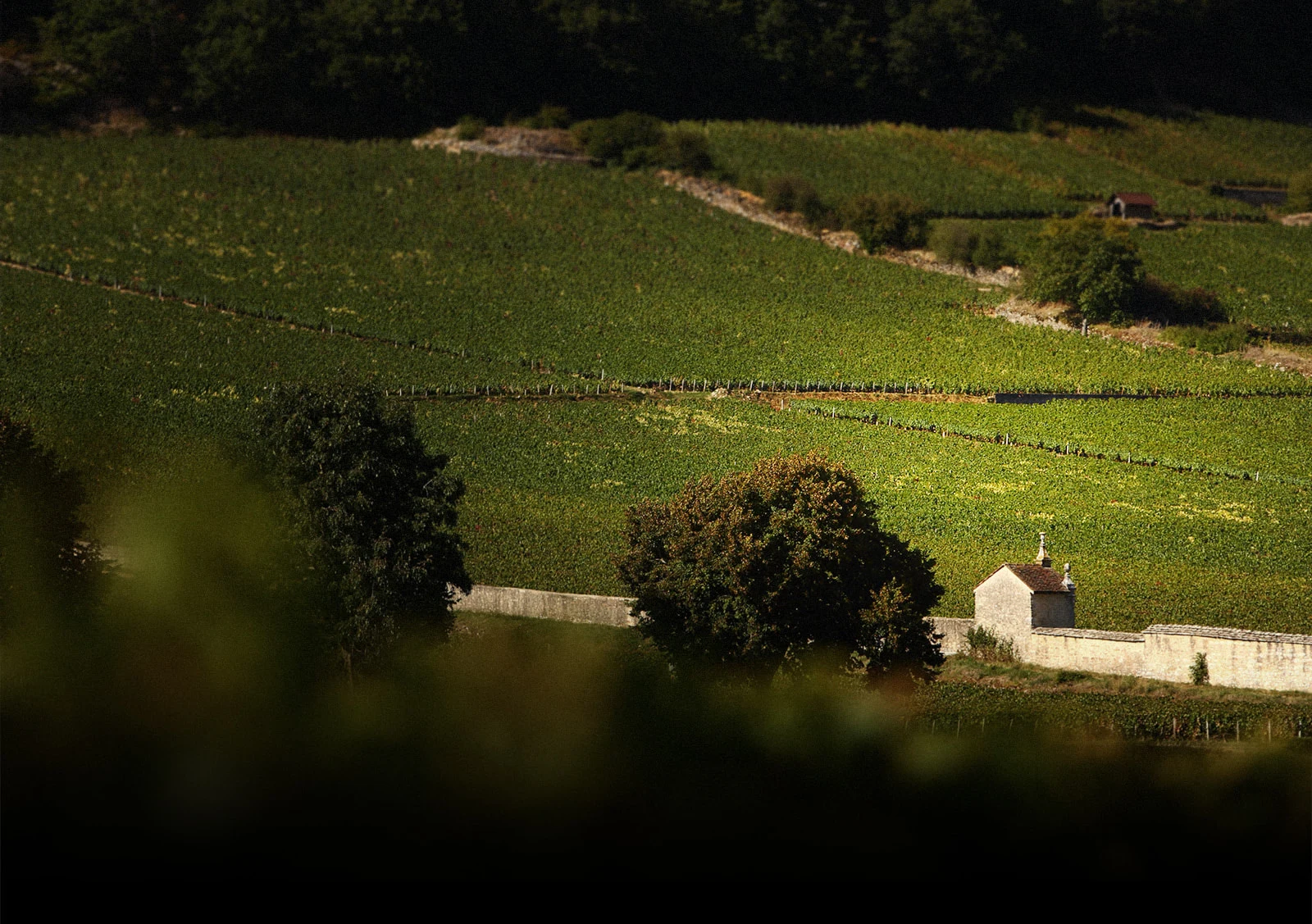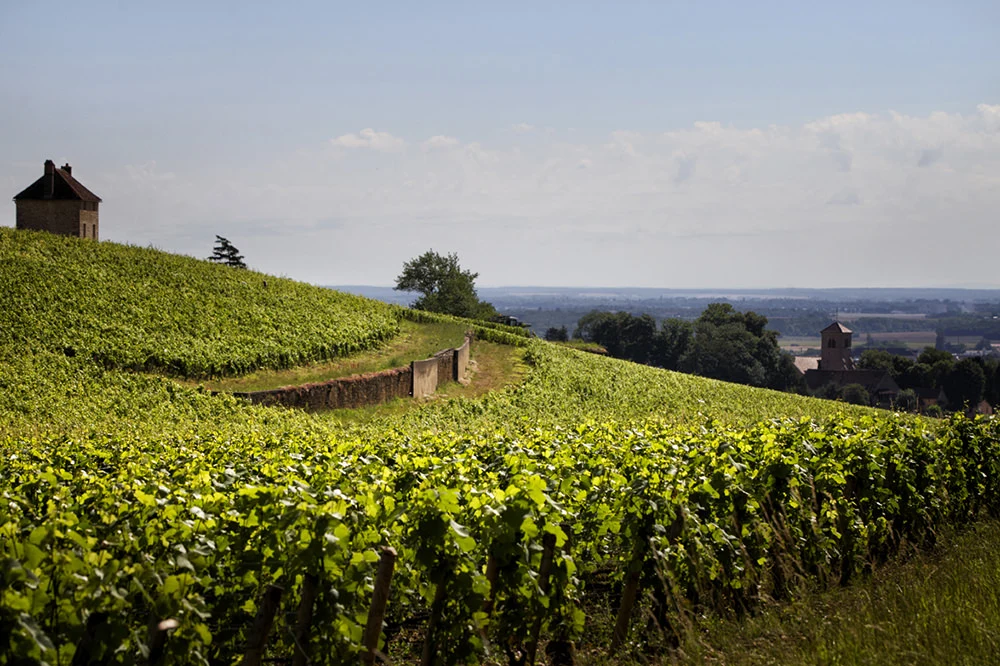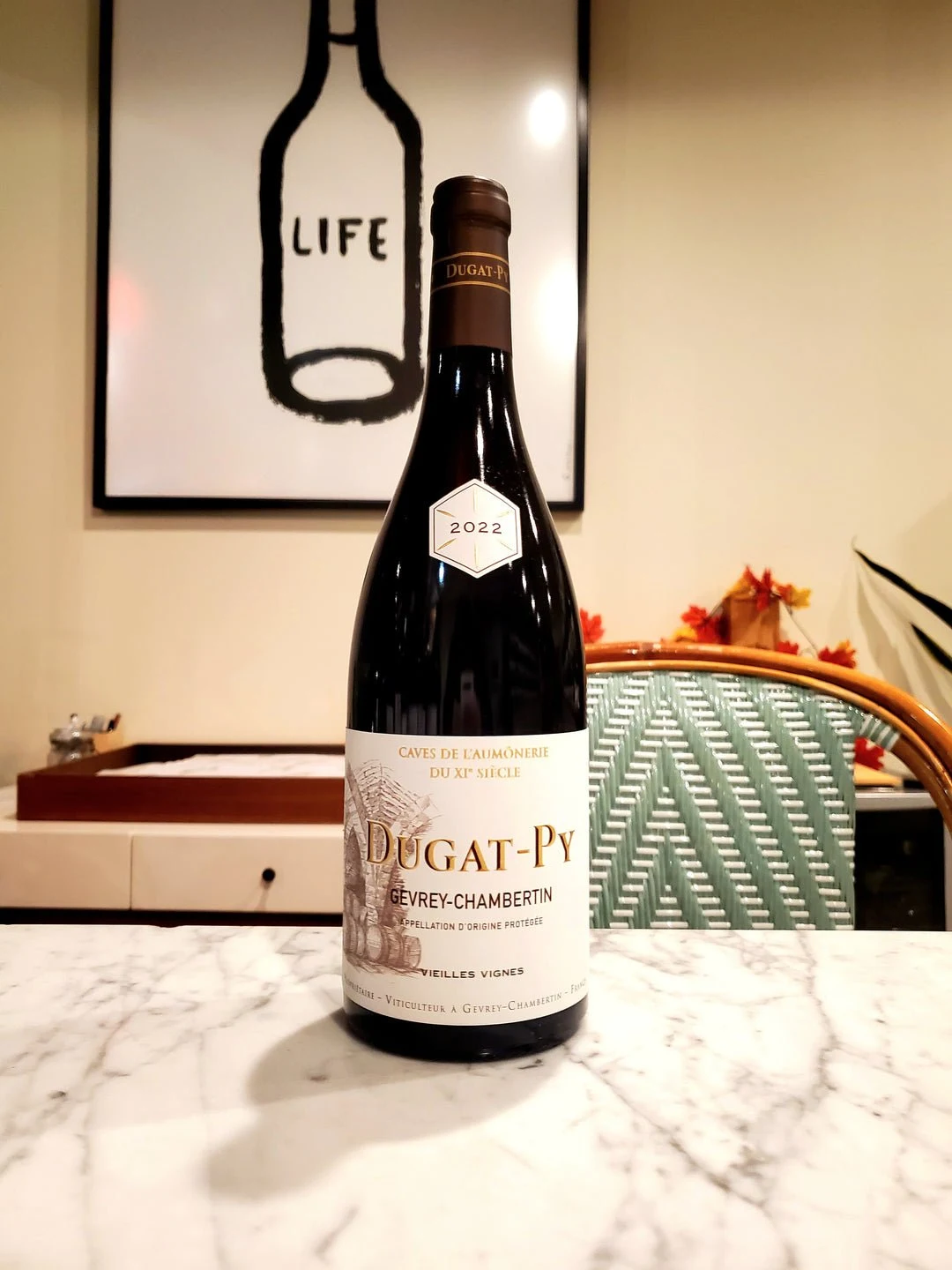
Domaine Pierre Damoy is one of Gevrey-Chambertin's most historically significant wine estates, holding one of the largest single-owner parcels in Chambertin Grand Cru. Awarded Pearl 2 Star Prestige by EP Club in 2025, the domaine sits at the upper tier of Gevrey's tightly stratified producer hierarchy, alongside peers such as Domaine Dugat-Py and Domaine Armand Rousseau.
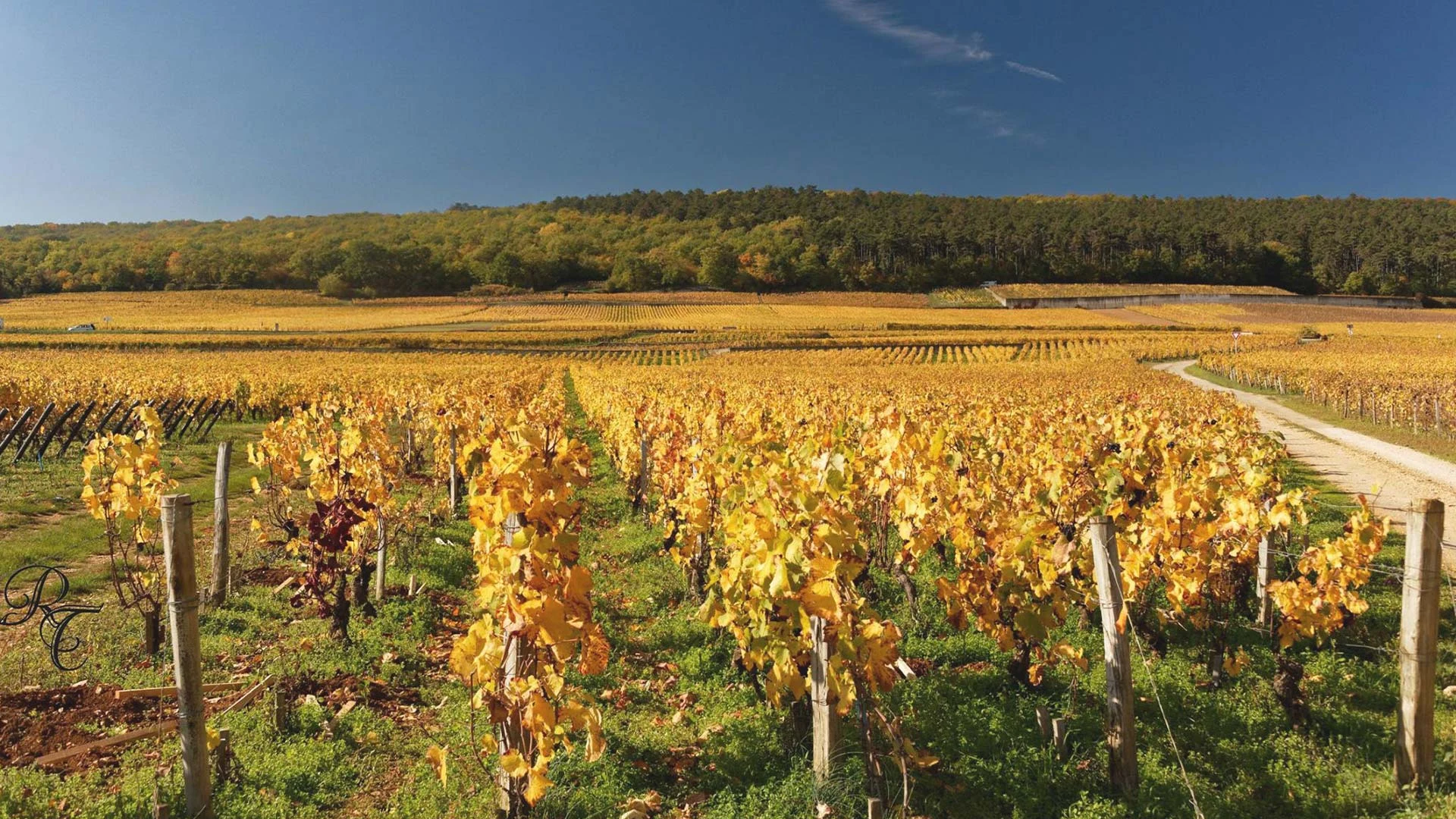
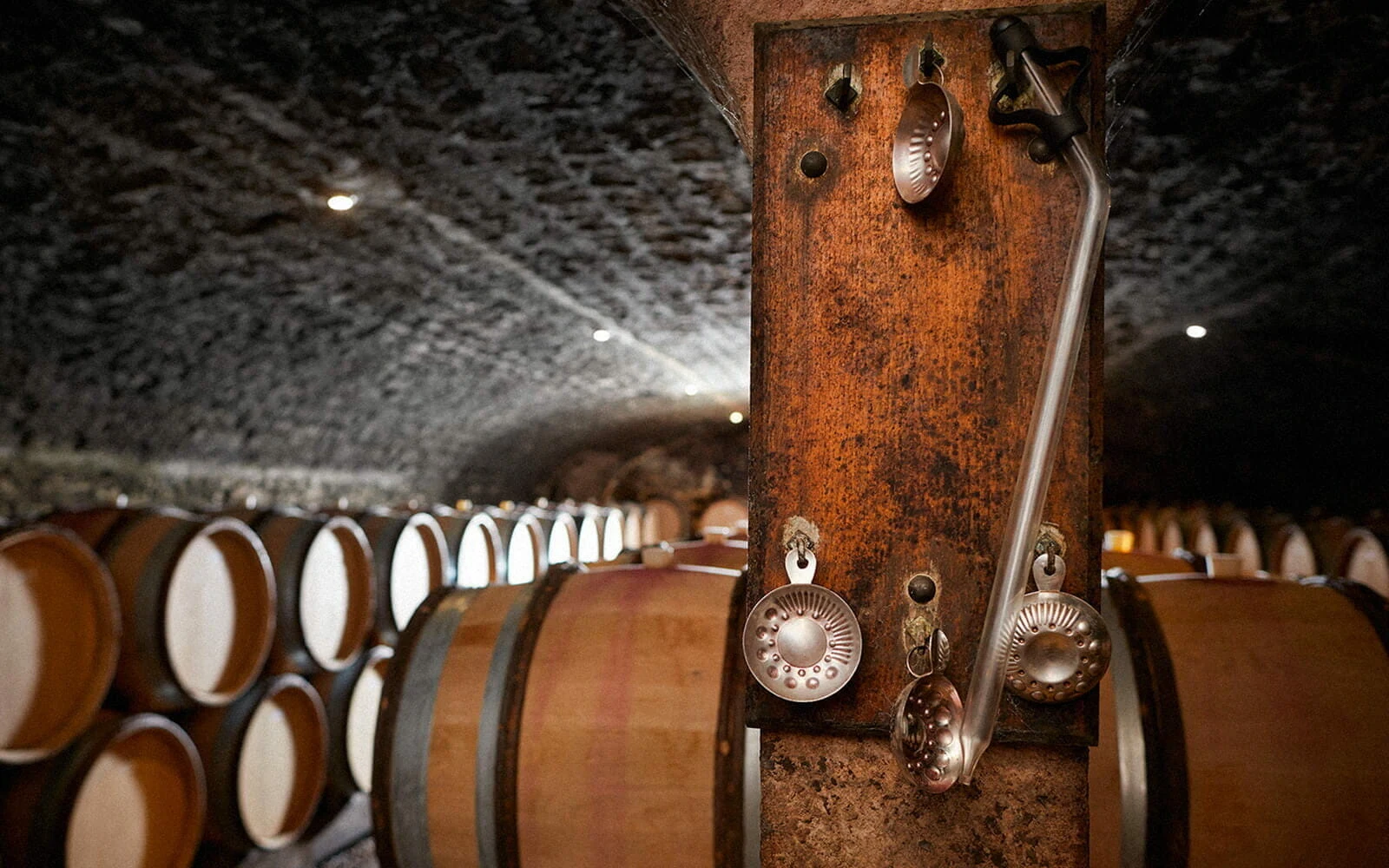
<h2>Gevrey-Chambertin and the Weight of Grand Cru Ownership</h2><p>Domaine Pierre Damoy is a winery in Gevrey-Chambertin at 11 Rue Mal de Lattre de Tassigny, 21220 Gevrey-Chambertin. The village produces more Grand Cru appellations than any other commune in Burgundy: nine in total, anchored by Chambertin and Chambertin-Clos-de-Bèze. Within that framework, the question of who owns what, and how much, has always carried outsized significance. Parcel ownership in these appellations is fractured to a degree that makes even experienced négociants pause. Which is precisely why the scale of Domaine Pierre Damoy's holdings commands attention.</p><p>Domaine Pierre Damoy, located at 11 Rue Mal de Lattre de Tassigny in Gevrey-Chambertin, holds one of the largest single-owner shares of Chambertin-Clos-de-Bèze of any private estate on the Côte. In a Grand Cru where the total vineyard surface measures just under 15 hectares and ownership is split among dozens of parties, controlling a meaningful contiguous parcel is not a minor logistical fact, it is a statement about the domaine's position in Burgundy's long-form land economy. The appellation has been documented since the 12th century, when Cistercian monks at the Abbey of Bèze cultivated these slopes. Estates with documented historical continuity in such parcels occupy a different category than newer entrants, regardless of winemaking approach.</p><h2>Where Damoy Sits in the Gevrey Producer Hierarchy</h2><p>Gevrey-Chambertin's leading producers are not a monolith. The village's elite tier divides roughly into two camps: those known for concentration and extraction, and those working toward precision and restraint. <a href="https://www.enprimeurclub.com/wineries/domaine-dugat-py-gevrey-chambertin-winery">Domaine Dugat-Py</a> and <a href="https://www.enprimeurclub.com/wineries/domaine-joseph-roty-gevrey-chambertin-winery">Domaine Joseph Roty</a> have long been associated with the richer, more structured end of that spectrum. <a href="https://www.enprimeurclub.com/wineries/domaine-drouhin-laroze-gevrey-chambertin-winery">Domaine Drouhin-Laroze</a>, <a href="https://www.enprimeurclub.com/wineries/domaine-duroche-gevrey-chambertin-winery">Domaine Duroché</a>, and <a href="https://www.enprimeurclub.com/wineries/domaine-henri-rebourseau-gevrey-chambertin-winery">Domaine Henri Rebourseau</a> each represent slightly different registers of Grand Cru and Premier Cru expression across the appellation's varied terroir. Domaine Pierre Damoy's EP Club recognition as a Pearl 2 Star Prestige producer in 2025 places it unambiguously within the upper bracket of Gevrey's competitive set, the same tier occupied by estates whose wines reach the secondary market and whose allocations are tracked by importers across multiple continents.</p><p>That recognition matters in context. EP Club's Pearl designations are calibrated against peers within a category and geography, not applied as a flat standard across all wine regions. A Pearl 2 Star Prestige designation in Gevrey-Chambertin means something different than the equivalent in a less scrutinised appellation, because the density of high-performing estates in this one village is higher than almost anywhere else in France. Holding that position within this peer group, where the comparison set includes Domaine Armand Rousseau and Domaine Denis Mortet, reflects a consistent standard of production.</p><h2>Chambertin-Clos-de-Bèze: The Appellation Behind the Name</h2><p>To understand what Domaine Pierre Damoy offers, it helps to understand what Chambertin-Clos-de-Bèze itself represents within France's wine classification system. Unlike Chambertin, which allows only the single appellation name on the label, Clos-de-Bèze producers may legally label their wine as either Chambertin-Clos-de-Bèze or simply Chambertin, a distinction that dates to the historical precedence of the Clos-de-Bèze monastery plot. In practice, most serious producers use the full appellation name, partly as a point of differentiation and partly as a marker of historical accuracy.</p><p>The appellation sits on a gentle mid-slope gradient with limestone-rich soils and a southeastern exposure that moderates heat accumulation through the afternoon. These conditions produce wines that, at their peak, combine aromatic complexity with structural depth in a way that holds through long cellaring. Burgundy's Grand Crus are generally not bottled for immediate consumption at the highest level; Chambertin-Clos-de-Bèze in a strong vintage typically needs a decade before it begins to express the full range of what the terroir delivers. This is a category for patient collectors, not casual buyers.</p><p>Beyond Gevrey's borders, the broader French fine wine and spirits world offers useful comparisons for the kind of patient, terroir-anchored production that defines this tier. <a href="https://www.enprimeurclub.com/wineries/chateau-belair-monange-saint-emilion-winery">Château Bélair-Monange in Saint-Emilion</a> and <a href="https://www.enprimeurclub.com/wineries/chateau-branaire-ducru-st-julien">Château Branaire Ducru in St-Julien</a> represent different appellations but a similar philosophy: estate identity built around a specific classified terroir, with production decisions shaped by the land rather than market trends. <a href="https://www.enprimeurclub.com/wineries/chartreuse-voiron-winery">Chartreuse in Voiron</a> and <a href="https://www.enprimeurclub.com/wineries/albert-boxler-niedermorschwihr-winery">Albert Boxler in Niedermorschwihr</a> extend the picture further, French producers whose reputations rest on a combination of historical continuity and disciplined craft rather than on volume or marketing reach.</p><h2>Gevrey-Chambertin as a Wine Destination</h2><p>The village of Gevrey-Chambertin sits approximately 12 kilometres south of Dijon along the Route des Grands Crus, the road that traces the eastern edge of the Côte de Nuits. The village itself is compact: a Romanesque church, a 10th-century château used for cellar storage by several local estates, and a main street lined with producer addresses that read like a shortlist of Burgundy's most sought-after names. For wine-focused travellers, the concentration of Grand Cru addresses within walking distance of each other has no equivalent outside of this specific strip of limestone hillside.</p><p>Getting to Gevrey-Chambertin typically means flying into Lyon or Paris, with Dijon accessible by TGV from both cities in under two hours from Paris. From Dijon, the village is a short drive or, for those without a car, accessible by the regional bus network along the Côte de Nuits route. Most domaine visits require advance appointment, particularly at the prestige tier.</p><p>For those building a wider itinerary through classified estates, the Bordeaux appellations provide an instructive counterpoint to Burgundy's model. <a href="https://www.enprimeurclub.com/wineries/chateau-batailley-pauillac-winery">Château Batailley in Pauillac</a>, <a href="https://www.enprimeurclub.com/wineries/chateau-boyd-cantenac-cantenac-winery">Château Boyd-Cantenac in Cantenac</a>, and <a href="https://www.enprimeurclub.com/wineries/chateau-bastor-lamontagne">Château Bastor-Lamontagne in Preignac</a> each represent the Médoc and Sauternes classified systems, where estate identity is similarly tied to a specific parcel and a classification with historical weight. <a href="https://www.enprimeurclub.com/wineries/accendo-cellars">Accendo Cellars in St. Helena</a> and <a href="https://www.enprimeurclub.com/wineries/aberlour-aberlour-winery">Aberlour in Aberlour</a> extend the comparison into Napa Cabernet and Speyside Scotch, categories that share the premium allocation dynamic and the collector-oriented purchase model that defines the Damoy tier.</p><h2>Who Books, and What to Expect</h2><p>Domaine Pierre Damoy is best visited by appointment. At the prestige tier within Gevrey-Chambertin, production volumes for individual Grand Cru parcels are inherently limited by appellation size. Chambertin-Clos-de-Bèze yields a finite number of cases across all producers combined; for any one estate with a significant parcel share, that means a mailing list or importer-mediated release structure rather than open retail availability in most markets.</p><p>Visitors to the domaine should plan contact well in advance and expect the format typical of top-tier Côte de Nuits estates: a cellar visit rather than a tasting room experience, with the stone-walled cave setting providing the kind of physical encounter with barrel-aged wine that no retail tasting can approximate. The address, 11 Rue Mal de Lattre de Tassigny, places the estate within the village centre, a short distance from the château and the main concentration of producer addresses.</p>
Domaine Pierre Damoy is located at 11 Rue Mal de Lattre de Tassigny, 21220 Gevrey-Chambertin, Gevrey-Chambertin.
Domaine Pierre Damoy has received recognition including: Pearl 2 Star Prestige (2025).
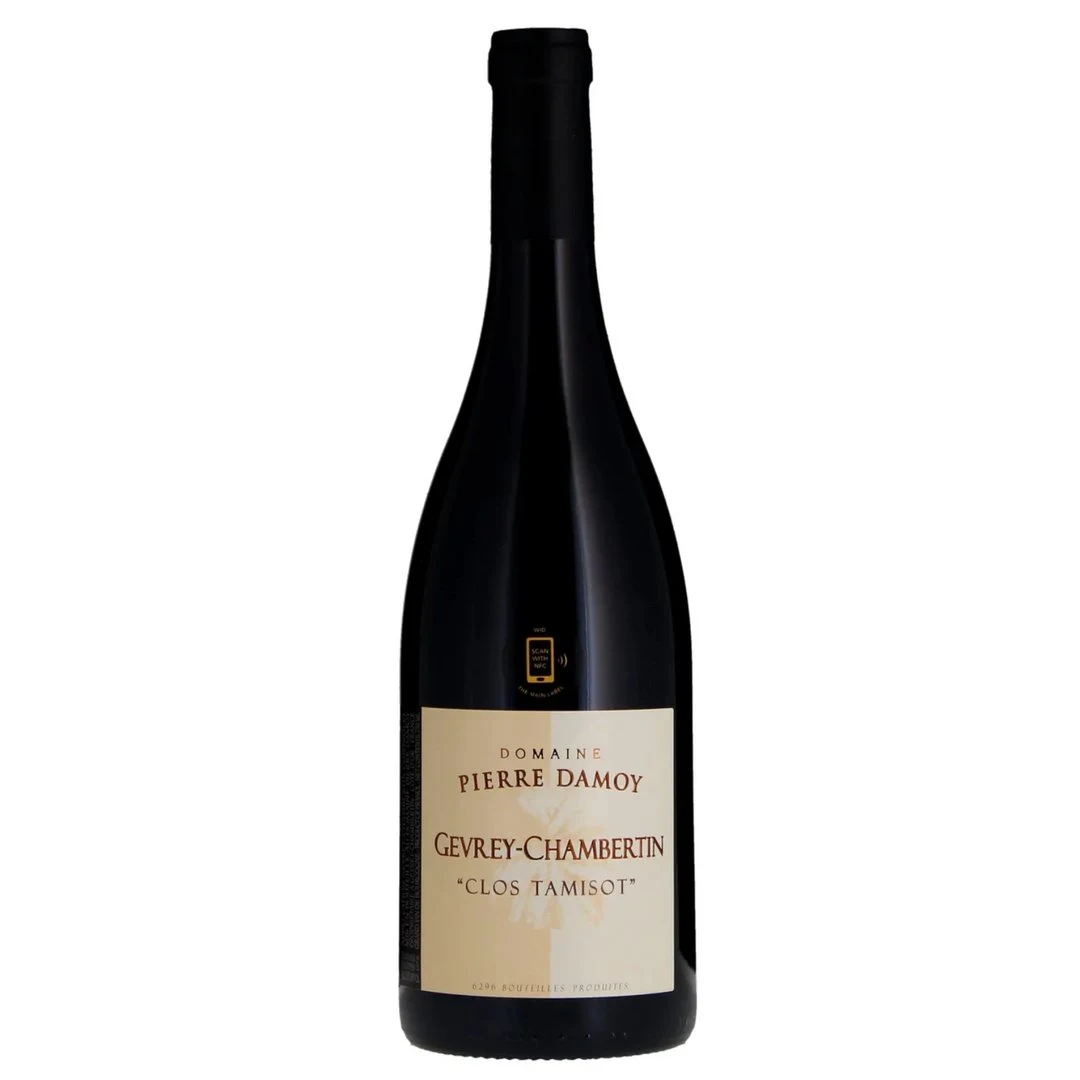
Domaine Pierre Damoy is primarily associated with Chambertin-Clos-de-Bèze, one of Gevrey-Chambertin's nine grands crus and among Burgundy's most scrutinised appellations. The domaine holds a significant parcel in Clos-de-Bèze, which underpins its position in the prestige tier of Côte de Nuits producers. Village and premier cru Gevrey-Chambertin bottlings round out the range.
The draw is direct access to grand cru Gevrey-Chambertin from a producer recognised with the Pearl 2 Star Prestige award in 2025. Damoy's holdings in Chambertin-Clos-de-Bèze place it in a narrow group of domaines with meaningful land in that specific climat. For collectors focused on the Côte de Nuits, that parcel ownership is the core credential.
Domaine Pierre Damoy operates in the allocation-dependent segment of the Burgundy market, meaning access typically runs through established négociants, specialist wine merchants, or direct domaine contact at 11 Rue Mal de Lattre de Tassigny, 21220 Gevrey-Chambertin. Tastings and cellar visits at Côte de Nuits producers of this tier are generally arranged in advance rather than walk-in. Reaching out via a trusted importer is the most reliable route for new buyers.
The Pearl 2 Star Prestige designation, awarded in 2025, places Domaine Pierre Damoy in EP Club's upper recognition tier for Gevrey-Chambertin. Within the village, the top producer bracket is defined by grand cru landholding and stylistic consistency across vintages, both areas where the domaine's Chambertin-Clos-de-Bèze parcels carry particular weight. This rating signals the domaine as a reference-level address for the appellation rather than a peripheral one.
Collectors and serious Burgundy buyers focused on grand cru Gevrey-Chambertin, particularly those seeking Chambertin-Clos-de-Bèze from a Pearl 2 Star Prestige-rated producer. The domaine's allocation model suits buyers already embedded in the Burgundy trade rather than casual visitors browsing the Route des Grands Crus. Those new to the appellation will find Damoy a useful reference point for understanding Clos-de-Bèze's position within the Gevrey hierarchy.
11 Rue Mal de Lattre de Tassigny, 21220 Gevrey-Chambertin
Gevrey-Chambertin