- Falstaff Winery - Listed · 2026
Approaching wine in Coursan can mean looking beyond polished wine-tourism spectacle and focusing instead on a working-vineyard setting. Domaine Ricardelle De Lautrec fits that grounded register: a family-run Languedoc estate with a rural feel, where the visit is framed around biodynamic farming and tasting a broad range of organic, low-sulfite wines. The emphasis is less on performance and more on the way a domaine communicates its priorities through the land, the cellar-facing conversation, and the wines in the glass.
The appeal is not elaborate architectural staging or a grand hospitality production. It is the chance to encounter a down-to-earth estate whose identity is tied to farming practice, the range of Coursan, and wines presented through an organic and low-sulfite lens. For visitors who prefer wine tourism with fewer layers of polish, that simplicity is not a limitation; it is the point of the stop.
A working Languedoc estate with range
Domaine Ricardelle De Lautrec is best understood as a Languedoc estate where range is part of the draw. The story is broad rather than hyper-specific: visits focus on tasting a wide selection of organic, low-sulfite wines, with biodynamic farming central to the experience. That breadth gives the tasting a useful sense of perspective, especially for anyone trying to understand how an estate’s farming identity can carry across more than one wine.
That breadth makes the estate useful for travelers who want a practical introduction to this side of Languedoc wine. Rather than centering the visit on a single signature bottle, the experience is about seeing how a working estate presents its farming choices and wine range in a direct, unshowy way. The result is a visit that feels more like a conversation with a place than a scripted showcase.
The strongest reason to pay attention is the emphasis on biodynamics. At Domaine Ricardelle De Lautrec, that focus is part of the visitor experience, giving the tasting context beyond the glass without turning the estate into a polished attraction. It helps frame the wines as the expression of a farming approach, not just as isolated pours lined up for comparison.
Biodynamics, low sulfur and a less polished visit
The hospitality style follows the agricultural logic. This is a family-run working estate with visits shaped around biodynamic practice, not grand design. The tone is rural and down-to-earth, with the emphasis on how the wines relate to the estate’s farming approach. That makes the visit feel more rooted in process than presentation, and more interested in substance than in scenery arranged for effect.
For travelers used to heavily staged wine tourism, that restraint is part of the value. Domaine Ricardelle De Lautrec is not best described as a spectacle; it is better framed as an authentic Languedoc stop for visitors interested in organic, low-sulfite wines and the farming behind them. The quieter format asks visitors to pay attention to the underlying choices rather than to external markers of prestige.
The wine experience is broad, but the safest way to describe it is simply: organic, low-sulfite wines tasted in the context of a biodynamic estate. Specific cuvées, varieties, production methods, bottle counts, and cellar details should be confirmed directly with the domaine before planning a visit around them. Keeping expectations in that practical frame is the ideal way to appreciate the estate on its own terms.
Where it fits in a Coursan wine itinerary
For a Coursan itinerary, Domaine Ricardelle De Lautrec suits travelers who want to understand a working Languedoc estate from the ground up. It is a strong fit for visitors interested in biodynamic farming, organic wine, and a rural tasting experience rather than elaborate architecture or luxury staging. In that sense, it works especially well as a grounding stop: a place to connect the region’s wine culture back to farming and everyday estate life.
The wider Coursan planning frame is useful for building the rest of the day. Pair the estate with other dining in Coursan or additional local experiences depending on the pace of the trip. Because the appeal here is focused and agricultural, it can balance a day that also includes more conventional leisure stops, giving the itinerary a more textured sense of place.
As a planning note, this is a venue where the appeal is specific but not overcomplicated: a family-run estate, a working-vineyard feel, biodynamic farming, and a broad range of organic, low-sulfite wines. Details such as exact tasting formats, hours, availability, and individual wines should be checked directly before visiting. That extra confirmation matters because the value of the visit depends on matching expectations to the estate’s grounded style.
The verdict is clear enough: Domaine Ricardelle De Lautrec is strongest as a farming-and-wine stop in Coursan, not as a spectacle. Its value lies in the down-to-earth setting and the chance to taste organic, low-sulfite wines through the lens of biodynamic Languedoc farming. For the right traveler, that makes it a meaningful, unfussy addition to a Coursan wine itinerary.
Questions
Frequently asked
Who works at Domaine Ricardelle De Lautrec?
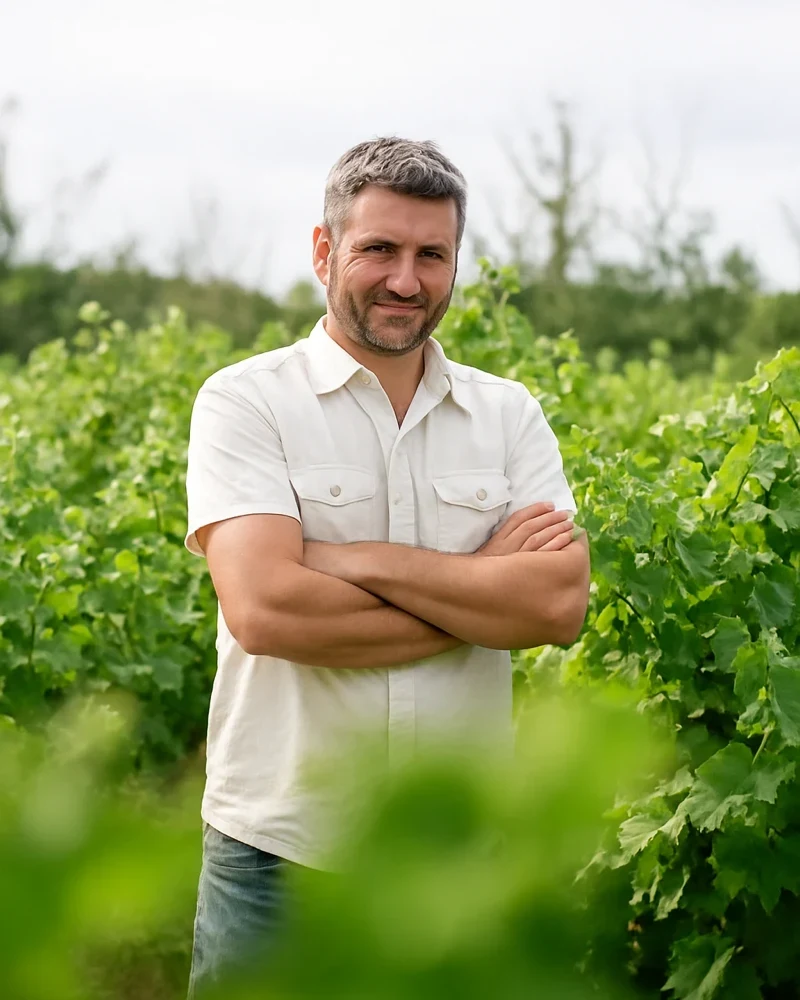
Made By profiles Lionel Boutié (Winemaker) at Domaine Ricardelle De Lautrec.
How expensive is Domaine Ricardelle De Lautrec?
Domaine Ricardelle De Lautrec is listed at a price level of $$.
The field
How it compares
| Place | Notes | Awards |
|---|---|---|
| Domaine Ricardelle De Lautrec | Coursan, $$ | · |
| Ata Rangi | Martinborough | World's 50 Best |
| BOND Winery | Napa | · |
| Castello Banfi | Montalcino | World's 50 Best |
| Edmond Vatan | Vatan | · |
| Klein Constantia | Cape Town | World's 50 Best |
| Kumeu River Wines | Kumeu | World's 50 Best |