- Falstaff Winery - Listed · 2026
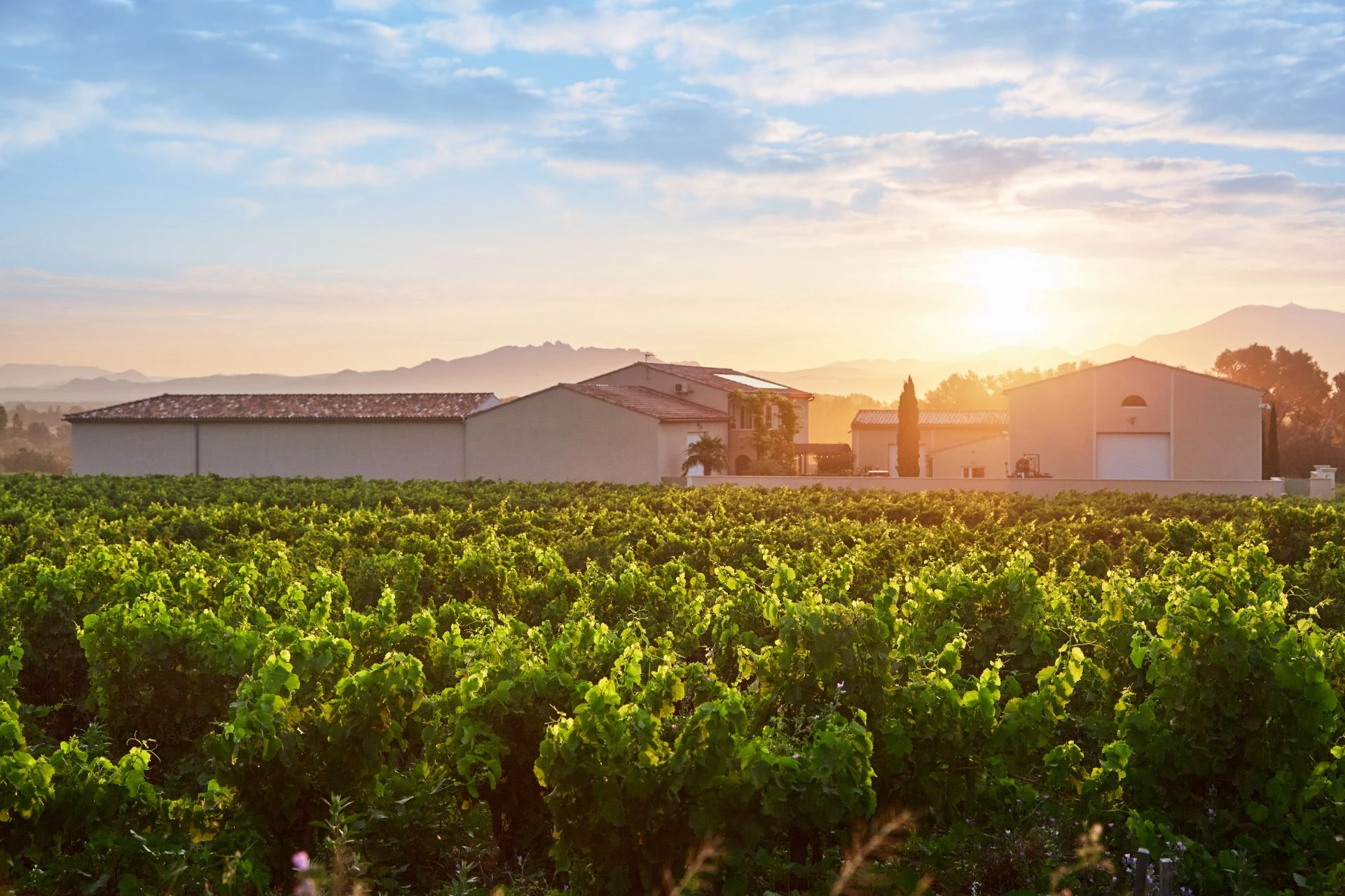
In the Courthézon countryside, Domaine Saint-Laurent is best understood as a traditional Provençal family estate rather than a polished showroom stop. Its identity is rural and authentic: a classic rustic cellar, an old tools museum, and a relaxed atmosphere shaped by the landscape between Châteauneuf-du-Pape and Vacqueyras. The emphasis is on terroir-driven wines and a sense of place, with the estate’s countryside setting doing much of the storytelling. This is the kind of venue where the surrounding agricultural context is not background decoration but part of the experience itself, giving visitors a more grounded way to understand wine country in this part of Provence.
Provençal estate character and countryside context
Courthézon gives visitors a useful base for thinking about local wine country without reducing the area to one famous name. Domaine Saint-Laurent sits in the countryside between Châteauneuf-du-Pape and Vacqueyras, a position that naturally frames the estate through landscape, farming culture, and the idea of terroir. That location matters because it places the domaine within a wider rural corridor rather than isolating it as a standalone attraction.
The most reliable way to describe the domaine is as a traditional Provençal family estate. Its appeal is not built on a confirmed award list, a named chef, a formal dining format, or a documented luxury service model. Instead, the character is quieter: rustic, classic, and rooted in the countryside. The result is a venue profile that should be approached with appropriate expectations: less performance, more setting; less gloss, more agricultural continuity.
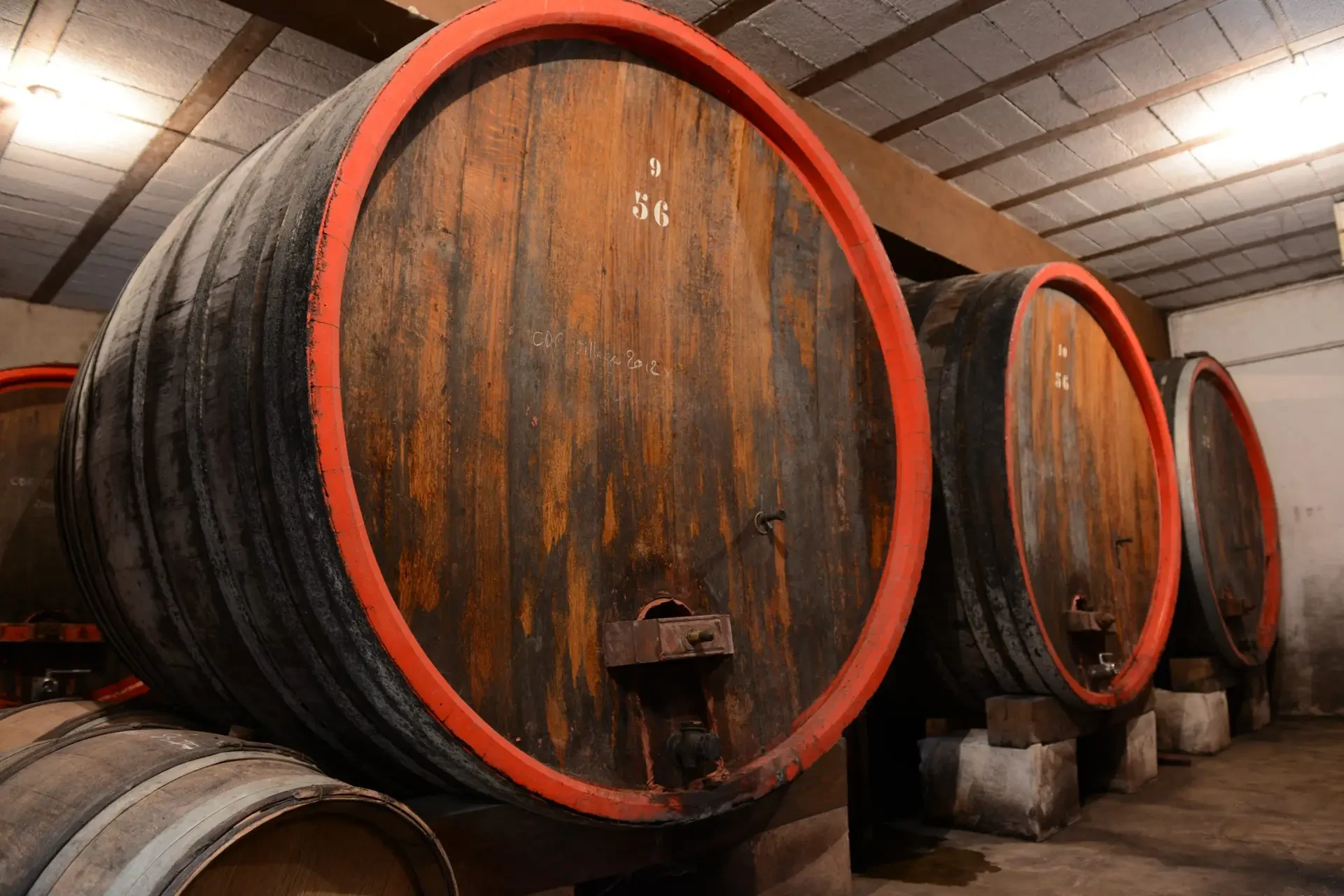
That grounded quality matters. The cellar, old tools museum, and relaxed atmosphere point toward an estate experience focused on agricultural memory and winegrowing context rather than spectacle. For visitors who want a polished urban wine bar, this is not the framing; for those who want a rural Courthézon estate with a terroir-first identity, it is the relevant one. The old tools and rustic cellar details help underline the sense that wine here is connected to work, place, and tradition, not only to the bottle at the end of a tasting.
A terroir-focused wine estate, not a technical dossier
What can be stated is more general: Domaine Saint-Laurent is presented as a wine estate focused on terroir-driven wines in a classic Provençal countryside setting. That description is intentionally broad, but it is also useful, because it keeps the emphasis on the estate’s core identity rather than overreaching into unsupported detail.
That means the page should be read as a concise venue guide rather than a full technical wine dossier. Specific claims about bottle names, vineyard practices, tasting menus, private tours, shipping, food pairings, or language options should be confirmed directly with the estate before planning around them. In practical terms, visitors should avoid assuming that the experience will match another domaine nearby simply because the geography is similar. Wine estates can differ greatly in how they welcome guests, what they offer on a given day, and how structured or informal a visit may feel.
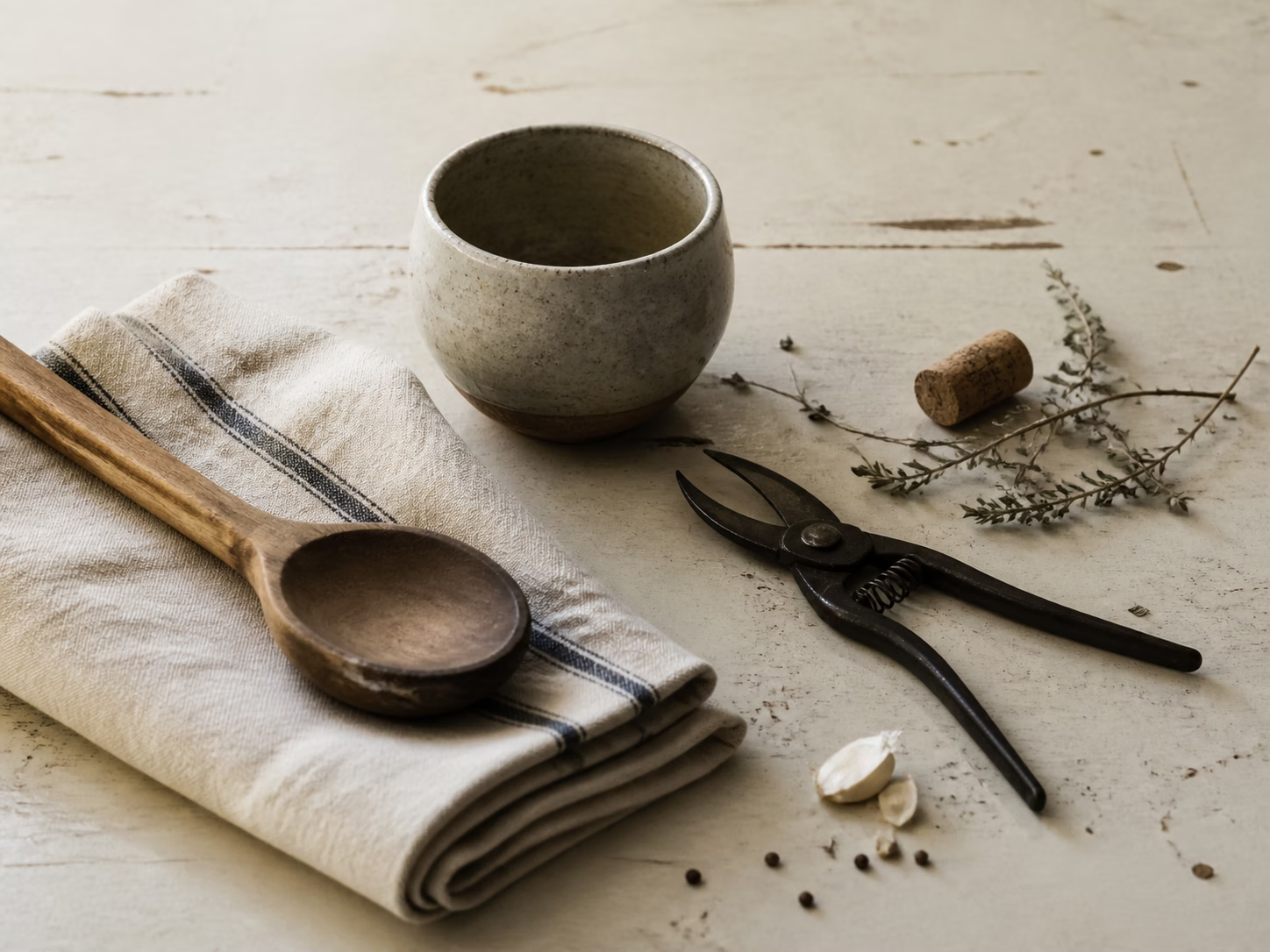
The old tools museum is a useful part of the estate’s identity because it reinforces the agricultural context behind the wines. It gives the venue a material link to rural work and local continuity, supporting the broader impression of a family estate where the setting and memory of cultivation are part of the appeal. Even without turning the visit into a technical lesson, this kind of detail can help guests read the place more clearly.
How to place it within a Courthézon wine day
Domaine Saint-Laurent is strongest for travelers who want a relaxed, authentic countryside stop in Courthézon. The price level is listed as $$, and the atmosphere is traditional, Provençal, rustic, and classic rather than formal or highly staged. It is best matched with visitors who appreciate understated rural character and who are comfortable letting the landscape, cellar atmosphere, and estate context shape the experience.
For a wider read on wine and dining around Courthézon, use the broader local map and compare options generically rather than assuming every estate or dining room offers the same format. Domaine Saint-Laurent is the relevant named comparison here, and other Courthézon options should be checked individually for hours, reservations, tastings, meals, and visitor policies. This is especially important because a countryside wine day works well when expectations are clear before arrival.
Courthézon planning also benefits from separating wine stops from meals, hotels, bars, and cultural time. Use current local listings to confirm what is open, what requires booking, and what kind of experience is actually offered on the date of your visit. Framed this way, Domaine Saint-Laurent can sit naturally within a slower Provençal itinerary: a rural estate stop defined by authenticity, terroir, and classic countryside atmosphere, rather than by luxury staging or a fixed restaurant-style promise.
Questions
Frequently asked
Who works at Domaine Saint-Laurent?
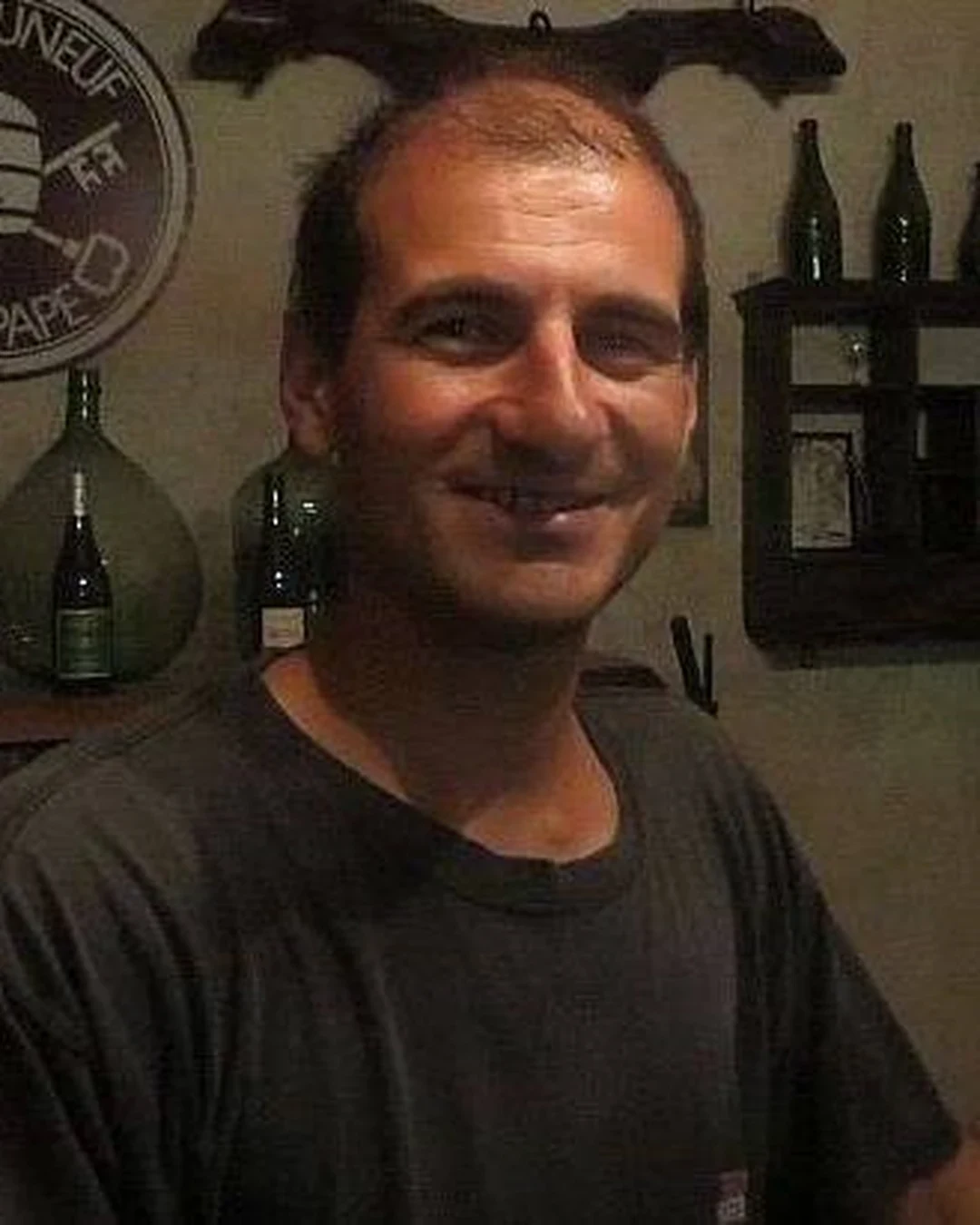
Made By profiles Laurent Sinard (Winemaker) at Domaine Saint-Laurent.
How expensive is Domaine Saint-Laurent?
Domaine Saint-Laurent is listed at a price level of $$.
The field
How it compares
| Place | Notes |
|---|---|
| Domaine Saint-Laurent | Courthézon countryside (La Tamardière / Chemin de Saint-Laurent), $$ |
| Caves Jamet | Courthézon |
| Cellier des Princes | Courthézon |
| Château d'Esclans | Courthézon |
| Domaine de la Janasse | Courthézon |
| Domaine des Saumades | Courthézon |
| Le Jas des Papes | Courthézon |