Sancerre by biodynamic hand
- Falstaff Winery - 5 Stars · 2026
Hands in the family vineyard
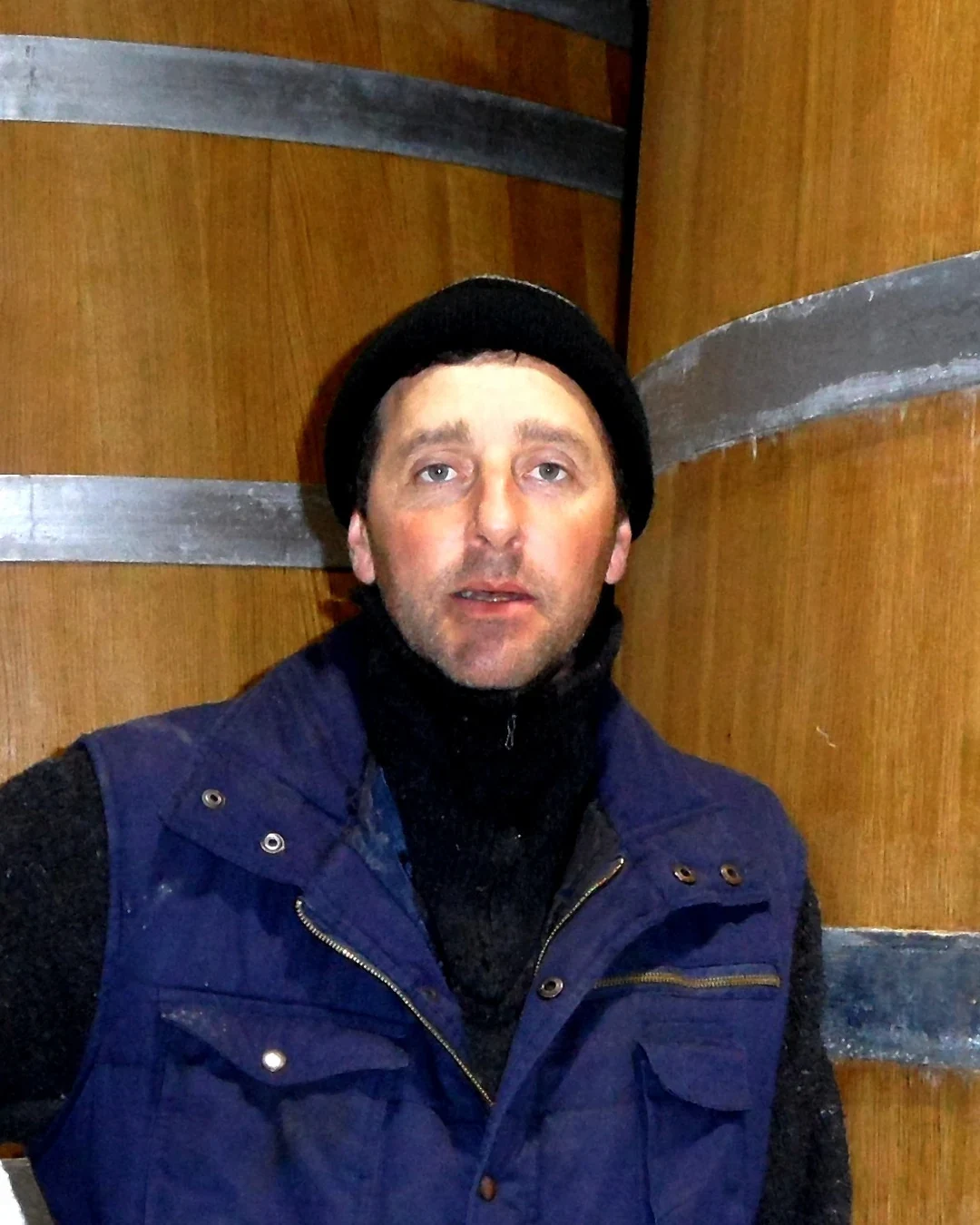
The vines set the tempo for Vincent Gaudry, winemaker at Domaine Vincent Gaudry in Sury En Vaux, before the cellar has its say. He came into the family business at 16, working with his father in 1991 after training in the family vineyard in Sancerre, and the discipline of that early apprenticeship still suits the estate: repetition, restraint, and close attention to place. The domaine itself reaches back through his grandfather, so the work is not a reset but a continuation, carried in the same small hamlet of Chambre near Sury-en-Vaux, about 3 km from Sancerre. Gaudry has held the winemaker role here since 1991, keeping the house centered on Sancerre rather than range for its own sake. Sauvignon Blanc leads the cellar, with Pinot Noir giving the domaine its red line inside the same appellation. His stated principle, “Trust in Nature,” is not a label placed over the wines after the fact. It is the decision that governs the farming, the cellar, and the degree of intervention he allows himself.
Biodynamics before it was common language
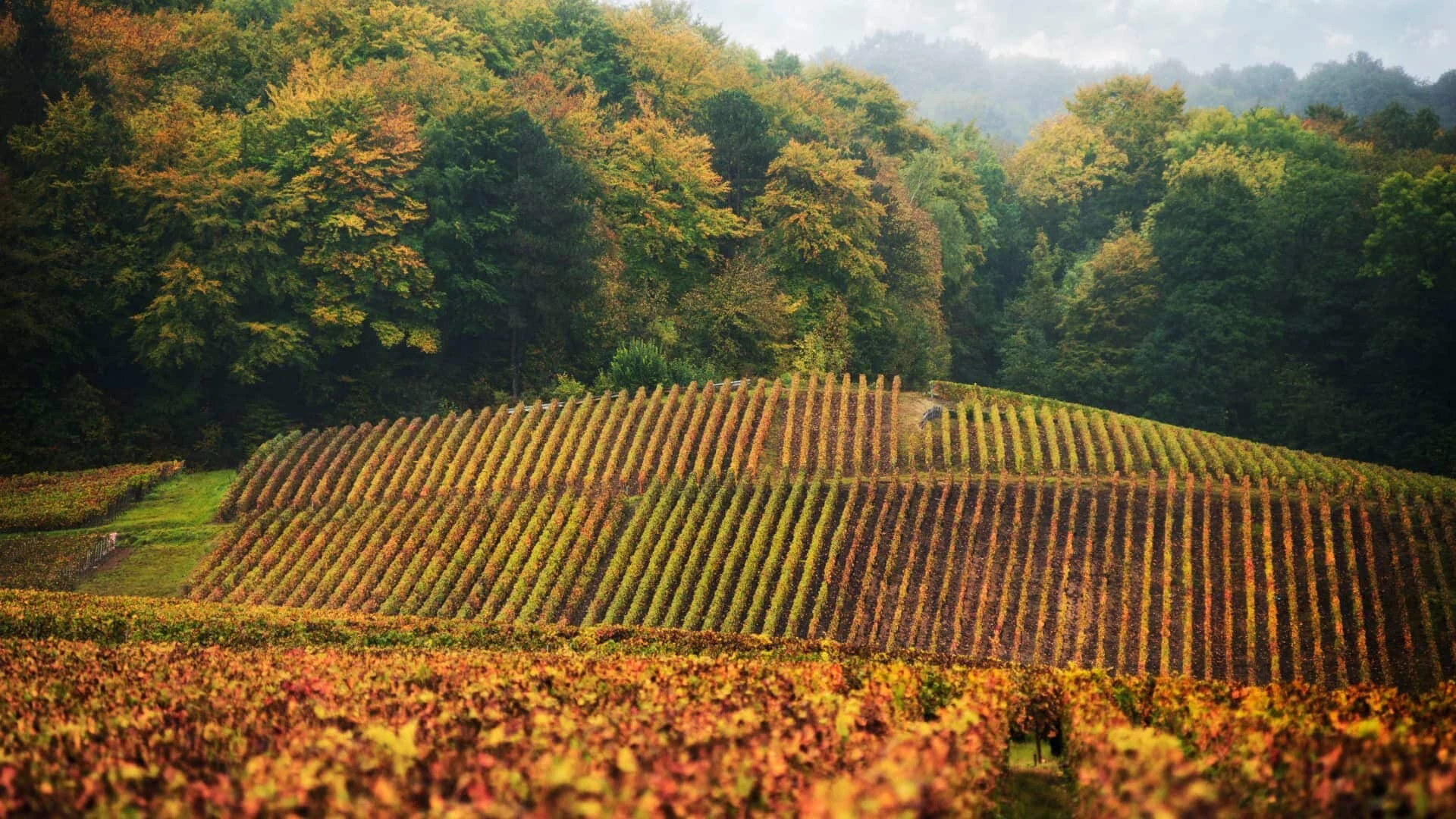
Gaudry introduced organic methods in stages in the early 1990s, after personal health concerns changed the way he wanted to work among the vines. The estate achieved official organic certification in 2002, then moved into biodynamics, becoming the first certified biodynamic producer in Sancerre. Today Vincent and his wife Séverine farm 11 hectares with organic, biodynamic, and regenerative practices, keeping the scale close enough for the hands to matter. The vineyard work is anchored in Sancerre’s familiar soils: terres blanches, caillottes, and clay-limestone parcels, each giving a different register to the wine before fermentation begins. The cellar follows the same restraint. The house is known for a minimalist, hands-on method, with the aim of carrying vineyard origin rather than covering it. Le Tournebride, Gaudry’olle, and Pour Vous are the named signatures most closely tied to Vincent’s work, while Sancerre Rouge Les Vignes de Chavignol gives Pinot Noir its place beside the whites.
The cellar in Chambre
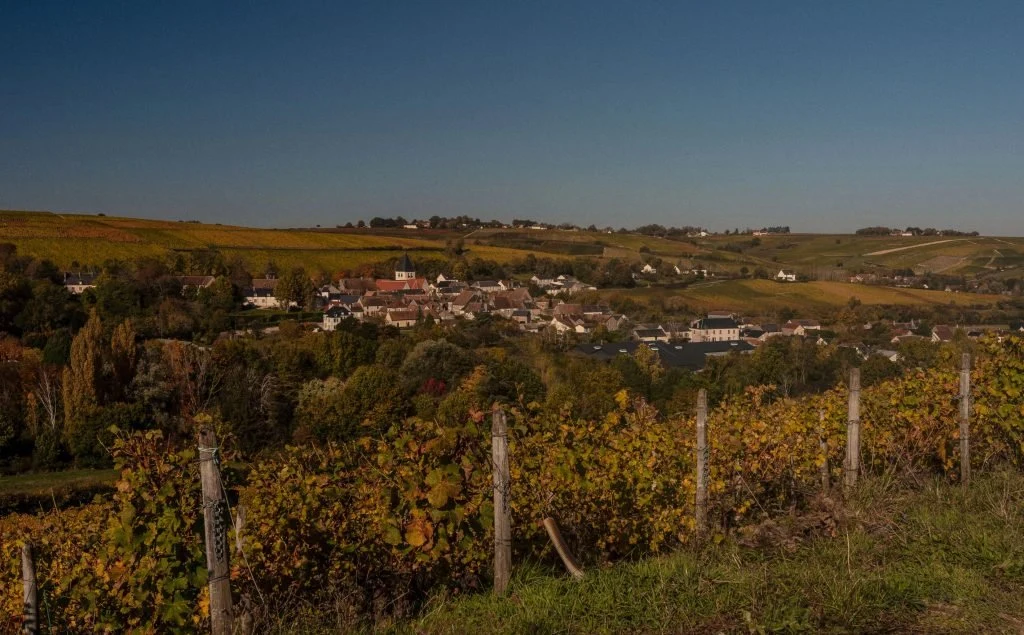
The cellar is small, quiet, and craftsmanlike, set in Chambre rather than staged for spectacle. Nothing in the room asks to be louder than the wine. The setting helps explain the manner of the work: a hamlet at the foot of the Sancerre hill, an intimate cellar, a tasting room that keeps the emphasis on the glass and the ground it came from. The wines come from estate fruit, so the conversation between vineyard and cellar stays short. In a place like this, the pass is not a kitchen pass but the movement from row to press, from ferment to bottle, with each decision kept close to the person making it. The concrete thing to follow is still the same discipline in the glass, especially Le Tournebride.
Questions
Frequently asked
Who makes the wines at Domaine Vincent Gaudry?
Vincent Gaudry is the winemaker here, and he has held that role since 1991. He came into the family business at 16 after training in the family vineyard in Sancerre, and the domaine reaches back through his grandfather.
What is the estate known for?
The domaine is known for working biodynamically in Sancerre, with organic, biodynamic, and regenerative practices on 11 hectares. It was the first certified biodynamic producer in Sancerre.
What wines are most closely associated with the domaine?
Sauvignon Blanc leads the cellar, with Pinot Noir also part of the estate’s work in Sancerre. The named wines most closely tied to Vincent Gaudry are Le Tournebride, Gaudry’olle, and Pour Vous, along with Sancerre Rouge Les Vignes de Chavignol for Pinot Noir.
Do visits need to be booked in advance?
Yes. The reservation policy is appointment only.
The field
How it compares
| Place | Notes | Awards |
|---|---|---|
| Domaine Vincent Gaudry | Sury-en-Vaux, $ | · |
| Billecart-Salmon | Aÿ | World's 50 Best |
| Bodegas Muga | Haro | World's 50 Best |
| Claude Riffault | Sury En Vaux | · |
| Domaine Raimbault-Pineau | Sury En Vaux | · |
| Etienne et Sébastien Riffault | Sury En Vaux | · |
| Ruinart | Reims | World's 50 Best |