- Falstaff Winery - Listed · 2026
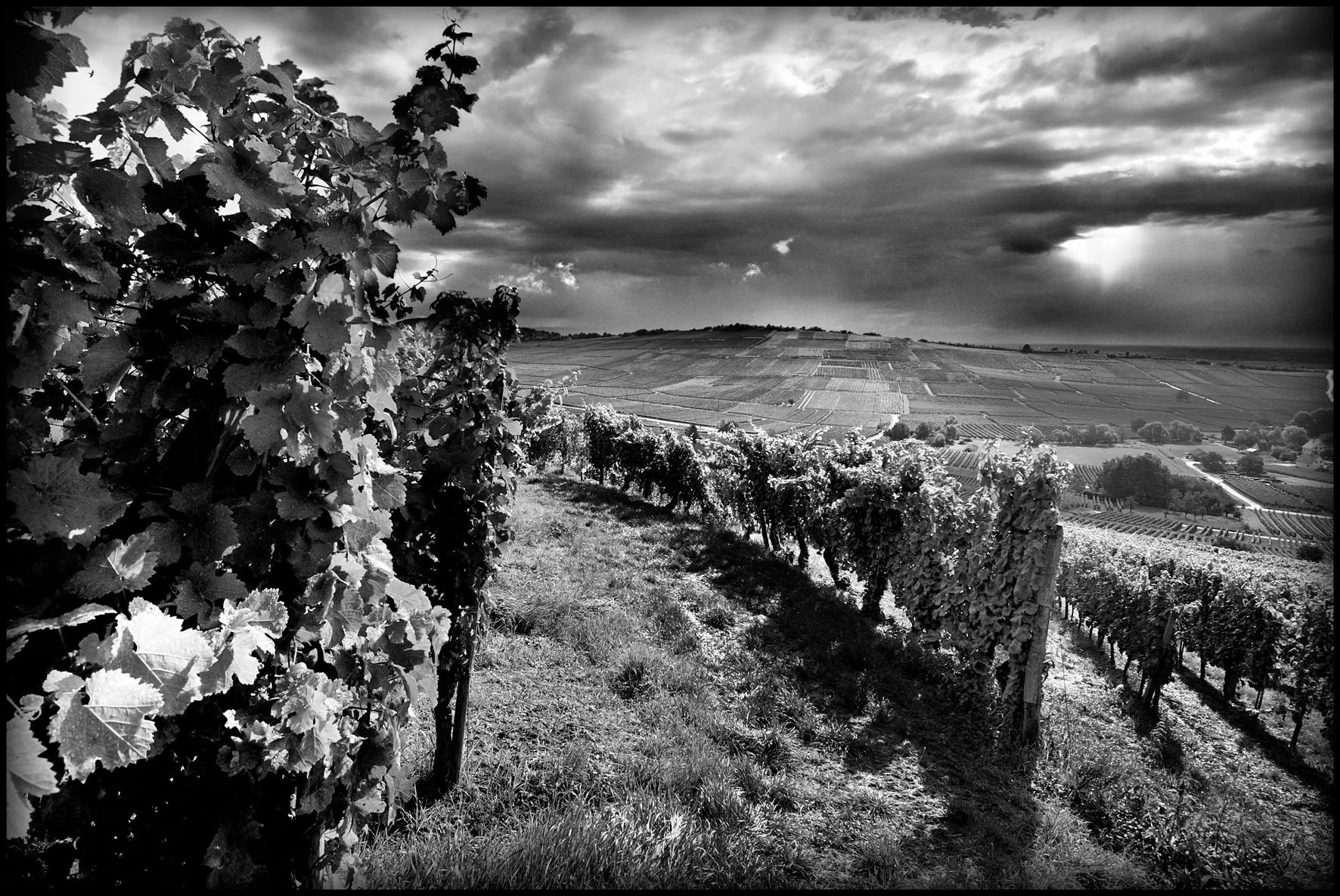
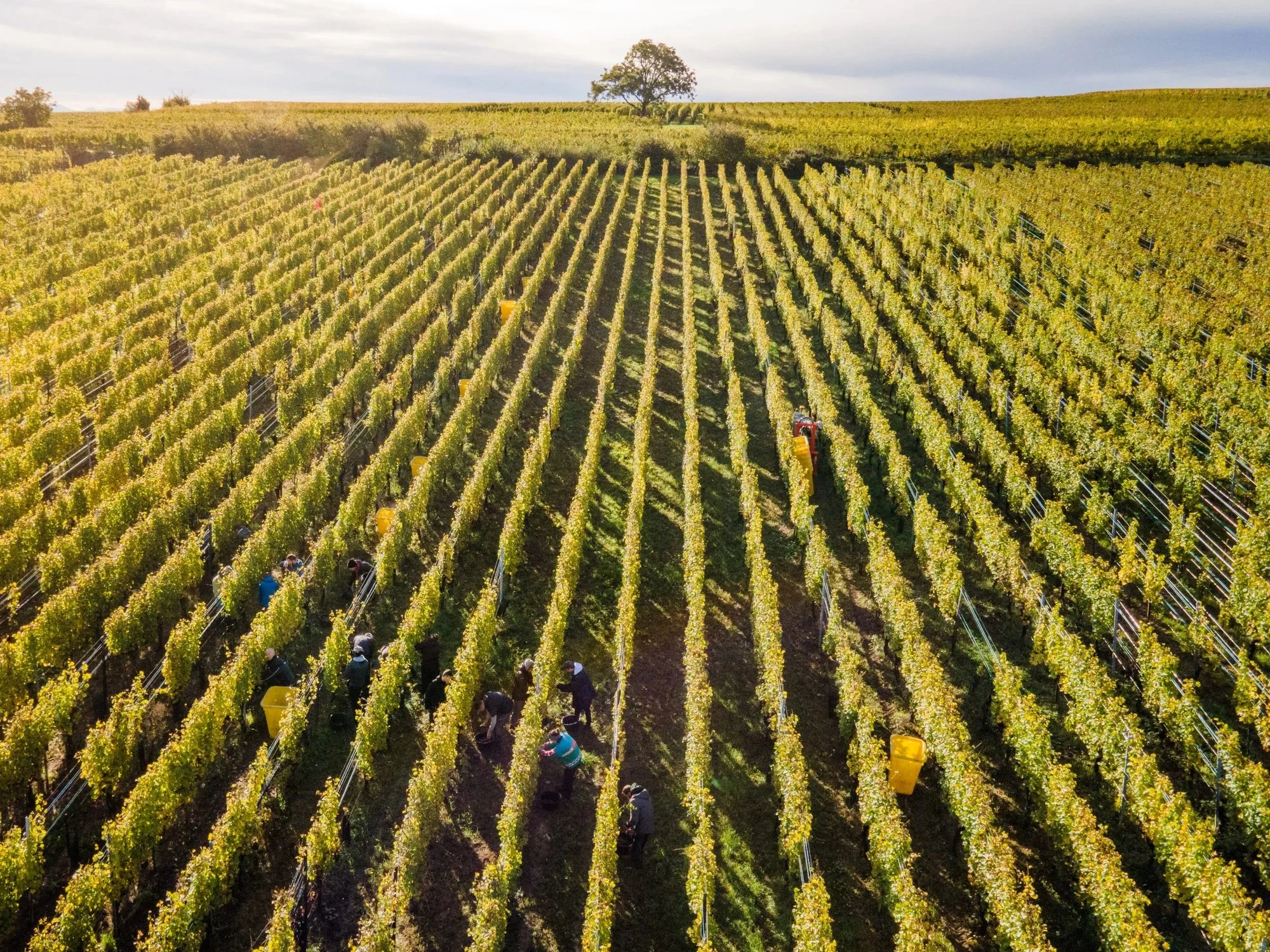
Eguisheim’s wine streets make their argument quietly: stone façades, cellar doors, and a village atmosphere shaped by Alsatian wine culture. Domaine Zinck fits that setting as a family-run Alsatian estate with an authentic, traditional feel. The appeal is not a large visitor-complex experience, but a classic village winery setting where cellar visits and guided tastings give the stop its structure. In that sense, the venue is best read through its surroundings as much as through the tasting itself: the visit belongs to the slower, more intimate rhythm of a village known for wine.
For travellers planning a visit, the picture is simple: Domaine Zinck is in Eguisheim, pricing is listed at $16 per person, and the atmosphere is classic, scenic, rustic, intimate and a little hidden-gem in character. Beyond that, the safest expectation is to treat the visit as a guided cellar-and-tasting experience rather than to assume a specific food program, menu, grape list, award history or production style. That restraint matters here, because the strength of the listing is its clear traditional setting, not a long catalogue of extra promises.
A traditional Alsatian estate setting in Eguisheim
The defining editorial point here is atmosphere. Domaine Zinck is best understood as a family-run Alsatian estate in a classic village winery context. Visitors looking for a polished urban wine bar or a restaurant-style service format should reset expectations: the draw is the traditional cellar setting, the guided tasting element and the sense of place that comes from being in Eguisheim. It is the kind of stop where the setting does much of the work, giving context to the tasting without needing to be framed as a destination restaurant or a high-production visitor attraction.
The experience is especially useful for travellers who want a quiet, scenic and rustic stop rather than a highly staged hospitality production. The available facts support a cellar-visit and guided-tasting frame, so this guide does not attach claims about specific vineyards, named wine ranges, farming methods, awards, bottle lists, languages, parking, payment methods, pets, seating capacity or food pairings. Keeping those boundaries clear helps preserve the venue’s real appeal: a traditional estate atmosphere that can be planned around without overstating what is known.
At $16 per person, Domaine Zinck sits as an accessible wine stop for visitors building time in Eguisheim. The value is in the combination of setting and guided context: a traditional Alsatian estate atmosphere, an intimate village feel and the chance to experience a cellar visit in a classic winery environment. For many travellers, that balance is exactly the point, offering a structured wine experience without shifting the mood away from the village itself.
Because the data is deliberately limited, the best planning approach is to confirm any operational details directly before arranging a visit. Hours, booking rules, tasting formats, group capacity and any special requirements should not be assumed from this guide. Treat the listed information as the foundation, then check the practical details that matter to your own schedule before committing to a specific plan.
A cellar visit for travellers who want Eguisheim atmosphere
Domaine Zinck suits visitors who are drawn to Eguisheim for its wine-village character: scenic streets, traditional estate settings and the slower rhythm of a guided tasting. The tone is family-run and authentic rather than flashy, making it a strong fit for travellers who prefer rustic charm and direct cellar context. It is particularly well matched to an itinerary that values atmosphere, local texture and a sense of continuity with the surrounding village.
The visit should be framed around the essentials: Domaine Zinck is in Eguisheim, offers cellar visits and guided tastings, and is listed at $16 per person. If you need a specific language, accessibility detail, dietary arrangement, food service, transportation detail or reservation rule, verify that separately before going. That extra step is not a warning so much as a sensible way to keep expectations aligned with the limited, reliable facts available.
For broader planning in Eguisheim, compare Domaine Zinck with other dining and wine experiences in the village generically, using the same standard: confirm current details before building a day around any one stop. Domaine Zinck’s clear value is its classic Alsatian estate atmosphere and intimate, traditional winery setting. In a village where the wine context is part of the experience, that combination gives the stop a clear role without requiring additional claims.
Travellers widening a wine itinerary can use Domaine Zinck as an Eguisheim anchor: a family-run, rustic and scenic cellar-visit option that keeps the focus on place, tasting and the traditional village winery experience. Its appeal is direct and restrained, which is part of why it fits the wider mood of Eguisheim so naturally.
Questions
Frequently asked
Who works at Domaine Zinck?
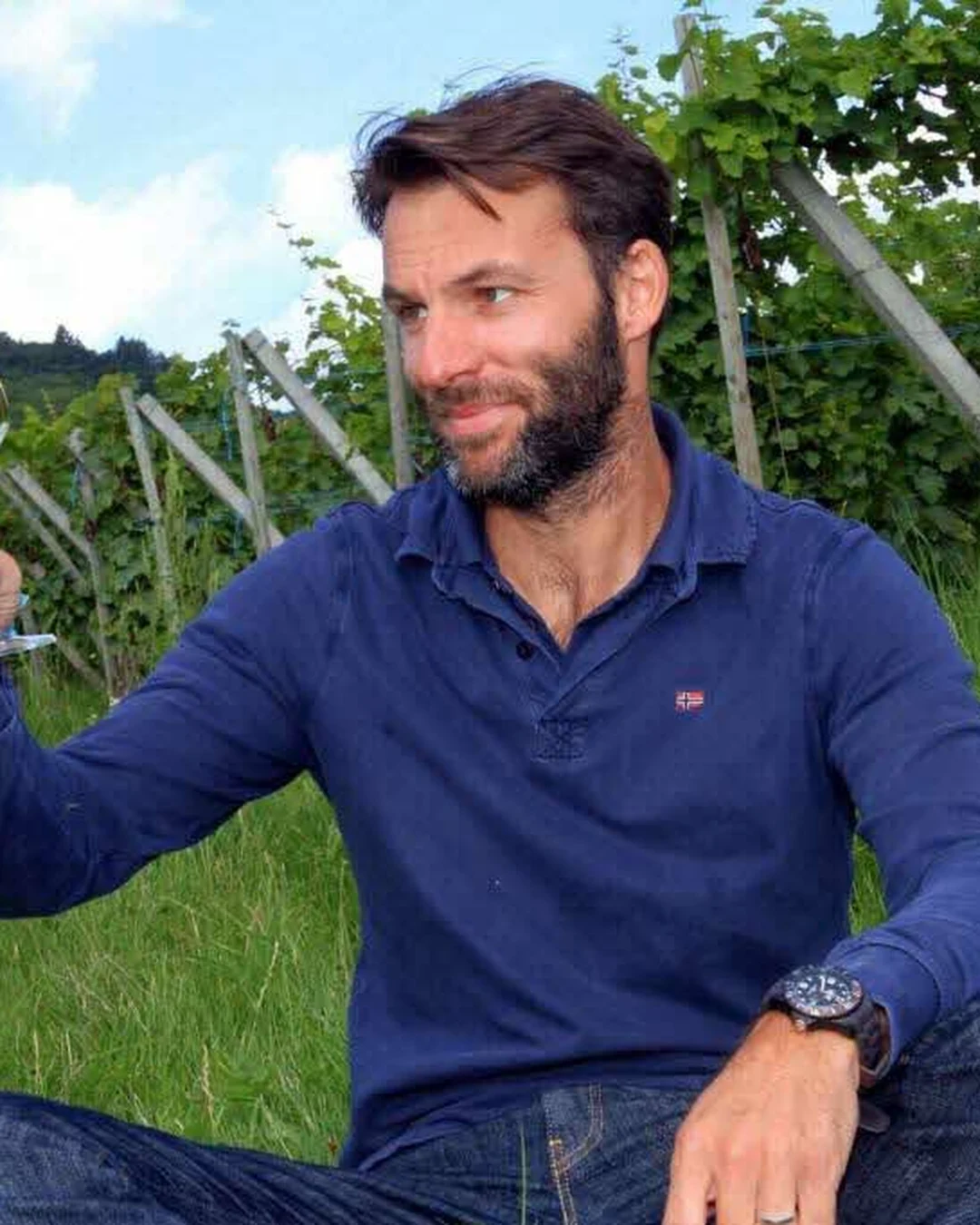
Made By profiles Philippe Zinck (Winemaker) at Domaine Zinck.
How expensive is Domaine Zinck?
Domaine Zinck is listed at a price level of $$.
The field
How it compares
| Place | Notes |
|---|---|
| Domaine Zinck | Eguisheim, $$ |
| Domaine Èmile Beyer | Eguisheim |
| Domaine Paul Ginglinger | Eguisheim |
| Léon Beyer | Eguisheim |
| Lucien Albrecht | Eguisheim |
| Willm | Eguisheim |
| Wolfberger | Eguisheim |