Dreisiebner Stammhaus
- 01CitySulztal An Der Weinstra E, Austria
- Falstaff Winery - 3 Stars · 2026
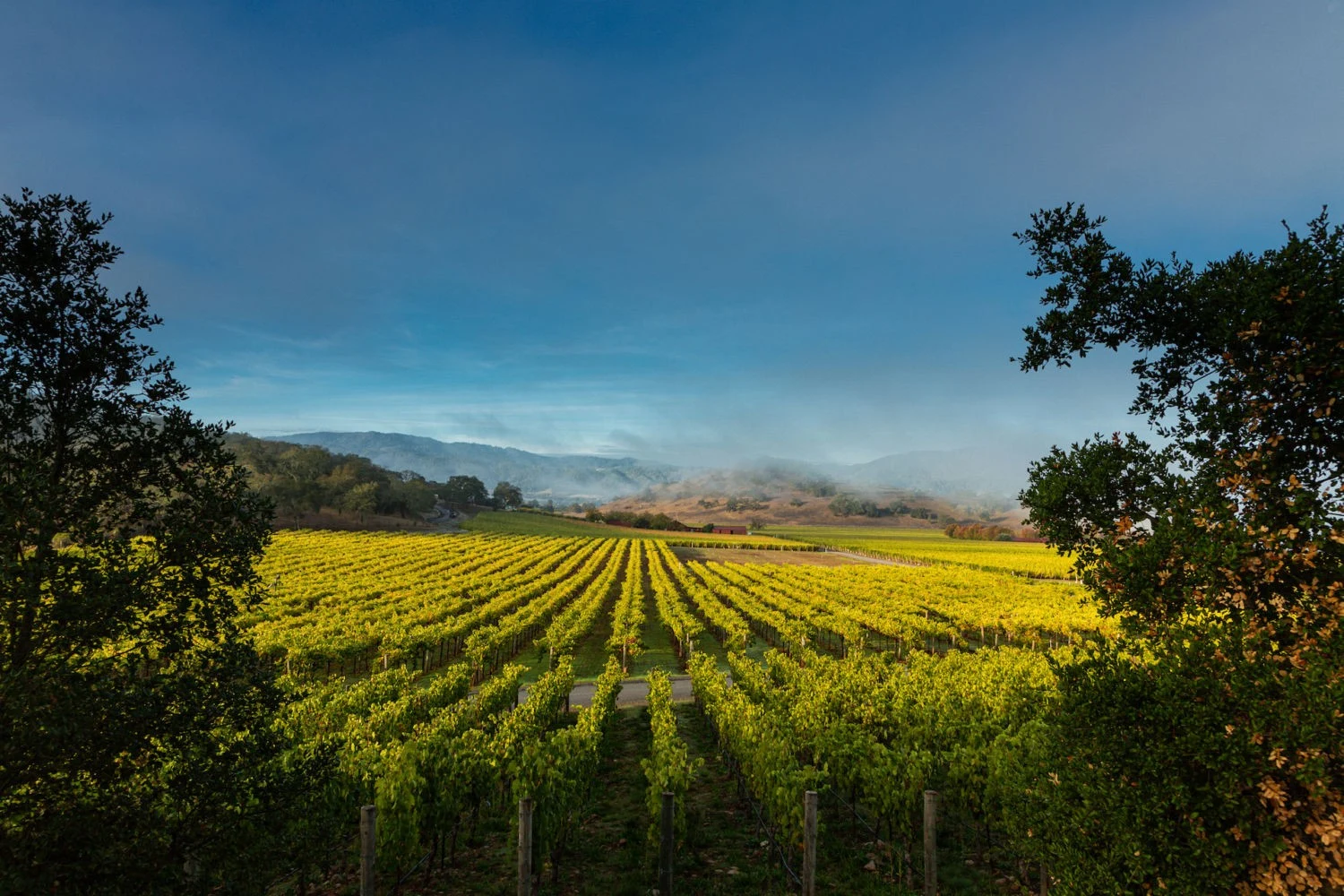
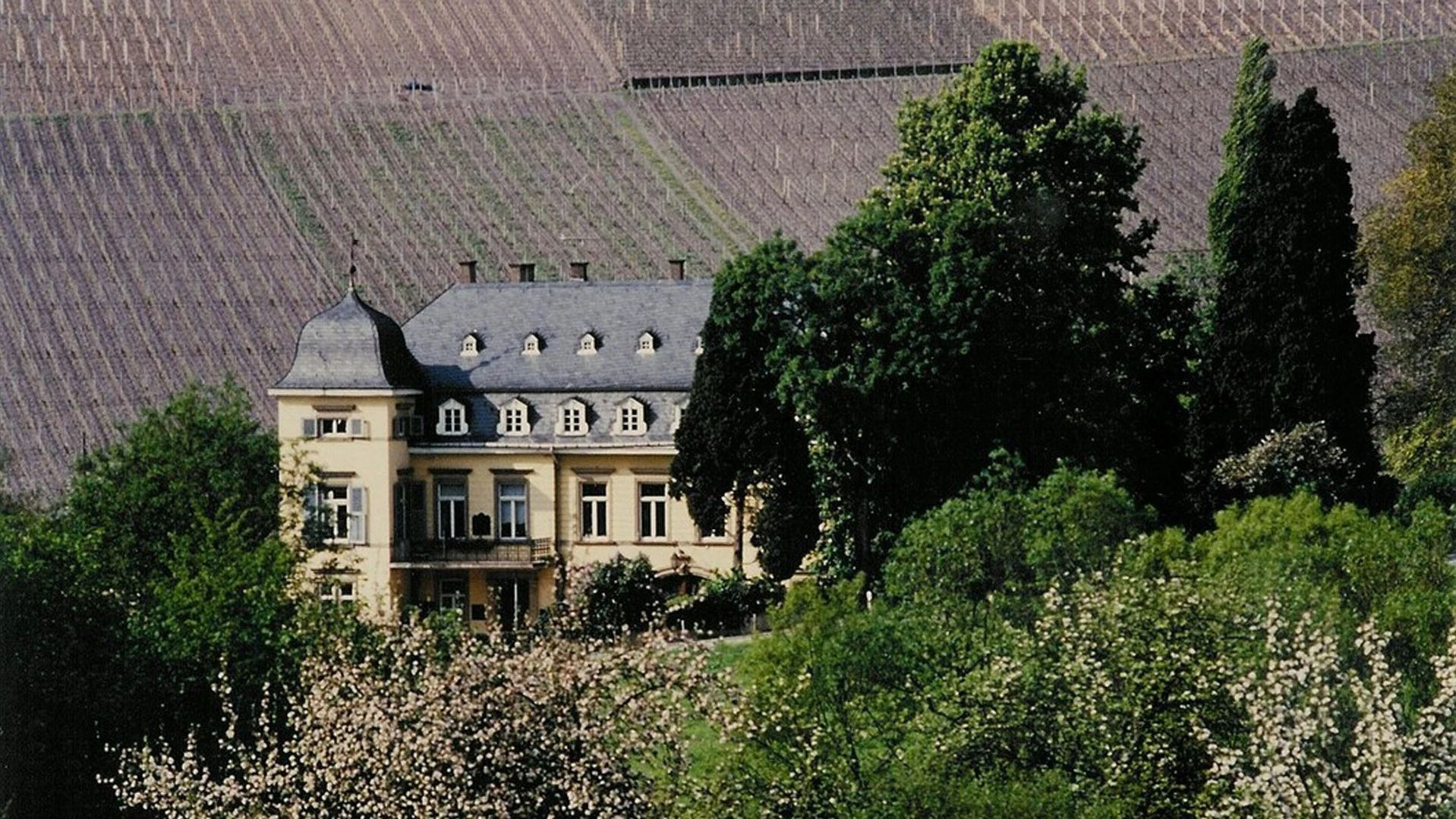
Approaching South Styrian wine country, the mood changes before the glass appears: hills tighten, vineyards climb, and the rhythm of hospitality becomes less restaurant-driven than estate-driven. This is a region where the tavern table, the vineyard and the bottle sale often sit inside the same family operation. Dreisiebner Stammhaus belongs to that tradition, not as a polished tasting-room concept, but as a working South Styrian winery with guest rooms and a Buschenschank woven into the property.
That matters because Südsteiermark is not trying to behave like a red-wine prestige region. Its identity is white, aromatic and slope-bound. Around 90% of vineyard plantings in the region are white grapes, and Sauvignon Blanc carries particular weight. The estate’s own centre of gravity follows that pattern: Sauvignon Blanc, Chardonnay and Gelber Traminer anchor the Hochsulz Reserve line, with the wines shaped by a vineyard culture that prizes site expression, cool nights and altitude rather than cellar theatre.
Hochsulz gives the wines their spine
The useful way to read this address is through land first. Dreisiebner Stammhaus works 17 hectares in Südsteiermark, with Hochsulz as a 5-hectare core site. In a region of steep slopes and marked temperature swings, that scale keeps the estate in the family-winery register while allowing enough vineyard detail for more than a single house wine. The result is a portfolio that feels aligned with South Styrian priorities: aromatic lift, acidity, and site-led white varieties.
The Hochsulz Reserve wines add a second layer of structure. This line is built from Sauvignon Blanc, Chardonnay and Gelber Traminer and spends at least one year in wooden barrels. In South Styria, oak for serious whites is not a cosmetic flourish; used with restraint, it gives Sauvignon Blanc and its companions breadth without asking them to imitate richer, warmer-climate styles. The regional point is clear: ripeness alone is not the aim. Tension, aromatic precision and hillside freshness are the assets.
Recognition has followed the Sauvignon Blanc line in particular. Sauvignon Blanc Hochsulz 2017 received a Gold Medal at the Concours Mondial du Sauvignon in 2019, while the 2023 Sauvignon Blanc Südsteiermark DAC Ried Zoppelberg was rated 92 points by Peter Moser for Falstaff in 2025. Those are useful signals because they speak to two different audiences: international Sauvignon Blanc benchmarking on one side, Austrian critical context on the other.
The Buschenschank format keeps the experience regional
The Buschenschank is central to understanding why this kind of winery visit differs from a formal tasting appointment. Under the Austrian wine-tavern model, the producer serves its own wines with cold regional food: meats, cheeses, spreads, bread and other staples that fit the local table rather than a restaurant kitchen. At Dreisiebner Stammhaus, that format sits beside the winery and guest rooms, so the experience is closer to rural wine culture than to a staged cellar presentation.
This is also where the estate’s practical appeal lies. The setting is vineyard-facing, with terrace, garden and outdoor seating forming part of the rhythm of the visit. Noise sits in the conversational range, dress is casual, and the mood is more relaxed than ceremonial. Groups are a natural fit, though the atmosphere is small-scale rather than banquet-oriented. For travellers building a wider itinerary, our full Sulztal An Der Weinstra E wineries guide gives the broader local frame.
The property also operates with guest rooms, which places it within a familiar South Styrian rural-hospitality pattern: drink locally, eat simply, sleep close to the vines. That format suits travellers who want the wine road without turning every stop into a transfer problem. The estate has on-site parking, outdoor seating and a reservation-recommended policy, with walk-in-style visiting listed for the winery experience. The smarter move is to treat the Buschenschank as a seasonal, weather-sensitive part of the day rather than an always-on restaurant substitute.
Where it fits in a South Styrian itinerary
Dreisiebner Stammhaus is strongest for travellers who want the connection between vineyard and table made explicit. It is less suited to visitors looking for a chef-led dining room, a broad red-wine cellar or a highly choreographed premium tasting. The value is in seeing how South Styria’s white-wine culture works at ground level: estate fruit, Sauvignon Blanc as a regional benchmark, a family-run tavern format, and lodging that keeps the visit anchored in the hills rather than in a nearby city base.
For a fuller trip, the winery can sit inside a compact Sulztal plan. Use our full Sulztal An Der Weinstra E restaurants guide for dining around the wine road, our full Sulztal An Der Weinstra E hotels guide for overnight options, our full Sulztal An Der Weinstra E bars guide for after-dinner drinking, and our full Sulztal An Der Weinstra E experiences guide for non-cellar planning.
Readers comparing Austrian wine styles beyond South Styria can also look at »der Steiner« Hans Steiner in Podersdorf am See, ®walzer in Gneixendorf Bei Krems, 1516 Brewing Company Distillery in Vienna, A-Nobis Sektkellerei in Zurndorf, Abfindungsbrennerei Franz in Leithaprodersdorf, Achs-Wendelin Weine in Gols, Aeijst Distillery in Sankt Nikolai im Sausal, Alexander Koppitsch in Neusiedl am See, & Handwein in Mannheim, and 00 Wines in Carlton.
Questions
Frequently asked
How expensive is Dreisiebner Stammhaus?
Dreisiebner Stammhaus is listed at a price level of $$.
The field
How it compares
| Place | Notes | Awards |
|---|---|---|
| Dreisiebner Stammhaus | Sulztal an der Weinstraße, $$ | · |
| Azienda Agricola Casanova di Neri di Giacomo Neri | Montalcino | World's 50 Best |
| Bodegas Muga | Haro | World's 50 Best |
| Domäne Wachau | Dürnstein | World's 50 Best |
| Harlan Estate | Napa | · |
| Screaming Eagle | Napa | · |
| Weingut Egon Müller | Wiltingen | · |