Made ByWinery


Jean-Louis Lhumeau, winemaker at Earl Joël et Jean-Louis Lhumeau in Brigne, keeps a small Anjou estate in family hands.
At a glance
- Price
- $
- Neighborhood
- Brigné sur Layon
Sixty hectares held in routine
The day starts with vineyard decisions, not ceremony. Jean-Louis Lhumeau, winemaker at Earl Joël et Jean-Louis Lhumeau in Brigne, works the Anjou estate through the practical order of a farm manager. His station is operational: vines, cellar, timing, the sequence of work that turns a family holding into bottles with a steady hand behind them. The estate was created in 1963 and remains family run, a continuity that matters less as nostalgia than as accumulated time on the tools. Jean-Louis carries the work with the discipline of someone whose craft sits inside coordination as much as gesture. He oversees the vineyard and winery under independent-winemaker status, meaning the house produces and markets its own wines rather than surrendering the work to a cooperative structure. That independence fixes responsibility close to the bench. Decisions stay on the property. The method stays in the hands that live with the consequence.
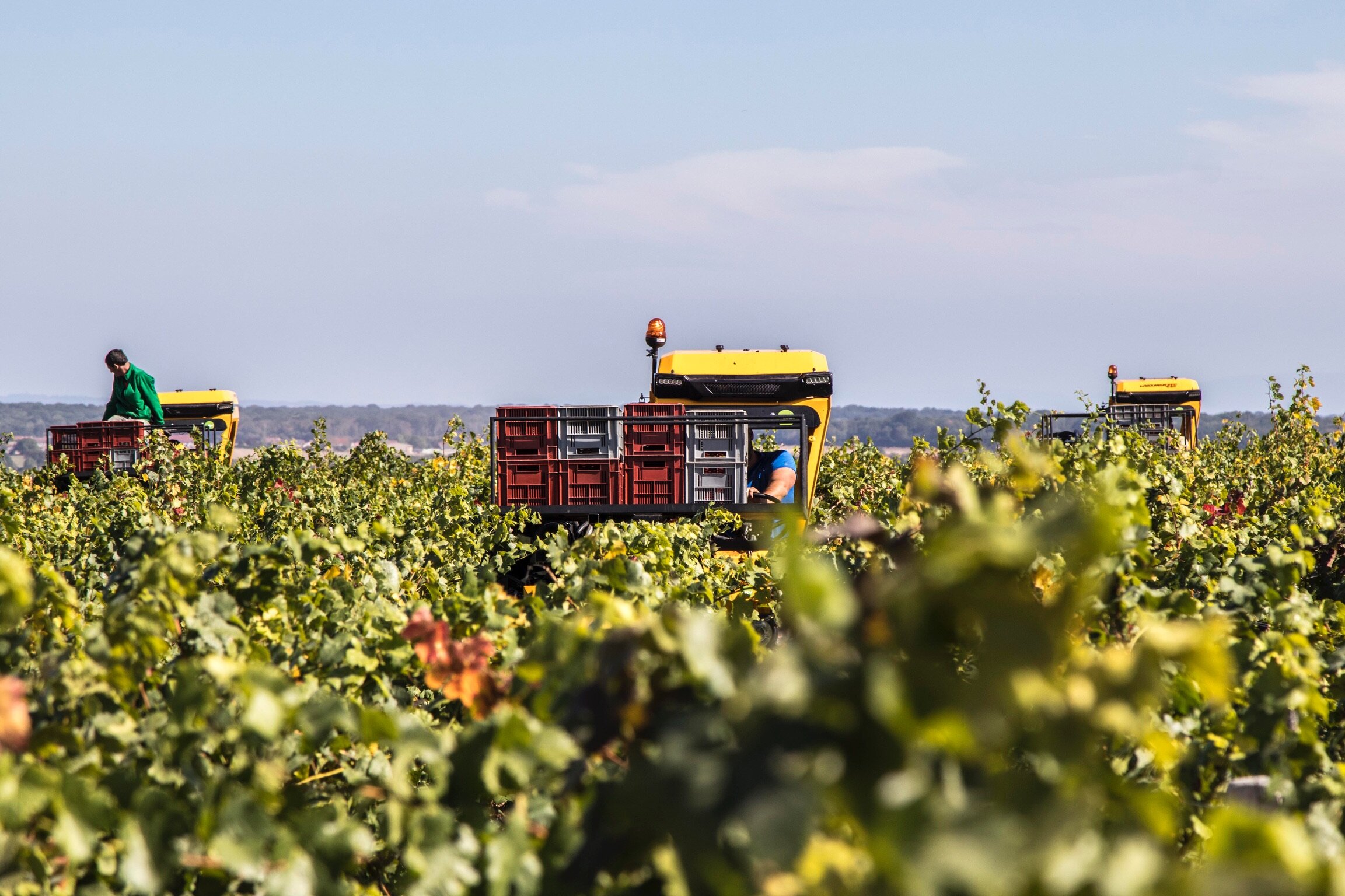
HVE level 3 in the Anjou rows
The estate works across 60 hectares in Anjou, with still white and still red wines forming the frame of the cellar. Its sustainable discipline is not described through slogans here; it is carried by HVE level 3 certification, the upper tier of France’s Haute Valeur Environnementale scheme. That standard asks the grower to account for biodiversity, ecosystems, working conditions, and the pressure placed on the land. For a small family estate, the measure is practical as much as ethical. It shapes how the rows are kept, how inputs are reduced, how the vineyard is treated as a living part of the program rather than a supply line. What is clear is the scale, the independence, and the environmental frame inside which Jean-Louis runs the cellar.
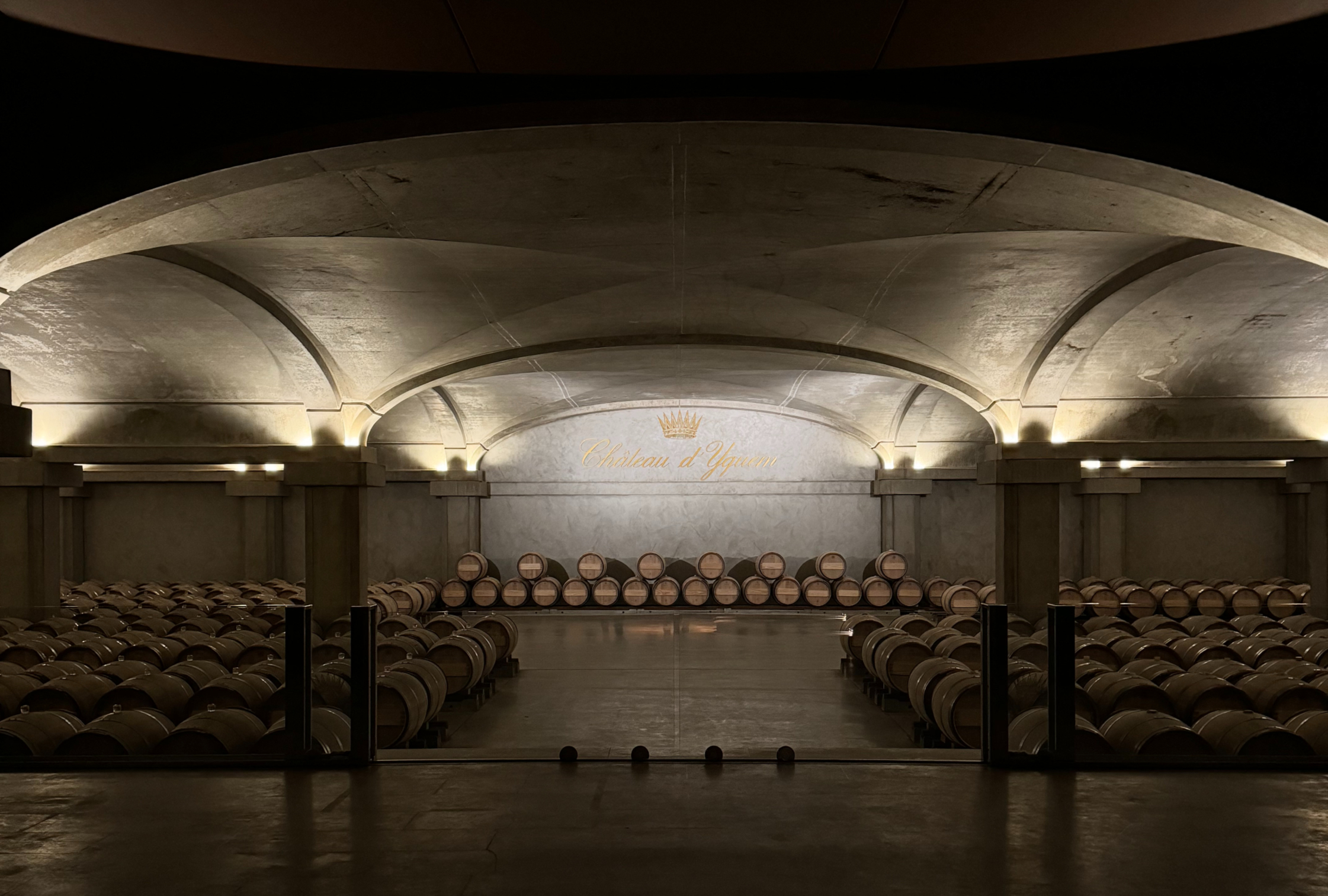
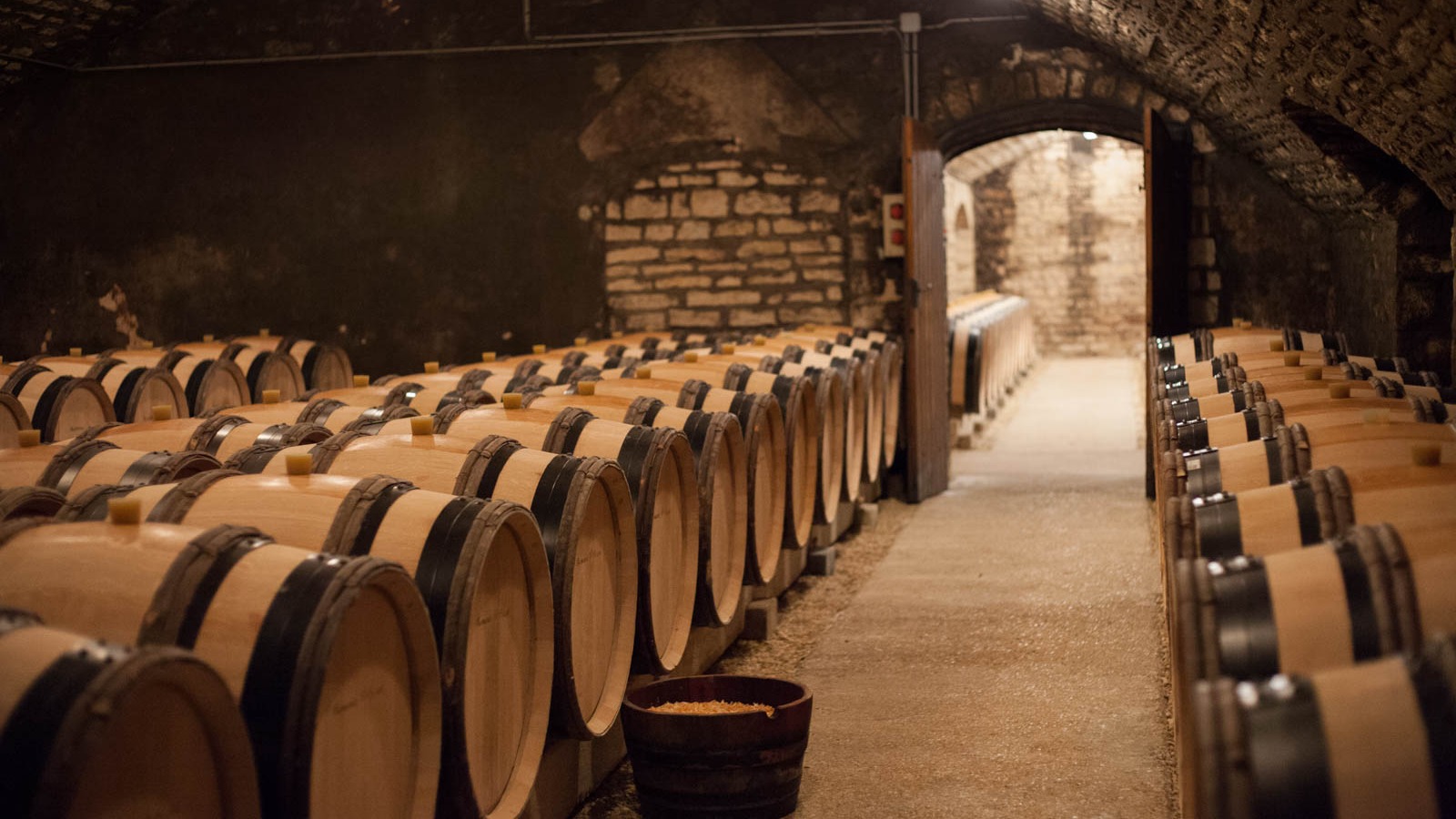
A quiet cellar, a classic room
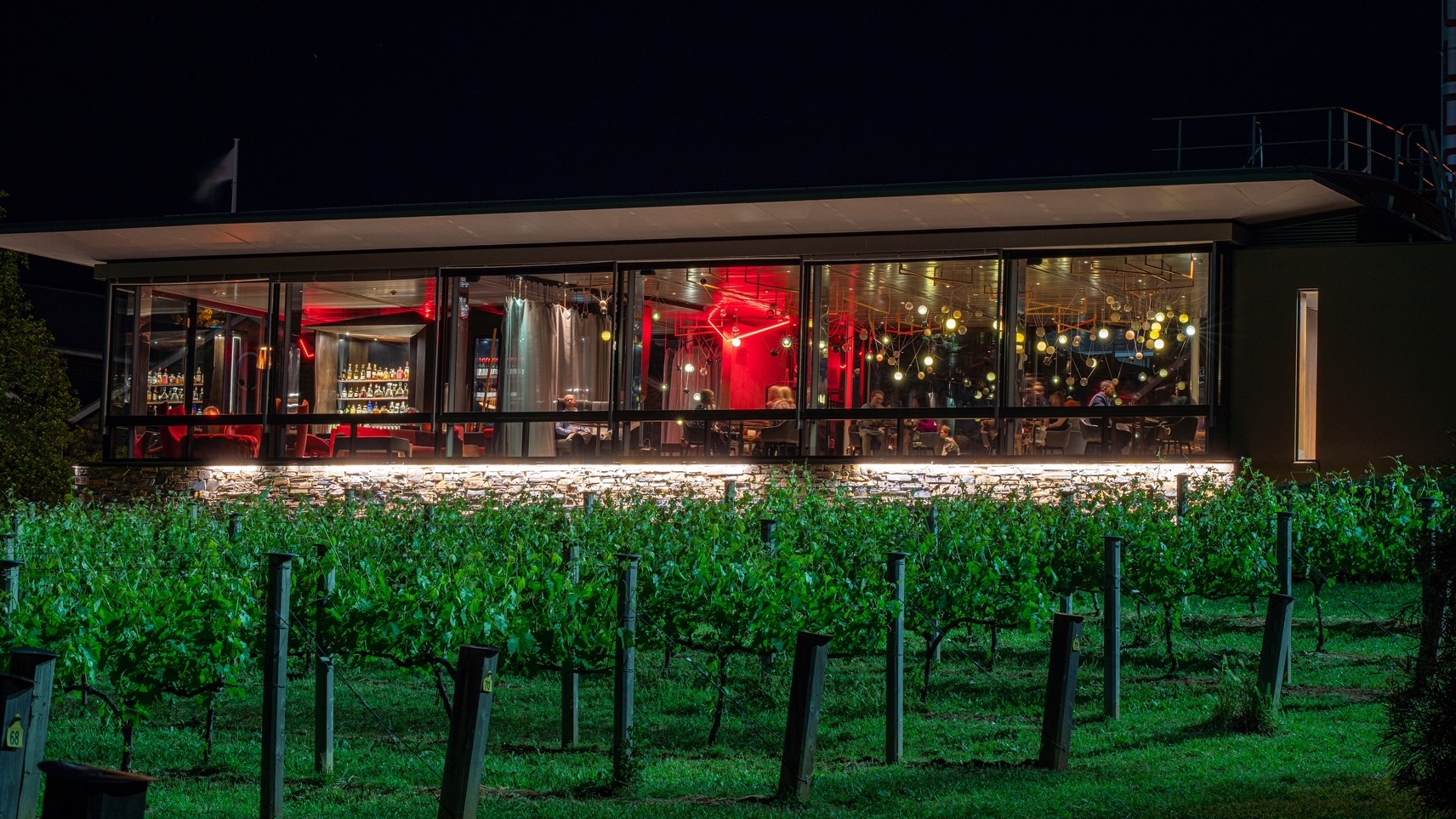
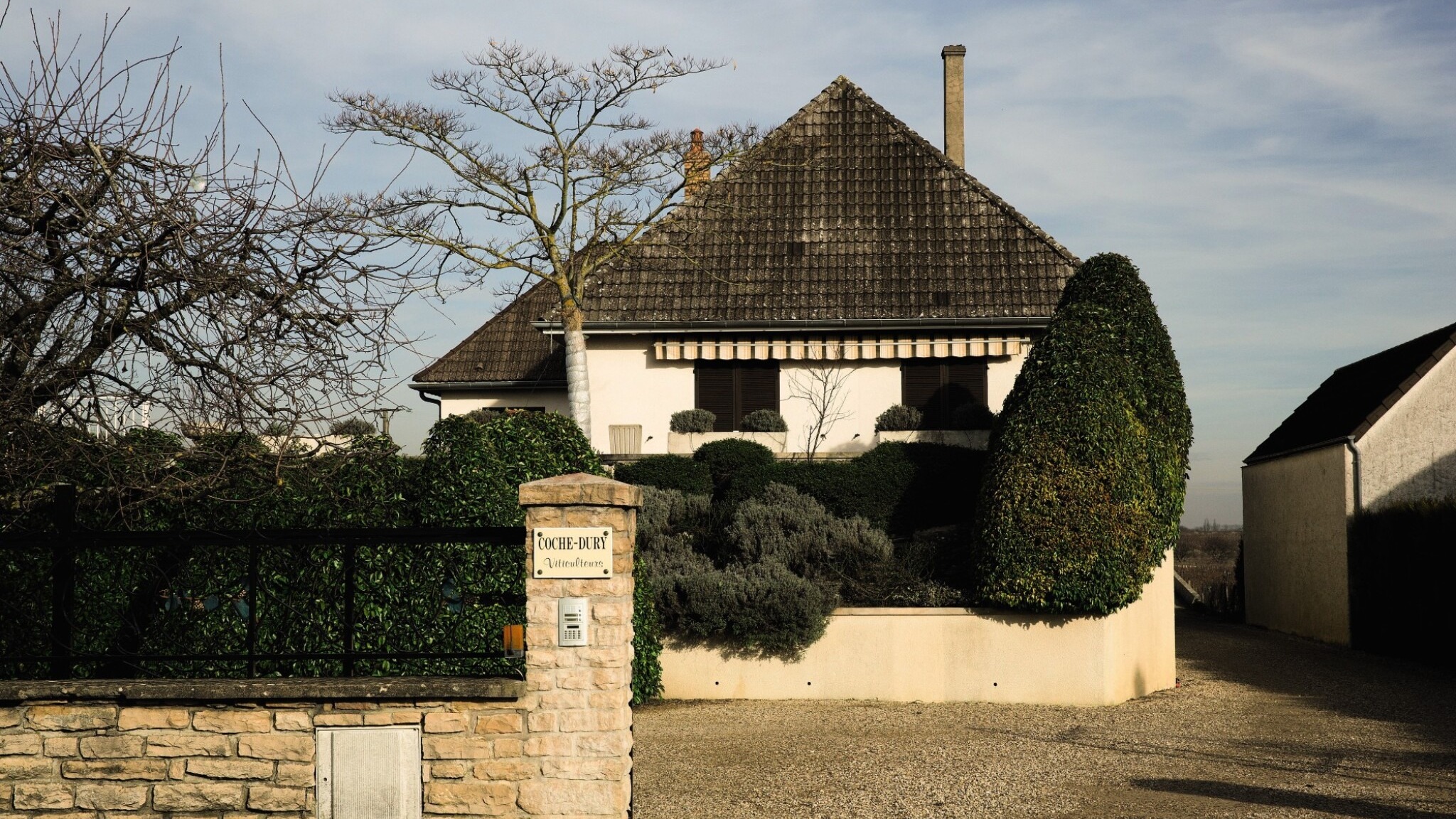
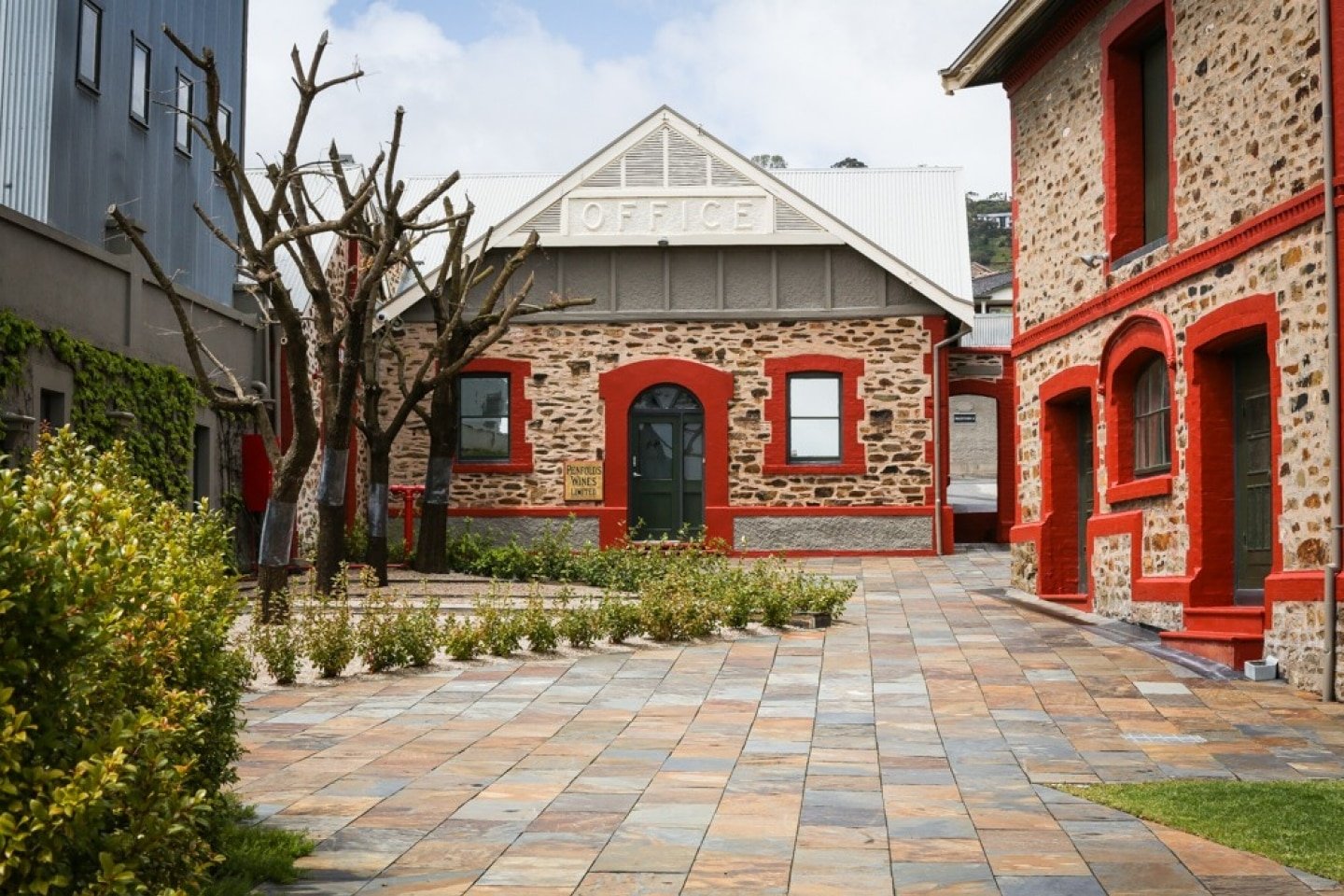
The place reads as a family estate before it reads as a tasting address. The rhythm is quiet, rustic, and classic: vineyard work outside, cellar work inside, the tasting room held close to the production rather than separated from it. In that kind of room, polish comes from order. Bottles sit as the end of the sequence, not the beginning of the story. The pass is agricultural here; it moves through pruning, picking, pressing, ageing, and release. A visitor looking for spectacle would miss the point. The useful details are smaller: the independent mark on the bottle, the Anjou appellation, the family name repeated because the work has not been handed off.
What remains in the family name
The estate’s next move is not presented as a public reveal or a change of guard. The continuity is the point: Jean-Louis remains in post, keeping the vineyard, cellar, and commercial independence aligned under one roof. Follow the bottles for the clearest record of that work, especially the 2024 Chenin.
Know before you go
- Reservations
- appointment_only
Address
Brigné, Anjou, Center-Val de Loire, Frankreich
Brigné sur Layon