Eas Amyntaion
- 01CityAmyntaio, Greece

- Falstaff Winery - Listed · 2026
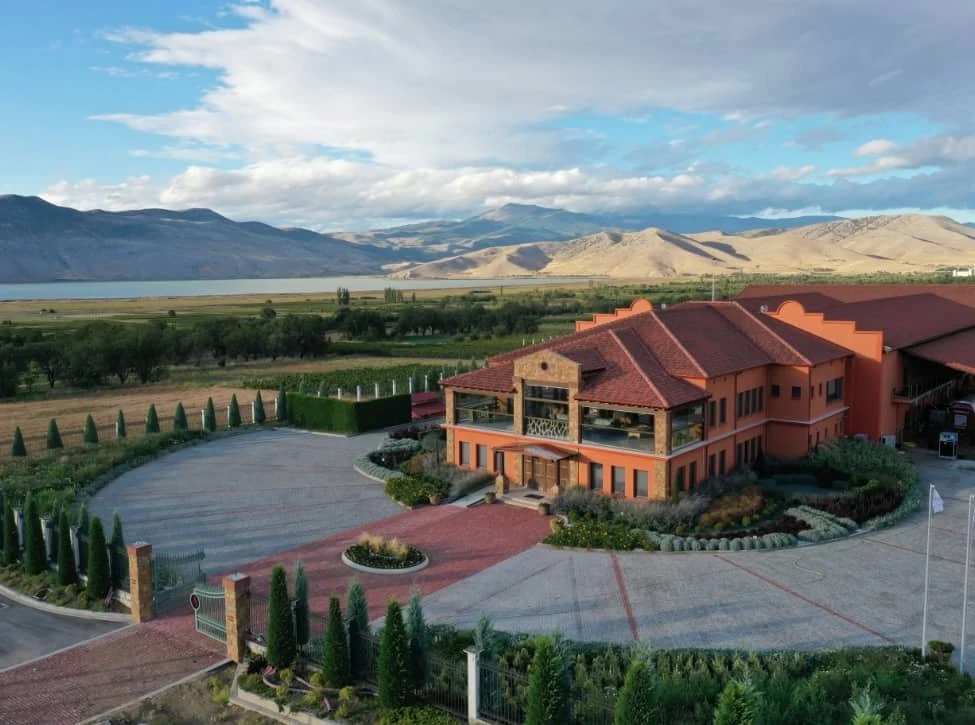
Approaching Eas Amyntaion in Amyntaio means adjusting expectations before thinking of it as a visitor attraction in the polished estate sense. This is a historic cooperative winery in the Amyntaio PDO area, with a classic, functional, production-focused atmosphere rather than a design-driven estate feel. The emphasis is on its long-running regional role and practical winery character, not on architectural spectacle or lifestyle hospitality. In that context, its interest comes from the impression of a working regional institution: a place to read through the lens of cooperative production, local continuity, and the more everyday side of wine infrastructure.
Because the public details are limited, the safest way to understand Eas Amyntaion is through what is clearly known: it is a cooperative winery in Amyntaio, associated with the local PDO area, and it presents a classic, rustic setting. That is enough to give it a distinct place in a wine itinerary, but not enough to assume a complete visitor program. Specific claims about tasting formats, tour languages, hours, reservations, menus, or visitor capacity should be confirmed directly before planning around them. In practical terms, it is better approached with curiosity and flexibility than with fixed expectations about service style.
Cooperative scale and regional winery history
Eas Amyntaion is best framed as a historic cooperative winery in the Amyntaio PDO area. Its identity is tied to cooperative production and regional continuity rather than to a boutique-estate narrative. The atmosphere is classic and functional, reflecting a winery built around production. That distinction matters, because the experience suggested by the setting is not one of curated luxury, but of a more established regional wine structure, where the winery’s importance is connected to the place it occupies within Amyntaio.
The cooperative character is the main point of interest. Eas Amyntaion reflects the region’s original winery role and offers a more grounded, production-led impression than a design-focused estate. That makes it most relevant for travellers who want to understand Amyntaio through its long-running winery infrastructure. Rather than treating the stop as a conventional hospitality showcase, it is more accurate to see it as a way of encountering the practical background of the PDO area: the kind of setting where the idea of regional wine is connected to collective production, continuity, and a less decorative sense of place.
Visitors interested in those points should check current information with the winery before making plans. That is especially important because the available description supports the general character of the winery, but does not verify the details that often shape a visit, such as what may be offered on a particular day or how access is handled.
A production-first winery, not a design-estate performance
The clearest description of Eas Amyntaion is its production-first feel. Expect a classic, rustic cooperative winery atmosphere in Amyntaio rather than a highly designed visitor estate. The appeal is the sense of an established working winery in the PDO area. For travellers used to estates where architecture, hospitality spaces, and lifestyle presentation define the visit, this requires a different reading. Here, the point is the functional character itself: the impression of a winery whose identity is rooted in production and regional purpose.
For that reason, it is best to contact the winery directly before relying on any specific visitor-service assumption. The setting may be of interest precisely because it is not being described through a polished list of visitor amenities, but that also means practical details should not be guessed. If a visit depends on a tasting, a tour, a particular language, food availability, or a fixed schedule, those elements need direct confirmation.
For a broader Amyntaio plan, treat Eas Amyntaion as a focused winery stop and compare it with other dining or travel options in Amyntaio generically, depending on what is currently open and available. It can sit in an itinerary as the cooperative, production-led counterpoint to more hospitality-forward experiences, but the rhythm of the day should remain adaptable. Its value lies in context and character, not in assuming a resort-style or design-led wine visit.
How it fits into Greek wine travel
Within Greek wine travel, Eas Amyntaion belongs to the cooperative and regional-history side of the conversation. Its value is not presented here through awards, luxury design, or a detailed hospitality program, but through its identity as a historic cooperative winery in Amyntaio. That makes the venue especially useful for travellers who want to look beyond the most curated expressions of wine tourism and understand how a PDO area can also be represented by long-running, practical, collective winery structures.
That makes it a useful stop for travellers who appreciate classic, functional winery settings. The page does not verify specific wines, tastings, food service, hours, or accolades, so those details should be checked directly if they matter to the visit. The strongest reason to include Eas Amyntaion is therefore not a promise of particular services, but the chance to place Amyntaio’s wine identity in a more grounded frame: cooperative, regional, historic, and production-first.
Questions
Frequently asked
How expensive is Eas Amyntaion?
Eas Amyntaion is listed at a price level of $$.
The field
How it compares
| Place | Notes | Awards |
|---|---|---|
| Eas Amyntaion | Amyntaio, $$ | · |
| Alpha Estate | Amyntaio | · |
| Château Montrose | Saint-Estèphe | · |
| Chateau Petrus | Pomerol | · |
| Domaine Leroy | Vosne-Romanée | · |
| Jacques Selosse | Avize | · |
| Klein Constantia | Cape Town | World's 50 Best |