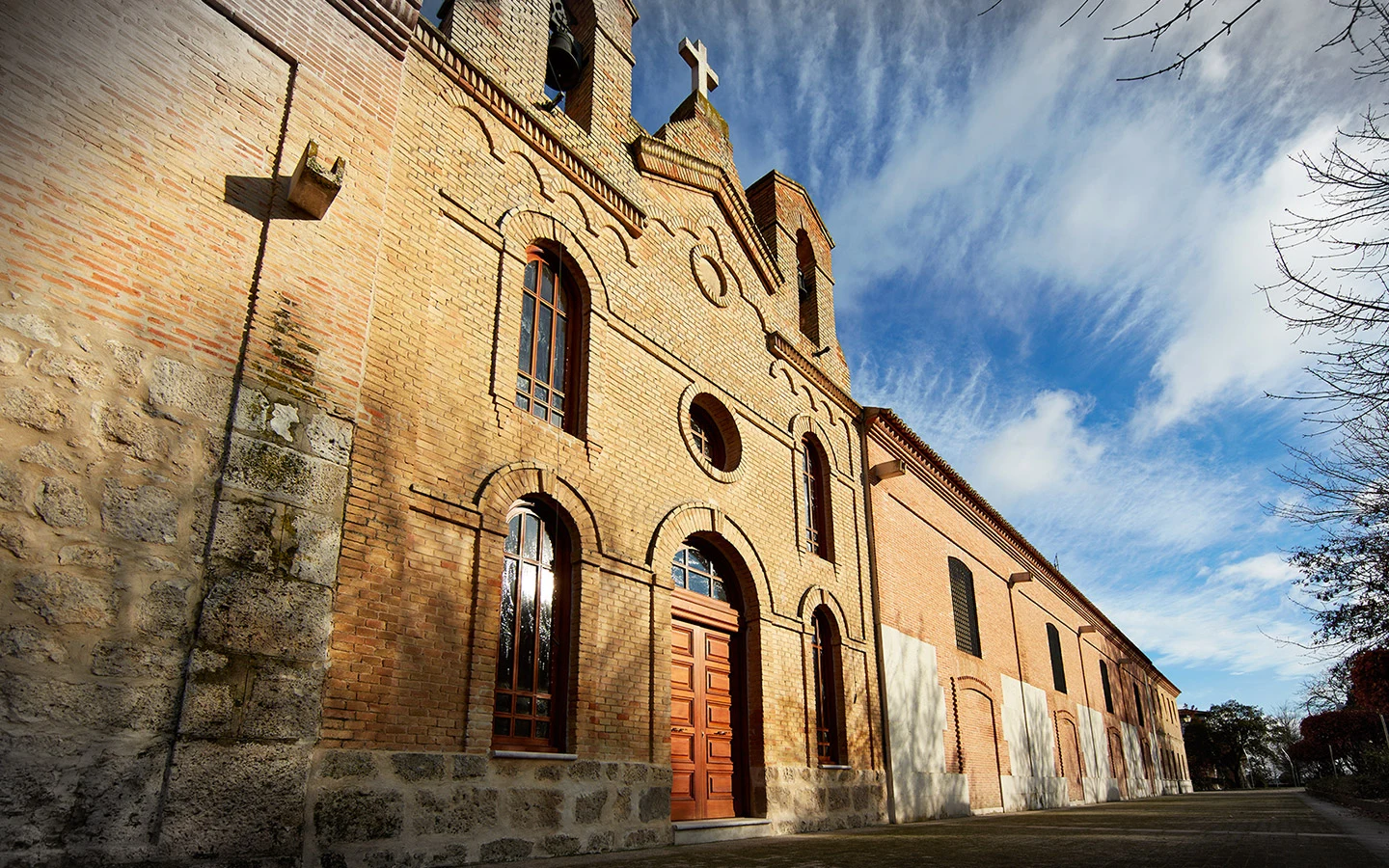
Edi Simčič Wine Estate
- 01CityDobrovo, Slovenia

- Falstaff Winery - 4 Stars · 2026
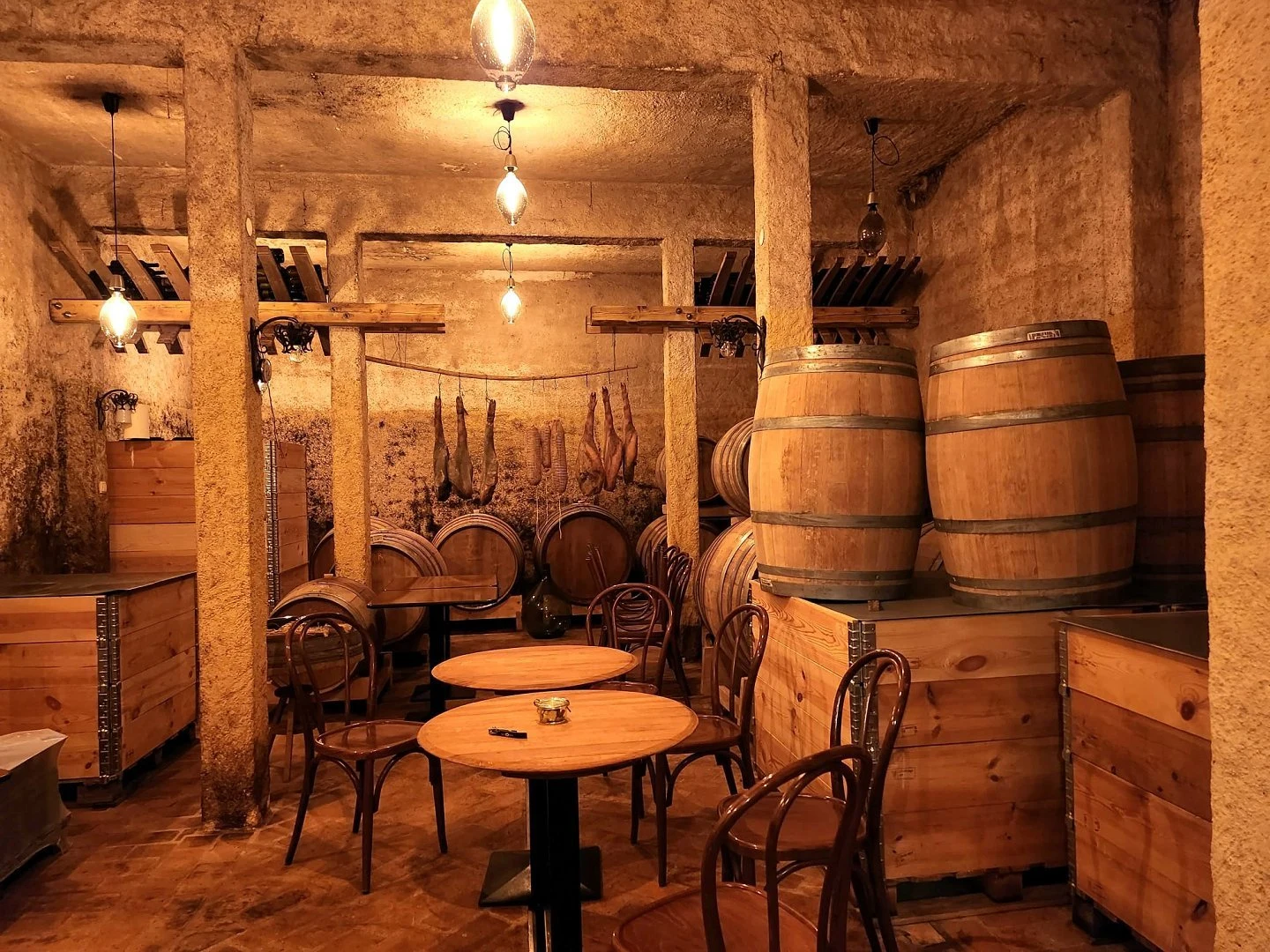
Approaching a Brda winery is rarely just a cellar-door exercise. The hills do part of the argument before the first glass appears: terraced vineyards, Alpine air cutting into Mediterranean warmth, and a wine culture that has learned to speak both Slovenian and Italian fluently. Edi Simčič Wine Estate fits that setting with a contemporary building, art-filled cellar spaces and a tasting rhythm built around explanation rather than spectacle.
Dobrovo sits inside Goriška Brda, the Slovenian side of a cross-border wine culture often discussed alongside Collio. The point here is not scale; it is precision. Boutique family estates in this part of Slovenia tend to earn attention when they make Rebula feel anchored rather than decorative. Edi Simčič Wine Estate works in that lane, with Edi Simčič and Aleks Simčič associated with a portfolio that gives Rebula the lead while keeping enough breadth to show how Brda handles both white and red varieties.
Rebula, Brda soil and the Alpine-Mediterranean line
Goriška Brda’s signature grape is Rebula, also known across the border as Ribolla Gialla. The grape has centuries of local history, and regional plantings account for about 21 percent of Brda vineyard area, roughly 371 hectares. That matters because Rebula is not a token local variety here; it is one of the region’s core measures of seriousness.
The estate’s varietal range reads like a map of Brda’s mixed climate: Rebula, Malvazija, Tokaj, Sivi Pinot, Beli Pinot, Chardonnay, Sauvignon, Merlot, Cabernet Sauvignon and Cabernet Franc. White wines carry the regional argument, especially when Rebula appears in both classic and skin-contact orange styles. Reds and fortified or dessert expressions broaden the visit, but the sharper editorial reason to come is to understand why Brda whites have become a reference point for Slovenia’s international wine conversation.
The production scale is small, around 12 hectares of vineyards, which places the estate in the quality-driven family-winery category rather than the volume-cellar model. That scale supports a tasting format where the vineyard story can stay specific: Brda’s rolling hills, the meeting of Northern Mediterranean and Southern Alpine conditions, and the way these forces shape acidity, ripeness and structure. The portfolio includes still white, still red, sparkling, orange, dessert and fortified wines, so the visit is less a single-style showcase than a compact survey of what the region can carry.
A modern cellar format with art, not theatre
Slovenian wine tourism has often been strongest when it avoids overproduced performance. In Brda, the more persuasive rooms tend to put the vineyard, the cellar and the host’s explanation ahead of stagecraft. This estate’s modern architecture and contemporary interiors add polish, but the format remains grounded: seated tastings, estate tours, cellar tours and vineyard walks, with a conversational noise level and a small-capacity feel.
The hospitality signal is unusually clear for a rural wine estate: English, Slovene, Italian, German and French are listed for tours, which broadens the audience without flattening the experience into a generic international tasting. Food pairings are part of the offer, and the setting supports outdoor seating, vineyard and mountain views, and estate-ground formats rather than a purely bar-counter pour. The estate is also dog friendly and wheelchair accessible, details that change the planning calculus for travelers moving through Brda by car.
Ratings add a public trust marker, with Winetourism.com listing 4.9 out of 5 from 17 reviews. That is not the same as a critic’s medal or an international award, but it does show consistency across visitor reports, especially for explanation-led tastings and hospitality. In a region where many serious producers remain small and appointment-oriented, that consistency is worth reading as a format signal.
How to place it in a Dobrovo wine day
The stronger way to plan Dobrovo is by theme rather than by collecting cellar doors. Edi Simčič Wine Estate suits a Brda itinerary focused on Rebula, design-conscious hospitality and the meeting point between wine education and scenic estate visiting. Travelers building a fuller route can pair the visit with the wider Dobrovo winery circuit through Our full Dobrovo wineries guide, while those staying longer can use Our full Dobrovo restaurants guide, Our full Dobrovo hotels guide, Our full Dobrovo bars guide and Our full Dobrovo experiences guide to make the day work beyond the tasting room.
For nearby wine context, Dobrovo and the surrounding region reward a broader look at producers with different emphases. Useful starting points include Atelier Kramar, Marjan Simčič Domaine, Vinska klet Goriška Brda, Blažič in Dobrovo v Brdih, Bjana in Biljana, Batič in Sempas and Burja in Podnanos. For a wider Central European lens, see Conrad Fürst & Söhne in Ptuj, »der Steiner« Hans Steiner in Podersdorf am See and & Handwein in Mannheim.
The editorial case is clear: come for Brda through Rebula, not for a trophy-wall visit. The estate’s small production scale, broad varietal range, modern cellar environment and multilingual tasting structure make it a strong fit for travelers who want regional context with enough polish to feel intentional. In Dobrovo, that combination is often more valuable than grandeur.
Questions
Frequently asked
How expensive is Edi Simčič Wine Estate?
Edi Simčič Wine Estate is listed at a price level of $$.
The field
How it compares
| Place | Notes | Awards |
|---|---|---|
| Edi Simčič Wine Estate | Goriška Brda, $$ | · |
| Atelier Kramar | Dobrovo | · |
| Château La Fleur-Pétrus | Pomerol | · |
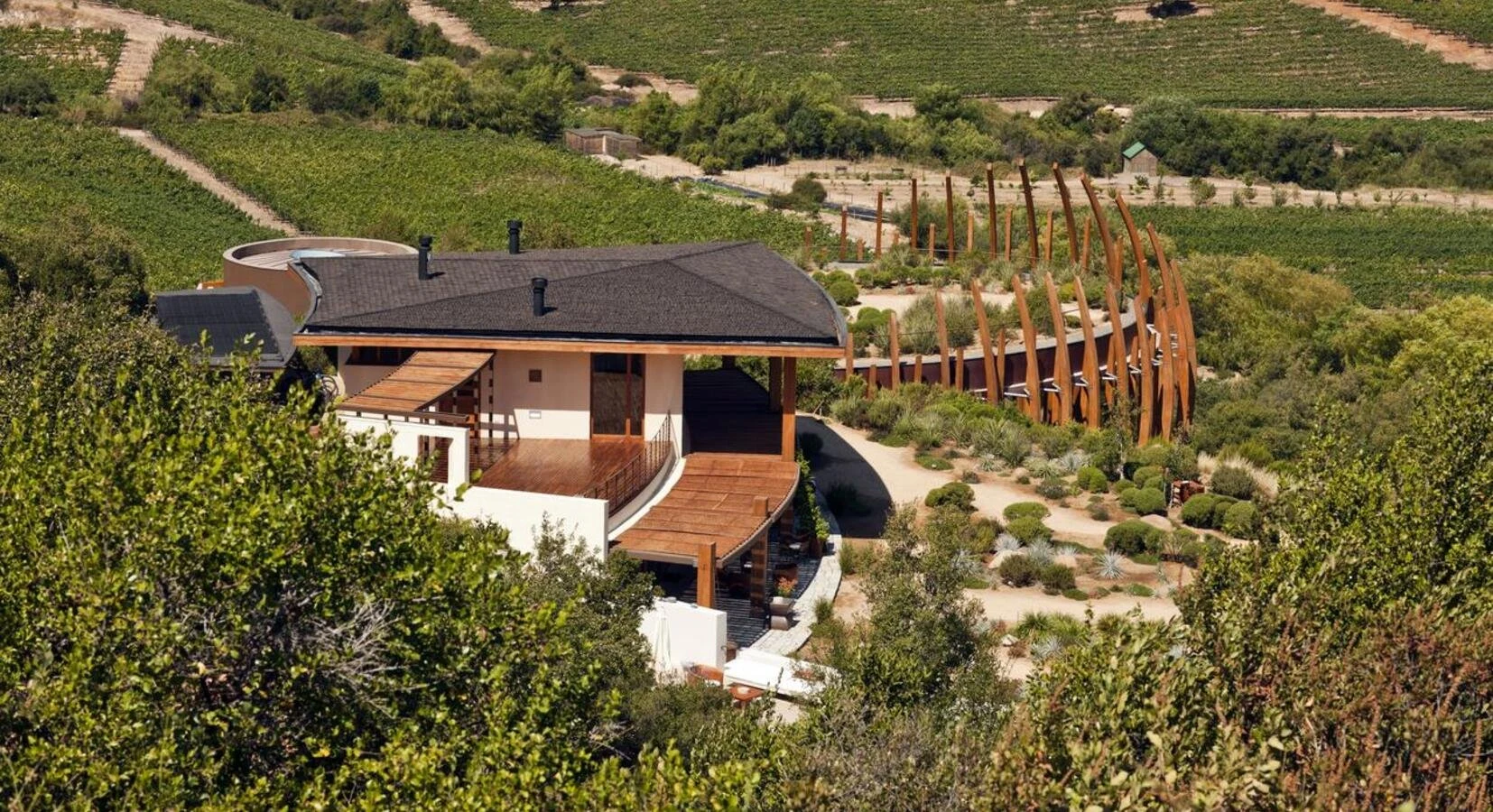
| Clos Apalta (Casa Lapostolle) | Santa Cruz | World's 50 Best |
| Marjan Simčič Domaine | Dobrovo | · |
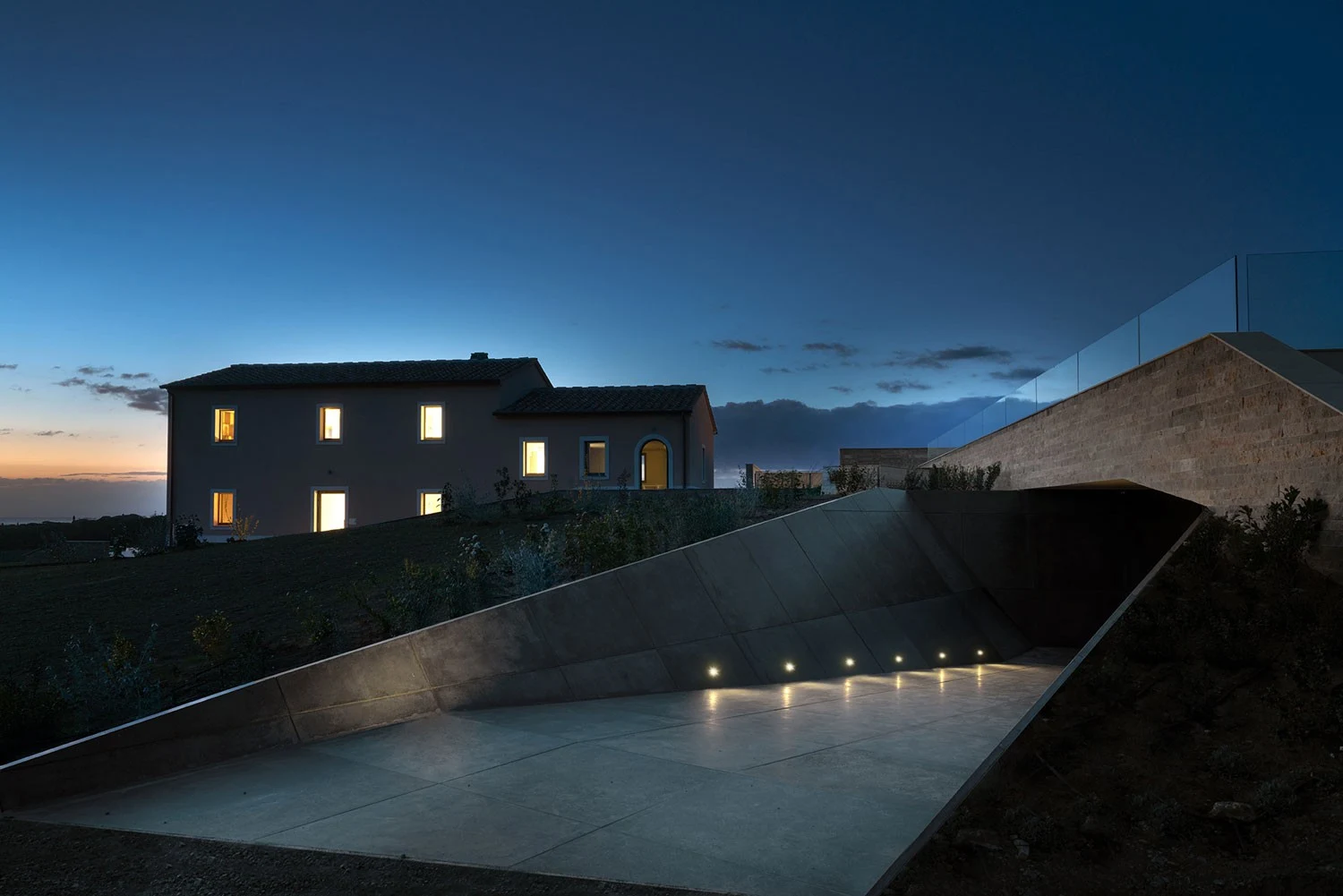
| Masseto | Castagneto Carducci | · |
| Vega Sicilia | Valbuena de Duero | · |