- Falstaff Winery - Listed · 2026
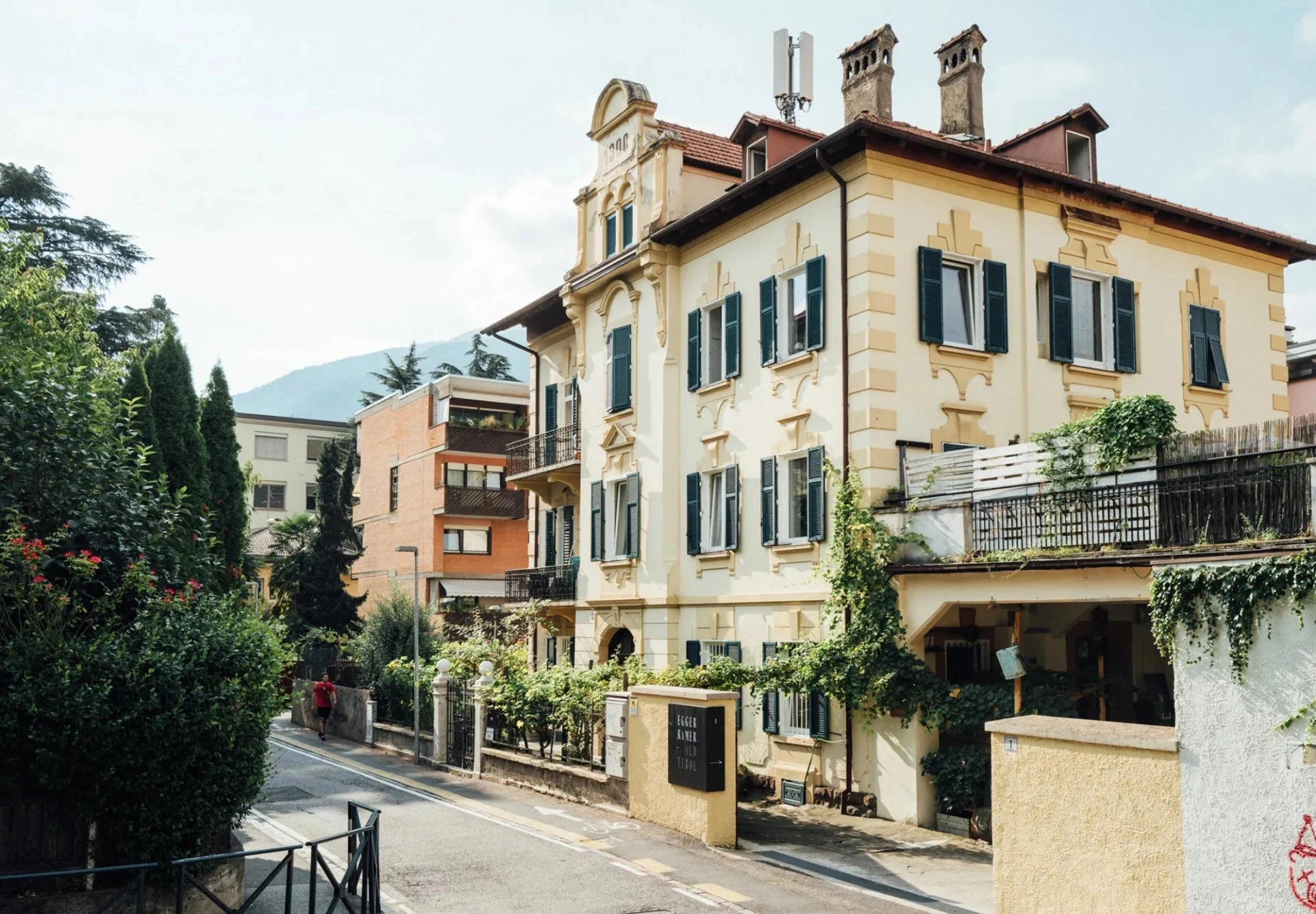
Bozen’s wine culture is not confined to postcard vineyards outside town. Part of its character comes from urban cellars and wine shops where a working estate can sit inside the city’s daily rhythm: conversational rooms, bottles lined for direct sale, and a focus on classic South Tyrolean varieties rather than elaborate staging. Egger Ramer Tenuta belongs to that tradition, a family-run urban winery whose appeal is the closeness between city, cellar and regional wine identity.
The picture is deliberately direct. Egger Ramer Tenuta is best understood as a classic, cozy and intimate stop in Bozen, with a traditional wine shop atmosphere rather than a resort-style visitor experience. The price level is listed as $$, and its hours are clearly defined in official and regional sources, though travelers should still check the current schedule before planning a visit.
Bolzano terroir in an urban cellar format
The estate’s format matters because it resists the polished tourist-winery model. The available description points to a family-run urban winery in Bozen with a direct, traditional wine shop atmosphere. That makes the setting more practical than theatrical: a working estate focused on classic South Tyrolean varieties, presented in a compact city context.
For visitors trying to understand Bozen through wine, that is useful. This is not a page that can responsibly promise a specific tour length, tasting lineup, cellar route, food pairing or language format, because those details are not part of the record here. What can be said with confidence is that Egger Ramer Tenuta’s identity is tied to South Tyrolean wine culture, a working urban-estate setting, and a modest, traditional style of hospitality.
That restraint is part of the point. In a region where wine tourism can sometimes become wrapped in architecture, scenery or heavily programmed experiences, Egger Ramer Tenuta is better framed as a grounded Bozen wine address. The atmosphere is classic, cozy and intimate, and the draw is the estate’s traditional focus rather than spectacle.
What the tasting format says about Alto Adige
Guests should not plan around assumptions such as lunch service, outdoor seating, a set tasting route or a particular beverage program beyond the estate’s focus on wine.
What the record does support is a clear tone: family-run, urban, traditional and focused on classic South Tyrolean varieties. That makes the venue relevant for travelers who prefer a direct sense of place over a highly staged experience. The appeal is not a claim of luxury or elaborate service; it is the quieter value of encountering a working estate within the city.
The dress-code guidance also points in this direction. Egger Ramer Tenuta reads as classic, cozy and intimate rather than formal or showy. Visitors can treat it as a relaxed but respectful wine stop: the kind of place where the atmosphere is shaped by the shop, the bottles and the estate’s local identity.
How to place it in a Bozen wine itinerary
Egger Ramer Tenuta fits travelers who want a grounded Bozen wine stop with a family-run character and a traditional shop atmosphere. It is especially relevant for readers who want to understand the city’s wine culture through a working urban estate rather than through a countryside destination or an elaborate tourist complex.
Within Bozen, it can be considered alongside other local dining and wine-related planning in a general sense, but this guide does not need to name or rank other venues to explain its role. The practical appeal is simple: Egger Ramer Tenuta offers a modest, city-based way to encounter classic South Tyrolean wine identity, with a price level of $$ and clearly defined hours in official and regional sources.
For planning, the main editorial advice is to keep expectations precise. Do not assume a full restaurant experience, a specific guided format, a particular tasting sequence, or detailed visitor amenities unless confirmed directly before going. Do expect a traditional, family-run urban winery in Bozen, with a classic and intimate atmosphere and a focus on the region’s established wine culture.
For a fuller Bozen stay, wine can sit beside the city’s other editorial layers: Our full Bozen restaurants guide, Our full Bozen hotels guide, Our full Bozen bars guide and Our full Bozen experiences guide. Readers building wider European winery routes can also compare Egger Ramer Tenuta with other urban or small-estate wine experiences generically, while keeping this Bozen address in its own local context.
Questions
Frequently asked
Who works at Egger-Ramer?
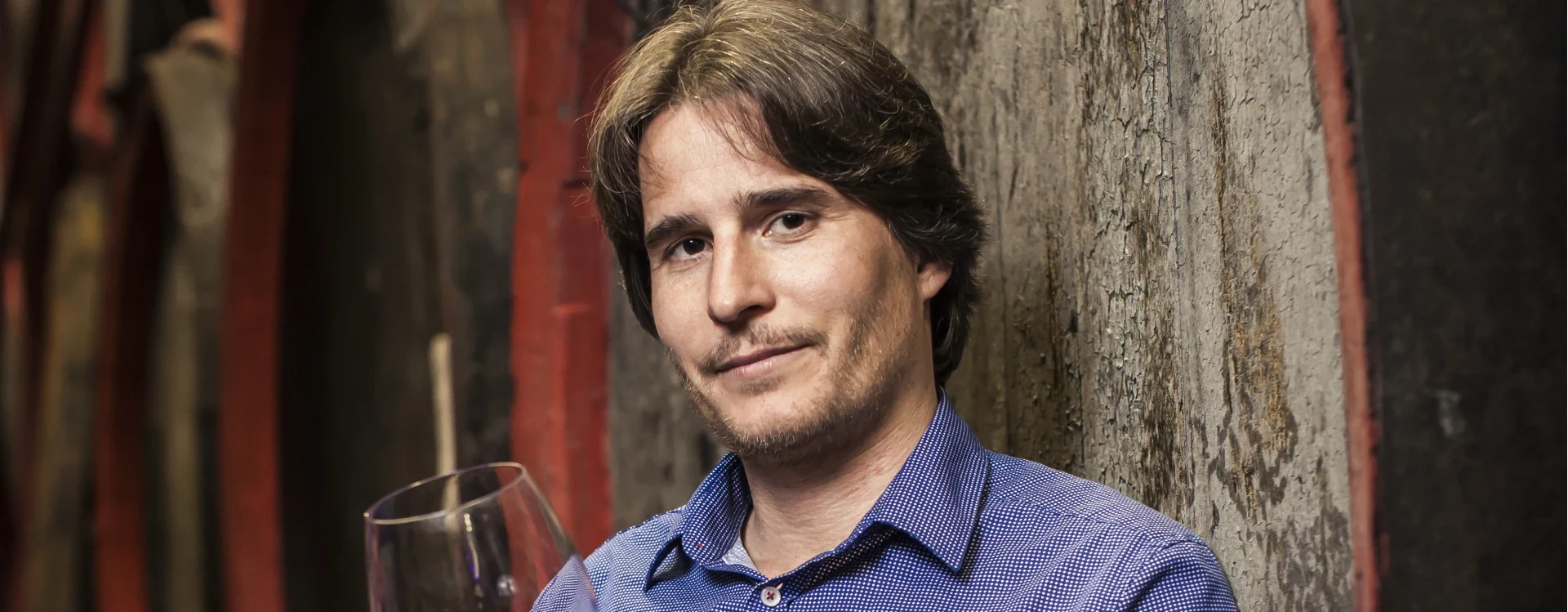
Made By profiles Peter Egger (Winemaker) at Egger-Ramer.
How expensive is Egger-Ramer?
Egger-Ramer is listed at a price level of $$.
The field
How it compares
| Place | Notes |
|---|---|
| Egger-Ramer | Bolzano, $$ |
| Scavi & Ray | Bolzano |
| Weingut Eberlehof | Bolzano |
| Weingut Griesbauerhof | Bolzano |
| Weingut Hans Rottensteiner | Bolzano |
| Weingut Loacker | Bolzano |
| Weingut Untermoser | Bolzano |