Skip to Content
    Made ByRestaurant

    El Baqueano
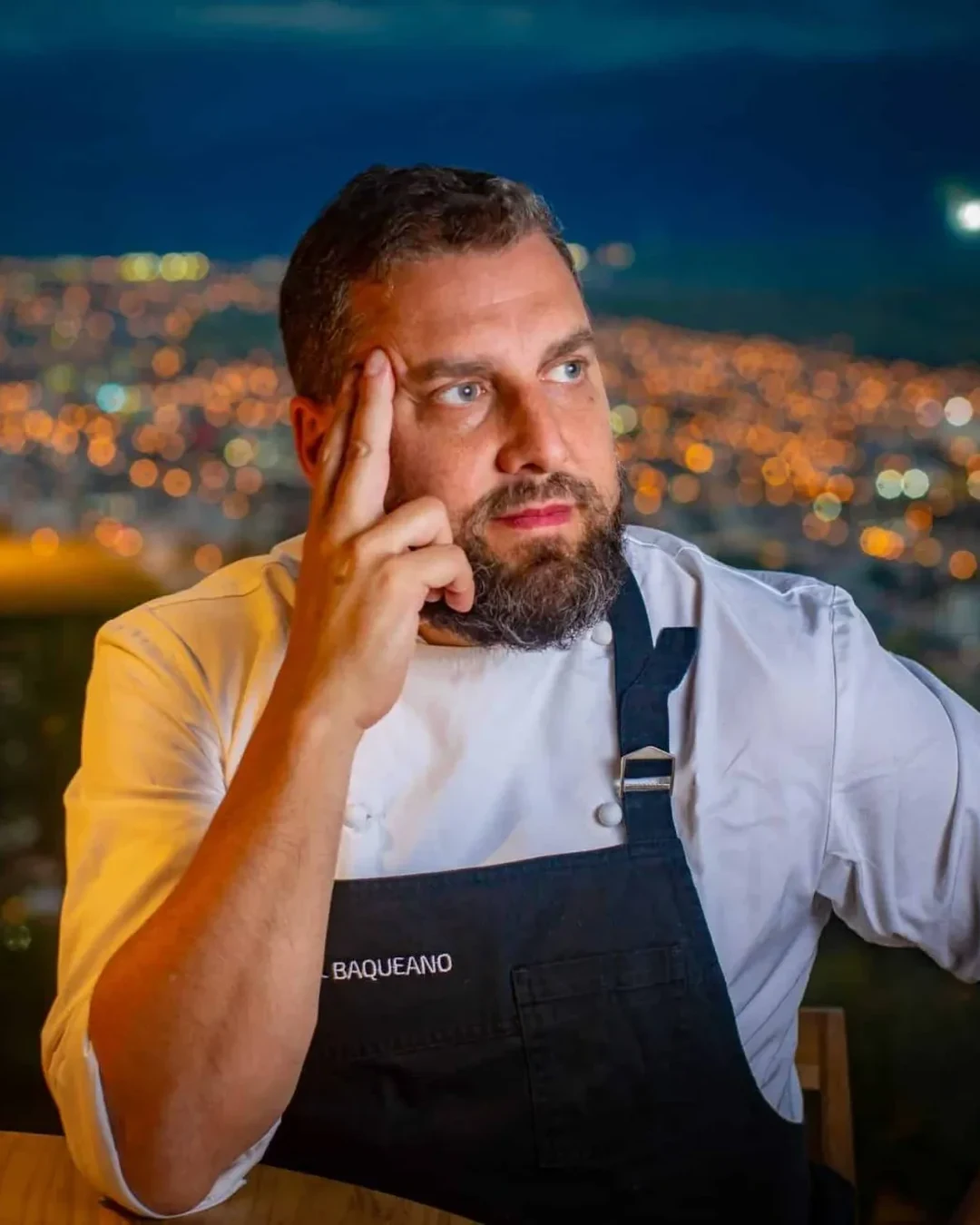
    Fernando Rivarola

    In Residence

    Fernando Rivarola

    Chef

    1. 01CuisineContemporary Argentine native cuisine tasting menu
    2. 02CityBuenos Aires, Argentina
    El Baqueano .null (restaurant)

    Fernando Rivarola, chef-owner of El Baqueano in Buenos Aires, cooks a native Argentine tasting menu shaped by producers, fishermen, and season.

    • Opinionated About Dining Top Restaurants in South America Ranked #38 · 2026

    A native kitchen held to the route

    Llama meets quinoa at the pass before Fernando Rivarola, chef-owner of El Baqueano in Buenos Aires, sends the tasting menu into the room. Since 2008, this has been his main station: a restaurant built around contemporary native Argentine cuisine, regional sourcing, and the discipline of translating countrywide ingredients into a precise dining format. The method is not a fixed catalogue of dishes. It is a working argument about place, memory, and edible geography, held course by course.

    Rivarola founded El Baqueano with sommelier Gabriela Lafuente, whose presence at the beginning matters to the shape of the house. Food and wine were not separated into kitchen and afterthought. The tasting menu and the wine program developed as one conversation, with Lafuente’s cellar logic set against Rivarola’s work with native meats, grains, fish, and plants. Rivarola’s training and refinement in Argentina, Spain, and Italy gave him a technical frame, but the restaurant’s attention turns inward, toward Argentine biomes rather than imported fine-dining grammar.

    Small producers across 18 ecoregions

    The sourcing brief at El Baqueano is stated plainly: the restaurant works with small local producers, collectors, and fishermen across Argentina’s 18 ecoregions. That sentence explains the kitchen better than any style label. The tasting menu follows seasonality and availability, so the work begins before mise en place, with the search for ingredients that carry a region’s texture without being flattened into folklore.

    Native and alternative meats have long been part of the house’s language. Llama crudo has appeared with three-colored quinoa, crunchy amaranto, and an ají panca emulsion; water buffalo, vizcacha, quinoa, corn, squash, and beans also sit within the restaurant’s known register. The gesture is not novelty for its own sake. Rivarola uses protein, grain, and vegetable choices to move the diner away from the automatic Argentine steakhouse reflex and toward a wider map of the country. A dish such as Homenaje a la Milpa carries corn, squash, and beans as a method of memory, not decoration. The pass keeps that memory composed.

    The room stays quiet around the menu

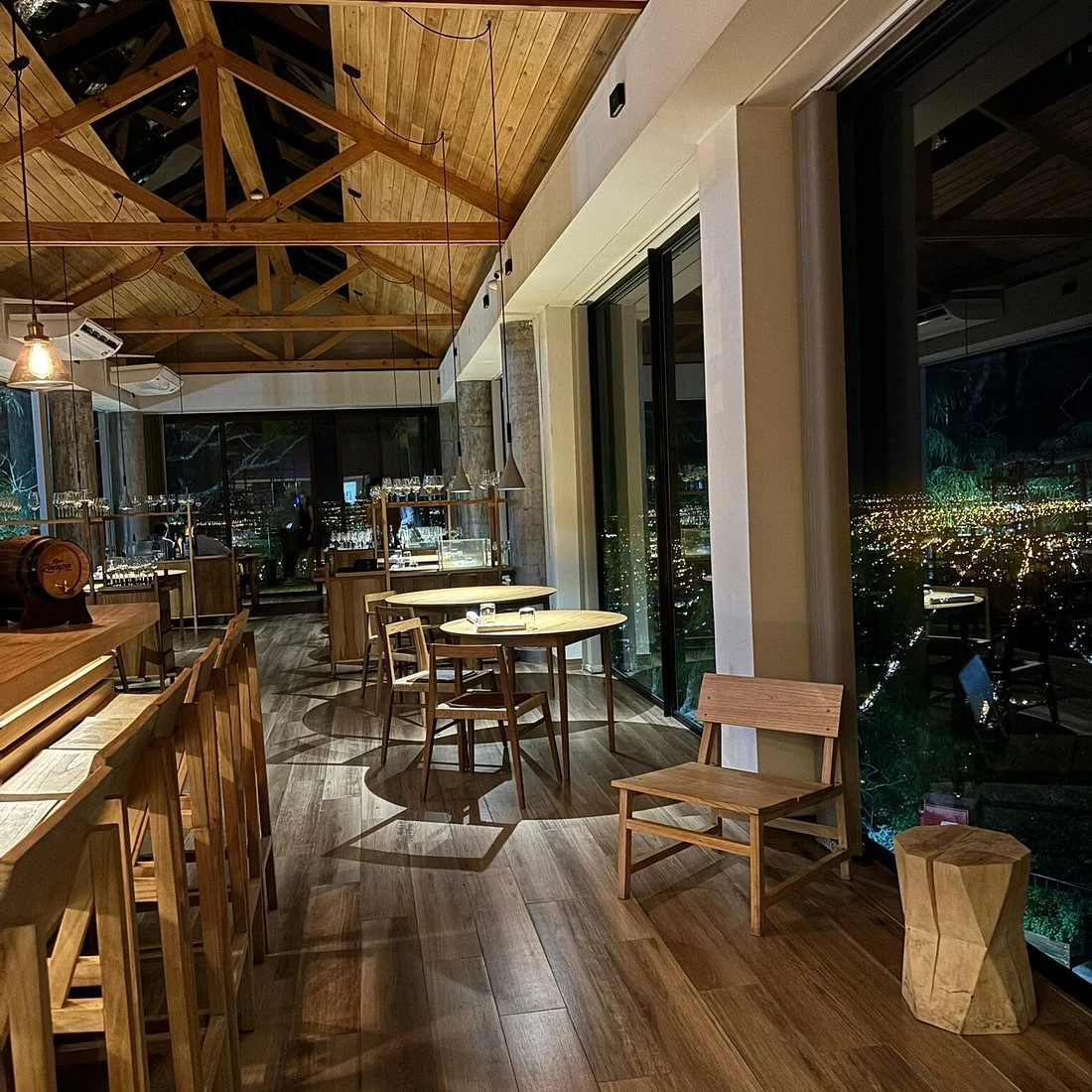
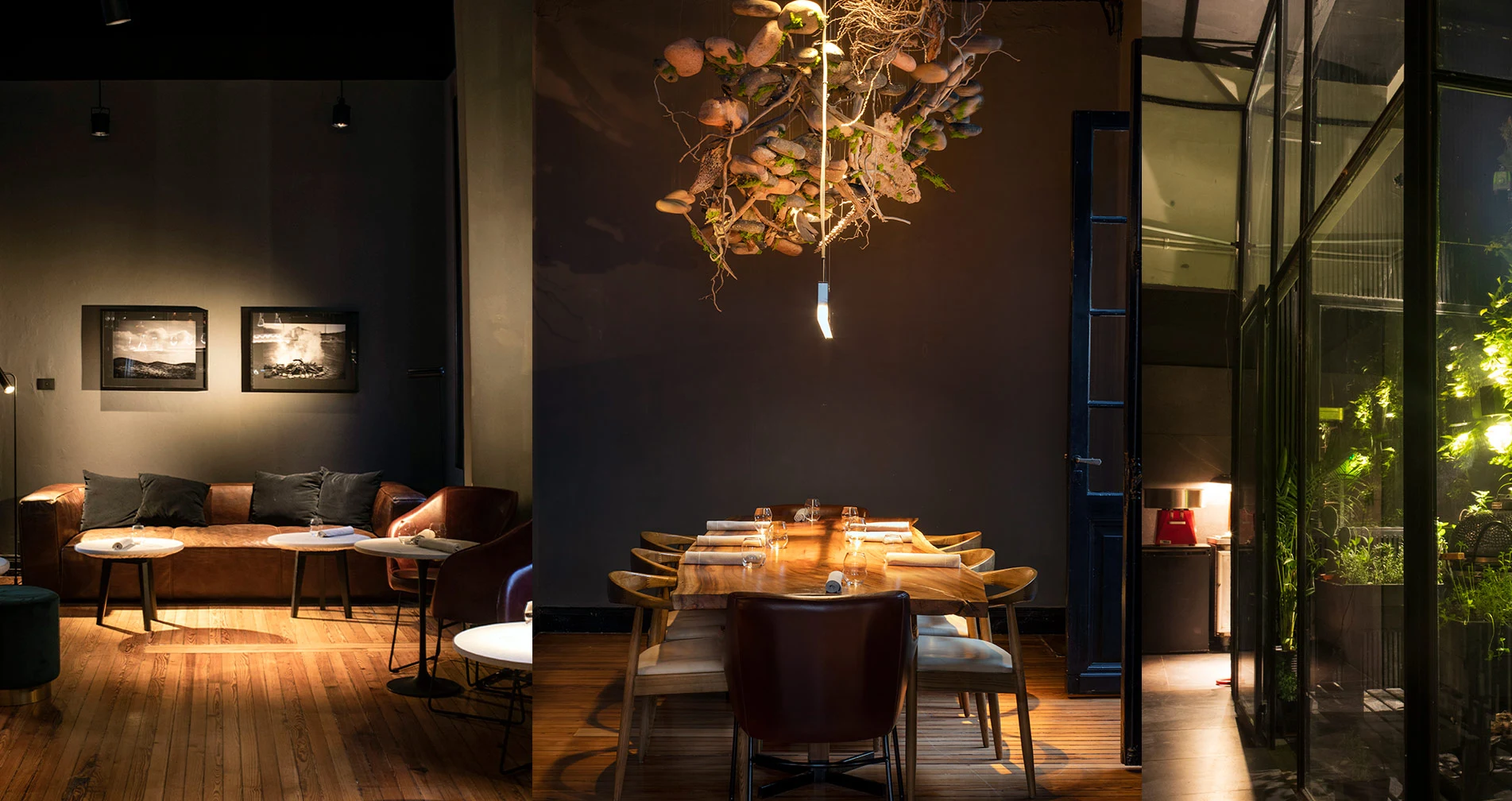
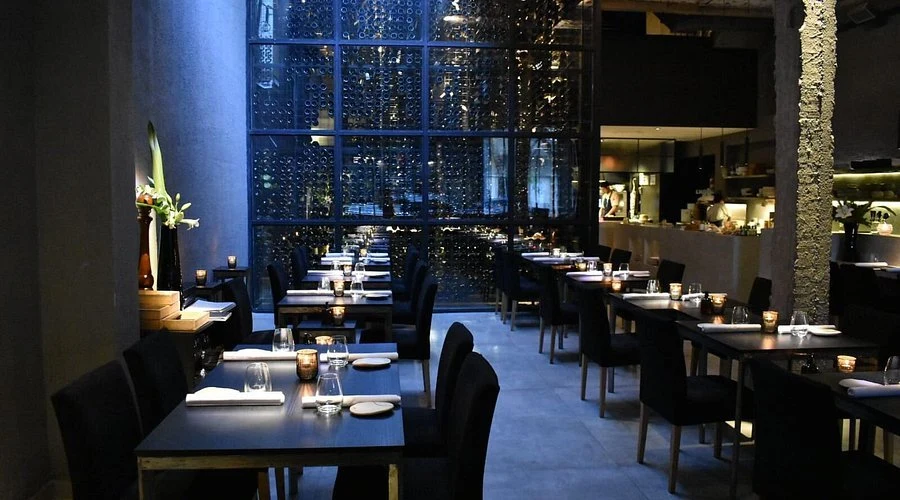
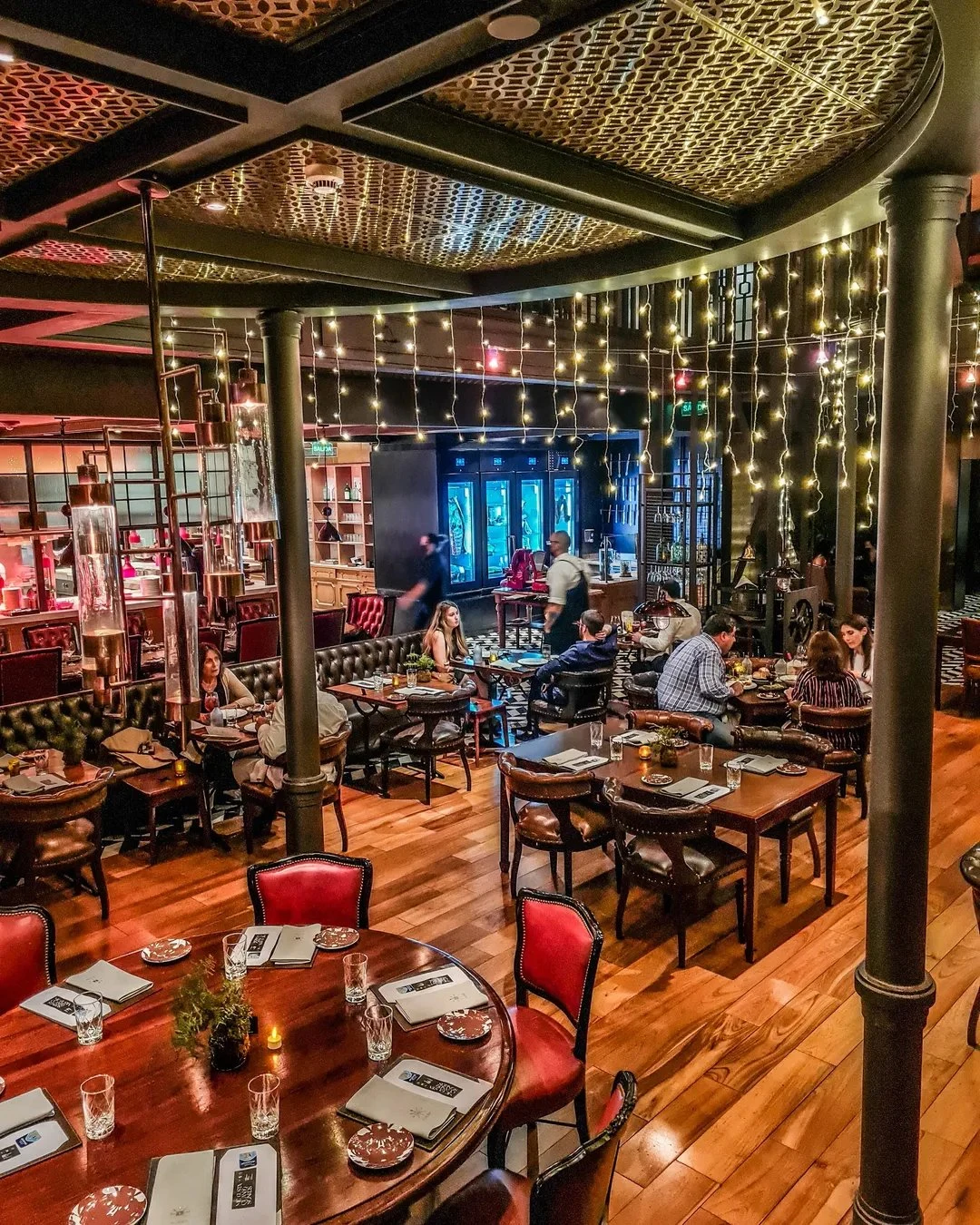
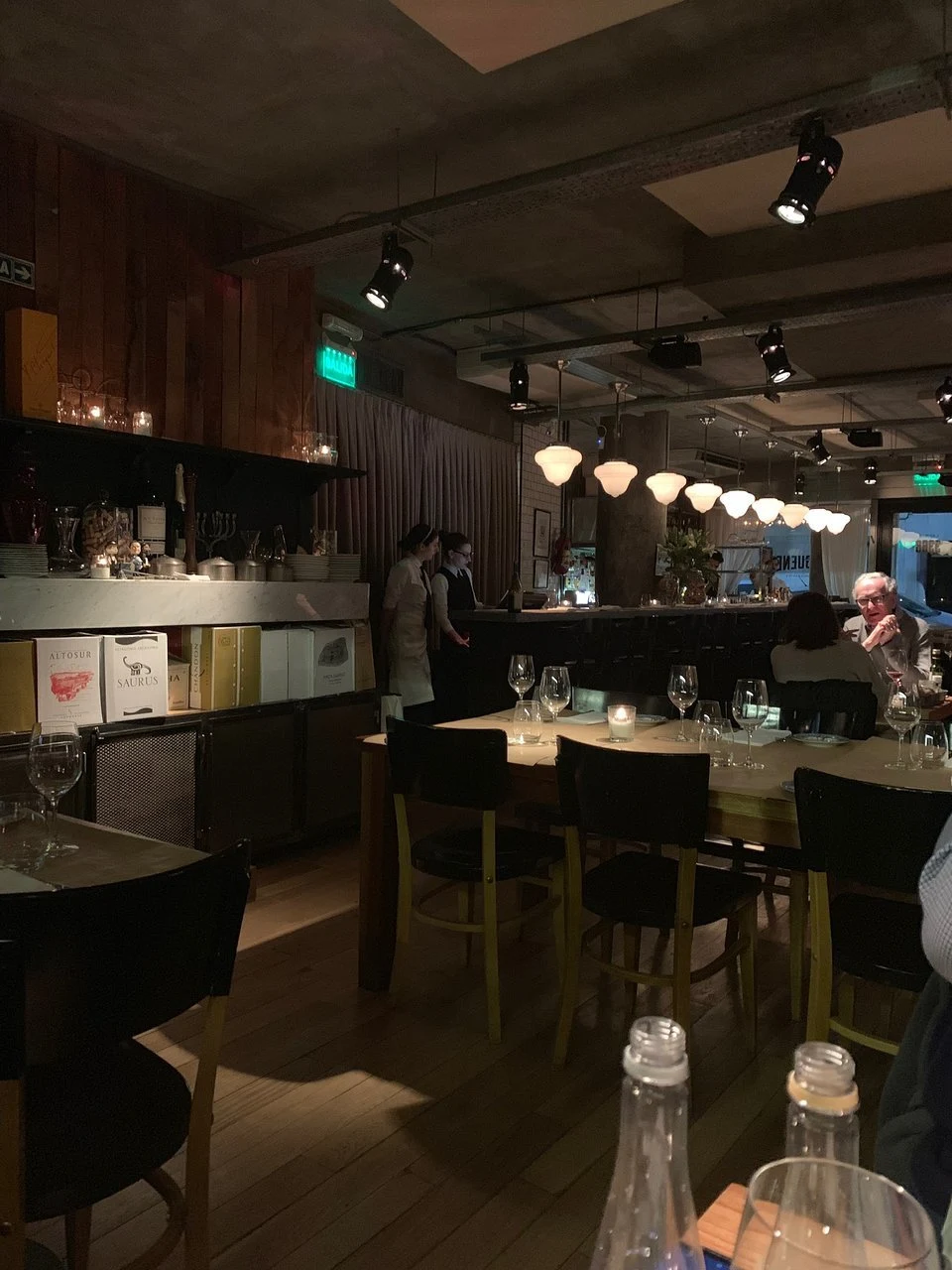
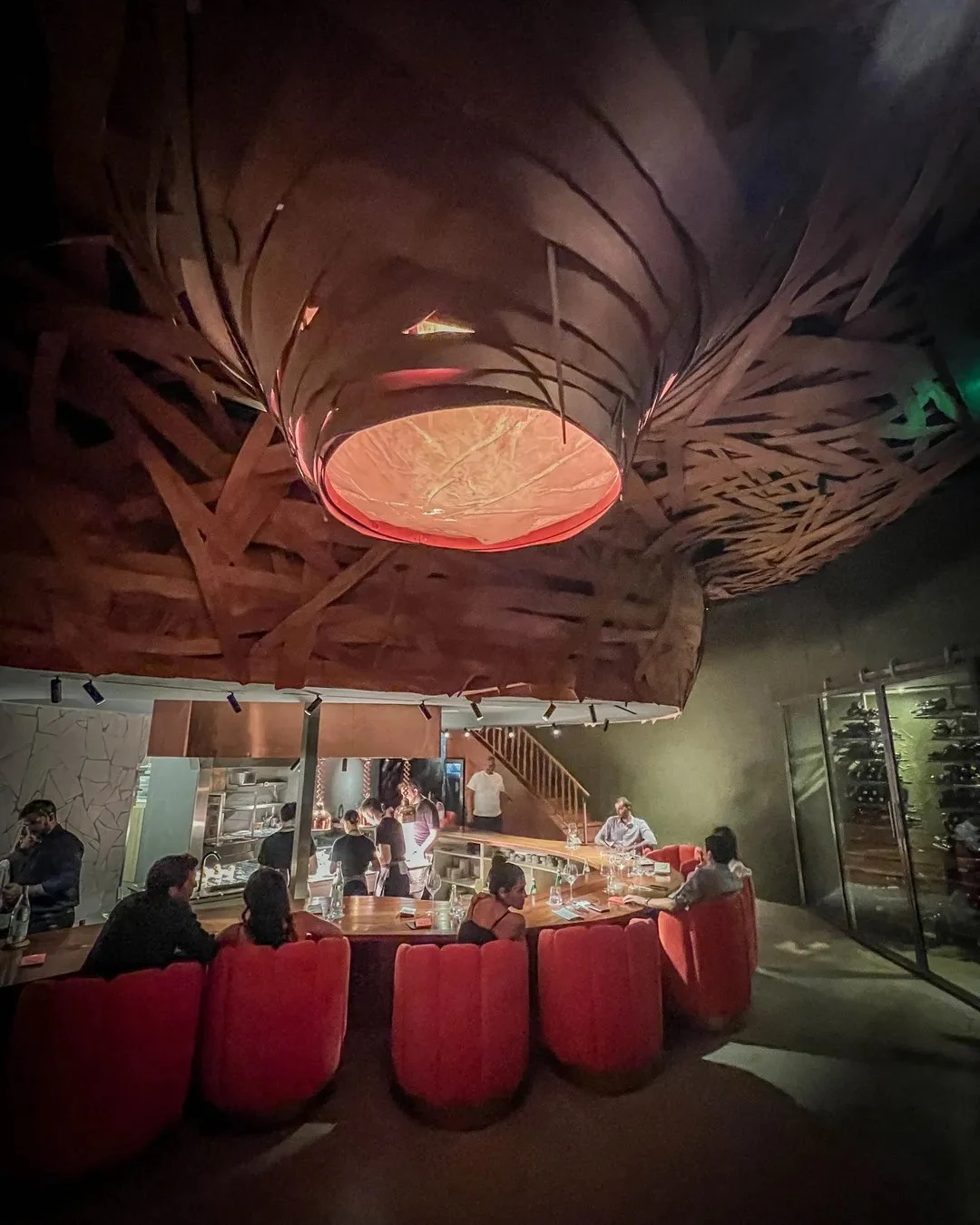
    The dining room gives the work space. Soft light, a restrained contemporary setting, and a quiet room keep attention on the sequence of plates and the pairings moving beside them. This is a small, formal restaurant in feeling, intimate without leaning on ornament. The counterpoint is useful: ingredients may arrive from collectors, fishermen, and producers far beyond Buenos Aires, but the room asks for concentration rather than spectacle.

    Service follows the tasting-menu format, which means the meal has a set rhythm. The pass leads, the room receives, and the wine program keeps pace with ingredients that do not always behave like conventional pairings. That is where El Baqueano’s discipline shows most clearly. The restaurant does not ask native Argentine cuisine to remain rustic, nor does it polish it until the origin disappears. It holds the middle distance, plate by plate, with Rivarola still working from the same thesis that gave El Baqueano its name in 2008.

    Cocina SIN Fronteras and the wider table

    In 2013, Rivarola extended the thinking behind El Baqueano through Cocina SIN Fronteras, a separate platform for exchange around flavor, territory, and culinary culture. The restaurant remains the bench where those ideas take plate form, while the platform gives the conversation another room.

    That next movement matters because El Baqueano has always treated the menu as contact rather than display: with producers, with fishermen, with collectors, with Argentina’s different biomes. The craft comes down to the dish that still says it clearly: Homenaje a la Milpa.

    Questions

    Frequently asked

    What kind of restaurant is El Baqueano?

    El Baqueano is a restaurant in Buenos Aires serving a contemporary Argentine native cuisine tasting menu. The kitchen is built around regional sourcing and a set menu that changes with seasonality and availability.

    Who is behind the restaurant?

    Fernando Rivarola is the chef-owner of El Baqueano. He founded the restaurant with sommelier Gabriela Lafuente, and food and wine were developed together from the start.

    What is the menu like?

    The menu is a tasting format built around native and alternative Argentine ingredients. Known dishes and preparations include native meats, three textures of quinoa, Homenaje a la Milpa with corn, squash, and beans, a water buffalo dish, and vizcacha meat salad.

    Is booking required?

    Reservations are essential at El Baqueano. The restaurant also has a smart casual dress code.

    The field

    How it compares

    PlaceCuisineNotesAwards
    El BaqueanoContemporary Argentine native cuisine tasting menu.null, $$$$·
    AramburuModern Argentine Haute CuisineBuenos AiresMichelin 2 Stars, World's 50 Best
    CriziaContemporary Argentine SeafoodBuenos AiresMichelin 1 Star, World's 50 Best
    Don JulioArgentinian Parrilla SteakhouseBuenos AiresMichelin 1 Star, World's 50 Best
    ElenaContemporary Argentinian SteakhouseBuenos Aires·
    MishigueneModern Jewish Immigrant CuisineBuenos AiresWorld's 50 Best
    TreschaModern Argentine Fine DiningBuenos AiresMichelin 1 Star, World's 50 Best

    In residence

    Similar places

    More in Buenos Aires← Browse all places