El Baqueano
- 01CuisineCocina Autóctona Contemporánea
- 02CitySalta, Argentina

Llama, quinoa, amaranth at the pass
- Opinionated About Dining Top Restaurants in South America Ranked #35 · 2025
- Opinionated About Dining Top Restaurants in South America Ranked #32 · 2024
- Opinionated About Dining Top Restaurants in South America Ranked #35 · 2023
A native brief at the pass
Since 2008, the kitchen has treated Argentina as a working pantry. Fernando Rivarola, Chef at El Baqueno in Buenos Aires, builds that method at the pass through endemic ingredients, small producers, collectors, and fishermen rather than through borrowed luxury. His role here is not only to cook llama, caiman, quinoa, amaranth, or regional fish, but to decide how those materials can hold their own inside a contemporary tasting menu.
Rivarola is chef-owner of El Baqueano, the house behind the El Baqueno page name, and the restaurant has been the main site of his work since 2008. The lineage published for him is not a mentor chain, but a practice: contemporary native Argentine cuisine, shaped through contact with the country’s ecoregions and the people who gather, raise, fish, or grow what the kitchen uses. In 2013 he extended that practice through Cocina SIN Fronteras, a separate platform for exchange beyond the restaurant. At this address, the discipline stays more direct. Ingredient, territory, plate.
Endemic ingredients in tasting-menu form
The menu works in a formal tasting format, with wine pairings held close to the cooking rather than added after the fact. Rivarola’s known signatures show the method clearly: llama carpaccio with three textures of quinoa, llama crudo with three-colored quinoa, crunchy amaranto, and ají panca emulsion, and Beef Crudo, Quinoa, Amaranth. Caiman also belongs to the restaurant’s ingredient register, part of a broader kitchen language built from native proteins and regional products.
Measurement enters here through range rather than volume. The restaurant’s own brief names work with small local producers and visits to collectors and fishermen across all ecoregions of the country. Another statement ties the project to the indigenous and endemic identity of Argentine biomes. Those are large claims, but the plate keeps them specific. A raw preparation asks for clean knife work and cold restraint. Quinoa moves from grain to texture. Amaranth gives crunch. Ají panca supplies heat and depth without pulling the dish away from its Argentine frame.
Low light around the table
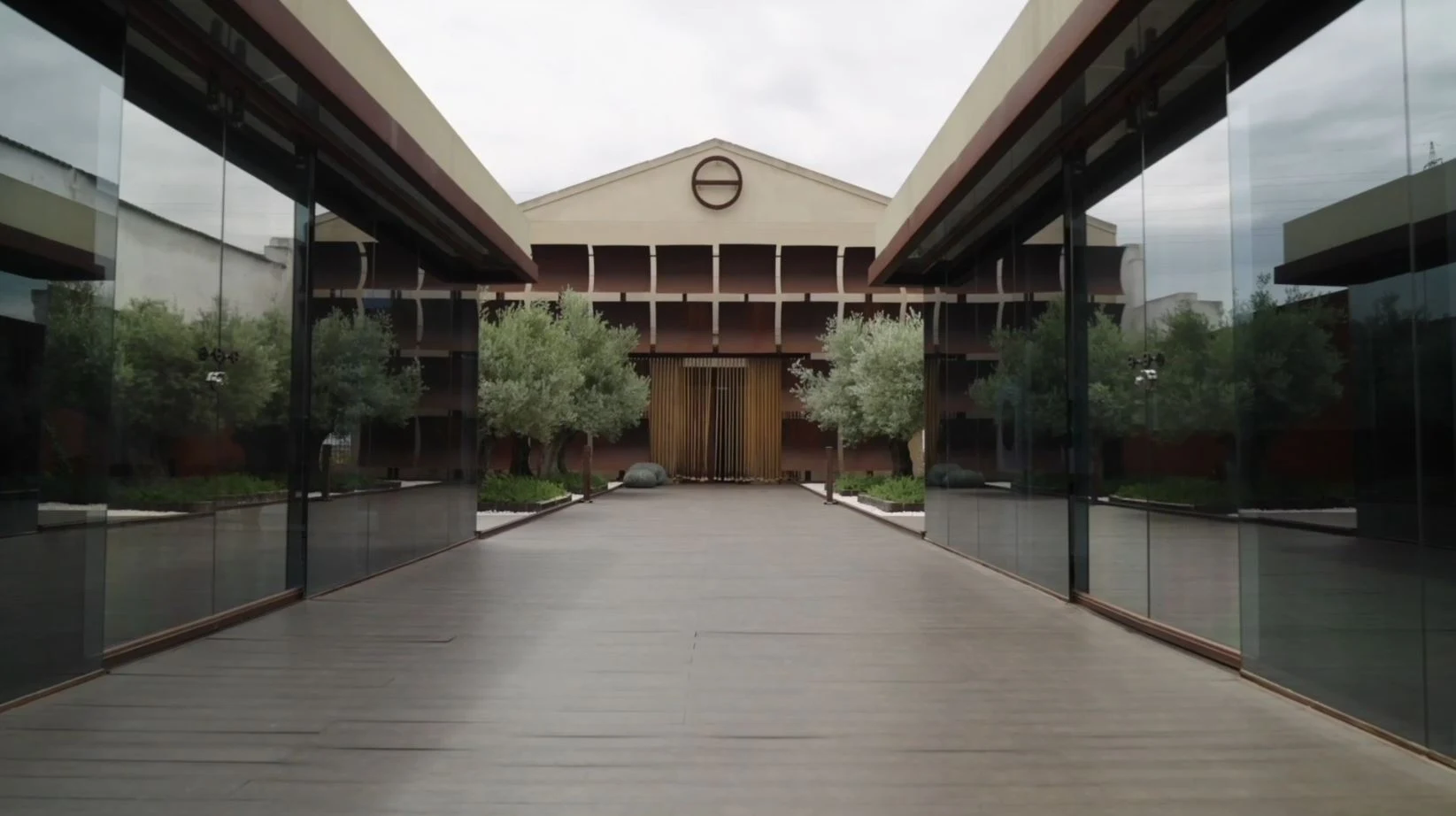
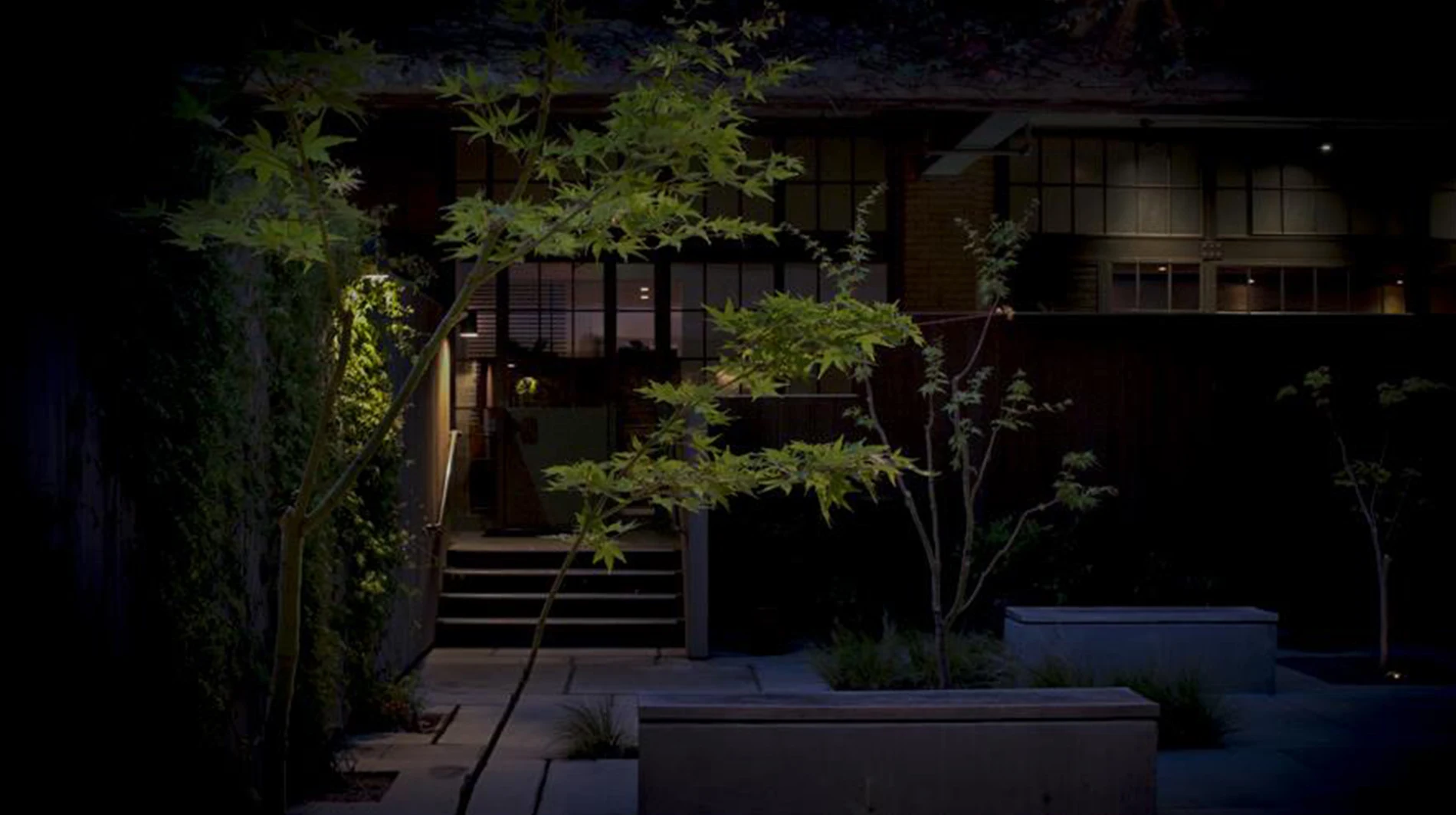
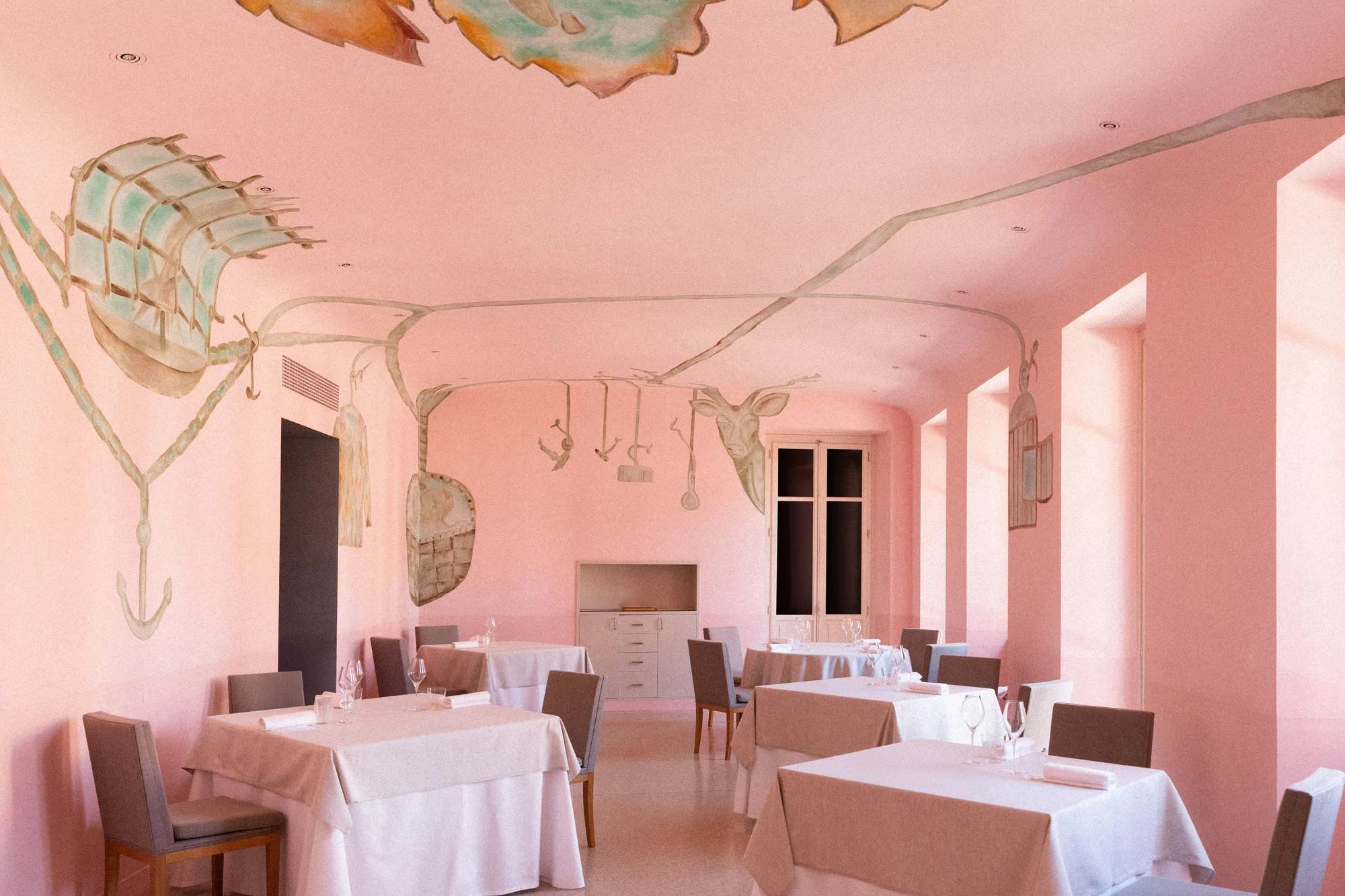
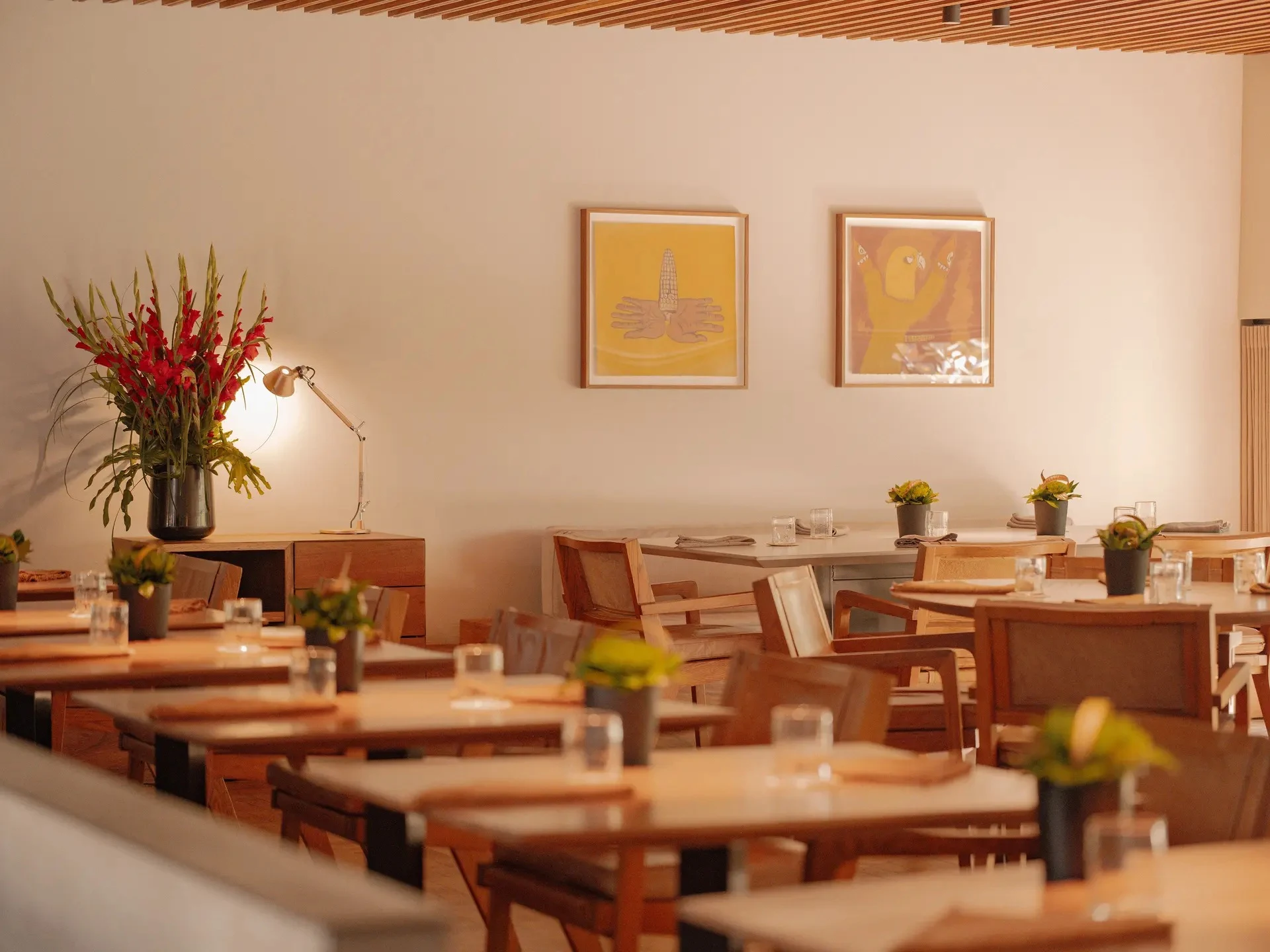
The room gives the kitchen a measured stage. Low lighting and table spotlights put attention on the plate without turning the meal into theatre; black and red decor, comfortable armchairs, and instrumental music keep the atmosphere intimate. Service is formal, but the energy is not stiff. The counterpoint is the sourcing behind the room: collectors, fishermen, producers, and the long routes that bring their work to San Telmo.
At the pass, the tasting menu carries that geography in a controlled sequence. Llama arrives as crudo or carpaccio, quinoa in more than one texture, amaranth as a small structural gesture. The wine program follows with pairings, curated to sit beside the native ingredient work rather than cover it. The close of the meal is not an argument for novelty. It is a return to the bench, where Rivarola’s kitchen keeps asking how much of Argentina can be held in llama carpaccio.
Questions
Frequently asked
Who cooks at El Baqueno?
Fernando Rivarola is the chef-owner, and his cooking at El Baqueno is built around contemporary native Argentine cuisine.
What kind of menu does El Baqueno serve?
The restaurant works in a formal tasting-menu format, with wine pairings kept close to the cooking.
What is the kitchen known for?
El Baqueno is known for native Argentine ingredients and dishes such as llama carpaccio with three textures of quinoa, llama crudo with three-colored quinoa, crunchy amaranth, and ají panca emulsion.
Where is El Baqueno, and what are the practical details for visiting?
The restaurant is in San Telmo at Cima del, Cam. Cerro San Bernardo, A4400 Salta, Argentina. Reservations are essential, parking is street parking, and the dress code is smart casual.
When is El Baqueno open?
It is open Tuesday to Saturday from 7 p.m. To 12 a.m., and it is closed on Monday and Sunday.
The field
How it compares
| Place | Cuisine | Notes | Awards |
|---|---|---|---|
| El Baqueano | Cocina Autóctona Contemporánea | San Telmo, $$$ | · |
| Aponiente | Avant-Garde Marine Seafood | El Puerto de Santa María | Michelin 3 Stars, World's 50 Best |
| Benu | Modern Asian Fusion Fine Dining | San Francisco | Michelin 3 Stars, World's 50 Best |
| Geranium | Modern New Nordic Pescatarian | Copenhagen | Michelin 3 Stars, World's 50 Best |
| Piazza Duomo | Modern Piedmontese Fine Dining | Alba | Michelin 3 Stars, World's 50 Best |
| Pujol | Modern Mexican Fine Dining | Mexico City | Michelin 2 Stars, World's 50 Best |
| Ta Vie | Modern French-Japanese Fine Dining | Hong Kong | Michelin 3 Stars, World's 50 Best |
Similar places
Avant-Garde Marine Seafood
Aponiente
El Puerto de Santa María, Spain
★★★ · 50 Best
Modern Asian Fusion Fine Dining
Benu
San Francisco, United States
★★★ · 50 Best
Modern New Nordic Pescatarian
Geranium
Copenhagen, Denmark
★★★ · 50 Best
Modern Piedmontese Fine Dining
Piazza Duomo
Alba, Italy
★★★ · 50 Best
Modern Mexican Fine Dining
Pujol
Mexico City, Mexico
★★ · 50 Best
Modern French-Japanese Fine Dining
Ta Vie
Hong Kong, Hong Kong
★★★ · 50 Best