El Gallo Pinto
In Residence
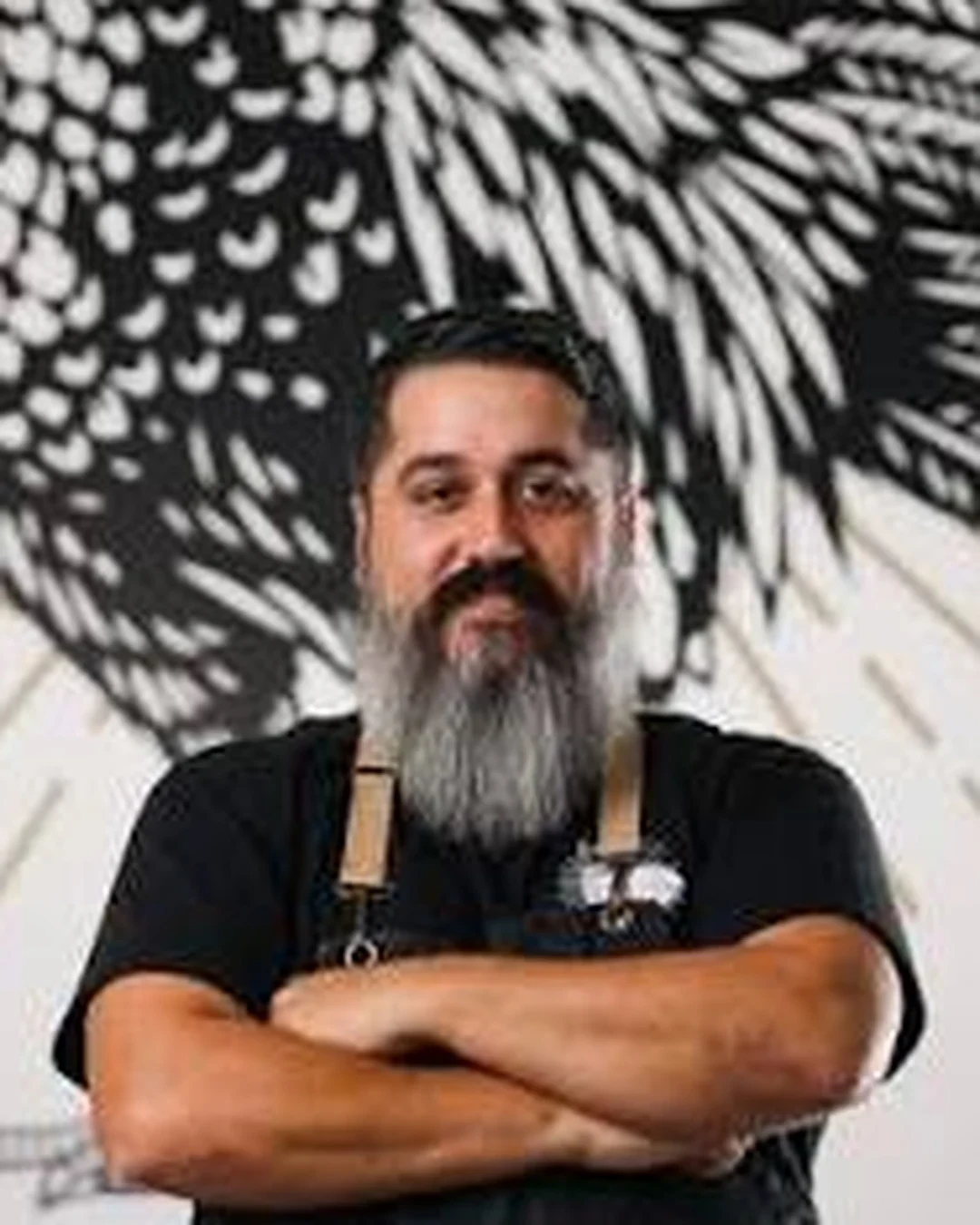
Angel David Moreno Zayas
Chef
- 01CuisineCaribbean International
- 02CityGuayama, Puerto Rico
- 03RecognitionJames Beard Award
- James Beard Winner · James Beard Foundation
- James Beard Award Semi Finalist · 2025
Where Southern Puerto Rico Eats
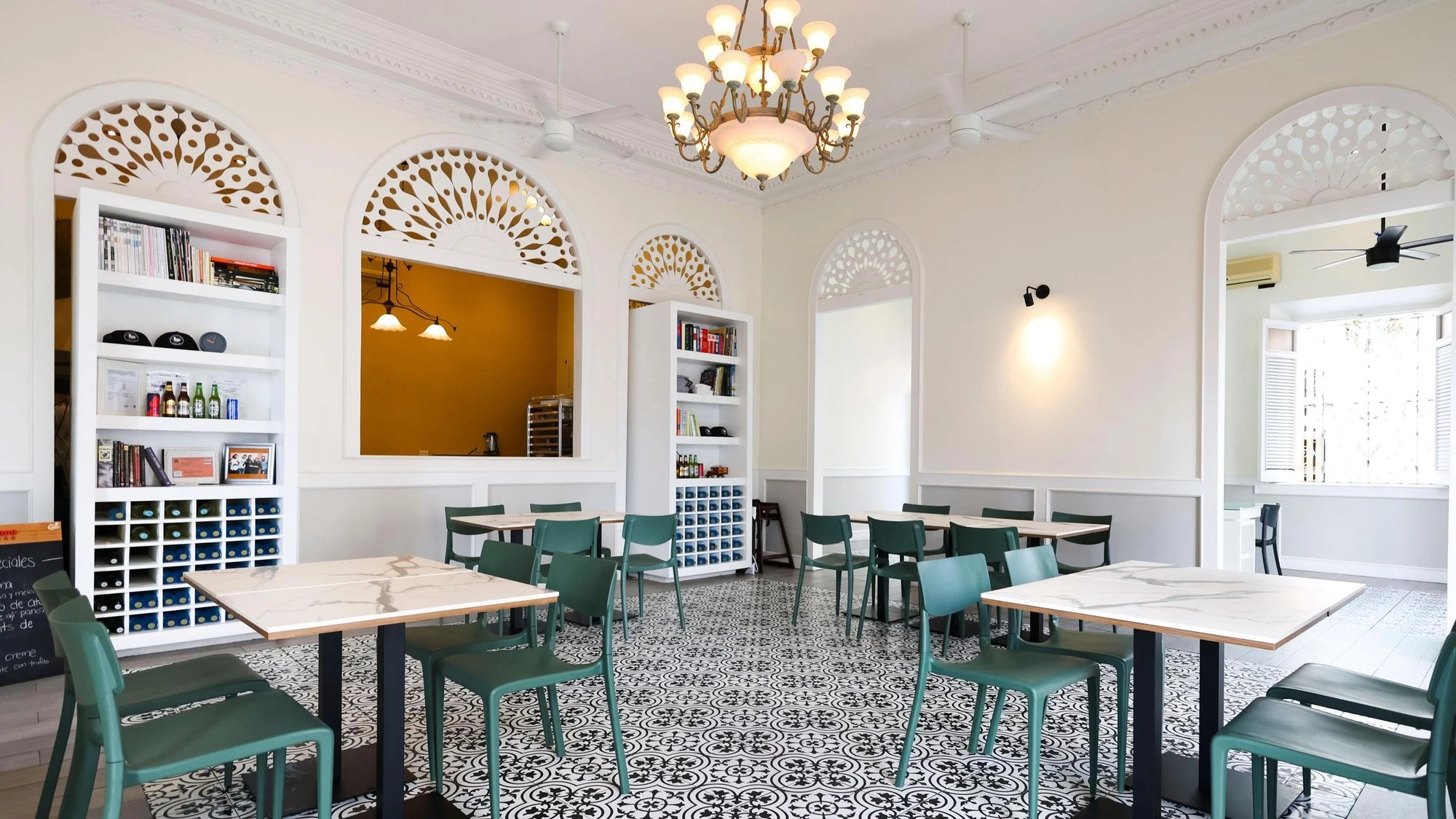
Guayama has always operated outside the gravitational pull of San Juan's dining scene, and that distance has kept its food culture closer to its agricultural roots. The town sits on Puerto Rico's southern coast, where sugarcane once defined the local economy and where the surrounding countryside still produces the yuca, plantains, and root vegetables that form the backbone of traditional cocina criolla. El Gallo Pinto, positioned at the corner of Calle Hostos and Calle Baldorioty, occupies that context deliberately. The address places it within Guayama's historic core, where the plaza, the church, and the old trading-era architecture give the surrounding streets a density that the island's newer commercial strips lack. Arriving here, you are in a town that has held its shape in ways that larger Puerto Rican municipalities have not, and the cooking at a place like El Gallo Pinto reflects that continuity.
For readers exploring the island's regional dining beyond San Juan, Guayama represents a specific tier of the Puerto Rican table: family-anchored, ingredient-driven, and largely disconnected from the trends that cycle through tourist-facing restaurants. The contrast with venues like Jose Enrique Puerto Rican restaurant in San Juan is instructive. San Juan's recognized names operate in a media environment that rewards visibility and innovation; Guayama's restaurants operate in a local-first economy where the repeat customer is the unit of measurement. That context shapes what ends up on the plate and how it is priced.
The Sunday letter
Find new places through the people who run them.
Our Sunday email brings you the chefs, winemakers and hoteliers behind our newest stories. See a sample before you subscribe.
See a sample of the Sunday emailOne email a week. Unsubscribe from any issue.
Gallo Pinto and the Southern Table
The name itself signals something. Gallo pinto, the combination of rice and beans cooked together, is one of the most common dishes across the Spanish-speaking Caribbean and Central America, varying by region in the ratio of beans to rice, the fat used, and the aromatics applied. In Puerto Rico, rice and beans are not a side dish in the background sense, they are a structural element of the meal, and how a kitchen handles them says something about its relationship to the local pantry. A restaurant that takes its name from this combination is staking a claim about what kind of cooking it prioritizes: the everyday, the grounded, the sourced-from-what's-available rather than the composed and architectural.
This matters for understanding ingredient sourcing in the southern Puerto Rico context. The municipalities south of the Cordillera Central, including Guayama and its neighbors toward Salinas and Patillas, have historically supplied the island with produce, livestock, and seafood from the Caribbean-facing coastline. The fishing tradition along this coast is distinct from the Atlantic north, calmer waters, different species, different preparations. A restaurant embedded in Guayama's daily commerce is likely drawing from that nearby supply in ways that a San Juan operation serviced by centralized distributors cannot replicate in the same way. For context on how different Puerto Rican coastal environments shape menus, the contrast with Charco Azul in Vega Baja on the northern coast is worth considering, as the two coastlines produce meaningfully different seafood profiles and preparation traditions.
Placing El Gallo Pinto in Puerto Rico's Regional Dining Picture
Puerto Rico's dining conversation has broadened considerably over the past decade, and the island's less-visited municipalities have attracted more editorial attention as travelers move beyond the Condado and Old San Juan circuits. That shift has revealed how much regional variation exists within an island of roughly 3,500 square miles. The western towns, covered through venues like Estela Restaurant in Rincon and Kaplash in Anasco, have built a dining identity around surf culture and international residents. The mountain corridor has its own traditions, visible at places like Lechonera Los Pinos in Cayey, where the lechón tradition operates at scale and with ritual. The south, including Guayama, works differently: quieter, less toured, and consequently more representative of how Puerto Ricans actually eat when the audience is primarily local.
El Gallo Pinto sits within that southern pattern. It is not a destination restaurant in the sense that diners plan trips around it, the way they might organize an itinerary around Paros Restaurant in Puerto Rico for a specific seafood experience. It operates instead as a neighborhood anchor, the kind of place whose value is understood cumulatively rather than through a single visit. This category of restaurant often resists conventional ranking because its metrics are social rather than culinary, regulars, reliability, and the consistency of sourcing relationships with local suppliers.
For readers building an itinerary that includes Guayama, the practical shape of a visit matters. The city is reachable via Route 52 from San Juan, roughly an hour's drive south. Guayama itself rewards a slow approach: the plaza, the Casa Cautino museum, and the surrounding streets contain more architectural integrity than casual maps suggest. El Gallo Pinto's address on Calle Hostos puts it within the walkable center of that historic district. See our full Guayama restaurants guide for a broader picture of what the area offers.
For those mapping a fuller southern Puerto Rico circuit, nearby options include El Dorado in Playita and La Parguera in La Parguera, both of which operate in the same coastal southern context and reflect similar sourcing priorities. Island-wide, venues like Lago Dos Bocas in Arecibo, Da Bowls in Aguadilla, Brazo Gitano Franco in Mayaguez, Panaderia La Patria in Morovis, Tin Box Vieques Restaurant and Bar in Vieques, and Aleli at The Royal Sonesta San Juan in Carolina each illustrate how differently the island's food culture expresses itself by geography and audience. Further afield, for contrast with globally recognized formats, Le Bernardin in New York City and Lazy Bear in San Francisco represent the opposite end of the sourcing-and-format spectrum, where every element is documented and designed. El Gallo Pinto operates on entirely different logic, and that difference is the point. Also worth noting for completeness: COA in Dorado represents how the island's northern tourism corridor has developed a distinct dining register from Guayama's quieter south.
Questions
Frequently asked
What recognition does El Gallo Pinto hold?
El Gallo Pinto holds a James Beard award.
Who works at El Gallo Pinto?
Made By profiles Angel David Moreno Zayas (Chef) at El Gallo Pinto.
How expensive is El Gallo Pinto?
El Gallo Pinto is listed at a price level of $$$.
Where is El Gallo Pinto and what does it serve?
El Gallo Pinto is in Baldorioty, Guayama, serving Caribbean International.
The field
How it compares
| Place | Awards | Cuisine | Notes |
|---|---|---|---|
| El Gallo Pinto | James Beard | Caribbean International | Baldorioty, $$$ |
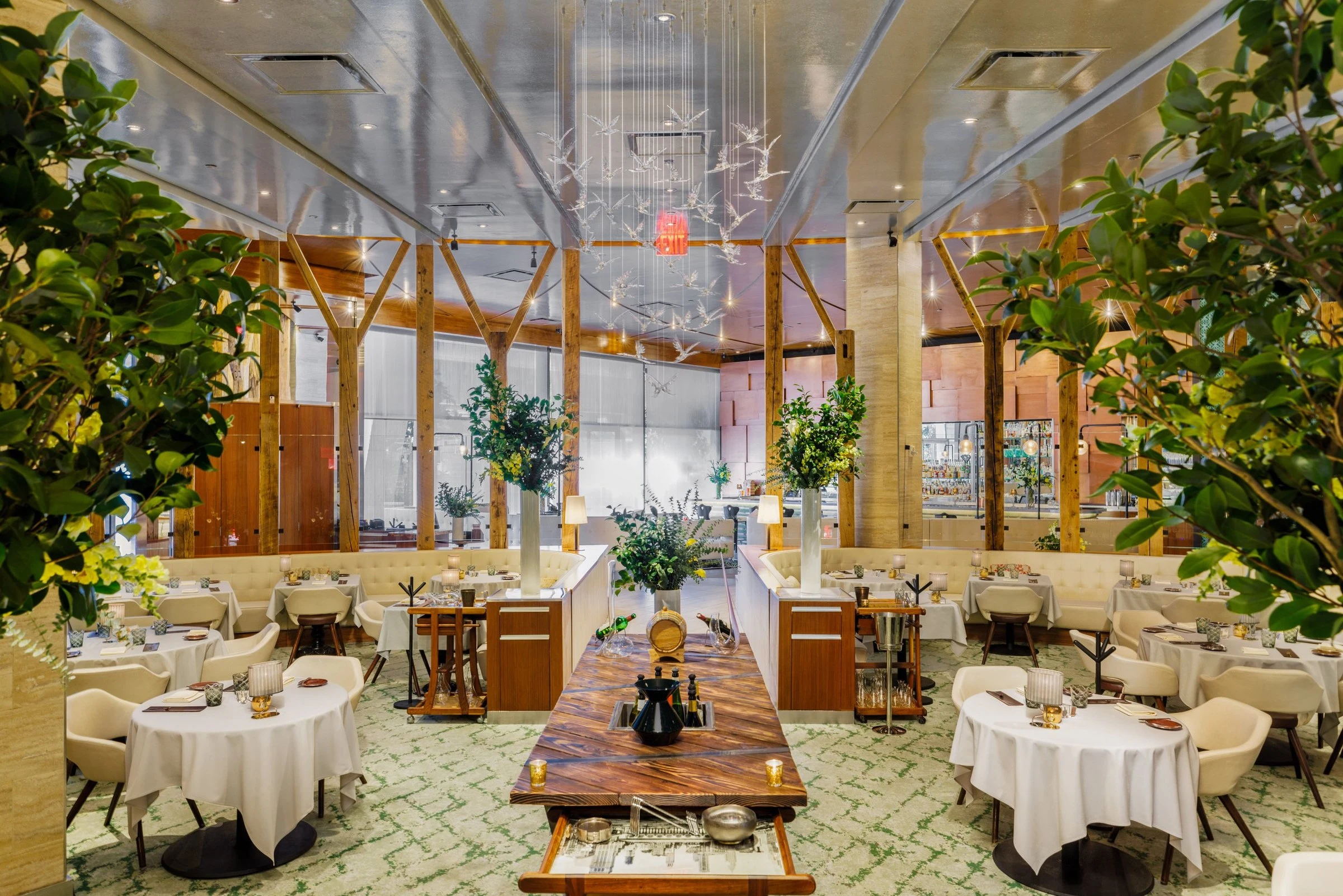
| Gabriel Kreuther | Michelin 2 Stars | Modern Alsatian-French Fine Dining | New York City |
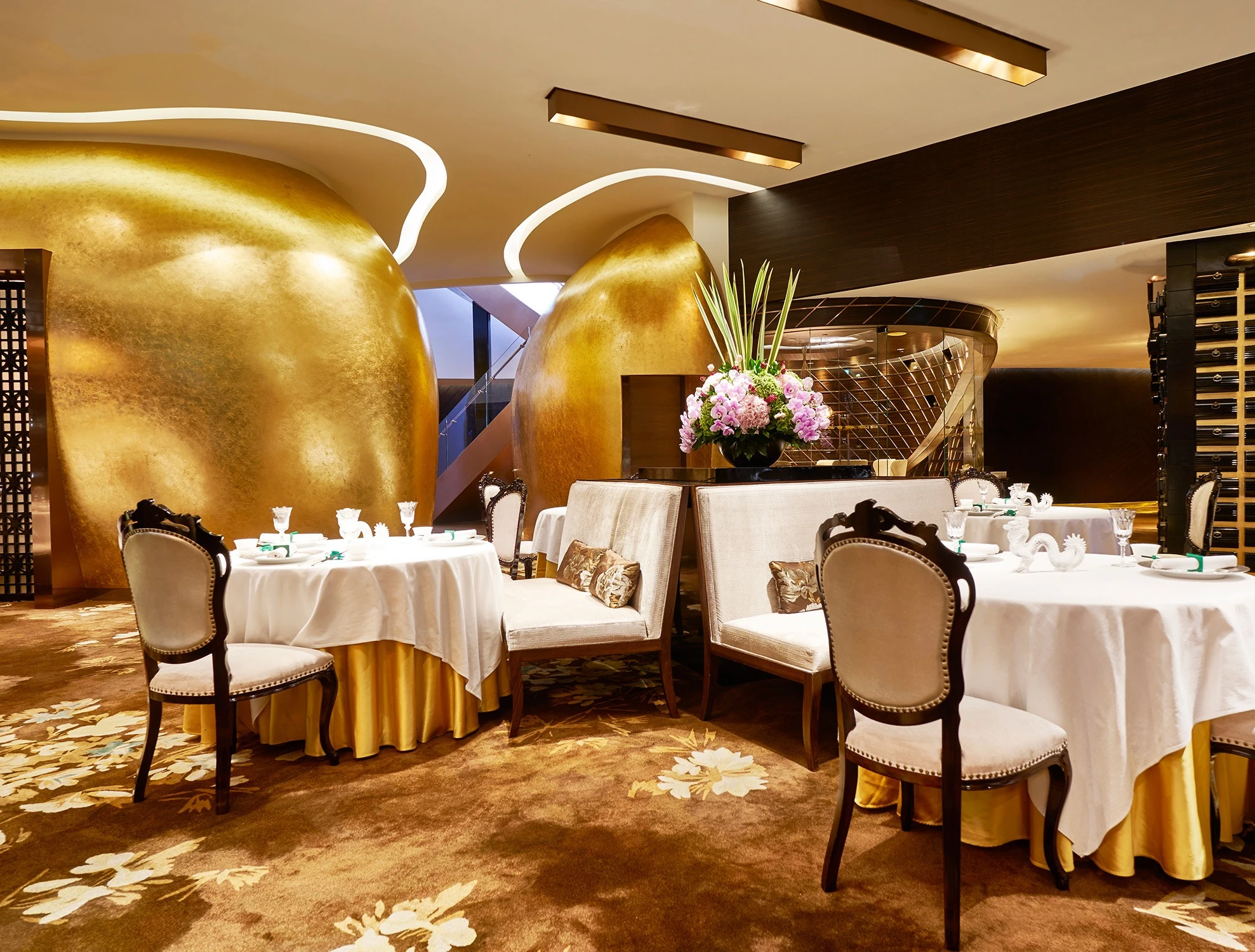
| Jade Dragon | Michelin 3 Stars, World's 50 Best | Three Michelin-Star Cantonese Fine Dining | Macau |
| Moor Hall | Michelin 3 Stars | Modern British Fine Dining | Aughton |
| Pujol | Michelin 2 Stars, World's 50 Best | Modern Mexican Fine Dining | Mexico City |
| Quince | Michelin 3 Stars, World's 50 Best | Modern French Fine Dining | San Francisco |
| Sühring | Michelin 3 Stars, World's 50 Best | Modern German Fine Dining | Bangkok |
In residence
Similar places
Modern Alsatian-French Fine Dining
Gabriel Kreuther
New York City, United States
★★
Three Michelin-Star Cantonese Fine Dining
Jade Dragon
Macau, Macau
★★★ · 50 Best
Modern British Fine Dining
Moor Hall
Aughton, United Kingdom
★★★
Modern Mexican Fine Dining
Pujol
Mexico City, Mexico
★★ · 50 Best
Modern French Fine Dining
Quince
San Francisco, United States
★★★ · 50 Best
Modern German Fine Dining
Sühring
Bangkok, Thailand
★★★ · 50 Best

The Sunday letter
Get the next Made By story in your inbox.
We send one email every Sunday morning with the places and people we covered that week.
See a sample of the Sunday emailOne email a week. Unsubscribe from any issue.