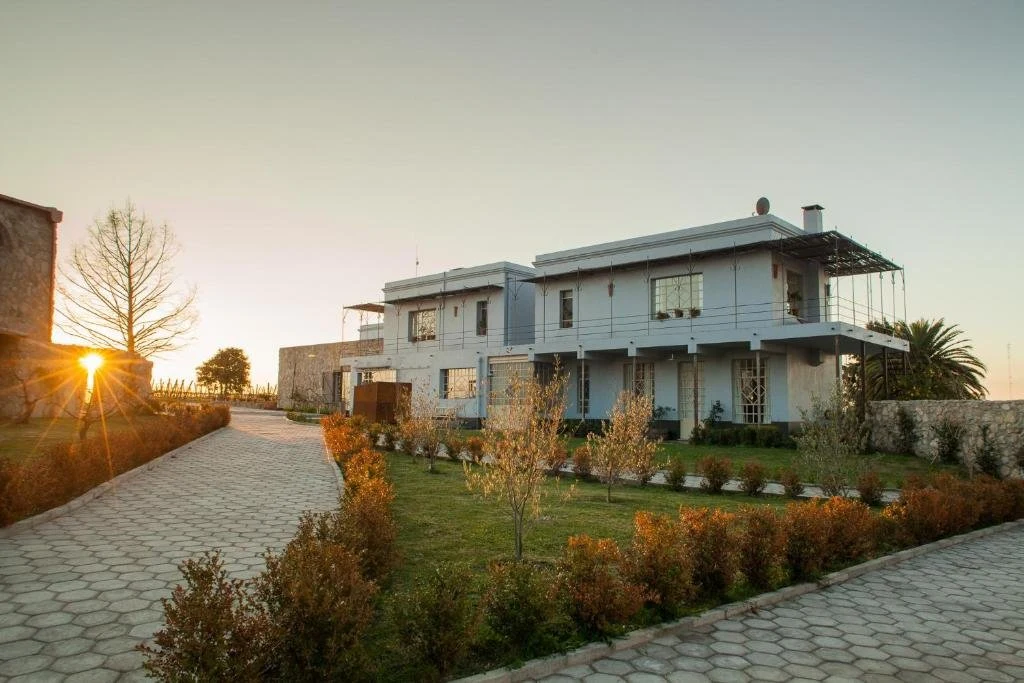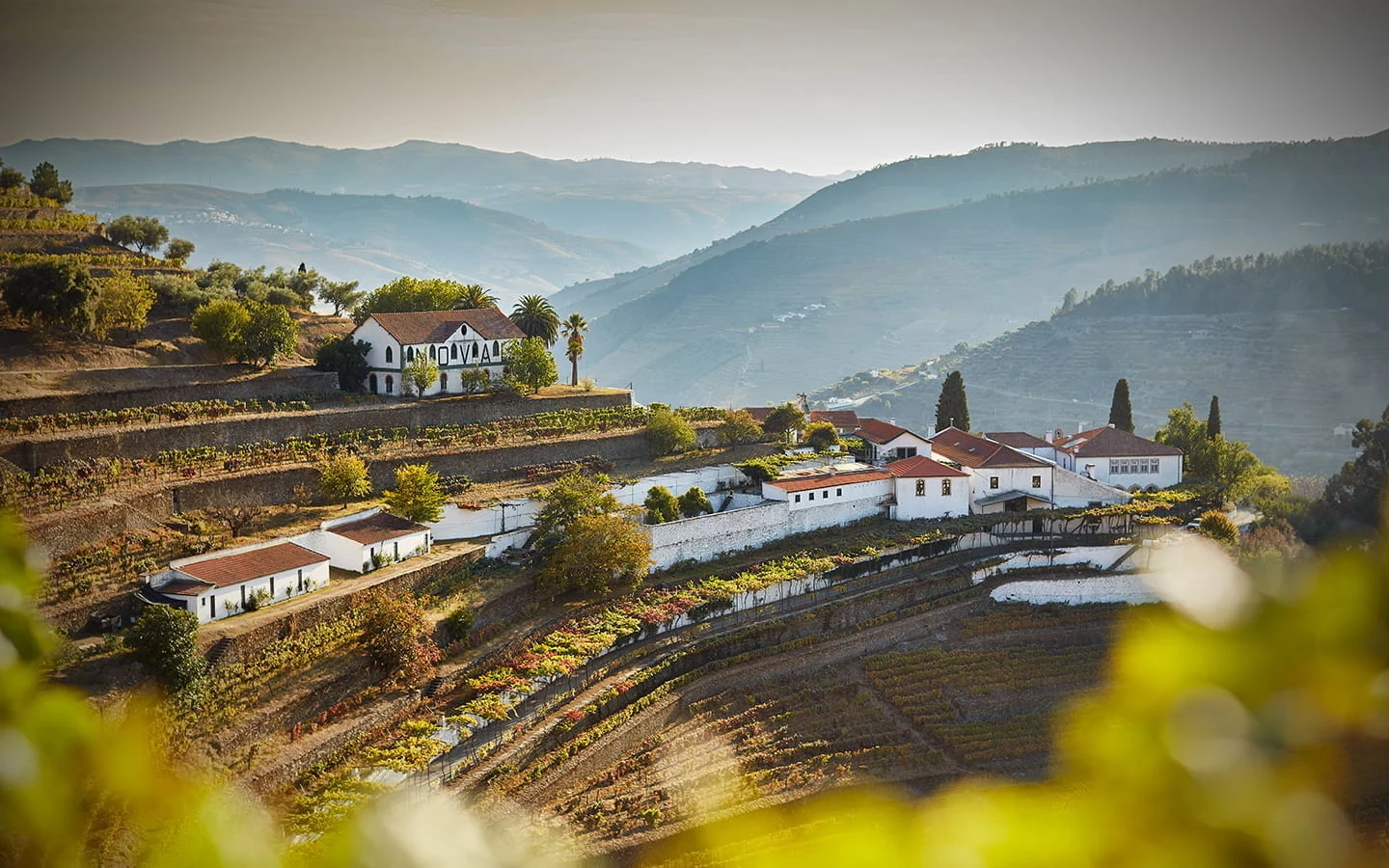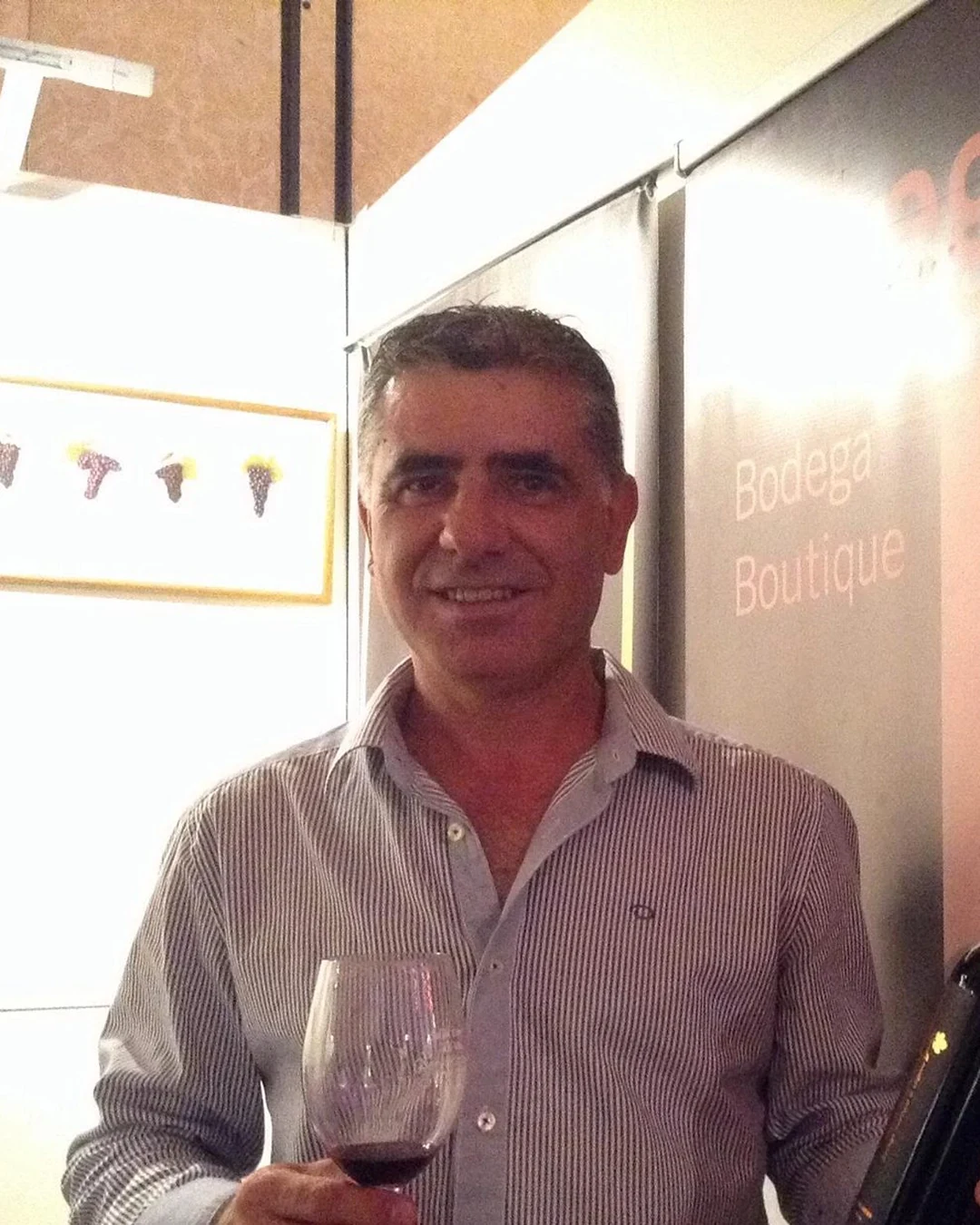
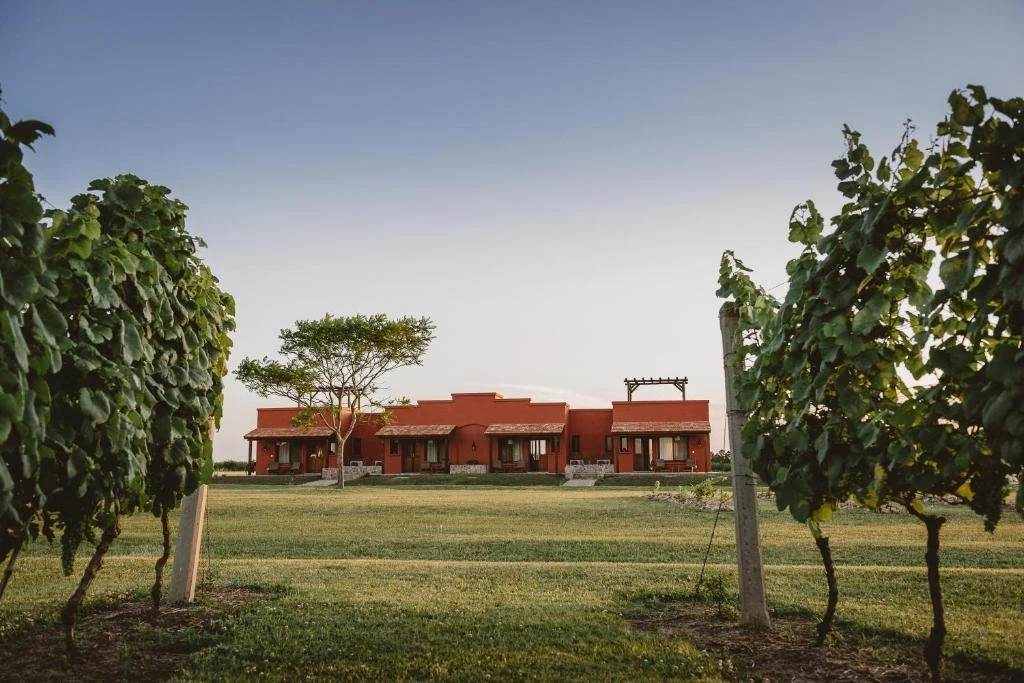
El Legado sits along Ruta 97 in Carmelo, Uruguay's most concentrated wine corridor, where the Río de la Plata's maritime influence and clay-rich soils define how tannat and other southwestern Atlantic varieties express themselves. A Pearl 2 Star Prestige recognition in 2025 places it among the upper tier of Carmelo's winery circuit, in a region where terroir-led production has displaced volume as the primary ambition.
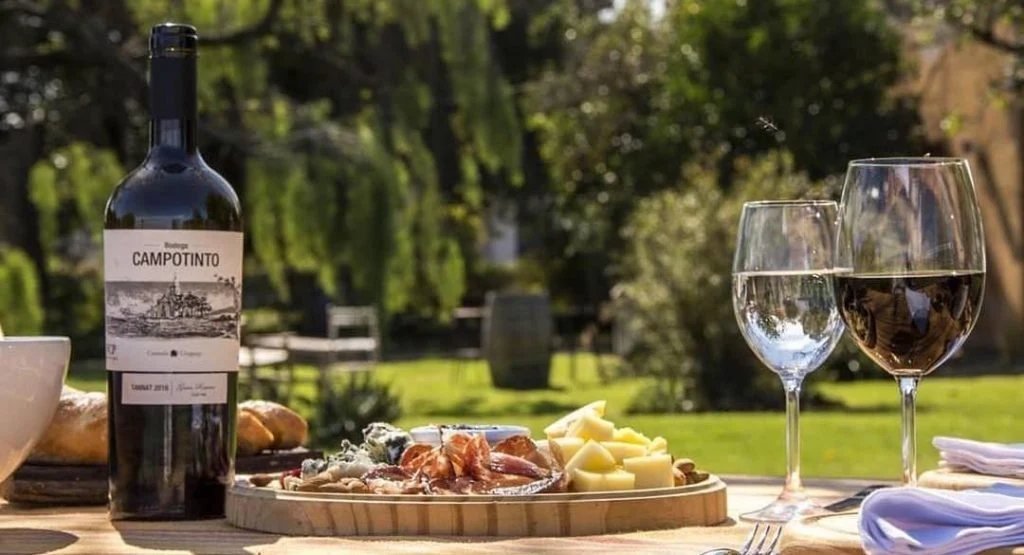
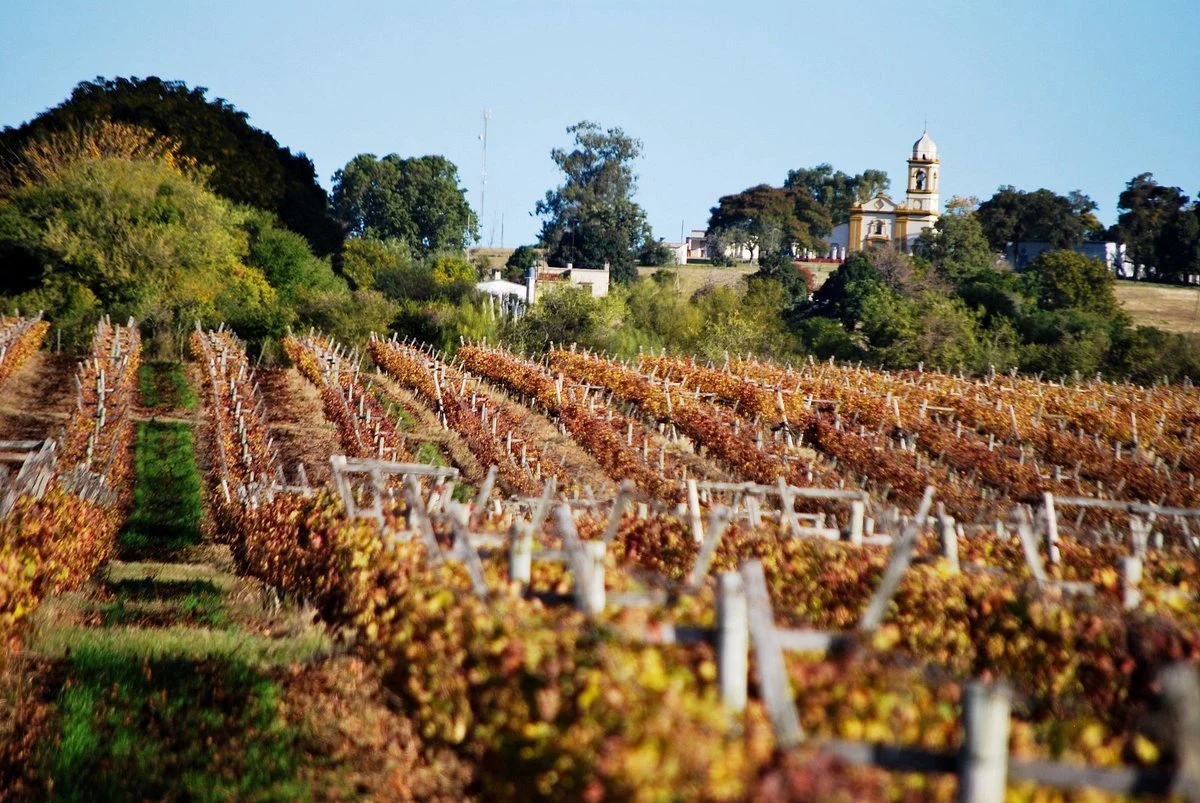
<h2>Where the Plate and the Clay Meet</h2><p>Carmelo sits at the western edge of Colonia department, close enough to the Río de la Plata estuary that the air carries moisture even in dry summers. That proximity matters. The estuary moderates temperature swings, slows ripening, and keeps acidity from collapsing in the heat. The soils here, predominantly clay and limestone-inflected loam, drain slowly and retain structure across the vine's season. These conditions are not incidental to what producers along Ruta 97 are making, they are the argument for making wine in this part of Uruguay at all.</p><p>El Legado occupies this corridor directly, addressed at Ramal Ruta 97 in the 70100 zone outside Carmelo. The road is one of the most wine-dense routes in Uruguay, passing neighbours such as <a href="https://www.enprimeurclub.com/wineries/narbona-wine-lodge-carmelo-winery">Narbona Wine Lodge</a>, <a href="https://www.enprimeurclub.com/wineries/familia-irurtia-carmelo-winery">Familia Irurtia</a>, and <a href="https://www.enprimeurclub.com/wineries/campotinto-carmelo-winery">Campotinto</a>. Together these operations define what Carmelo wine tourism looks like: unhurried, property-based, and anchored in tasting rooms rather than restaurant districts.</p><h2>A 2025 Pearl Recognition in Context</h2><p>El Legado received a Pearl 2 Star Prestige award in 2025. In EP Club's framework, that designation places a property in a tier above entry-level recognition and signals consistent quality across multiple dimensions, not just one standout release or a single strong season. Within Carmelo's winery comparable set, two-star prestige positioning is meaningful. The region does not generate a high volume of awards at this level, which means the designation functions as a differentiator within a competitive local circuit rather than a formality within a crowded field.</p><p>For context across Uruguay's broader wine geography: properties that hold comparable recognition range from <a href="https://www.enprimeurclub.com/wineries/varela-zarranz-canelones-winery">Varela Zarranz in Canelones</a> and <a href="https://www.enprimeurclub.com/wineries/bodega-bouza-montevideo-winery">Bodega Bouza in Montevideo</a> to <a href="https://www.enprimeurclub.com/wineries/bodega-carrau-las-piedras-winery">Bodega Carrau in Las Piedras</a> and <a href="https://www.enprimeurclub.com/wineries/bodega-cerro-del-toro-piriapolis-winery">Bodega Cerro del Toro in Piriápolis</a>. These properties operate in different microclimates and produce different varieties at different scales, but they share a common shift: each has moved quality investment toward terroir expression and away from yield-driven production. El Legado's 2025 recognition suggests it belongs in that conversation, operating from a site that offers the Ruta 97 clay profile as its foundational argument.</p><h2>Tannat and the Atlantic Imprint</h2><p>No editorial account of Carmelo wine makes sense without addressing tannat. Uruguay's relationship with the variety runs through Basque immigration in the nineteenth century, but Carmelo's interpretation diverges from the Madiran model that shaped the grape's European reputation. Madiran tannat tends toward density and tannin extraction that requires extended cellaring. The Río de la Plata influence in Colonia department applies enough moisture and thermal moderation that the variety can ripen more evenly, producing wines with grip but also aromatic lift that earlier generations of the grape rarely showed.</p><p>The Ruta 97 properties have collectively made this local inflection their trademark. Clay soils add texture and retain freshness through warm periods; the estuary's humidity softens phenolic development at the canopy level. The result is a regional style that reads as Atlantic in the same way that Basque-influenced production in the south of France reads as Atlantic, marine and restrained rather than baked and extracted. El Legado's positioning on this corridor places it within that interpretive tradition, whether working tannat exclusively or alongside other varieties suited to the same conditions.</p><p>Across Uruguay more broadly, this terroir-led approach has found traction in regions beyond Colonia. <a href="https://www.enprimeurclub.com/wineries/bodega-los-cerros-de-san-juan-colonia-del-sacramento-winery">Bodega Los Cerros de San Juan in Colonia del Sacramento</a> and <a href="https://www.enprimeurclub.com/wineries/bodega-oceanica-jose-ignacio-maldonado-winery">Bodega Oceánica José Ignacio in Maldonado</a> work different soil profiles and coastal exposures toward similarly site-specific ends. Further north, <a href="https://www.enprimeurclub.com/wineries/cerro-chapeu-carrau-rivera-winery">Cerro Chapeu (Carrau) in Rivera</a> operates at altitude with a continental character that contrasts sharply with Carmelo's maritime baseline, illustrating how much Uruguay's wine geography varies within a compact national footprint.</p><h2>The Carmelo Winery Circuit as a Visit Format</h2><p>Unlike wine tourism centered on a single high-profile property or a restaurant district, Carmelo's appeal is cumulative. The Ruta 97 corridor rewards a full day or, better, an overnight, with visits structured across multiple properties and meals taken where the cellars open into hospitality spaces. Narbona, which operates with a lodge and dining program on the same axis, represents one model. El Legado, along with Familia Irurtia and Campotinto, represents the broader fabric of the circuit, properties where the winery itself is the primary experience.</p><p>Carmelo town lies roughly 300 kilometres west of Montevideo. Visitors travelling from Buenos Aires cross by ferry to Colonia del Sacramento and continue by road, a route that takes the better part of a morning. From Montevideo, the drive follows Ruta 1 through Colonia department. Neither approach allows for a casual evening excursion; Carmelo is structured as a destination rather than a day trip for most international visitors, which shapes the pacing of any itinerary built around the Ruta 97 wineries.</p><p>Planning a visit to El Legado specifically requires direct contact, given that visits are by appointment only. For properties in this setting, advance arrangement is the standard expectation. Reaching the property via the Ruta 97 address is direct once in the Carmelo area.</p><h2>Beyond Uruguay: Where the Peer Conversation Goes</h2><p>Placing El Legado in a global context requires stepping back from the region. Uruguay operates at a scale that keeps most of its producers outside the mainstream international conversation, despite the quality improvements documented across the past two decades. Properties earning prestige recognition here are not competing directly with <a href="https://www.enprimeurclub.com/wineries/accendo-cellars">Accendo Cellars in St. Helena</a> or the established heritage of <a href="https://www.enprimeurclub.com/wineries/achaia-clauss-patras-winery">Achaia Clauss in Patras</a> for the same buyers, but they occupy a niche that has real value for travellers seeking sites where the land-to-glass story has not been packaged into a mass-market format.</p><p>The comparison that is more instructive is with other small Atlantic wine regions, places where maritime conditions and indigenous or transplanted varieties are generating quality signals that the broader market has not yet fully priced. Carmelo functions in that category. El Legado's 2025 Pearl recognition, set against the region's comparative obscurity on the global stage, suggests a property worth attention before that obscurity narrows.</p><p>For those building a spirits and wine itinerary across Uruguay, the circuit extends well beyond Colonia department. <a href="https://www.enprimeurclub.com/wineries/gin-pinares-sacramento-spirits-punta-del-este-winery">Gin Pinares (Sacramento Spirits) in Punta del Este</a> represents the country's growing interest in botanical distillation alongside wine, while <a href="https://www.enprimeurclub.com/wineries/aberlour-aberlour-winery">Aberlour in Aberlour</a> offers a useful reference point for how a different Atlantic climate, Scotland's Speyside, handles terroir expression in a non-wine medium. These are not direct comparisons; they are orientation points for a reader building a more complete picture of how place and production interact across different latitudes and traditions.</p><h2>Planning Your Visit</h2><p>El Legado is located at Ramal Ruta 97, 70100 Carmelo, in Uruguay's Departamento de Colonia. Visits are by appointment only. The 2025 Pearl 2 Star Prestige recognition places El Legado in the upper tier of Carmelo's winery circuit.</p><p>Time spent on the Ruta 97 circuit pairs well with exploration of Carmelo town itself and, if the itinerary allows, a stop at Narbona Wine Lodge for a meal that extends the day into a more complete regional experience. Those arriving from Argentina via the Colonia del Sacramento crossing have the option to combine visits with <a href="https://www.enprimeurclub.com/wineries/bodega-los-cerros-de-san-juan-colonia-del-sacramento-winery">Bodega Los Cerros de San Juan</a> on the return route, building a circuit that covers more of Colonia department's wine geography in a single trip.</p>
El Legado sits firmly at the quieter end of the register. The Ruta 97 corridor in Carmelo is agricultural in character — the Departamento de Colonia draws visitors who come specifically for unhurried winery immersion rather than event-driven energy. The Pearl 2 Star Prestige recognition in 2025 signals quality without the volume that tends to accompany high-traffic destination properties.
El Legado is located at Ramal Ruta 97, 70100 Carmelo, Departamento de Colonia, Carmelo.
El Legado has received recognition including: Pearl 2 Star Prestige (2025).
Specific menu or tasting details for El Legado are not listed in current editorial records. Given the property's position on the Ruta 97 winery corridor in Carmelo — a region where tannat is the signature variety — any table visit is worth anchoring around the estate's wine programme, which underpins the Pearl 2 Star Prestige designation awarded in 2025.
El Legado carries a Pearl 2 Star Prestige award from EP Club in 2025, placing it above entry-level recognition in the region and within a select tier of Uruguayan wine properties. It operates on the Ramal Ruta 97 corridor in Carmelo, a town that has built its reputation as the most concentrated wine tourism destination in Uruguay's Departamento de Colonia.
Booking policy is not listed in current records for El Legado. As a general pattern across the Ruta 97 winery properties in Carmelo, advance contact before visiting is advisable — most estate-based experiences in this corridor operate by appointment rather than walk-in. Reaching out directly via their address at Ramal Ruta 97, 70100 Carmelo is the safest approach.
Ramal Ruta 97, 70100 Carmelo, Departamento de Colonia
Carmelo