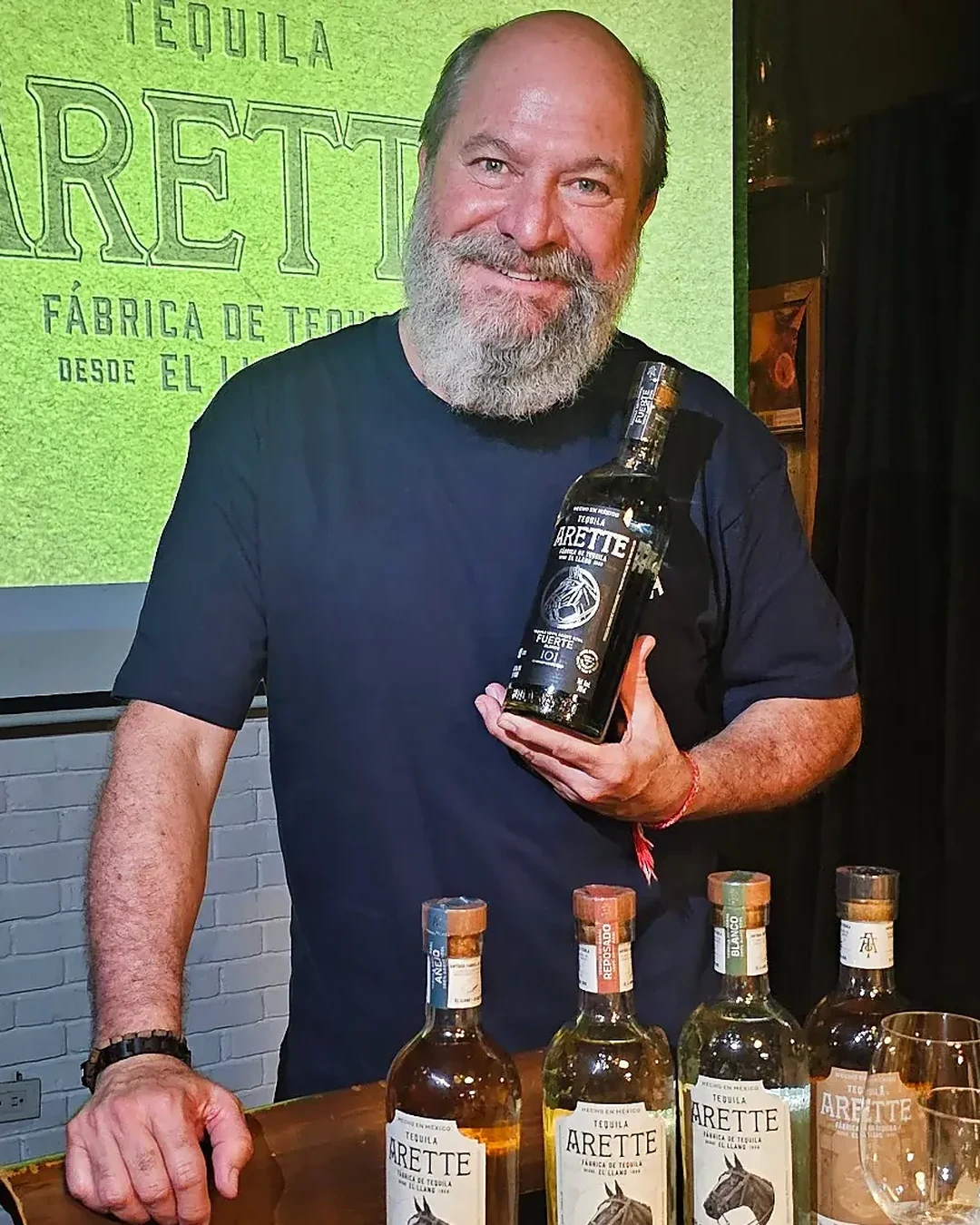
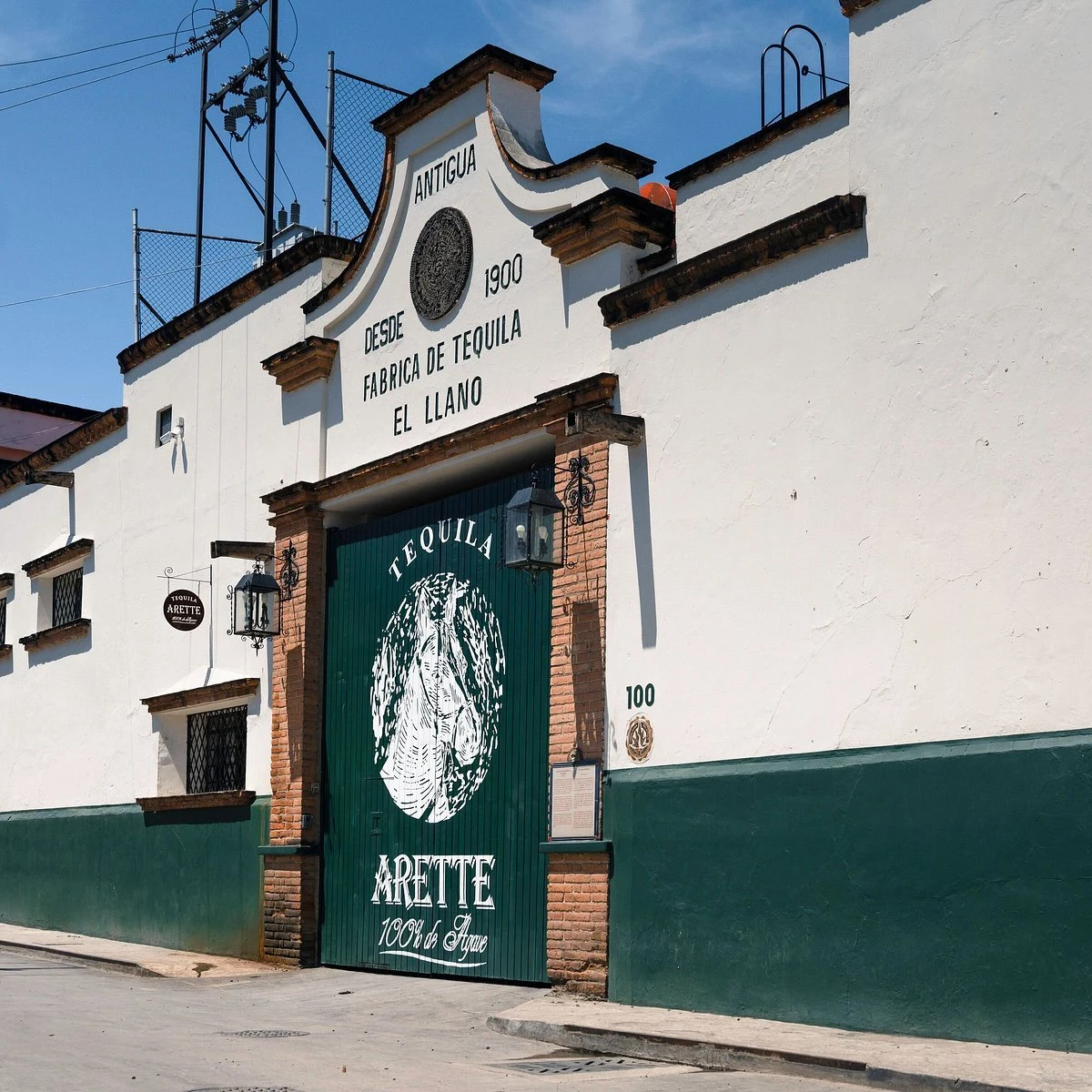
El Llano, home to the Arette distillery, sits at the centre of Tequila's historic production district and earned a Pearl 2 Star Prestige rating in 2025. The facility operates along the Fábrica de Tequila El Llano address on Silverio Nuñez, placing it within walking distance of the town's oldest agave-spirit institutions. For visitors focused on aging programmes and barrel-aged expression, it represents one of the more substantive stops in Jalisco.
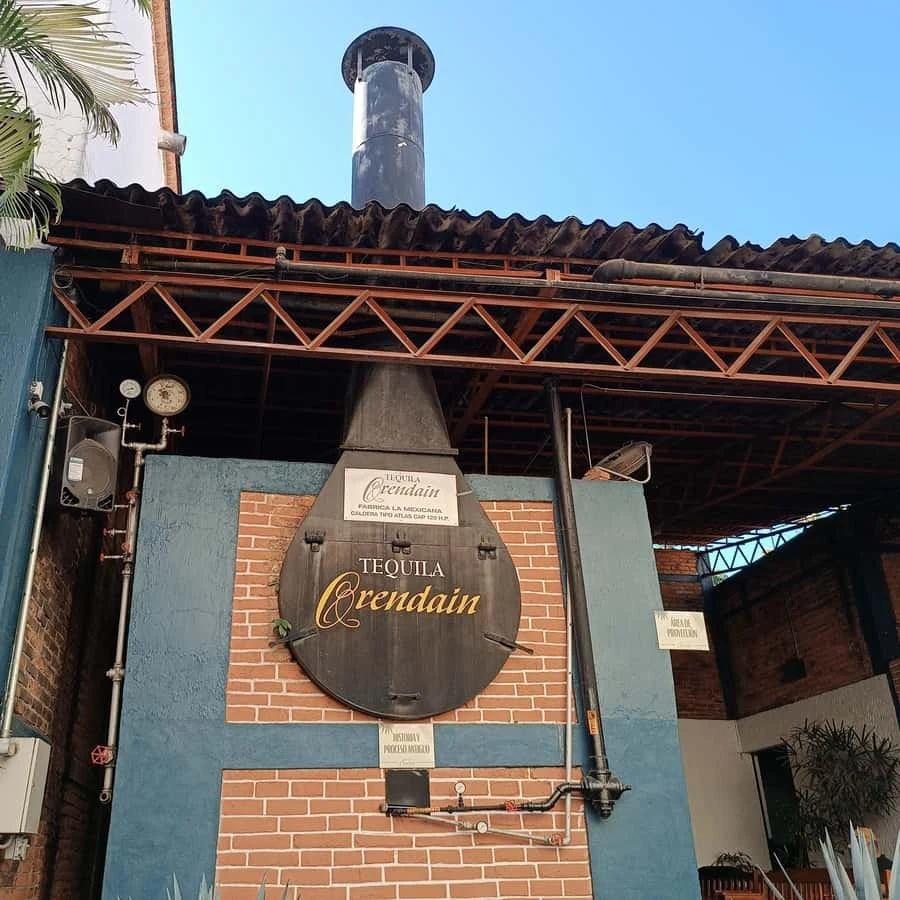
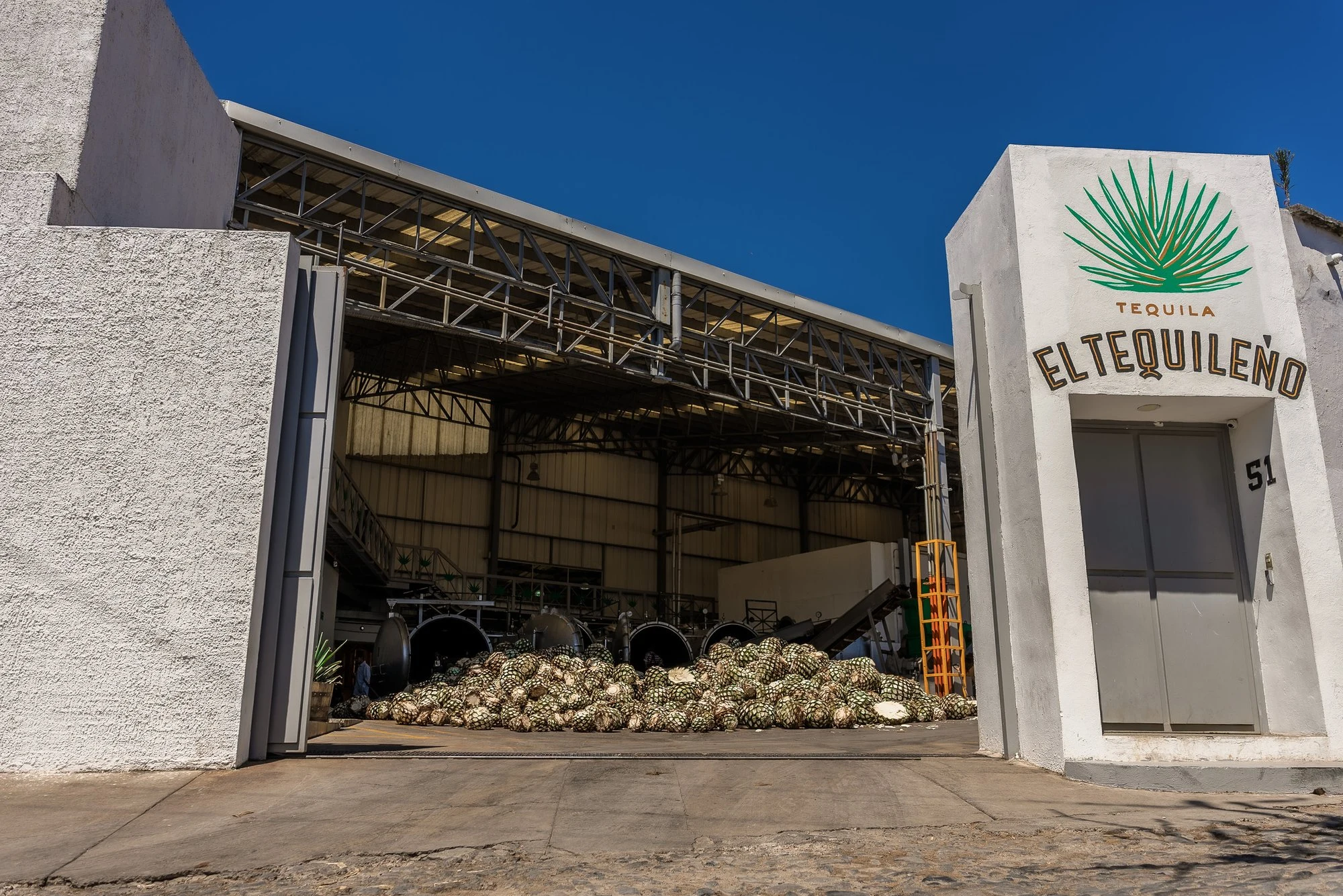
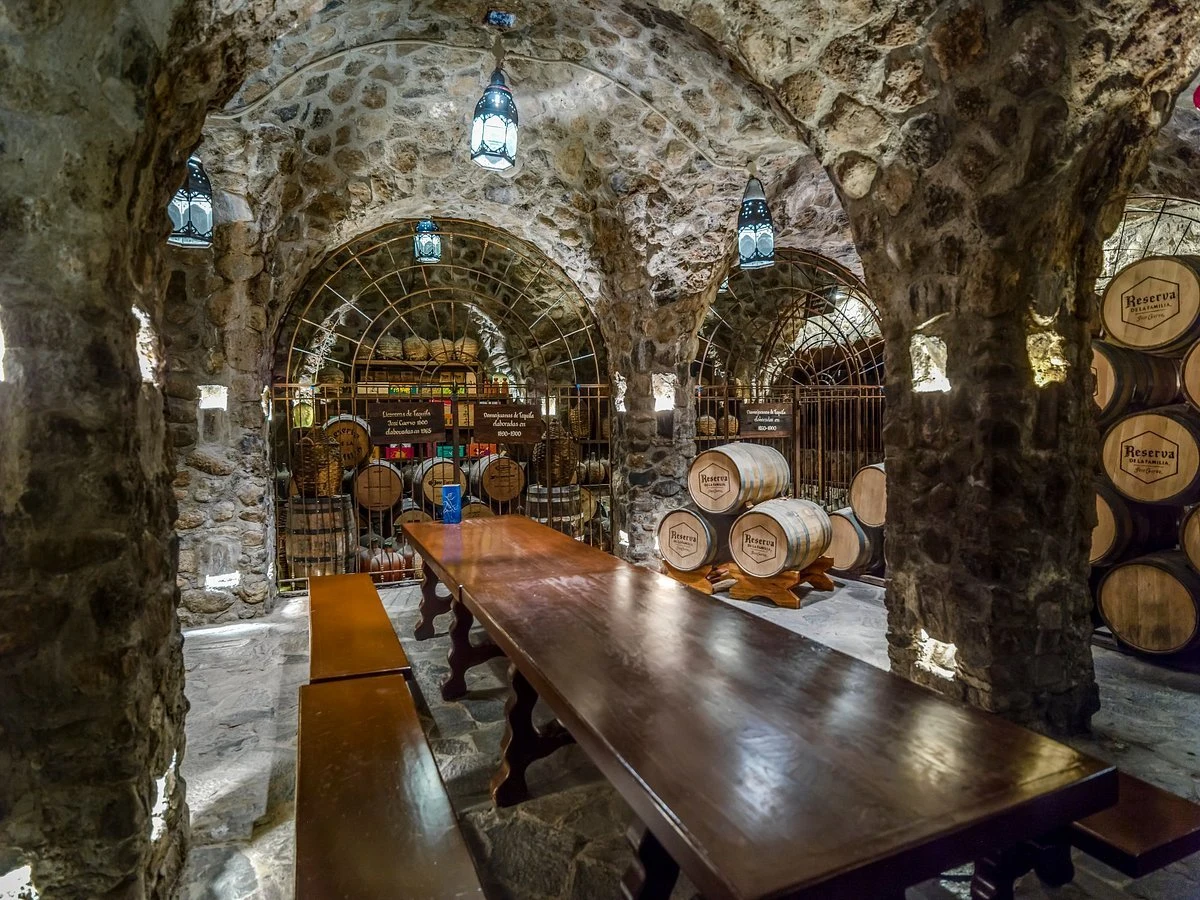
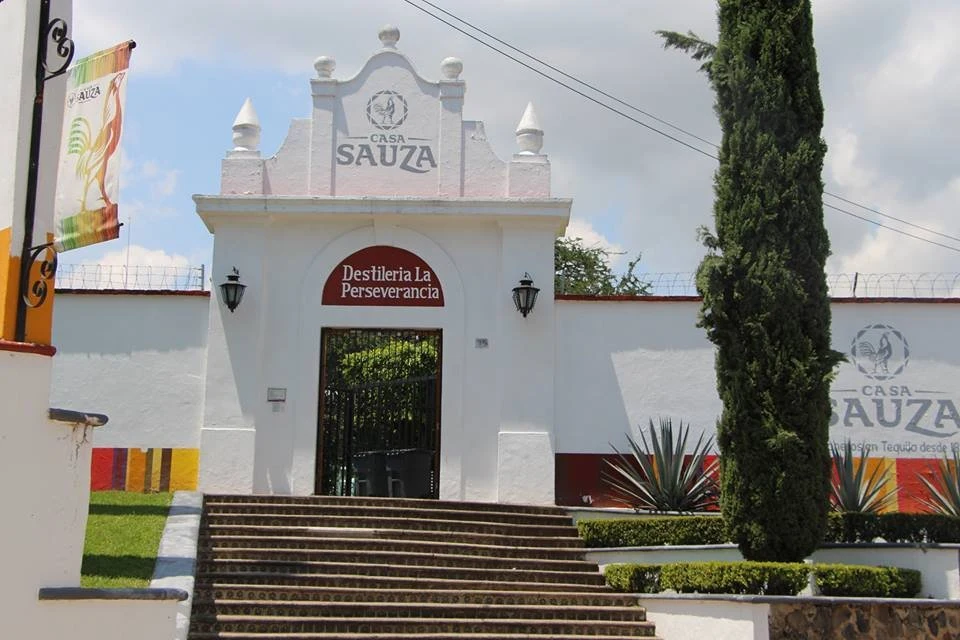
<h2>Where the Agave Season Ends and the Barrel Work Begins</h2><p>The town of Tequila, Jalisco sits on volcanic highland soil that has shaped agave farming for centuries, and the distilleries along its centre carry the accumulated logic of that geography in every decision made after harvest. Approaching the Fábrica de Tequila El Llano on Silverio Nuñez, the physical scale of production infrastructure is immediate: brick facades, large ventilation openings, and the faint caramel-and-earth smell that settles over this part of Calle Centro on warm afternoons. This is a working facility where post-fermentation decisions drive the character of what ends up in the bottle.</p><p>El Llano, the production house behind the Arette label, received a Pearl 2 Star Prestige rating in 2025. In Tequila's hierarchy of distilleries, that distinction matters. The town's major houses range from high-volume industrial operations to smaller, craft-oriented producers, and the 2 Star Prestige designation aligns El Llano with the segment that takes aging and blending decisions seriously rather than prioritising throughput.</p><h2>What Happens After the Still: Aging and Barrel Selection</h2><p>Tequila's regulatory framework divides aged spirit into three categories: reposado (two months to one year in oak), añejo (one to three years), and extra añejo (more than three years). Where a distillery places its attention within those bands, and which oak programme it applies, does more to define a house style than any single decision at the fermentation stage. The Arette line has historically been associated with direct agave character and careful oak integration rather than heavy extraction from new wood, a positioning that places it alongside other Tequila town producers who treat barrel influence as a supporting element rather than the dominant note.</p><p>Comparing approaches across the town, producers like <a href="https://www.enprimeurclub.com/wineries/la-perseverancia-casa-sauza-tequila-winery">La Perseverancia (Casa Sauza)</a> and <a href="https://www.enprimeurclub.com/wineries/jose-cuervo-la-rojena-tequila-winery">Jose Cuervo (La Rojeña)</a> operate with large-format cooperage that tends to moderate wood influence across high volumes, while <a href="https://www.enprimeurclub.com/wineries/el-tequileno-la-guarrena-tequila-winery">El Tequileño (La Guarreña)</a> and <a href="https://www.enprimeurclub.com/wineries/casa-orendain-la-mexicana-tequila-winery">Casa Orendain (La Mexicana)</a> sit in the mid-tier of production scale with their own oak philosophies. El Llano's 2 Star Prestige recognition suggests it holds its own within this competitive cluster, though the specific cooperage details, barrel rotation schedules, and warehouse conditions are not disclosed in the record. Those details are not disclosed in the record.</p><p>The extra añejo category, which requires a minimum three-year barrel stay, represents the sharpest test of any tequila house's commitment to long-format aging. Producing it well requires warehouse space, capital patience, and a stable oak programme, since spirit sitting in barrel for three or more years will amplify any inconsistency in wood selection or fill proof. For producers in Tequila town specifically, the highland altitude and temperature variation introduce different conditions than lowland Jalisco facilities, and those environmental variables compound over extended aging periods. <a href="https://www.enprimeurclub.com/wineries/la-cofradia-tequila-winery">La Cofradía</a>, another Tequila town producer, approaches the premium and aged segment with its own format, providing a useful reference point for understanding how El Llano's programme fits within the local competitive set.</p><h2>The Town as Production District</h2><p>Tequila's identity as a named origin is formally protected under Mexican law and the appellation covers a defined territory within Jalisco, including the municipality of Tequila itself. The town's centre contains a concentration of active distilleries that few spirits regions anywhere can match in terms of density relative to a walkable area. Within a few blocks of the El Llano address on Silverio Nuñez, visitors can access the production floors of multiple historic operations, creating a comparison context that is genuinely useful for understanding how each house interprets the same raw material and regulatory framework differently.</p><p>The highland terroir, sitting at around 1,200 metres above sea level, supports blue agave grown in red clay volcanic soil. Agave harvested from this environment tends to produce spirit with more mineral and herbal register compared to lowland Jalisco production, which typically pulls richer, sweeter profiles from warmer, lower-altitude growing conditions. Distilleries anchored in the town carry that highland character as a baseline, and the aging programme then works with or against it depending on barrel selection and fill volume. For a visitor trying to read the differences between highland and lowland tequila in real time, the town of Tequila provides an unusually direct classroom.</p><p></p><h2>Planning a Visit</h2><p>El Llano is located at Fábrica de Tequila El Llano, Silverio Nuñez No. 100, Col. Centro, Tequila, Jalisco, 46400.</p><p>For those building itineraries that span spirits categories and regions, the comparison set extends far beyond Jalisco. <a href="https://www.enprimeurclub.com/wineries/aberlour-aberlour-winery">Aberlour in Scotland's Speyside</a> and <a href="https://www.enprimeurclub.com/wineries/accendo-cellars">Accendo Cellars in St. Helena</a> represent entirely different traditions of wood-ageing and terroir expression, but the underlying logic of barrel selection, maturation environment, and blending philosophy connects across categories for any visitor serious about understanding what happens between fermentation and bottling.</p>
El Llano (Arette) has received recognition including: Pearl 2 Star Prestige (2025).
El Llano (Arette) is located at Fábrica de Tequila El Llano Silverio Nuñez No. 100, Col. Centro Tequila, Jalisco, México 46400, Tequila.
The Arette label is the primary commercial identity produced at El Llano. The house works across the standard tequila appellation categories — blanco, reposado, and añejo — following the regulatory aging tiers that define spirit classification in Jalisco. The distillery earned a Pearl 2 Star Prestige recognition in 2025, which places the Arette range within a tier of producers the EP Club considers worth the detour.
El Llano sits inside the walkable production core of Tequila town at Silverio Nuñez No. 100, Col. Centro, making it one of the few distilleries visitors can reach on foot from the main square. The 2025 Pearl 2 Star Prestige award gives it a formal credential within EP Club's rating system. For anyone tracing the agave appellation from field to barrel, El Llano offers direct access to production at a named, assessed address.
Public sources do not include a verified phone number or booking website for El Llano.The practical approach is to contact the distillery through its physical address at Silverio Nuñez No. 100, Col.Centro, Tequila, Jalisco 46400, or to enquire locally on arrival in Tequila town.Visitors to the appellation who plan around the town's other production facilities should factor El Llano into the same itinerary, as the addresses are clustered.
Fábrica de Tequila El Llano Silverio Nuñez No. 100, Col. Centro Tequila, Jalisco, México 46400
Tequila