
- Falstaff Winery - Listed · 2026
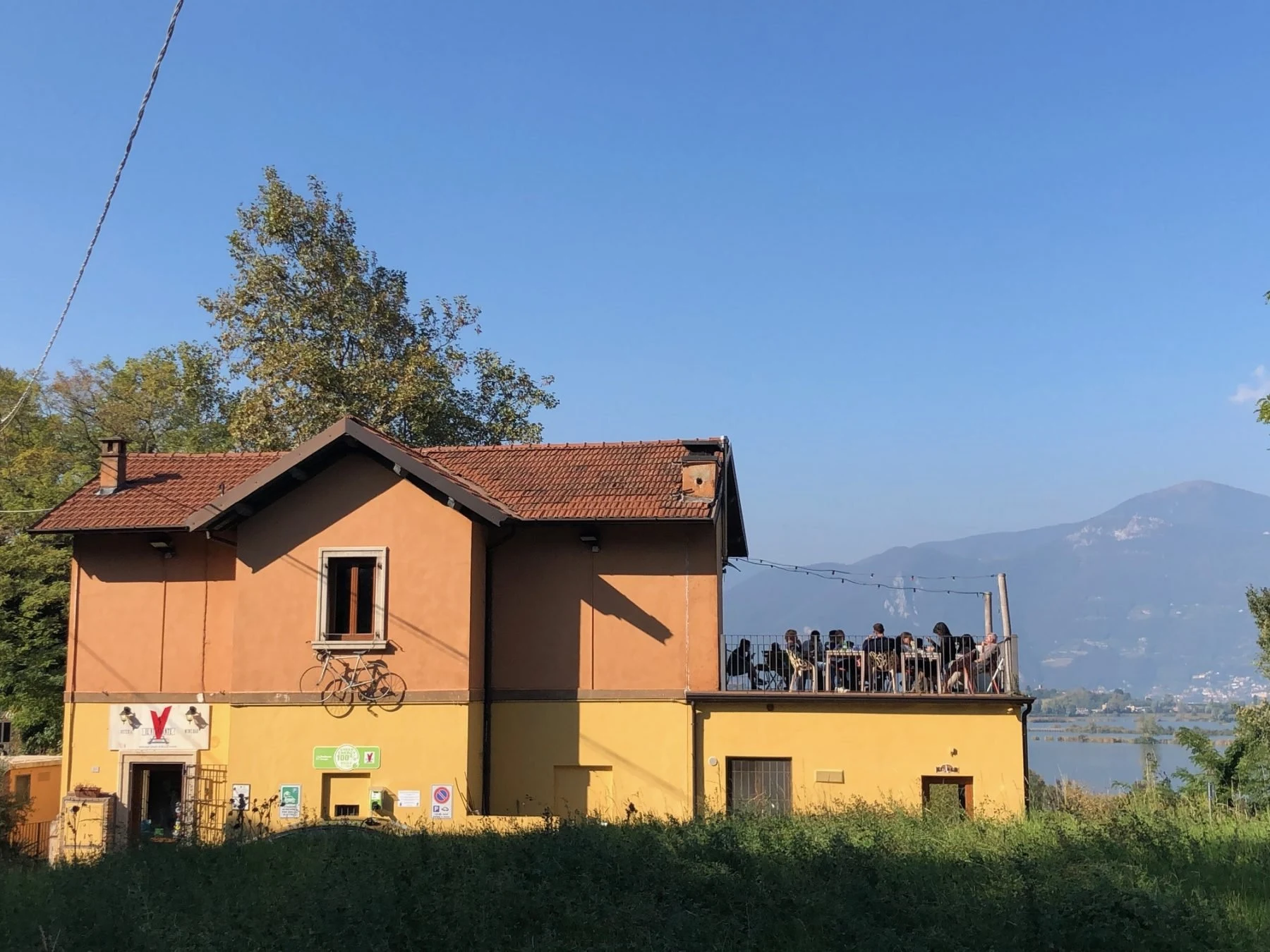
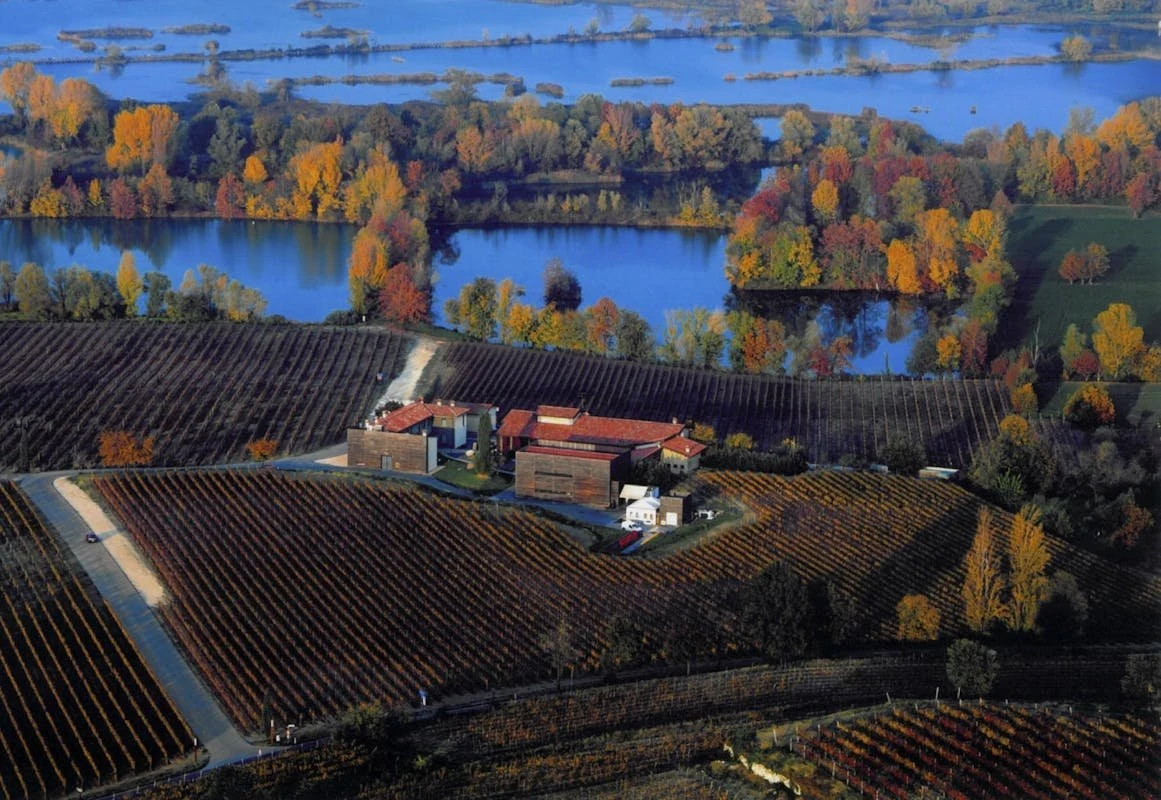
In Provaglio D Iseo, Elisabetta Abrami is a small Franciacorta winery with an organic identity. The picture is quiet and hands-on: a rustic, intimate vineyard-and-cellar setting where guided visits and tastings are the central draw. Rather than reading as a broad, high-volume wine stop, it comes across as a place defined by closeness: to the vines, to the cellar, and to the practical work behind the glass.
The appeal is focused on a hidden-gem style stop for visitors who want a more personal encounter with organic Franciacorta in Provaglio D Iseo, with the atmosphere kept classic, calm, and close to the work of the winery. It is the kind of address where the value is not in a long list of add-ons, but in the feeling of being in a smaller, more contained setting, with the tasting experience tied directly to the place that produces the wine.
Organic Franciacorta in an intimate setting
Elisabetta Abrami is as a small, organic Franciacorta winery with a hands-on feel. That gives the visit a focused identity: wine, cellar context, and a close-up sense of place. The organic identity is central to how the winery is understood, not as a decorative detail, but as part of the overall impression of a producer rooted in its vineyard environment and working at a scale that feels personal.
What is confirmed is the broader character: organic Franciacorta, an intimate winery atmosphere, and a vineyard-and-cellar setting centered on guided visits and tastings. Those elements are enough to define the experience clearly. Visitors should expect the emphasis to fall on orientation and tasting rather than on spectacle, with the winery itself providing the context for understanding what is being poured.
For travelers comparing options in Provaglio D Iseo, the useful distinction is mood. Elisabetta Abrami reads as quiet, rustic, classic, and personal, making it well suited to visitors seeking a focused tasting stop. The language around the place points away from a busy or heavily packaged experience and toward something calmer: a smaller winery visit where the surroundings and the conversation can carry as much weight as the itinerary.
A cellar visit for a quieter Franciacorta stop
The hospitality profile points to guided visits and tastings in a vineyard-and-cellar environment. That makes the experience grounded in orientation, conversation, and the winery setting. A visit here is best understood as a way to slow down within a Franciacorta day, using the cellar and vineyard context to give shape to the tasting rather than treating the wine as separate from where it is made.
Because details such as group capacity, exact visit length, food pairings, outdoor seating, children’s programming, walk-in policy, and reservation rules are not confirmed in the data, visitors should check directly before planning around any of those specifics. The reliable takeaway is the intimate, hands-on feel. In practice, that means the safest expectation is a focused winery encounter, not a fully specified hospitality program with every logistical detail already known.
Elisabetta Abrami’s strength is its simplicity: a small organic Franciacorta winery in Provaglio D Iseo with a quiet, rustic atmosphere. It is the kind of place to consider when the goal is a grounded tasting visit. Its appeal rests on a concise set of qualities, organic production, a cellar-and-vineyard setting, and a classic, intimate mood, so the best fit is a visitor who wants those basics done in a personal-feeling way.
How to place it in a Provaglio D Iseo wine day
Provaglio D Iseo is the only location detail for Elisabetta Abrami, so planning should be anchored to the city rather than to a specific street, district, or landmark. Build extra time into the day and confirm current visit details directly with the winery. That approach keeps the plan realistic while still allowing the visit to serve as the quieter, more focused part of a local wine itinerary.
Other dining, hotel, bar, and experience options in Provaglio D Iseo can be considered generically around the winery visit, but no specific comparison venue is here beyond Elisabetta Abrami itself. The most useful way to frame the stop is therefore not as part of a ranked list, but as a standalone organic Franciacorta visit with a modest, hidden-gem character and a strong emphasis on the tasting environment.
The editorial case is clear and deliberately narrow: Elisabetta Abrami is a $$, small, organic Franciacorta winery in Provaglio D Iseo with a hidden-gem, quiet, rustic, classic, and intimate feel. For visitors who value a guided tasting in a vineyard-and-cellar setting, that is the grounded reason to pay attention. It offers a compact, place-led version of Franciacorta hospitality, with the main draw coming from the calmness of the setting and the directness of the experience.
Questions
Frequently asked
Who works at Elisabetta Abrami?
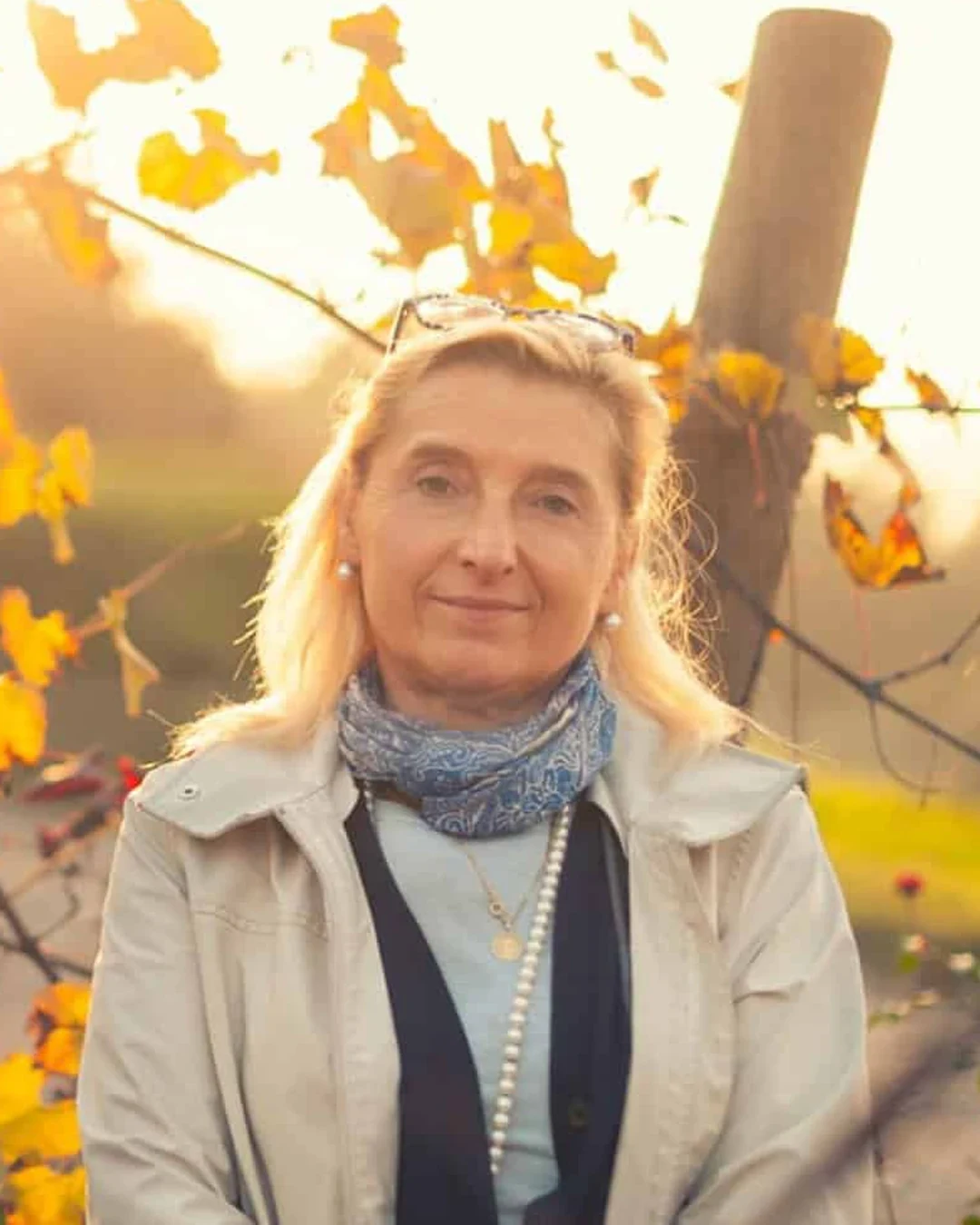
Made By profiles Elisabetta Abrami (Winemaker) at Elisabetta Abrami.
How expensive is Elisabetta Abrami?
Elisabetta Abrami is listed at a price level of $$.
The field
How it compares
| Place | Notes |
|---|---|
| Elisabetta Abrami | Provaglio d'Iseo, $$ |
| Barone Pizzini | Provaglio D Iseo |
| Bersi Serlini | Provaglio D Iseo |
| BOND Winery | Napa |
| Château Palmer | Margaux |
| Château Pontet-Canet | Pauillac |
| Screaming Eagle | Napa |