- Michelin Plate · 2026
- Michelin Plate · 2025
- Michelin Plate · 2024
Across from San Frediano, a Different Kind of Pisa Restaurant
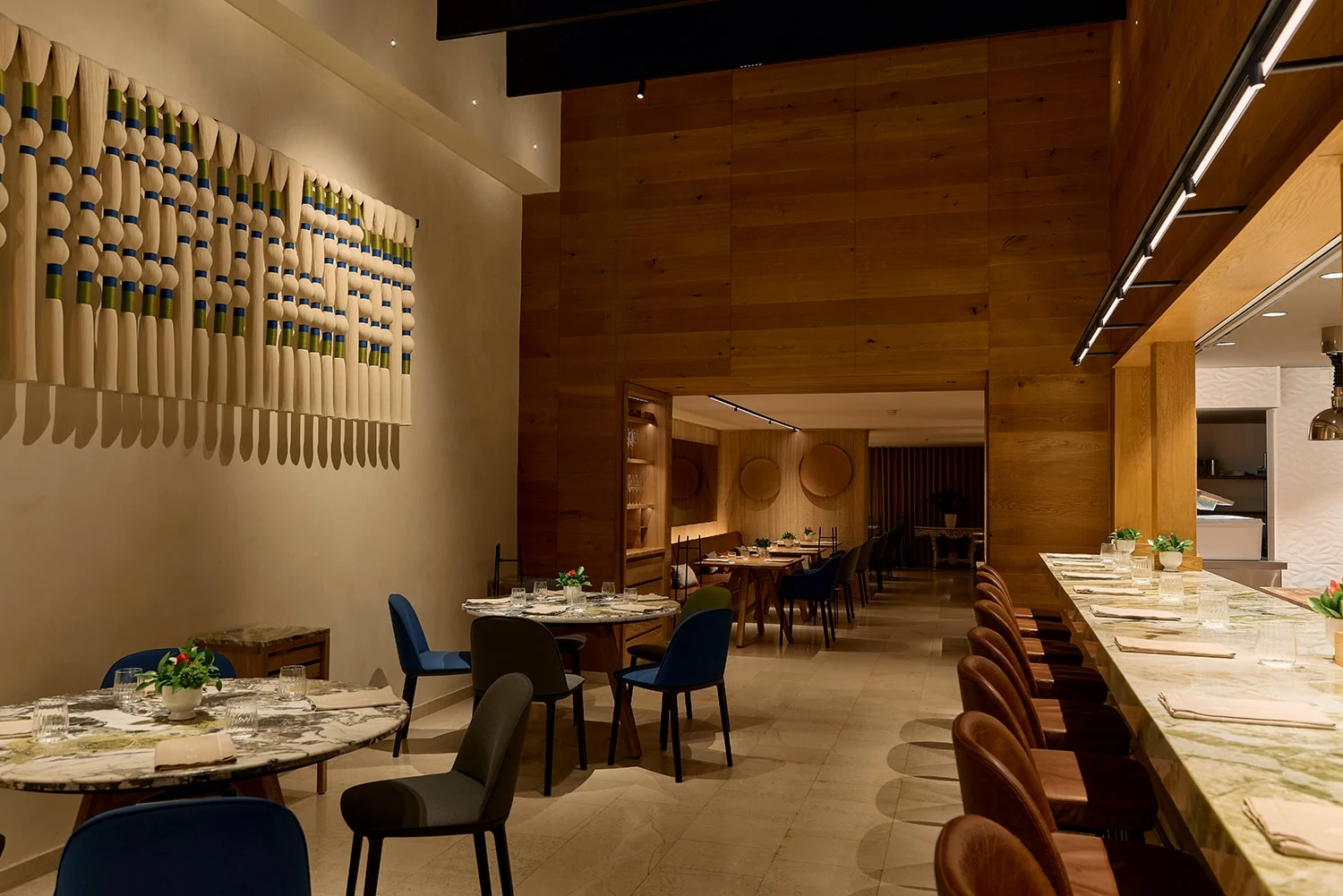
The church of San Frediano has stood on its corner in Pisa for roughly a thousand years. The street it faces, Via S. Frediano, is the kind of narrow, unshowy Pisan thoroughfare that most visitors never reach, too busy moving between the Campo dei Miracoli and the Arno. Erbaluigia occupies numbers 10 and 12 on that street, in a room kept deliberately spare: minimalist decor, nothing competing with the plate. The physical restraint is itself a statement about where the kitchen's confidence sits.
Pisa's restaurant scene has long been divided between high-volume tourist operations clustered near the Leaning Tower and a smaller set of neighbourhood restaurants working with Tuscan product more seriously. Erbaluigia belongs to the latter category, and its Michelin Plate recognition in 2024 and 2025 confirms that Michelin's inspectors agree the cooking clears a threshold that most addresses in the city do not reach. For context on what that threshold means across Italian contemporary cooking, compare the ambition here to the full three-star tier represented by houses like Enoteca Pinchiorri in Florence or Osteria Francescana in Modena: the Michelin Plate signals that the foundation is credible, even if the scale of ambition sits in a different register.
The Menu's Architecture: Meat, Offal, and the Barbecue Thread
Contemporary Tuscan cooking, when it works, does not pretend the region's peasant traditions did not exist. It builds on them, sometimes visibly, sometimes with enough distance that the debt is structural rather than literal. At Erbaluigia, that relationship is fairly direct. The menu foregrounds regional dishes, and the approach Michelin describes as a combination of traditional and modern styles suggests a kitchen confident enough to work in both registers without flattening either into the other.
The clearest editorial choice on the menu is the barbecue section, which is unusual enough to be worth pausing on. In Italian fine-dining contexts, open-fire and grill cooking has grown as a serious technique strand over the past decade, but it remains more associated with restaurants in Emilia-Romagna or with specific meat-focused addresses in Florence than with Pisa itself. That Erbaluigia has built a dedicated barbecue section into a contemporary menu suggests the kitchen is making a deliberate argument about how heat transforms Tuscan product rather than simply offering grilled meat as a safe option.
Offal sits alongside prime cuts, which places the menu in a tradition that many contemporary Italian restaurants have quietly abandoned as international clientele grew more squeamish. Keeping offal prominent at a Michelin-recognised address is a position. Cheese and a vegetarian section round out the menu, but the structural logic here is carnivorous, and anyone arriving with different priorities should review the current menu in advance.
Chef Tatiana Porciani and the Contemporary Tuscan Conversation
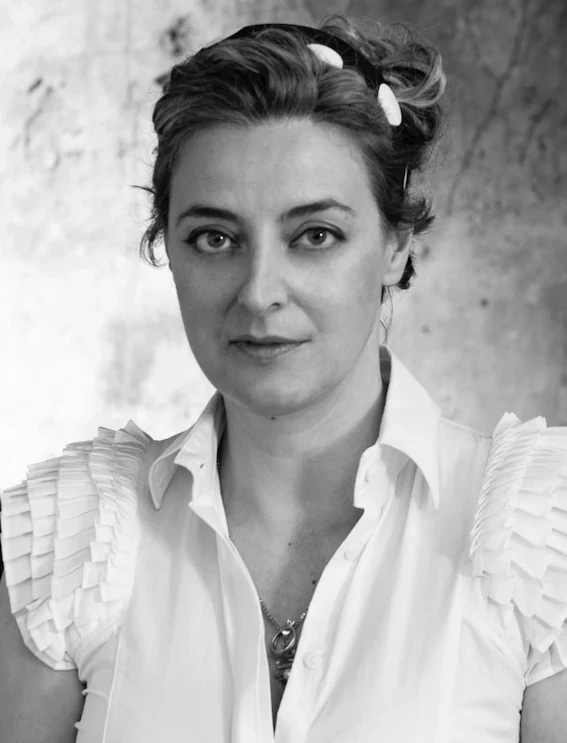
Italy's contemporary restaurant scene has, over the past two decades, produced a cohort of women chefs working at serious recognition levels, though the country's most-cited names at the three-star tier remain predominantly male. Chef Tatiana Porciani's position at a Michelin Plate address in Pisa does not require inflated framing: Michelin Plate recognition two years consecutively at a neighbourhood-scale restaurant with a genuinely product-led menu is a substantive achievement in a region where tourist-facing mediocrity has always been the path of least resistance.
The editorial angle here is not Porciani's biography but what her cooking implies about the Tuscan contemporary conversation. The tendency at the upper end of Italian contemporary dining, from Dal Pescatore in Runate to Le Calandre in Rubano or Reale in Castel di Sangro, is toward menus that carry the region's product forward through technique that might have little visible surface resemblance to its source. Erbaluigia's approach reads as less detached from its references: the traditional is present as tradition, not solely as raw material for transformation. That is a distinct editorial position, and it produces a different dining experience than the abstraction-heavy end of the contemporary Italian spectrum.
For readers tracking how the Italian contemporary scene distributes itself across price tiers and geographies, addresses like Piazza Duomo in Alba, Quattro Passi in Marina del Cantone, Uliassi in Senigallia, Casa Perbellini 12 Apostoli in Verona, and Enrico Bartolini in Milan offer useful reference points. Erbaluigia's €€ pricing situates it well below those addresses in cost but in the same broad conversation about where Italian cooking is going.
For a broader view of contemporary restaurants operating outside Italy's recognisable culinary capitals, César in New York City and Jungsik in Seoul offer comparative reference points on how contemporary technique operates across different national traditions, and Atelier Moessmer Norbert Niederkofler in Brunico shows what the northern Italian contemporary register looks like at maximum ambition.
Planning a Visit: Logistics and Pisa Context
At the €€ price point, Erbaluigia sits in a range accessible to most readers who travel specifically for food rather than incidentally past a restaurant. Via S. Frediano is reachable on foot from central Pisa, in the Borgo Stretto neighbourhood on the north bank of the Arno, close enough to the city's medieval fabric that the walk itself is worthwhile. The Google rating of 4.6 across 331 reviews is a reasonable signal of consistent quality at this tier rather than a single exceptional experience inflating the score.
Booking in advance is advisable for any evening visit, particularly given the restaurant's Michelin recognition and its address away from the tourist circuit, which means the clientele skews toward deliberate diners rather than walk-ins.
Questions
Frequently asked
Who works at Erbaluigia?
Made By profiles Tatiana Porciani (Chef) at Erbaluigia.
How expensive is Erbaluigia?
Erbaluigia is listed at a price level of $$.
Where is Erbaluigia and what does it serve?
Erbaluigia is in San Frediano, Pisa, serving Modern Tuscan Country Cooking.
The field
How it compares
| Place | Cuisine | Notes | Awards |
|---|---|---|---|
| Erbaluigia | Modern Tuscan Country Cooking | San Frediano, $$ | · |
| Atelier Crenn | Contemporary French Fine Dining | San Francisco | Michelin 3 Stars, World's 50 Best |
| DSTAgE | Avant-Garde Spanish Tasting Menus | Madrid | Michelin 2 Stars |
| Jaan by Kirk Westaway | Modern British Fine Dining | Singapore | Michelin 2 Stars, World's 50 Best |
| Piazza Duomo | Modern Piedmontese Fine Dining | Alba | Michelin 3 Stars, World's 50 Best |
| Quintonil | Modern Mexican Fine Dining | Mexico City | Michelin 2 Stars, World's 50 Best |
| WING Restaurant | Modern Chinese Fine Dining | Hong Kong | World's 50 Best |
In residence
Similar places
Contemporary French Fine Dining
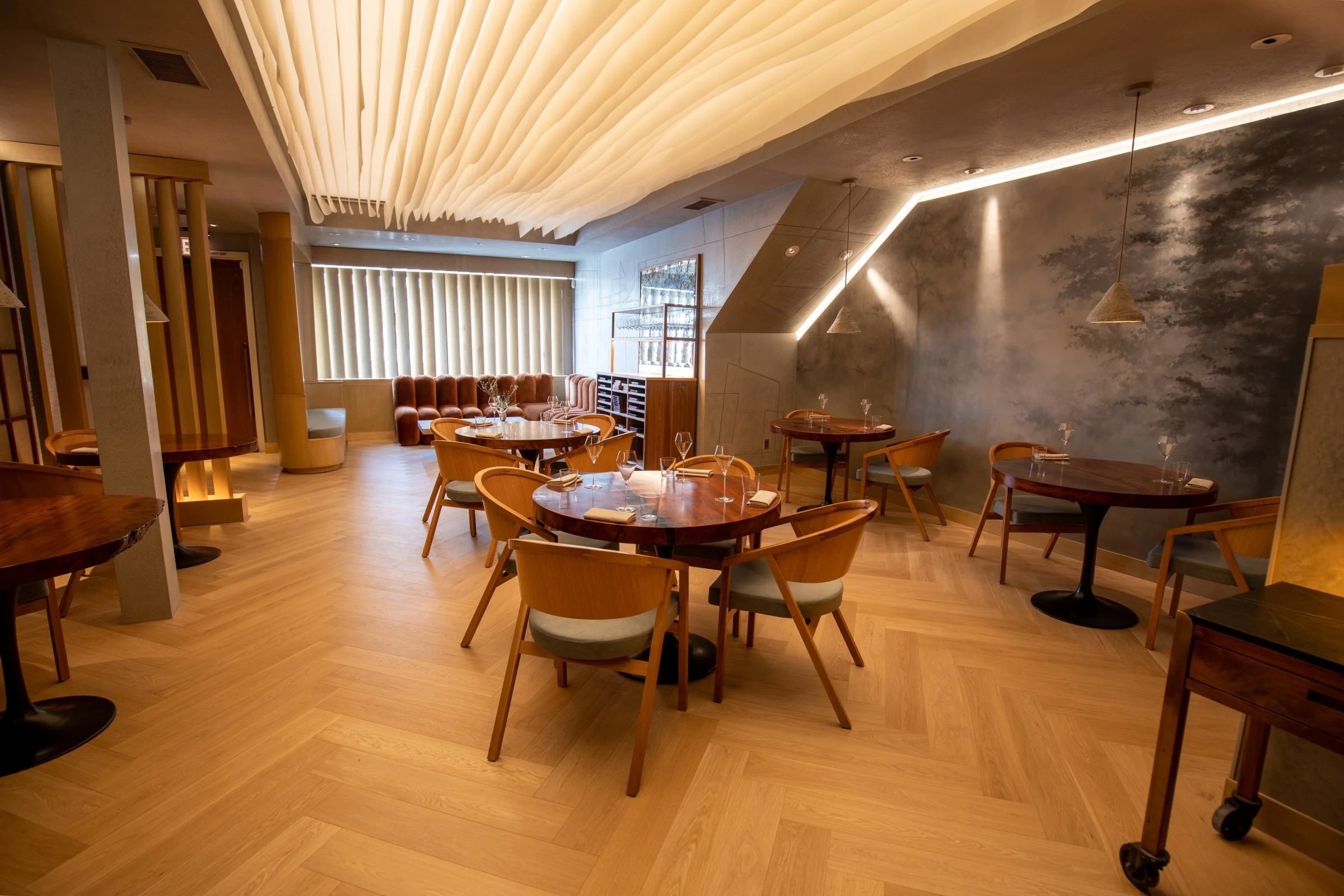
Atelier Crenn
San Francisco, United States
★★★ · 50 Best
Avant-Garde Spanish Tasting Menus
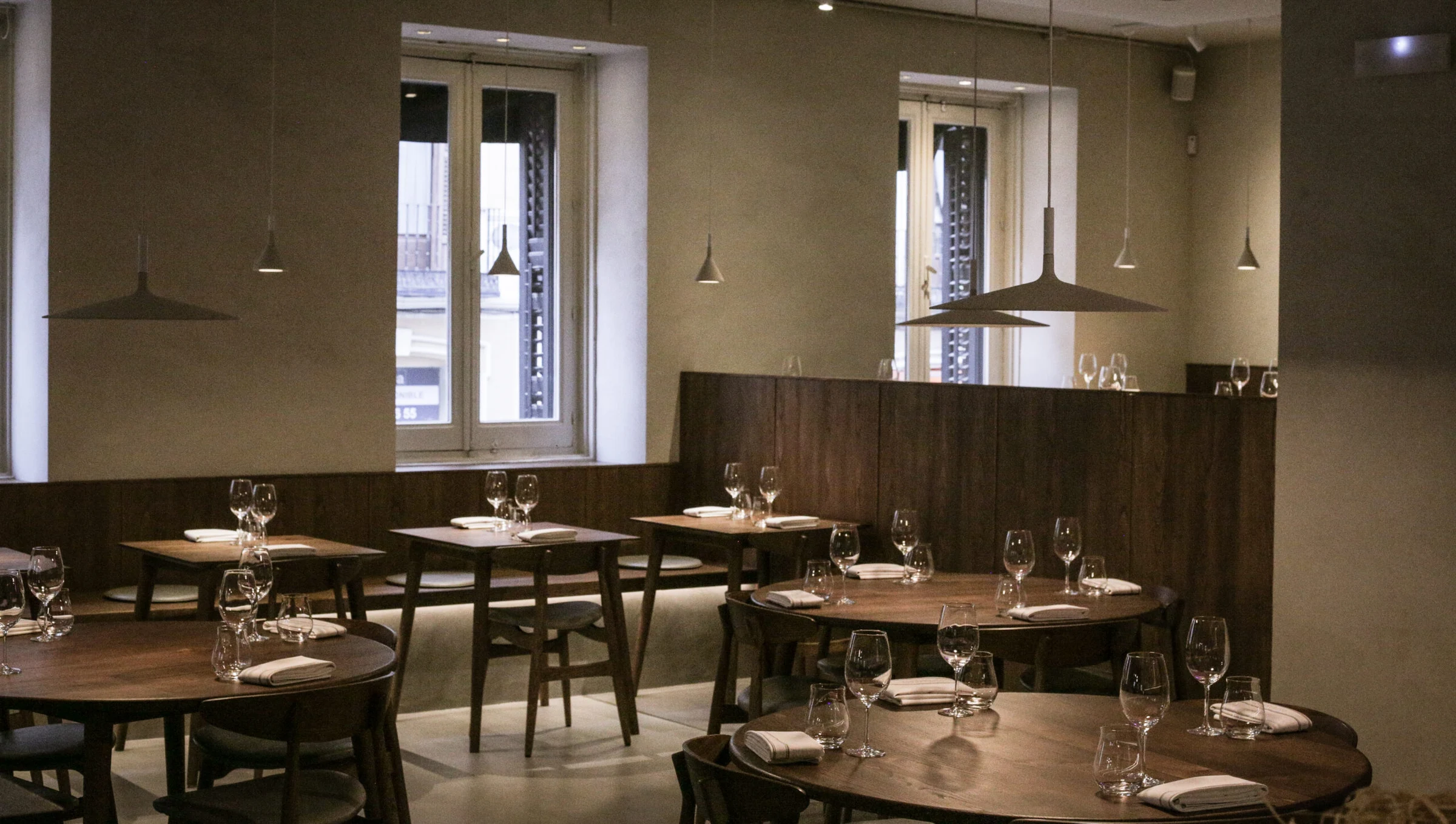
DSTAgE
Madrid, Spain
★★
Modern British Fine Dining
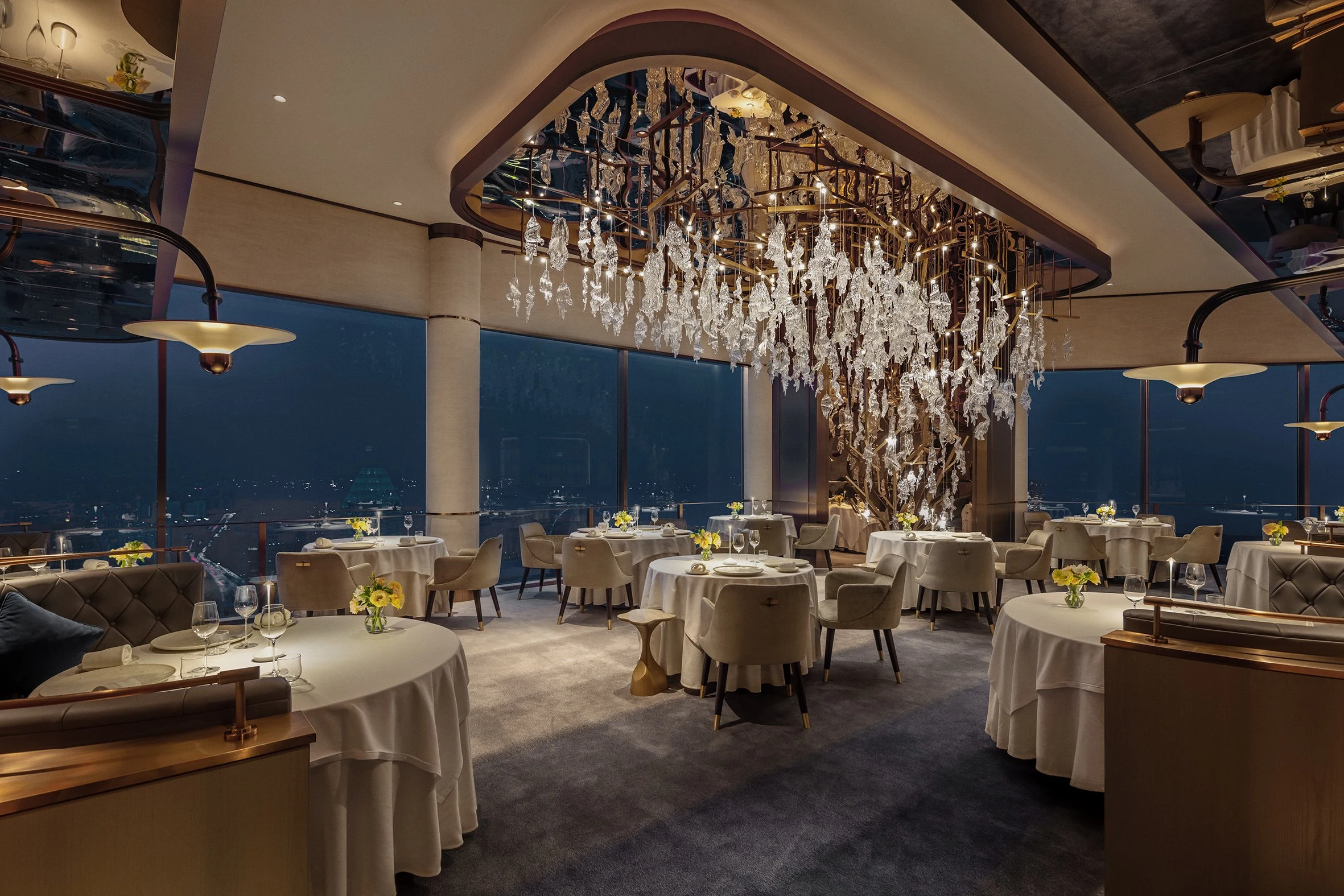
Jaan by Kirk Westaway
Singapore, Singapore
★★ · 50 Best
Modern Piedmontese Fine Dining
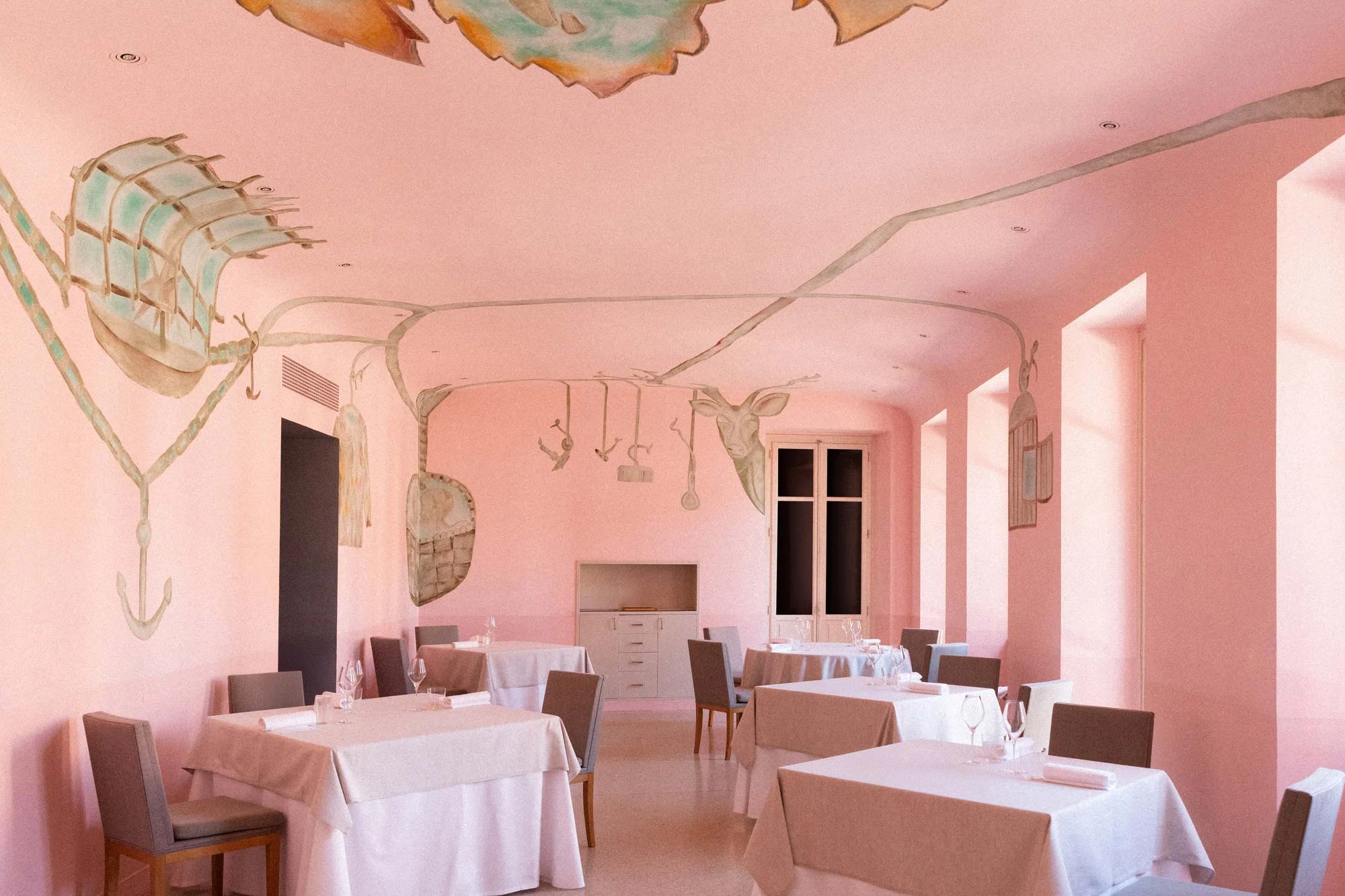
Piazza Duomo
Alba, Italy
★★★ · 50 Best
Modern Mexican Fine Dining
Quintonil
Mexico City, Mexico
★★ · 50 Best
Modern Chinese Fine Dining
WING Restaurant
Hong Kong, Hong Kong
50 Best