Ernő Sagmeister
- 01CityMagyarkanizsa, Serbia
- Falstaff Winery - 3 Stars · 2026
Ernő Sagmeister in Magyarkanizsa is best understood as a small, personal artisan winery rather than a polished commercial tasting room. The picture is intimate and home-like: tastings often unfold with food from the hosts, philosophical conversation, and an emphasis on terroir and energy over showmanship. In other words, the appeal is not primarily about a standardized visitor product, a scripted pour-by-pour format, or a glossy cellar-door atmosphere. It is about entering a more personal setting where wine becomes the starting point for reflection, hospitality and a slower kind of exchange.
The price level is listed as $$. Beyond that, specific public-facing details should be treated carefully: this guide does not verify set hours, a fixed tasting format, vineyard visits, grape varieties, production scale, awards, payment rules, or a formal menu structure. That uncertainty is important to keep in mind, because the venue reads less like a predictable hospitality operation and more like a personal winery experience that may depend on direct arrangement and context. The reliable reason to consider Ernő Sagmeister is the personal, conversation-led winery experience in Magyarkanizsa.
Terroir, energy and a personal tasting mood
The strongest grounded description of Ernő Sagmeister is not a list of labels or technical specifications. It is the feeling of a small artisan winery where the discussion centers on place, energy and the character of the wine rather than commercial presentation. That framing gives the visit a particular mood: slower, more contemplative and more dependent on the people in the room than on a formal sequence of service.
Terroir and energy are broad ideas, but here they help explain the tone of the experience. The wines are presented through a sense of origin and interpretation rather than through a sales-forward structure. For guests who enjoy wine as culture, landscape and conversation, that can be the central attraction. For guests who prefer firm information in advance, it is a reason to confirm directly and avoid assuming details that have not been verified.
That makes the experience different from a standard tasting-room model. Guests should expect a more personal setting, where conversation and hospitality matter as much as the wine itself. Food from the hosts may be part of the experience, but this guide does not verify a fixed dining offer or a formal pairing menu. The safer expectation is not a restaurant-style meal, but a host-led atmosphere in which food, if offered, belongs to the same informal and personal rhythm as the tasting.
A quiet tasting culture, built around conversation
The atmosphere is described as intimate and home-like, with a small-scale, personal rhythm. The appeal is philosophical and human: a chance to spend time with hosts who frame wine through terroir, energy and reflection rather than spectacle. This is the kind of place that will make most sense to travellers who like unhurried encounters and who are comfortable with a visit shaped by conversation rather than a tightly packaged itinerary.
That quiet tasting culture also means expectations should be calibrated. Ernő Sagmeister should not be approached as if every element of the visit is publicly fixed in advance. The known character points toward hospitality, personal exchange and a close connection to wine, but not toward a confirmed set of operational promises. This distinction matters: it protects the charm of the place while also keeping the guidance honest.
This guide does not verify claims about outdoor seating, noise level, children, dogs, shipping, wine clubs, exact visit duration, or booking mechanics. Travellers should confirm practical arrangements directly before planning around a visit. A direct check is especially sensible because the experience described here depends so much on personal contact, host availability and the particular shape of the tasting rather than on a published, standardized format.
For the right guest, the value is direct: Ernő Sagmeister offers a personal artisan-winery experience in Magyarkanizsa at a $$ price level, with conversation and host-provided food forming part of the known character. Its strength is not a long list of amenities, but the possibility of a meaningful, grounded encounter with wine in a home-like setting.
Where it fits in a Magyarkanizsa trip
In a Magyarkanizsa itinerary, Ernő Sagmeister fits as a reflective wine stop rather than a high-volume attraction. Build the rest of the day around other dining in Magyarkanizsa generically, and keep plans flexible until practical details are confirmed directly. It is better treated as a focused, personal visit than as a casual walk-in assumption or the backbone of a rigid schedule.
That positioning is useful for planning. If the visit comes together, it can give the trip a quieter, more local-feeling dimension: a pause for wine, hospitality and conversation rather than another conventional venue stop. If details are uncertain, the sensible approach is to leave room around it, avoid over-planning, and let the confirmed arrangements determine how it fits into the day.
For comparison, the most relevant reference point here is Ernő Sagmeister itself: a small, personal artisan winery in Magyarkanizsa where the experience is grounded in conversation, terroir and a home-like setting. Its identity is clearest when described on those terms, without adding claims or forcing it into the shape of a more formal tasting-room model.
Questions
Frequently asked
How expensive is Ernő Sagmeister?
Ernő Sagmeister is listed at a price level of $$.
The field
How it compares
| Place | Notes | Awards |
|---|---|---|
| Ernő Sagmeister | Magyarkanizsa, $$ | · |
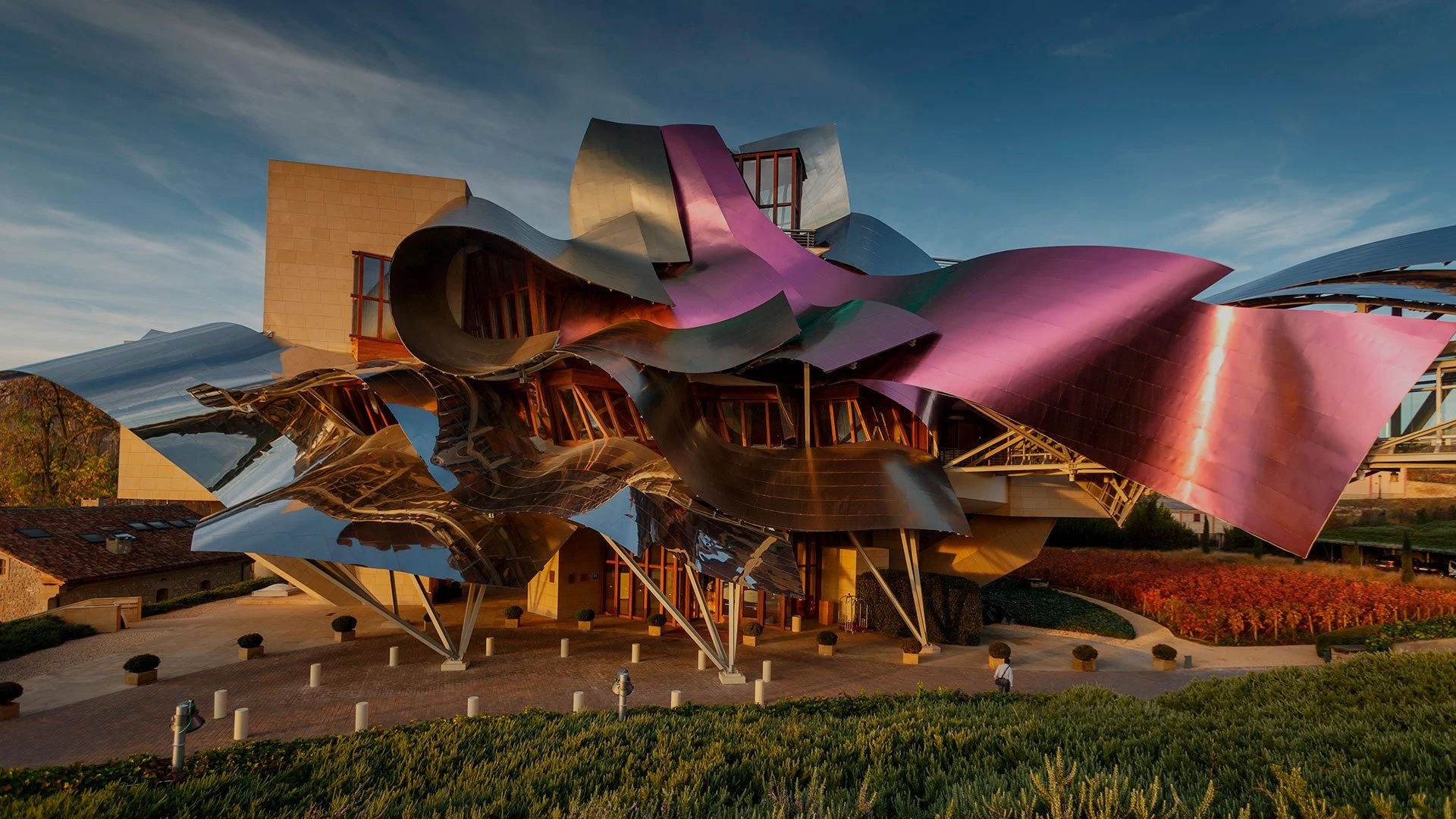
| Bodegas de los Herederos del Marqués de Riscal | Elciego | World's 50 Best |
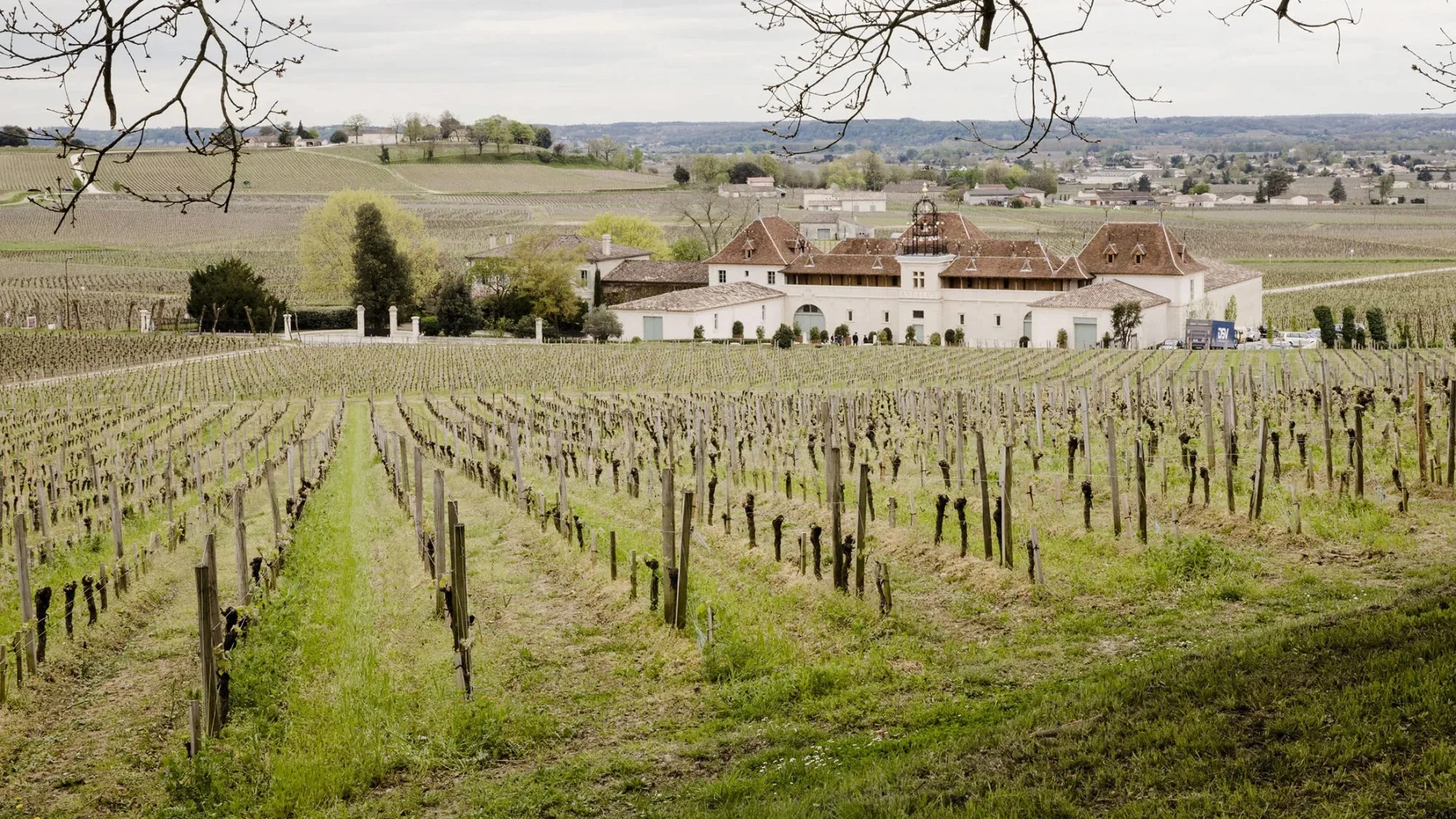
| Château Angelus | Saint-Émilion | · |
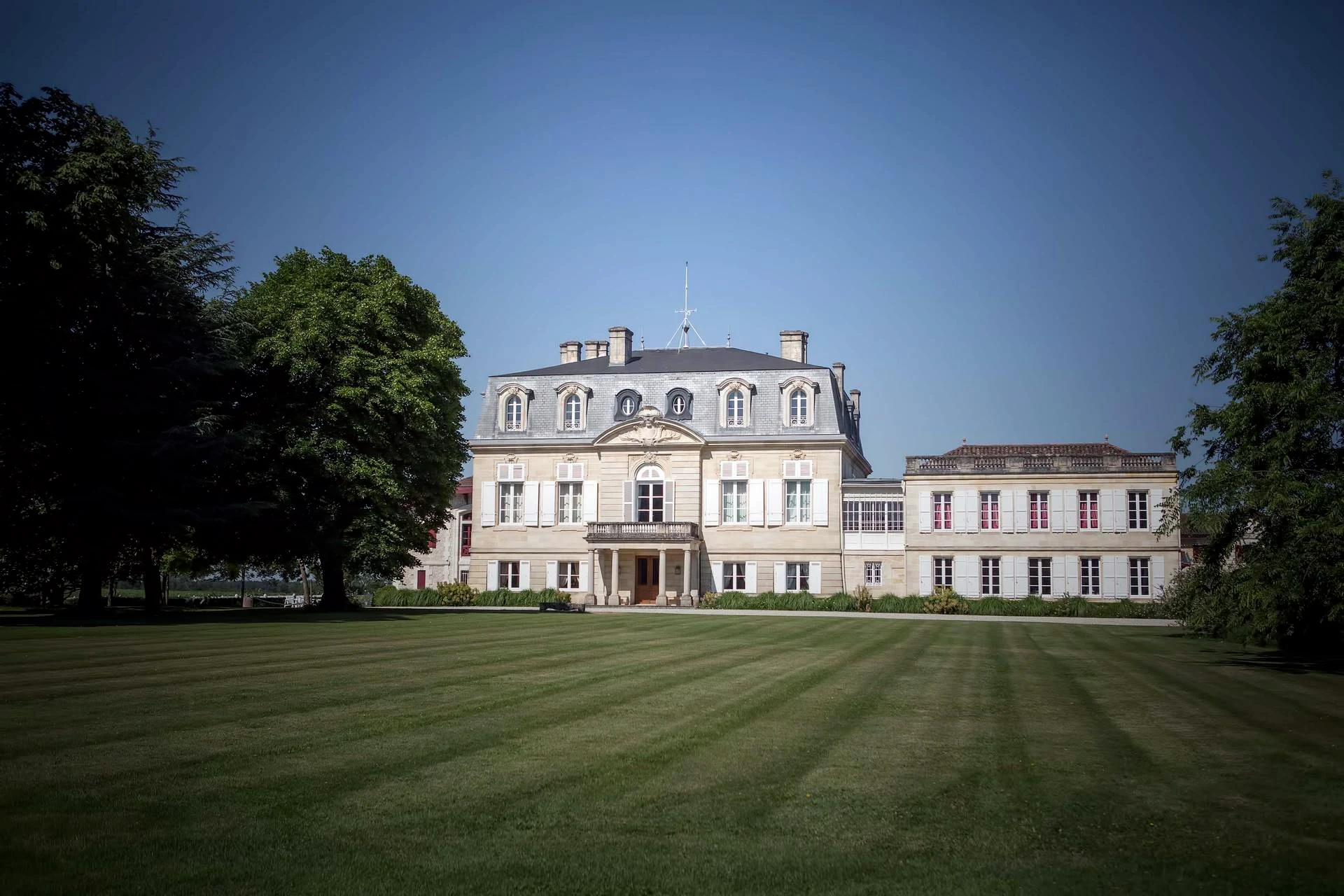
| Château Pontet-Canet | Pauillac | · |
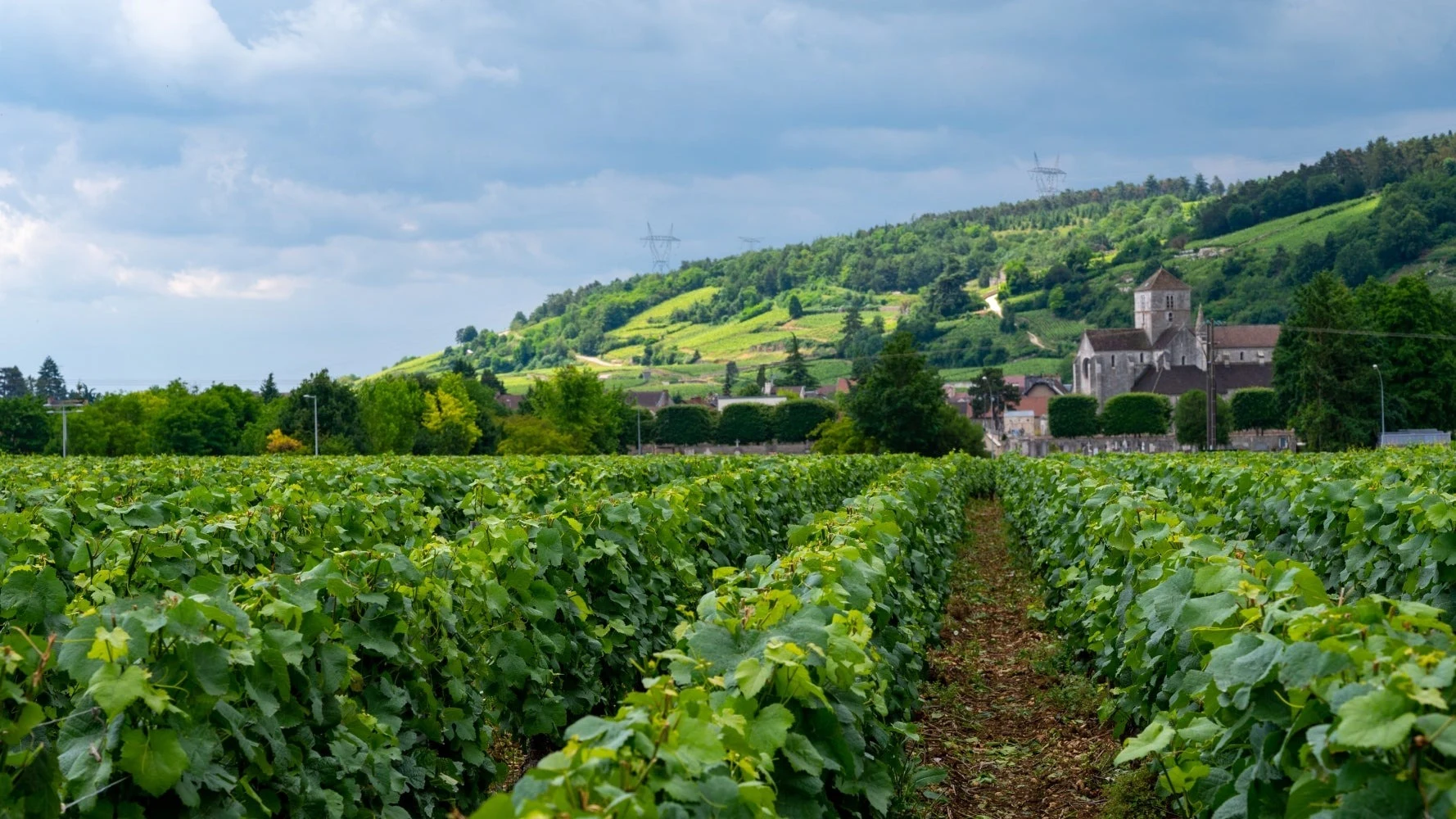
| Domaine Comte Georges de Vogüé | Chambolle-Musigny | · |
| Domaine François Raveneau | Chablis | · |
| Valdicava | Montalcino | · |