Stefan Reinthaler, winemaker at Ernst Reinthaler in Obermixnitz, leads an organic family estate into its second generation today.
Stefan Reinthaler lets the vineyard set the first decision; as winemaker at Ernst Reinthaler in Obermixnitz, he works from the organic side of the estate before the cellar can answer. His public role is plain: organic winegrower at Bio Wein Reinthaler in the Waldviertel. The title matters because it keeps the craft in the field, where weather, cultivation and timing decide what the hands can do later.
The house began in 1980, when Stefan’s father established the wine and agricultural enterprise in Obermixnitz, within Weitersfeld in the Horn district of Lower Austria. Stefan formally took over in February 2013, carrying the second generation into the work without separating wine from farm. The family name remains on the place, and the operating name, Bio Wein Reinthaler, states the method before it states a style. This is not a cellar built around spectacle. It is a small, quiet estate whose discipline sits in continuity: one family line, one village, one organic practice, returned to season after season.
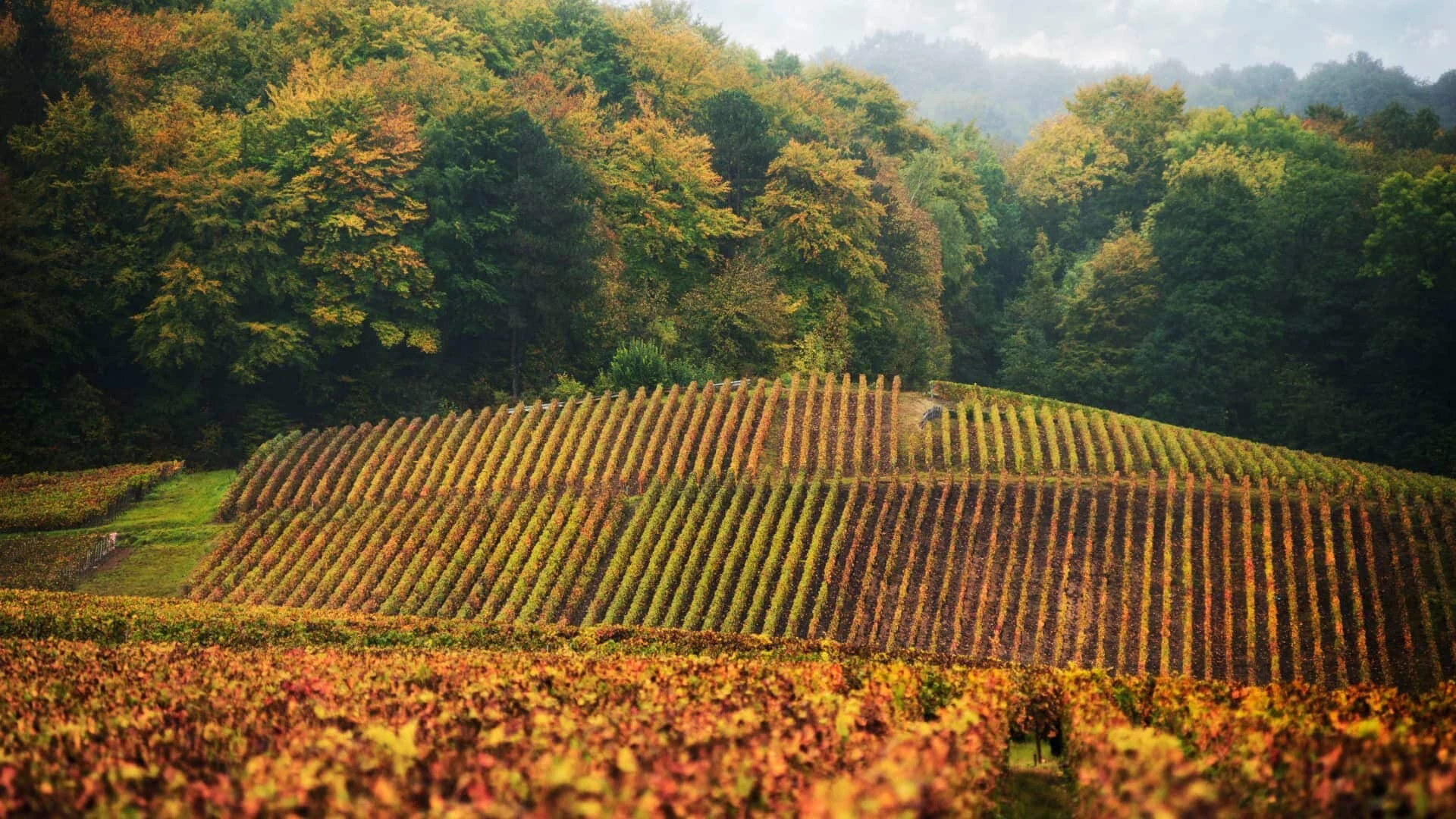
Organic winegrowing at Ernst Reinthaler begins with restraint. The designation Bio Wein binds the estate to organic cultivation, so the vineyard is not treated as a neutral supply line for the cellar. It is the station. Stefan’s work belongs to the growing cycle, from the decisions made before harvest to the fruit that arrives ready, or not ready, because the year has had its say.
The estate is registered as both an agricultural farm and a wine estate, a useful pairing in this context. It keeps the work close to the land rather than reducing it to a bottling program. In practice, that means the language of the place is agricultural before it is oenological: cultivation, timing, weather, crop, cellar. What it does state clearly is the organic method, and that gives the wine program its boundary. The long way here is not a flourish. It is the discipline of accepting that each vintage starts outside, in Obermixnitz soil and Waldviertel weather, before Stefan can make any cellar decision with conviction.
The texture of the place follows the scale of the work. Obermixnitz is a village setting, not a stage set for wine tourism, and the cellar reads through that quietness. Rustic is the right register when it means unpolished by performance.
In Lower Austria, many estates speak through variety and appellation. Here, the available facts point first to method and succession. That gives the room its gravity. Stefan stands at a point where the predecessor’s establishment in 1980 still shapes the address, while the responsibility since February 2013 rests with his hands. The tasting room, if it is open to the public, is not the story to lean on here. The story is the repeated passage between vine and cellar, with Bio Wein Reinthaler named every time the organic method reaches the bottle.
The importance of Ernst Reinthaler is local and familial rather than ornamental. A winery founded in 1980 and taken on by the next generation in February 2013 carries its measure in continuity, not in a long list of claims. For Stefan, the next move is the next vintage, judged first by the vineyard and only then by the cellar. That is where the house keeps its patience, in Obermixnitz.
Obermixnitz, Weinviertel, Lower Austria, Österreich
Obermixnitz