Hand harvest across 9 hectares
- Falstaff Winery - Listed · 2026
Hand-picked fruit in Schiltern
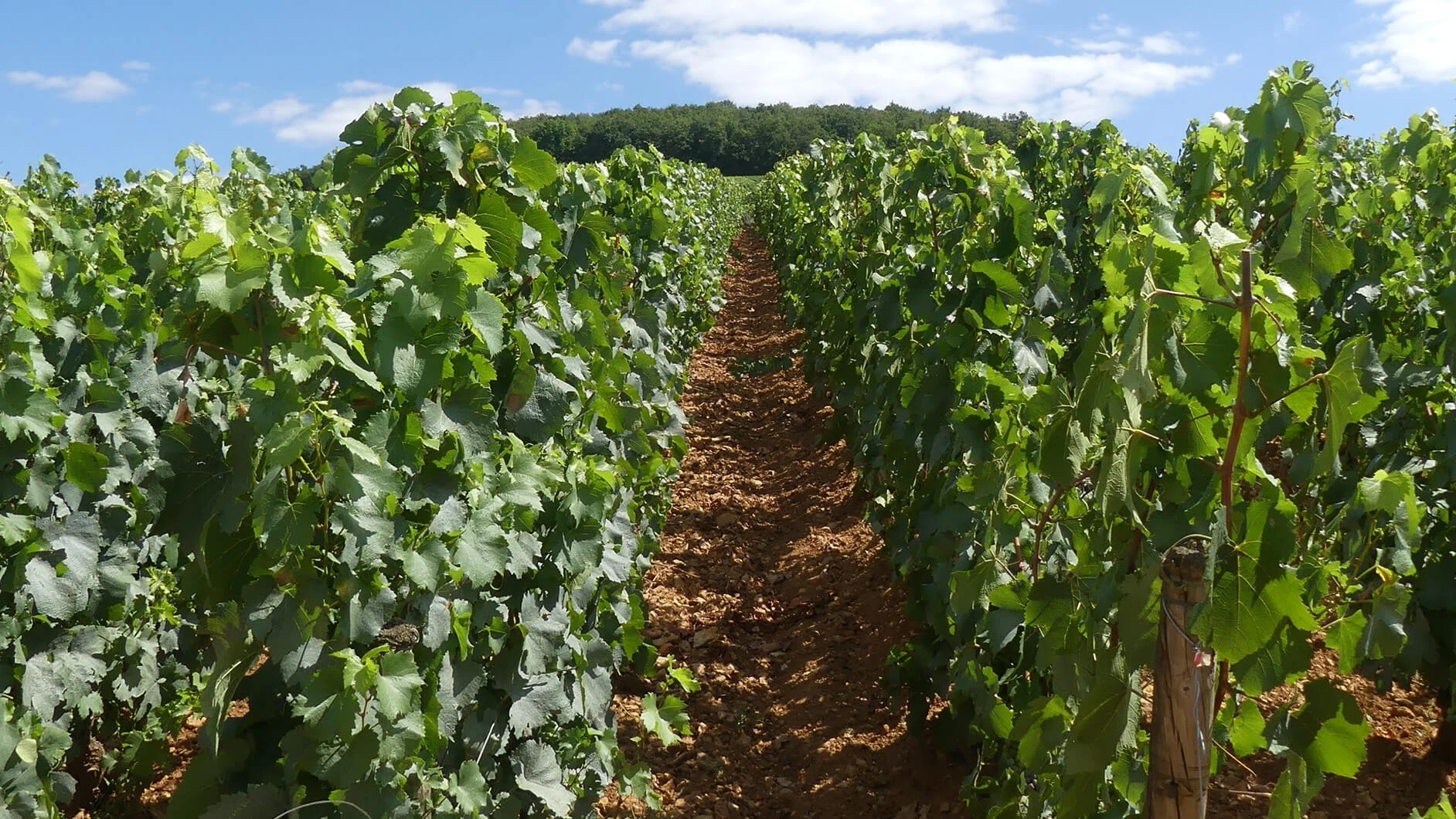
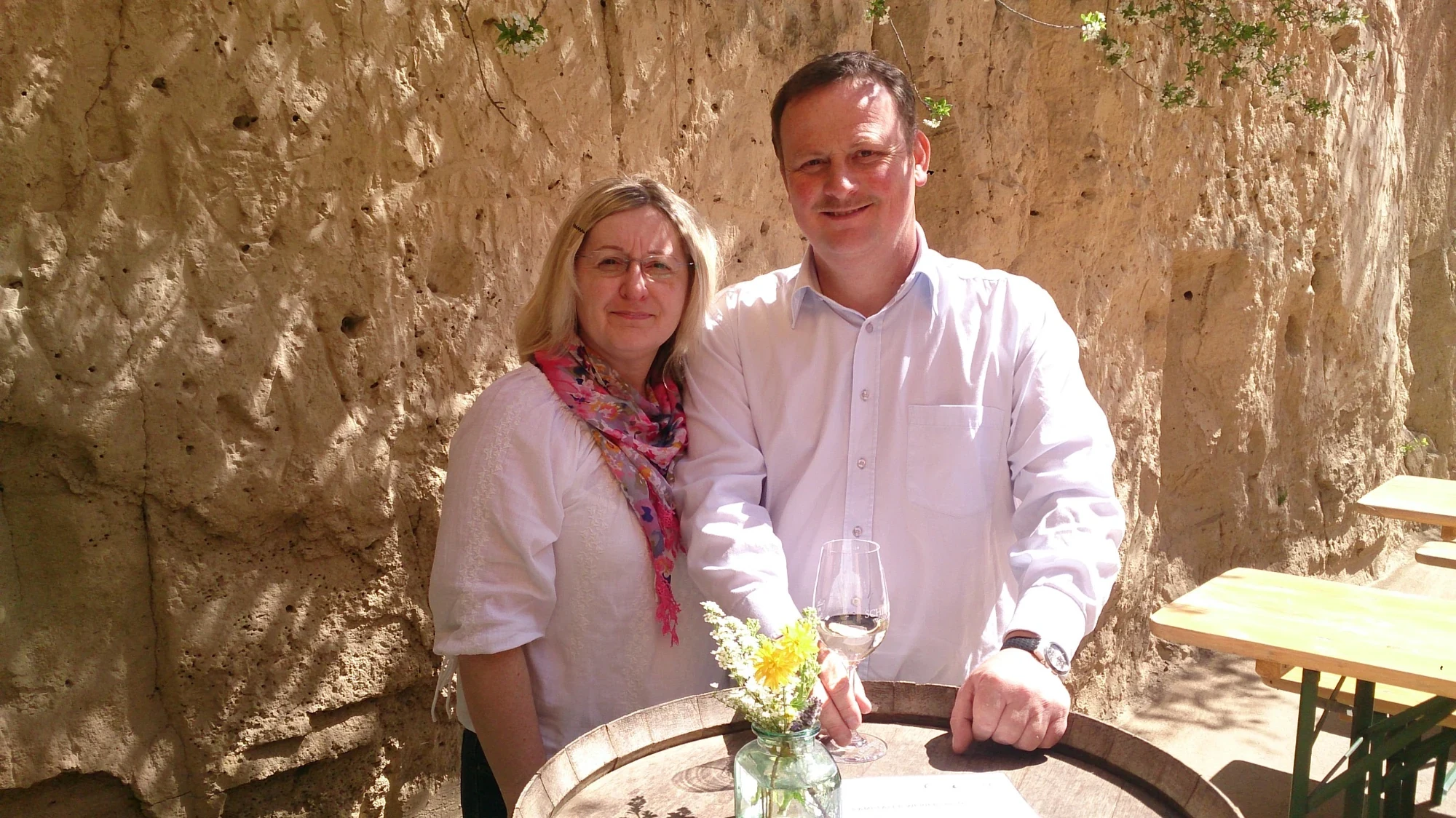
The harvest is done by hand at Erwin Gruber, where Erwin Gruber works as winemaker in Schiltern, inside a family estate whose dates reach back to 1894. The scale is legible: 9 hectares of vines in the Kamptal, worked as a small estate rather than a broad machine. Gruber is the fourth generation attached to this house, a lineage measured less by formal ceremony than by the repeated work of pruning, picking, fermenting, tasting, and deciding when a wine has found its shape.
The estate gives its clearest statement in the vineyard. All grapes are harvested by hand, a choice that keeps selection at the level of the bunch and the hands rather than the speed of a machine. In a region where regional character matters, that decision is not decorative. It sets the first terms of the cellar. Fruit comes in as a result of walking the rows, reading ripeness, leaving behind what should not enter the press, and keeping the work close enough for the winemaker to feel each parcel as part of the same house language.
A Kamptal cellar built on regional varieties
The program is centered on still wines from regional varieties, with white wine carrying much of the Kamptal conversation and red wine held within the same family scale. The estate describes its work through regional typicity and careful aging, language that suits a cellar where the important movements are quiet ones: receiving the hand-picked fruit, guiding fermentation, and letting the wine develop without losing the line of Schiltern.
Those are not small claims in a village estate. They define how much can be watched, how much can be corrected before picking, and how directly the vineyard can answer back in the glass. In a larger operation, scale can blur responsibility. Here, scale keeps it near the bench-side equivalent of winegrowing, close enough that the same family name marks both the land and the bottle.
The quiet of a small estate
The place itself keeps a rural, cellar-focused character. Schiltern sits within the Kamptal, and the winery reads as part of that agricultural fabric rather than as a room built around performance. The cellar and the vineyards are the working center; the tone is simple, quiet, and directed toward wine made by hand from the estate’s own ground.
There is no need to overstate the atmosphere. A small family winery has its own discipline: tools put where they are used, decisions made close to the fruit, and the vintage moving through the house without spectacle. The visitor encounters a working estate shaped by vines, cellar, and family continuity. The final measure remains practical and concrete: hand-picked Kamptal fruit from 9 hectares in Schiltern.
Questions
Frequently asked
Who makes the wine at Erwin Gruber?
Erwin Gruber works as the winemaker in Schiltern, and the estate is described as a family house with Gruber as the fourth generation attached to it.
What kind of estate is it?
It is a small family estate in the Kamptal with 9 hectares of vines, and its dates reach back to 1894.
How are the grapes harvested?
All grapes are harvested by hand, with the fruit selected bunch by bunch in the vineyard.
What style of wines does the winery focus on?
The program is centered on still wines from regional varieties, with white wine carrying much of the Kamptal conversation and red wine made on the same family scale.
The field
How it compares
| Place | Notes |
|---|---|
| Erwin Gruber | Schiltern, $$ |
| Domaine Bonneau du Martray | Pernand-Vergelesses |
| Familie Wiesinger | Schiltern |
| Harald Groll | Schiltern |
| Weingut Herndler | Schiltern |
| Weingut Manfred Steinschaden | Schiltern |
| Winzerhof Franz Kolm | Schiltern |