Natural ferments on Te Muna gravel
- Falstaff Winery - 4 Stars · 2026
Pinot Noir as the first decision
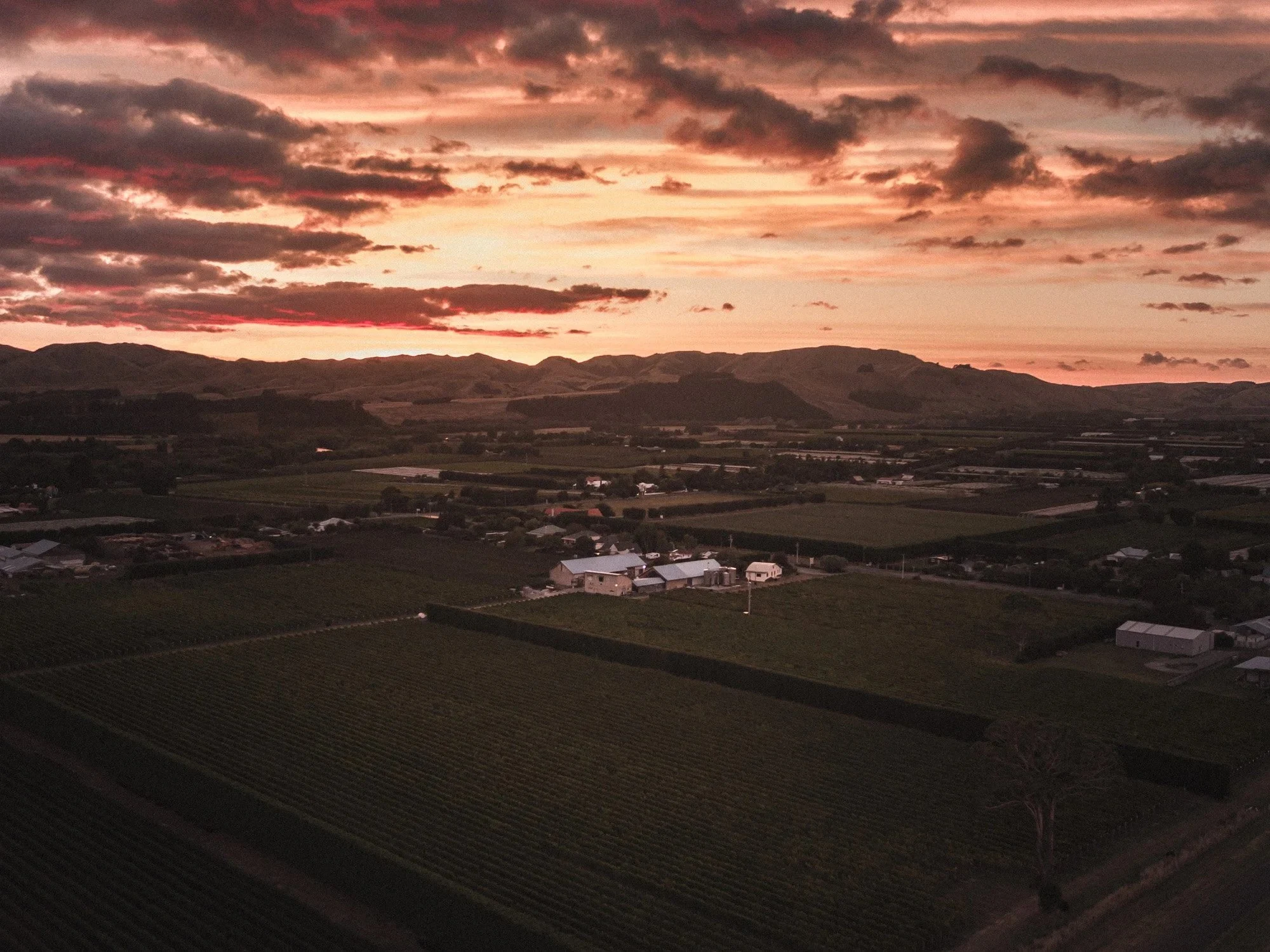
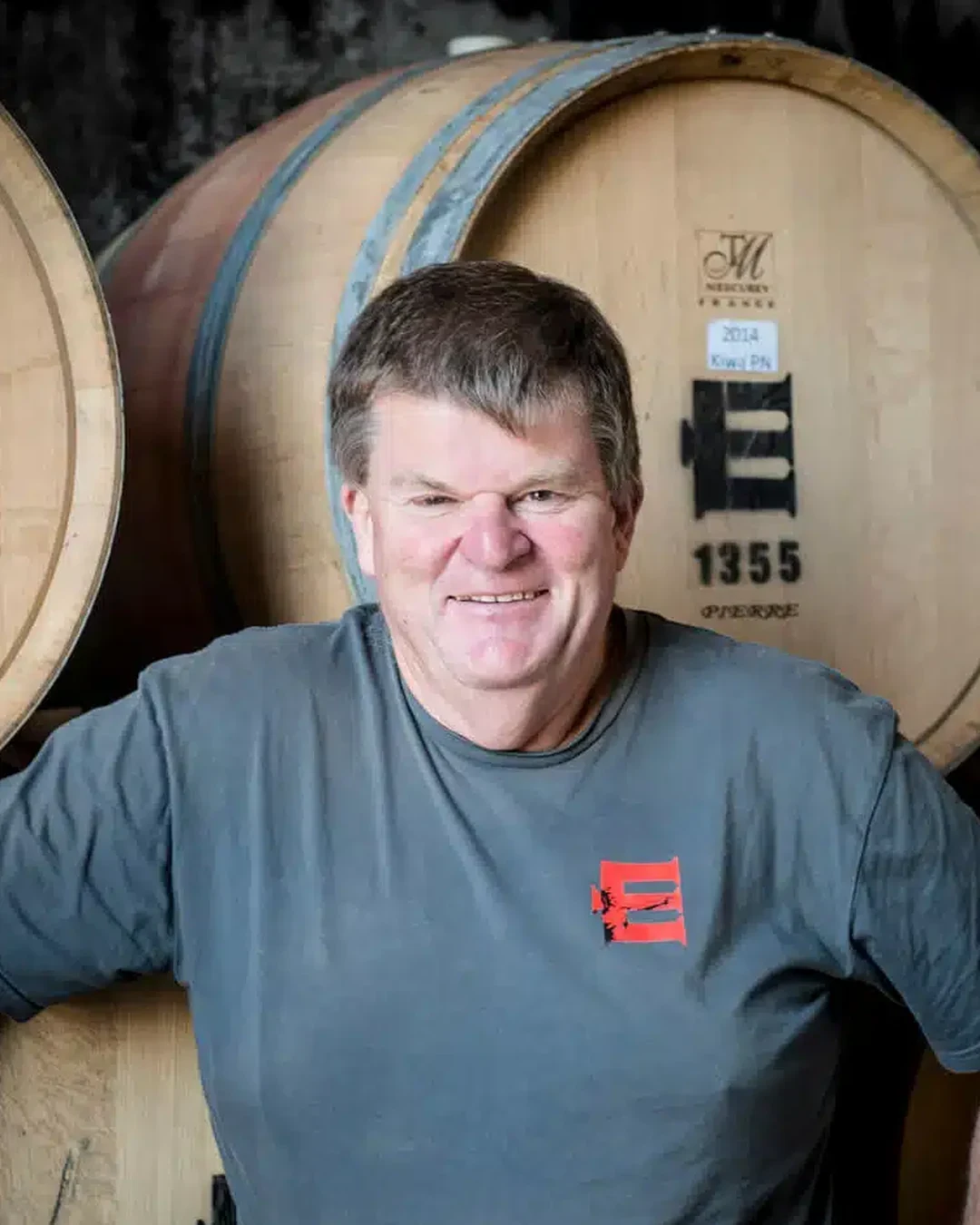
Larry McKenna keeps Pinot Noir at the center of the cellar as winemaker at Escarpment in Martinborough, working from Te Muna Road rather than town. Larry McKenna trained at Roseworthy Agricultural College in 1976, then put that education to use at Delegat's Wine Estate in Auckland before the move that fixed the line of his career. “I moved to Martinborough in 1986, with the express intent of being involved with Pinot Noir.” At Martinborough Vineyard, he served as chief winemaker and chief executive from 1986–1999; at Escarpment, founded in 1999 with Sue McKenna, Robert Kirby and Mem Kirby, the same argument narrowed around site, variety and patience. The estate sits a few kilometres east of Martinborough town on the Te Muna river terraces. Its name comes from that landform, not from a label-room flourish. McKenna's 2014 New Zealand Wine Hall of Fame recognition belongs to a career that stayed with one climate and one grape long enough for the detail to matter.
Natural ferments on Te Muna gravel
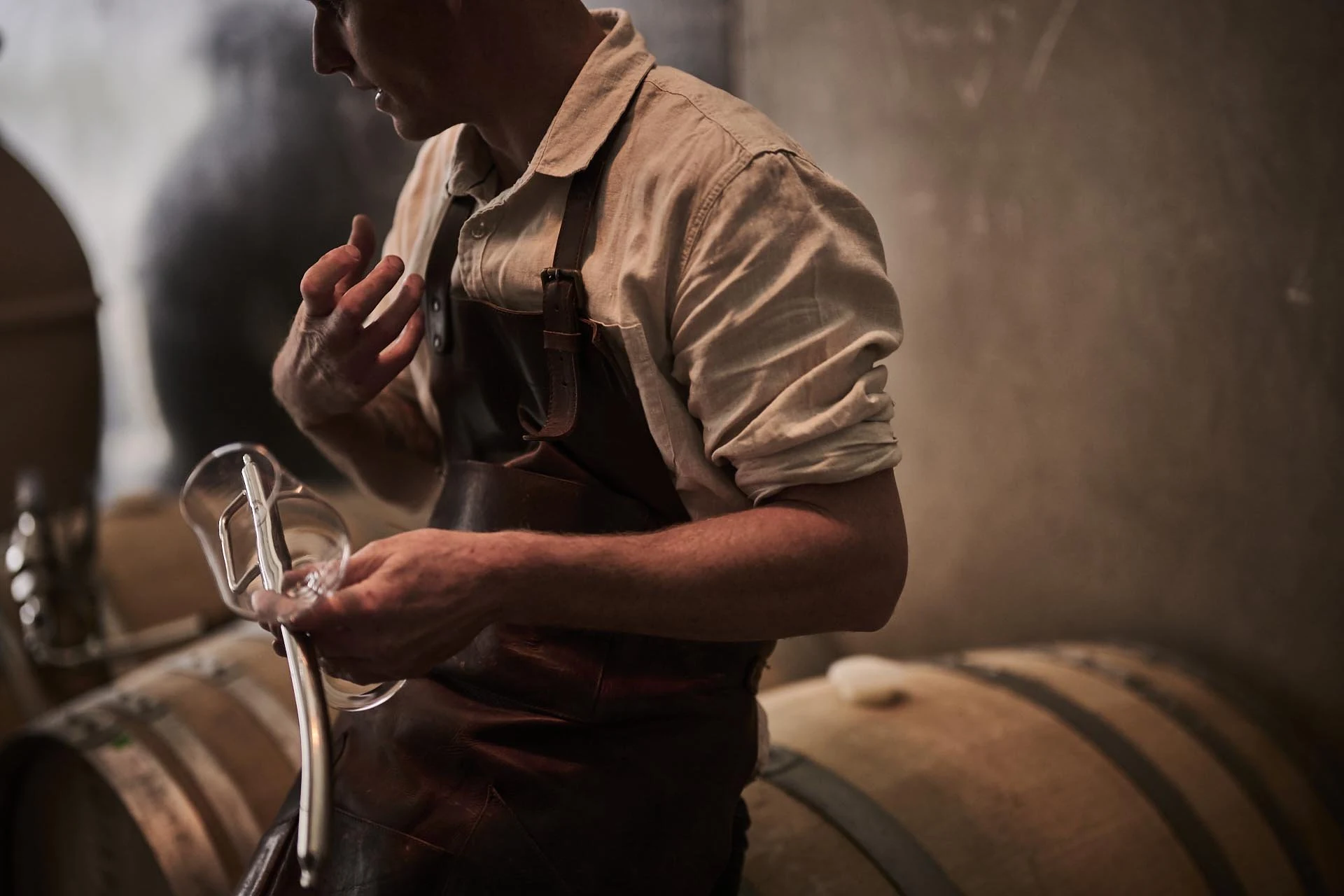
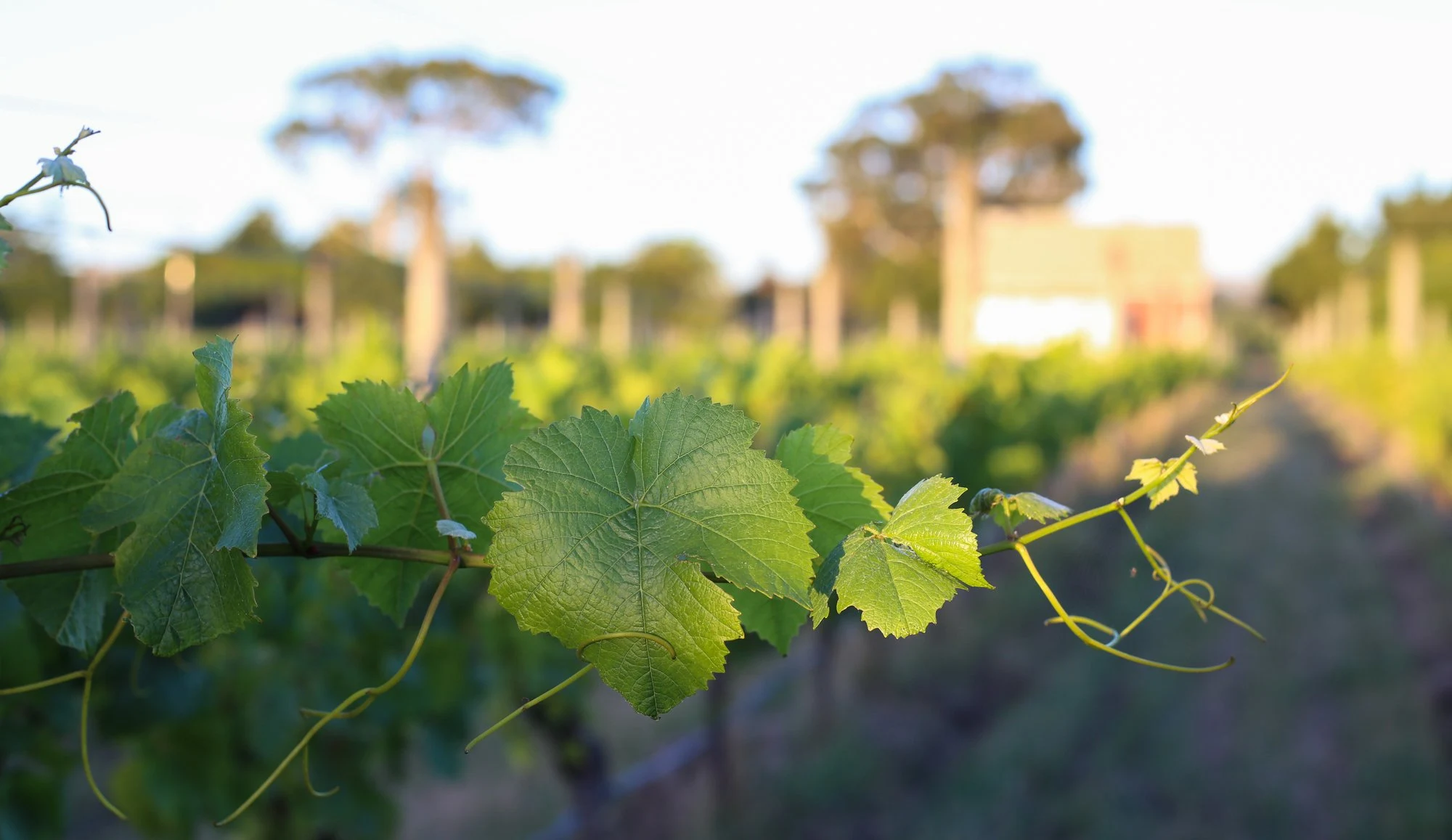
The method here starts in the vineyard, where alluvial loams sit over alluvial gravels and drain quickly through the Martinborough Terrace. Martinborough's summer days rarely exceed 30°C, annual rainfall averages 700mm, and autumn weather is steady enough to let fruit finish its ripening without haste. Pinot Noir accounts for 70% of the plantings, with Chardonnay, Pinot Gris, Riesling and Pinot Blanc giving the cellar its other stations. Escarpment uses natural ferments for reds and whites. For Chardonnay, McKenna moved away from complete malolactic fermentation and added acid, leaving a measure of malic acid in the wine for freshness; the fruit is whole bunch pressed to barrel. The single-vineyard Pinot Noir work carries the estate's clearest bench mark: Kupe, Kiwa, Te Rehua and Pahi, the Martinborough Insight wines, come from individual sites within a kilometer of each other, on the same soil type. Older Pinot Noir vines are 25 years old, except Kupe at 10 years, a span that counts differently in a young region.
The quiet of the tasting room
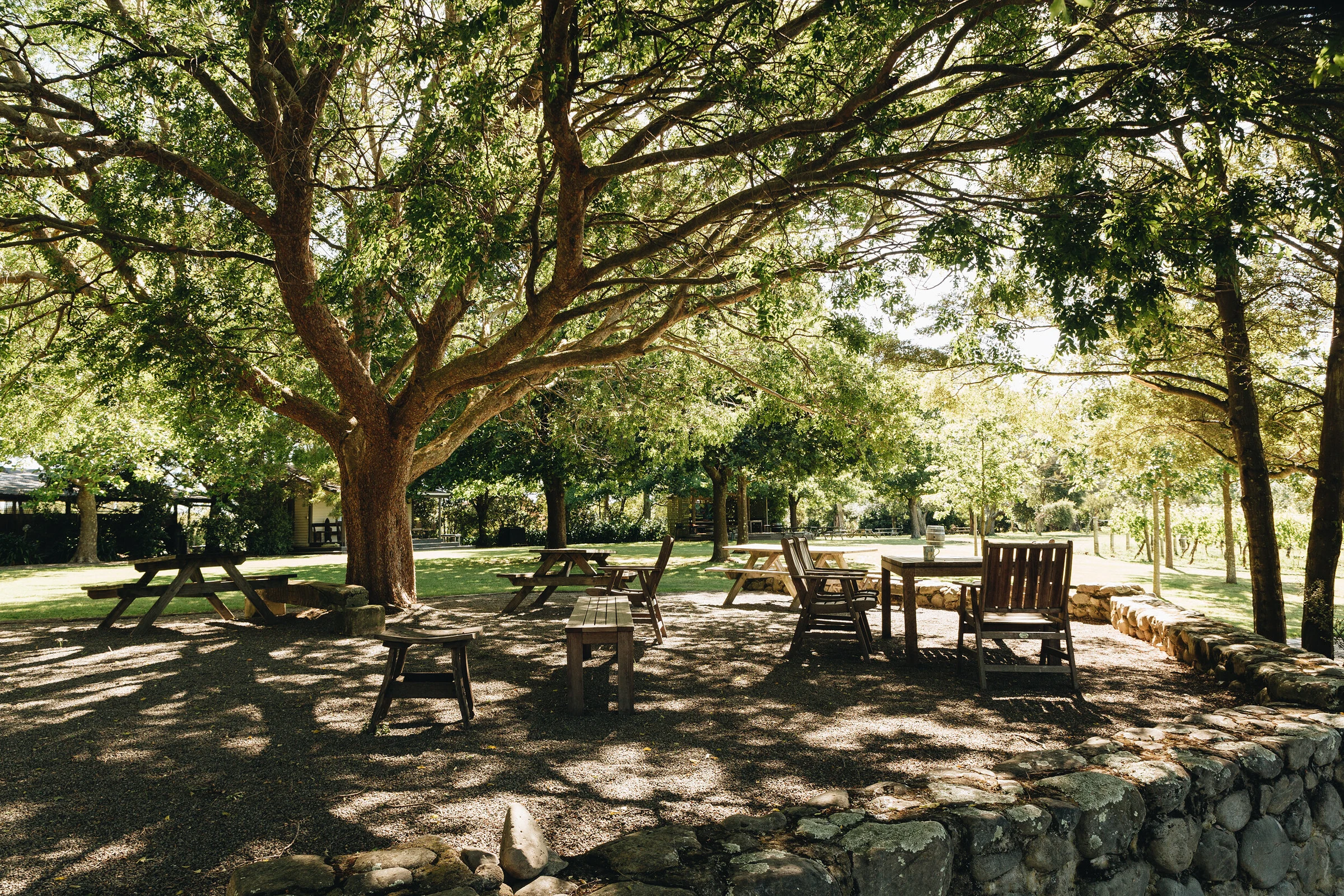
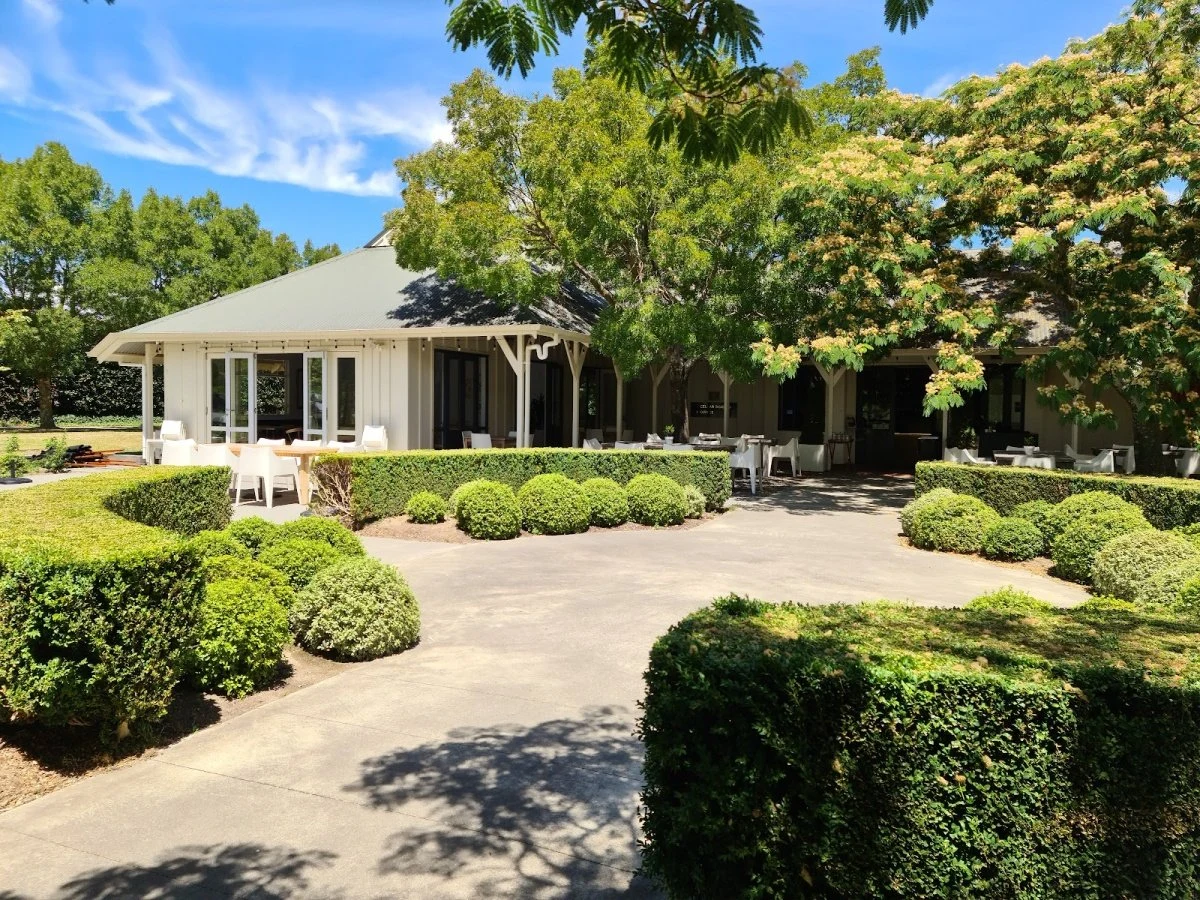
The tasting room keeps close to the vineyard rather than the street. Around it, Te Muna Road opens into rural ground, vines and the low discipline of a cellar door built for seated attention. The room is quiet by design, more table than crowd, more estate portfolio than passing flight. Pinot Noir sets the pace, but Chardonnay has its own place in the conversation, especially when tasted beside the single-vineyard reds and their variations in tannin, fruit weight and mineral line. The cellar's language is not theatrical: natural ferment, whole bunch press, site name, vintage, glass. McKenna's own judgment still frames the work: “I really thought that variety suited this climate so much better than the Bordeaux varieties.” End at Kupe, and the place narrows to a named vineyard, a glass, and the Te Muna gravel beneath it.
Questions
Frequently asked
Who makes the wine at Escarpment?
Larry McKenna is the winemaker at Escarpment, and the estate was founded in 1999 with Sue McKenna, Robert Kirby and Mem Kirby.
What is Escarpment known for?
The winery keeps Pinot Noir at the centre of the cellar, working from the Te Muna river terraces in Martinborough. Chardonnay also has a place in the tasting conversation.
How does a visit work?
Escarpment runs by appointment only, and the tasting room is set up for seated attention rather than a walk-in crowd.
Is there parking on site?
Yes. Escarpment has on-site parking.
What is the price point?
The venue is in the $$$ price tier, with an approximate cost of $15 per person.
The field
How it compares
| Place | Notes | Awards |
|---|---|---|
| Escarpment | Te Muna Road / Martinborough, $$$ | · |
| Ata Rangi | Martinborough | World's 50 Best |
| Dry River Wines | Martinborough | · |
| Kusuda Wines | Martinborough | · |
| Martinborough Vineyard | Martinborough | · |
| Palliser Estate | Martinborough | · |
| Schubert Wines | Martinborough | · |