est
In Residence
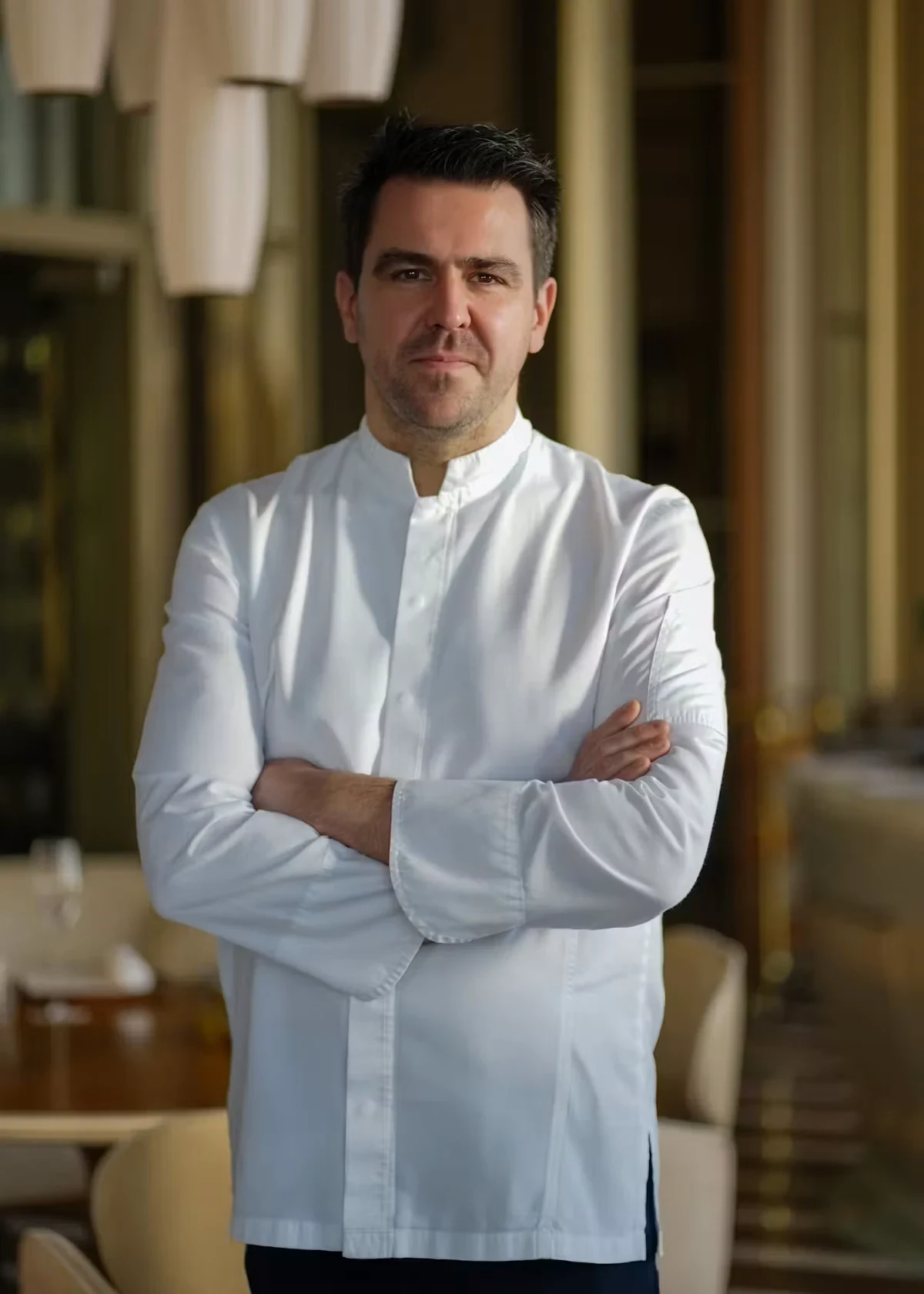
Guillaume Bracaval
Chef
- 01CuisineModern French with Japanese Influences
- 02CityTokyo, Japan
- 03RecognitionOne Michelin Star
- 1 Michelin Star · Michelin Guide
- Wine Spectator · Tier 2
- Star Wine List · 2026
- Wine Spectator Best of Award of Excellence · 2026
- Michelin 1 Star · 2026
- La Liste Top Restaurants: 93pts · 2026
- Opinionated About Dining Top Restaurants in Japan Recommended · 2026
- The Best Chef One Knife · 2025
- Opinionated About Dining Top Restaurants in Japan Ranked #449 · 2025
- La Liste Top Restaurants: 94.5pts · 2025
- Wine Spectator Best of Award of Excellence · 2025
- Forbes 4-Star · 2025
- Michelin 1 Star · 2024
- Opinionated About Dining Top Restaurants in Japan Ranked #488 · 2024
Thirty-Eight Floors Above Otemachi
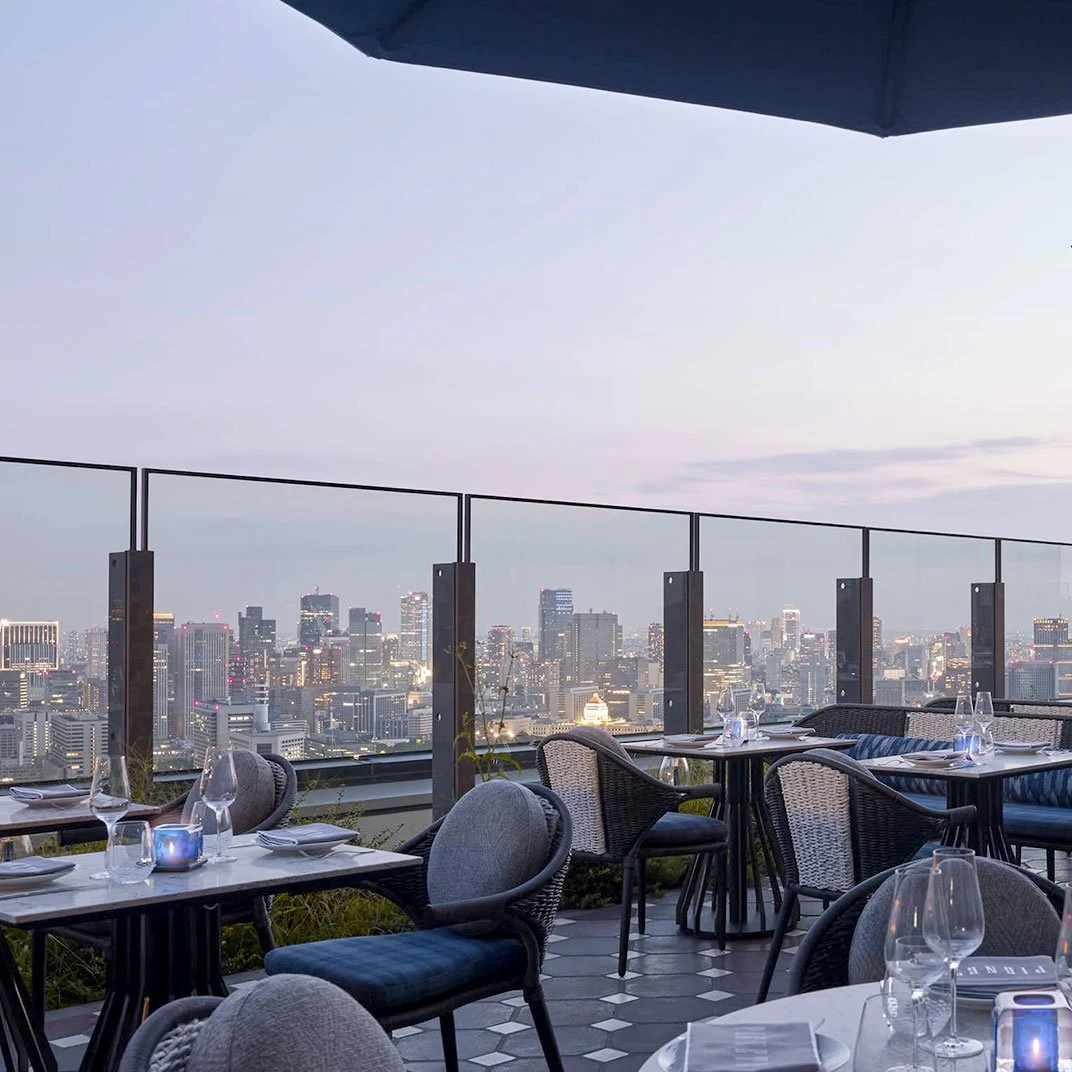
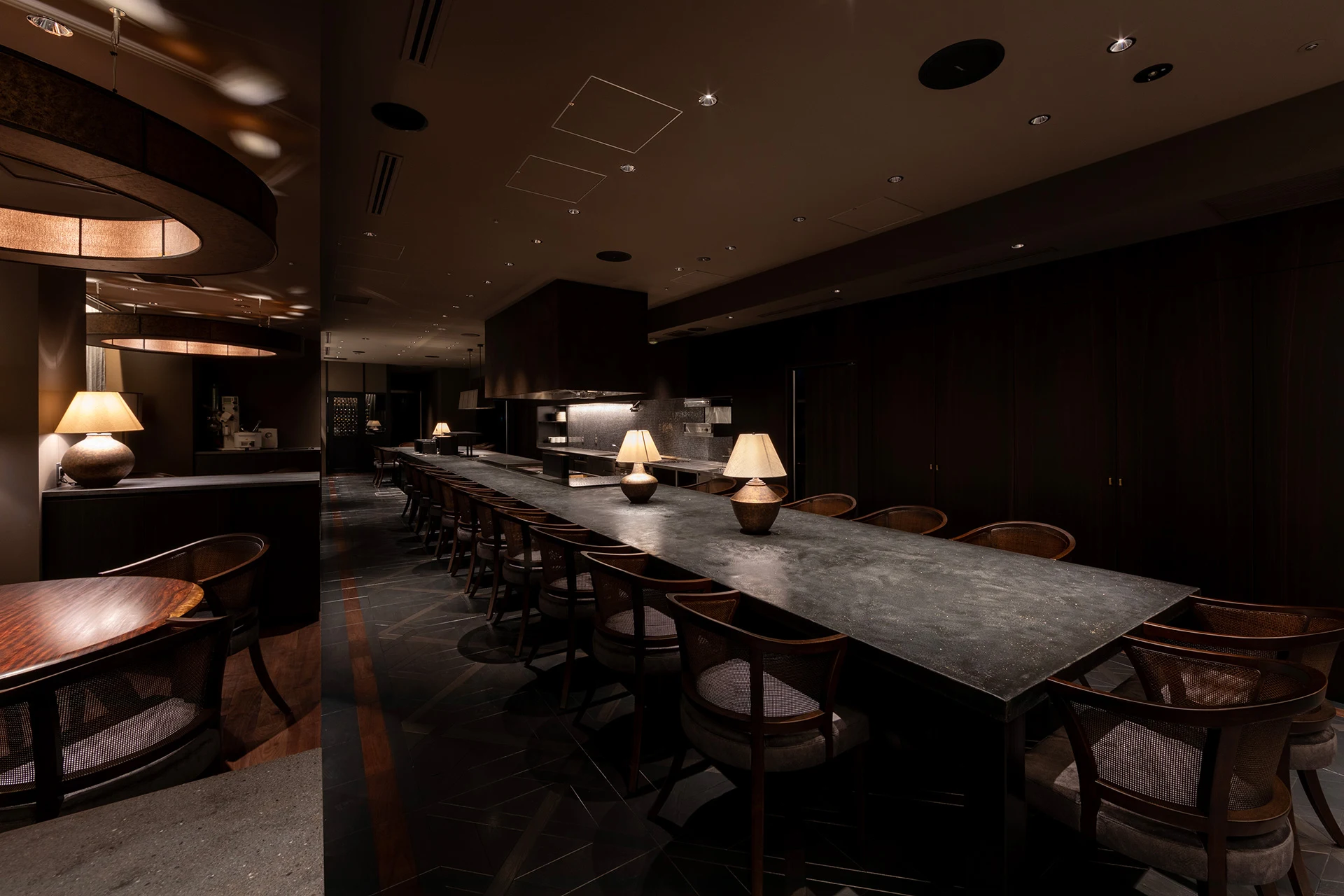
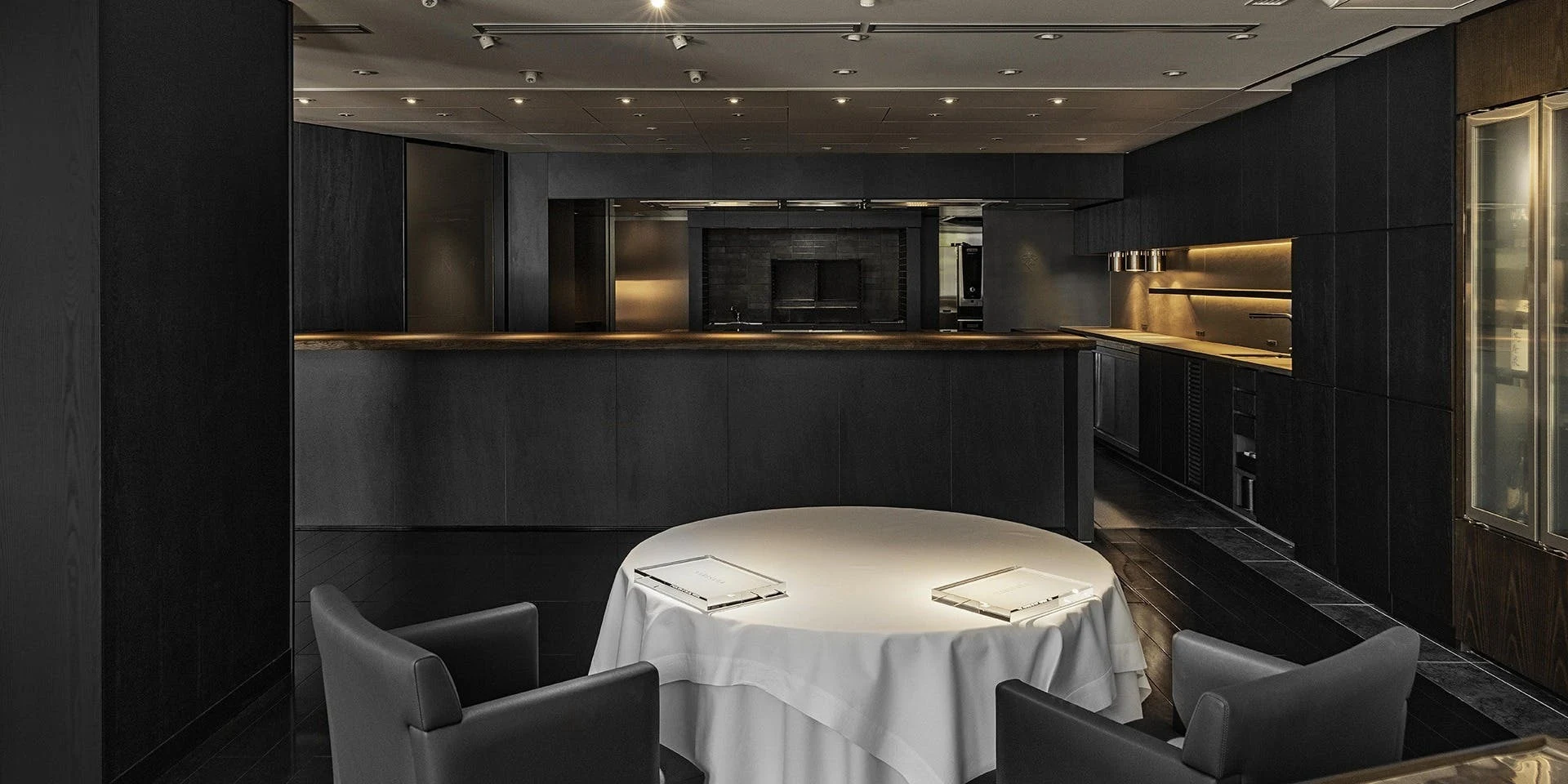
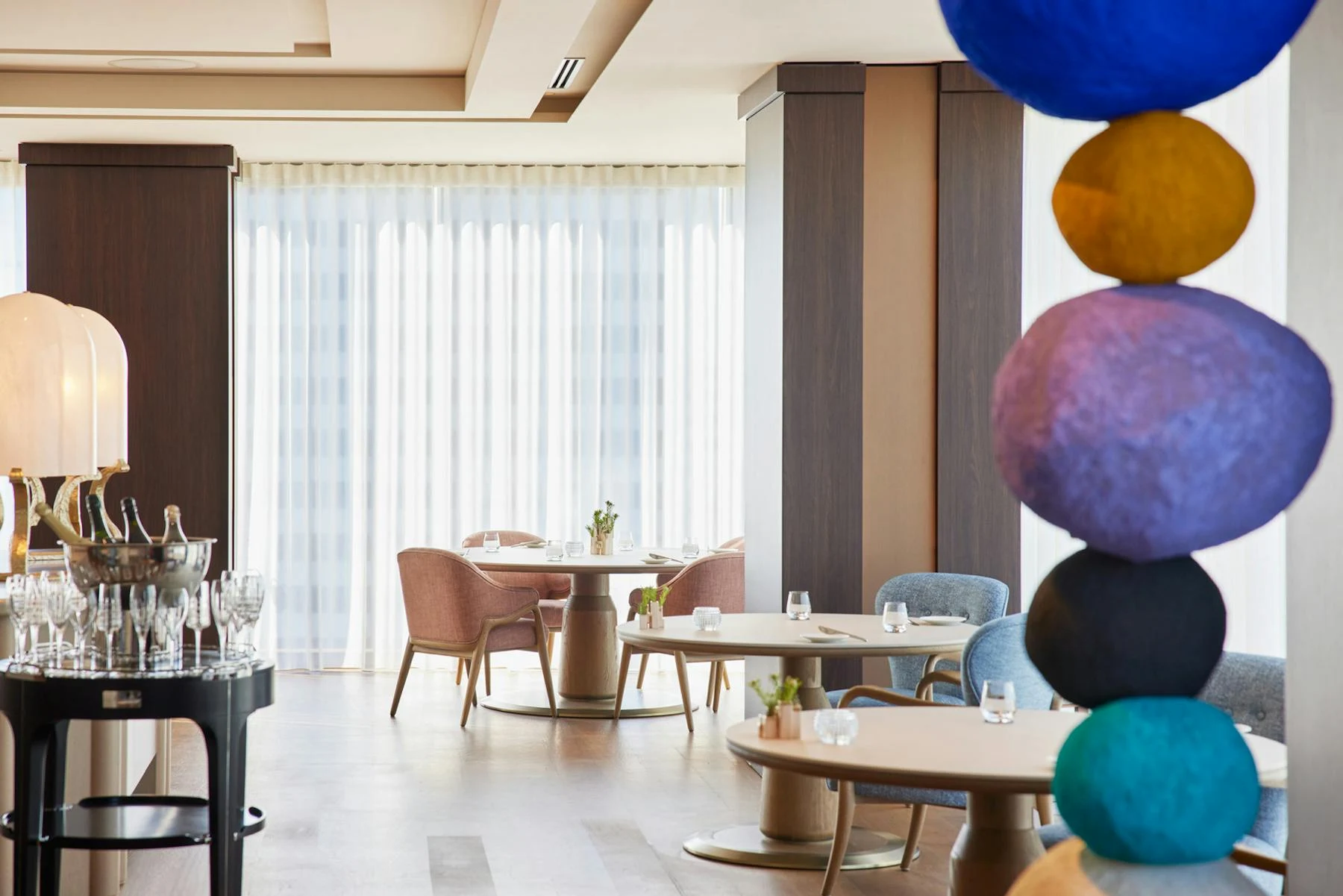
The elevator opens directly into a room where Tokyo spreads in every direction, a hard-edged grid dissolving into haze at the horizon. By the time you reach your table at Est on the 38th floor of the Four Seasons Hotel Tokyo at Otemachi, the city has already done half the work. The dining room itself runs in beige and ecru, with a curtain-glass wall exposing the working kitchen, where brigade movement is constant and visible. The effect is less theatrical than at some high-rise peers and more like sitting inside a functioning atelier that happens to have a panoramic view of one of the world's densest urban concentrations.
Est opened in 2020 alongside the hotel's launch in Otemachi One Tower. The setting matters beyond aesthetics. Otemachi puts Est in a different competitive orbit from the French restaurants that cluster around Ginza and Roppongi. Where those neighbourhoods draw a mixed international crowd with strong tourist representation, the Otemachi address skews toward corporate dining and high-end hotel guests who treat French cuisine as a default register for serious meals, not a novelty.
The Sunday letter
Find new places through the people who run them.
Our Sunday email brings you the chefs, winemakers and hoteliers behind our newest stories. See a sample before you subscribe.
See a sample of the Sunday emailOne email a week. Unsubscribe from any issue.
French Cuisine Sourced Through Japanese Terroir
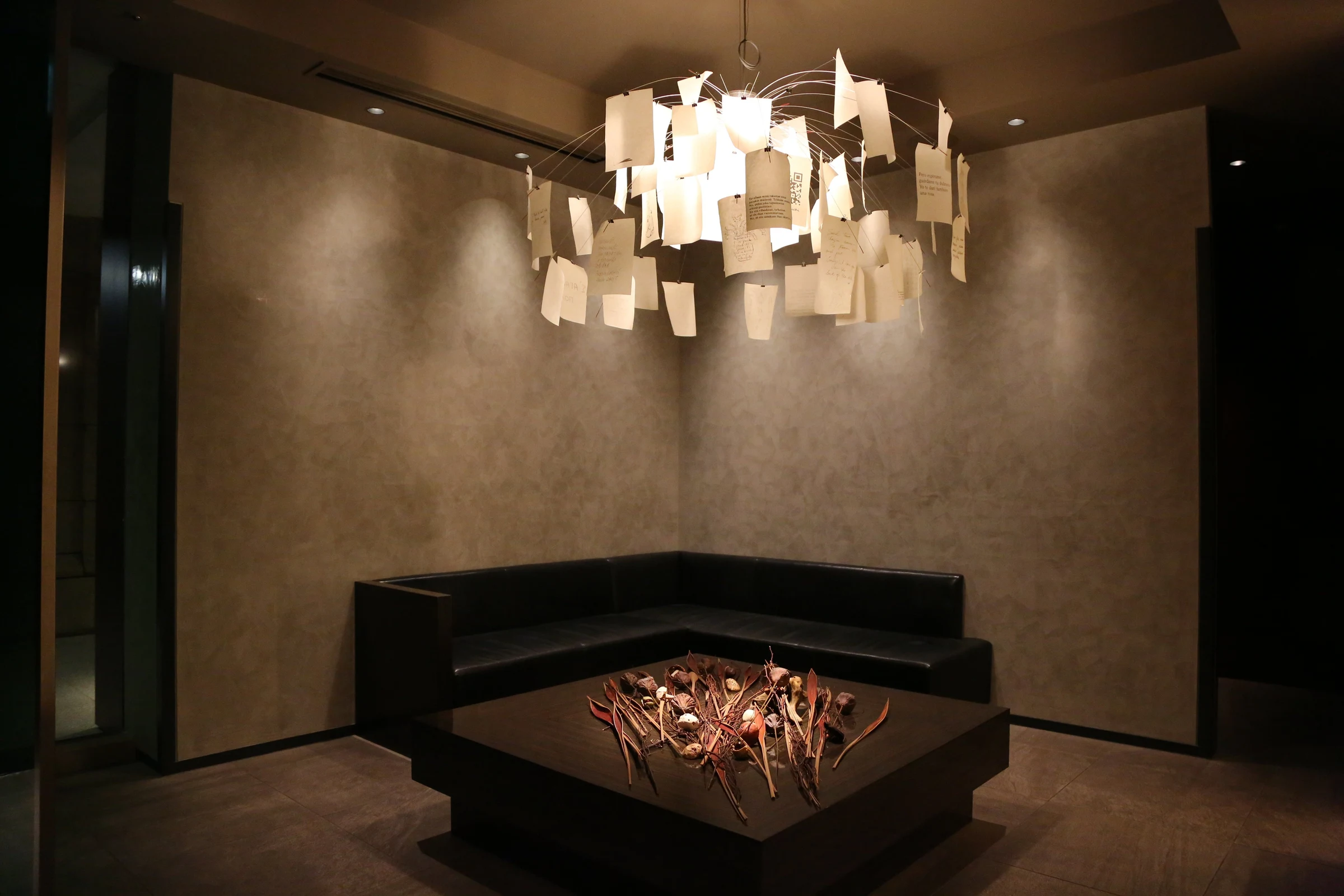
Tokyo's French restaurant field has matured into distinct sub-categories over the past two decades. The first wave built on classical technique and imported credentials. The current generation, of which Est is a working example, operates differently: the French framework stays in place, but ingredient sourcing and conceptual orientation point inward toward Japan rather than outward toward France. A map of Japan displayed in the dining room marks the provenance of Est's ingredients, which functions less as decoration than as a statement of method.
Chef Guillaume Bracaval, who trained under Christian Le Squer at Le Cinq in Paris and has worked in Japanese kitchens, structures the menu around what Japan's 72 micro-seasons make available. The implication is that the menu changes more frequently than a conventional seasonal rotation would suggest. Black cod, yuzu, and artisanal soy products appear across seasons as anchor ingredients, while proteins and produce shift according to regional harvest timing. This is the operational logic that separates an ingredient-led French-Japanese kitchen from one that simply applies Japanese garnishes to French classical structure.
The sustainability orientation runs deeper than sourcing. Est substitutes imported butter and cheese with house-made tofu cheese and hummus, a move motivated by reducing carbon from transatlantic freight. Whether that reads as constraint or creative premise depends on your position on the debate around ingredient substitution in haute cuisine, but the kitchen's execution holds the approach to a high technical standard. The peau de soja dessert made from tofu and Japanese citrus has developed a following among regulars for its textural range: creamy, crunchy, and acidic in the same preparation. Pastry chef Michele Abbatemarco builds the dessert section around fruit-forward compositions using artisanal Japanese sugar rather than processed white sugar.
Lunch operates on a one-, two-, or three-course format. Dinner runs to a full chef-designed course menu. Reservations are recommended for both services.
The Wine Programme: Burgundy, Bordeaux, and the Japanese Cellar
Est's wine programme, overseen by Wine Director Takahiro Kawasaki, operates at a scale that places it in a different tier from most hotel restaurant wine lists in Tokyo. The cellar holds approximately 3,420 bottles across 530 selections, with declared strengths in Burgundy, Bordeaux, and French wines broadly, alongside a curated selection of Japanese wines.
The presence of a dedicated Japanese wine section is editorially significant. Japanese wine production has expanded considerably, particularly in Hokkaido and Yamanashi, and restaurants that source Japanese bottles seriously rather than as a novelty gesture are still a minority even in Tokyo. Kawasaki's decision to place Japanese wines alongside Burgundy and Bordeaux rather than in a supplemental section reflects a different view of what the domestic category represents.
The organic French Champagne offering reinforces the sustainability thread that runs through the food programme. Pairing the Champagne selection with the beverage's local-first orientation creates a coherent identity for the drinks programme, rather than the disjointed lists that hotel restaurants sometimes produce when food and beverage procurement operate independently.
For Burgundy-focused diners, Est's wine positioning creates an interesting comparison with the French restaurants operating at similar price points in Tokyo. Sézanne and L'Effervescence both operate at ¥¥¥¥ price points with their own wine identities, but neither sits in a hotel context that implies a cellar of this scale. ESqUISSE and Florilège complete the core comparable set for contemporary French cooking in Tokyo, while Château Restaurant Joël Robuchon remains the point of reference for classical French presentation at high price points in the city.
Awards and Recognition
Est holds a Michelin one star as of its 2024 listing, an award it had earned by 2024 after opening in 2020. La Liste, which aggregates global restaurant data to produce its annual ranking, placed Est at 94.5 points in 2025 and 93 points in its 2026 assessment, situating it in the upper tier of the La Liste global chart without reaching the sub-100 global bracket. The Four Seasons Hotel Tokyo at Otemachi carries Forbes Travel Guide four-star status. Together, these signals position Est as a restaurant with institutional credentials that has continued to move up in specialist aggregator rankings across its first five years of operation.
Planning Your Visit
| Factor | Est | L'Effervescence | Sézanne |
|---|---|---|---|
| Cuisine | French / Japanese terroir | French / vegetable-led | French / Japanese-influenced |
| Price tier | ¥¥¥¥ | ¥¥¥¥ | ¥¥¥¥ |
| Setting | 38th floor, hotel, city views | Stand-alone, residential Nishiazabu | Hotel (Four Seasons Marunouchi) |
| Wine cellar scale | 3,420 bottles, 530 selections | Not published | Not published |
| Michelin recognition | 1 Star (2024) | 2 Stars | 2 Stars |
| Lunch service | Yes (1 to 3 course options) | Yes | Yes |
Est is located at 1 Chome-2-1 Ōtemachi, Chiyoda City, Tokyo 100-0004, inside the Four Seasons Hotel Tokyo at Otemachi on the 38th floor. Dress code runs smart casual. Reservations are essential.
For French cuisine in a comparable technical register elsewhere in Asia, Les Amis in Singapore and Hotel de Ville Crissier in Crissier provide useful reference points. Within Japan, HAJIME in Osaka, Gion Sasaki in Kyoto, akordu in Nara, Goh in Fukuoka, 1000 in Yokohama, and 6 in Okinawa represent different expressions of serious cooking across the country.
Questions
Frequently asked
What recognition does est hold?
est holds 1 Michelin star.
Who works at est?
Made By profiles Guillaume Bracaval (Chef) at est.
How expensive is est?
est is listed at a price level of $$$$.
Where is est and what does it serve?
est is in Chiyoda, Tokyo, serving Modern French with Japanese Influences.
The field
How it compares
| Place | Awards | Cuisine | Notes |
|---|---|---|---|
| est | Michelin 1 Star | Modern French with Japanese Influences | Chiyoda, $$$$ |
| Den | Michelin 2 Stars, World's 50 Best | Modern Japanese Kaiseki | Tokyo |
| Florilège | Michelin 2 Stars, World's 50 Best | Modern French-Japanese Plant-Based Fine Dining | Tokyo |
| Narisawa | Michelin 2 Stars, World's 50 Best | Modern Japanese Satoyama Fine Dining | Tokyo |
| Quintessence | Michelin 3 Stars | Modern French Fine Dining | Tokyo |
| Sazenka | Michelin 3 Stars, World's 50 Best | Modern Chinese Fine Dining | Tokyo |
| Sézanne | Michelin 3 Stars, World's 50 Best | Modern French Fine Dining | Tokyo |
In residence
Similar places
Modern Japanese Kaiseki
Den
Tokyo, Japan
★★ · 50 Best
Modern French-Japanese Plant-Based Fine Dining
Florilège
Tokyo, Japan
★★ · 50 Best
Modern Japanese Satoyama Fine Dining
Narisawa
Tokyo, Japan
★★ · 50 Best
Modern French Fine Dining
Quintessence
Tokyo, Japan
★★★
Modern Chinese Fine Dining
Sazenka
Tokyo, Japan
★★★ · 50 Best
Modern French Fine Dining
Sézanne
Tokyo, Japan
★★★ · 50 Best
The Sunday letter
Get the next Made By story in your inbox.
We send one email every Sunday morning with the places and people we covered that week.
See a sample of the Sunday emailOne email a week. Unsubscribe from any issue.