- Falstaff Winery - 4 Stars · 2026
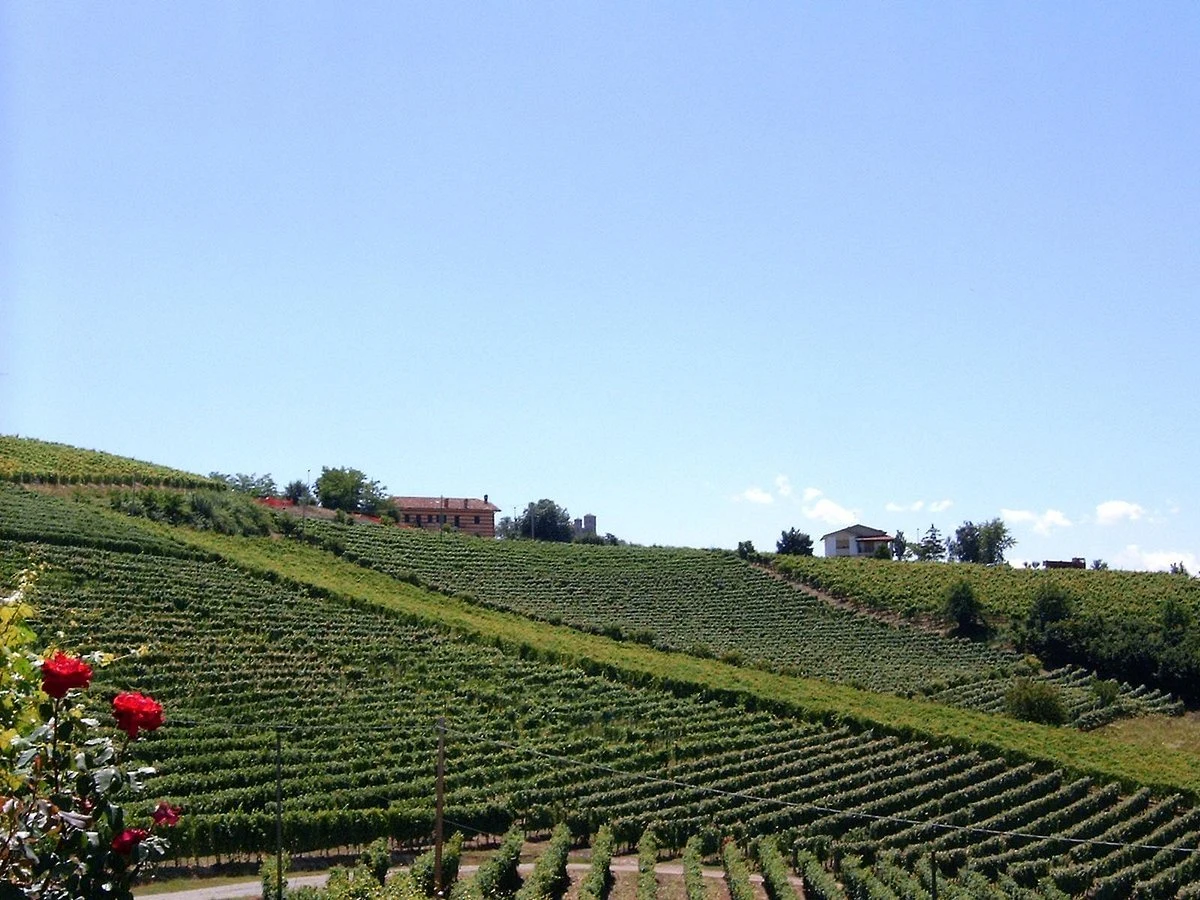
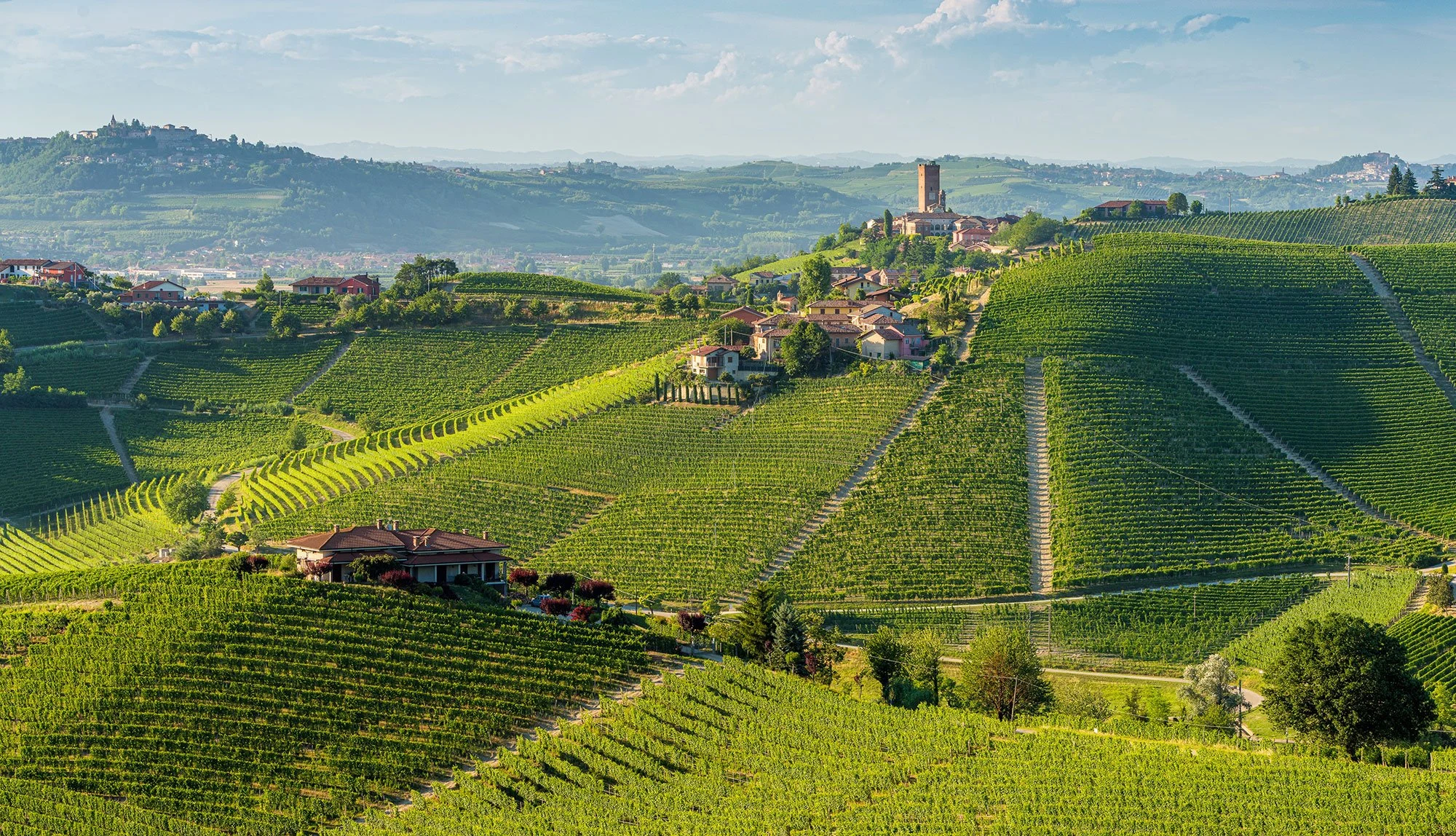
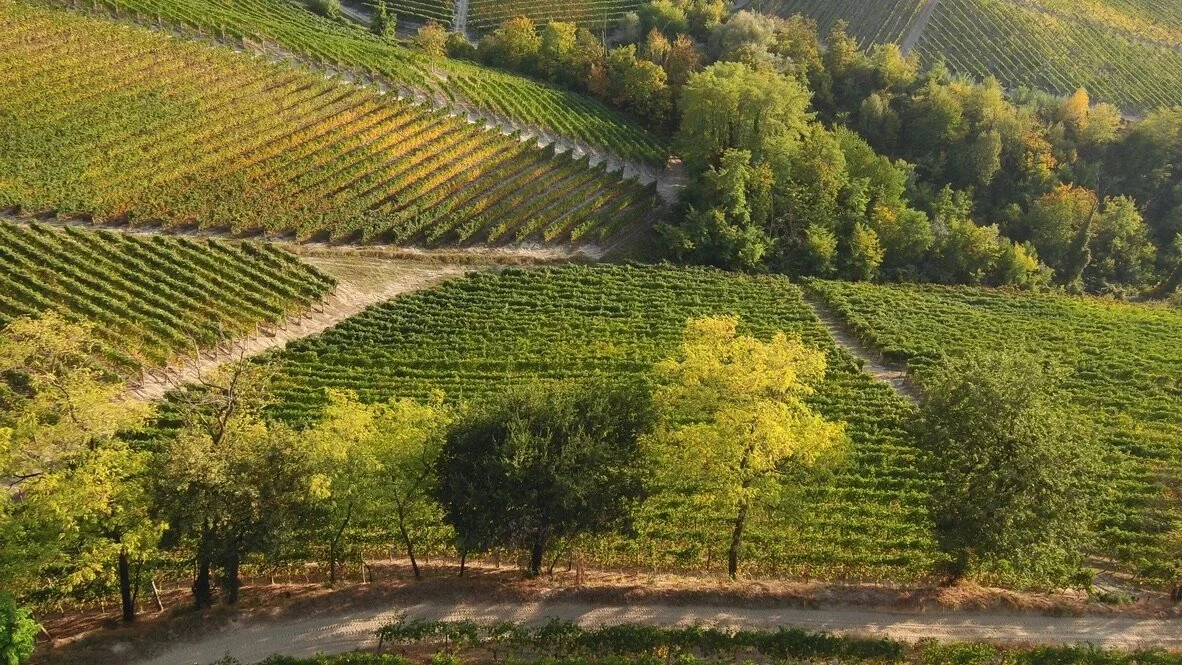
On the Cerretta hill, the setting reads first as contour: vineyard rows, Serralunga d'Alba, and a countryside calm that suits structured, terroir-driven wines. Ettore Germano is best understood as a historic, family-run Barolo estate with an elegant yet rustic feel, surrounded by vineyards and set apart as a quieter rural stop. It is the kind of address where the landscape does a great deal of the introduction, before any discussion of the glass begins. The impression is not urban polish or theatrical grandeur, but a measured sense of place: hillside, vines, open air, and the slower rhythm of a rural wine visit.
Serralunga structure, read through a historic Barolo estate
Barolo is often discussed as a single grand category, but Serralunga d'Alba rewards closer attention. At Ettore Germano, the appeal is not a list of unconfirmed labels or rankings, but the setting and style: a classic Barolo estate on the Cerretta hill, with wines framed around structure, place and calm countryside character. That distinction matters for travelers who want to understand Barolo through its villages and hills rather than treat the area as one broad name. Serralunga d'Alba brings its own associations of depth and shape, and this estate's quiet position helps make that character feel legible without needing excess explanation.
The estate's interest lies in its combination of vineyard surroundings, family-run history and a rustic-elegant atmosphere. For visitors planning time in Serralunga d'Alba, it is a quieter, more scenic stop rather than a generic estate experience. The surrounding vineyards are not just a backdrop; they help set the tone of the visit, placing the wines within the countryside from which they come. The family-run aspect also gives the address a sense of continuity, while the rustic-elegant mood keeps it grounded rather than overly formal.
Confirm practical details directly with the estate before planning around a specific experience. That is especially important if your day depends on a particular timing, format, or expectation, since the value of this kind of visit lies in arriving prepared enough to let the place unfold at its own pace.
Why the estate stands out beyond the view
Ettore Germano's character rests on more than scenery. It is a historic family-run estate in Serralunga d'Alba, positioned on the Cerretta hill and surrounded by vineyards. The mood is calm, classic and rural, with an elegant rusticity that fits the landscape. Nothing in that description needs to be overstated: the strength is in the alignment between place, atmosphere and the kind of wines visitors come to Serralunga d'Alba to understand. The estate feels set apart enough to register as a hidden-gem rural stop, yet still clearly connected to the broader identity of Barolo country.
The wines are best described in broad, grounded terms: structured and terroir-driven. That makes the estate a natural fit for drinkers interested in Barolo through the lens of Serralunga d'Alba, without needing to rely on claims about specific grapes, winemaking details, certifications, awards or cellar practices. In editorial terms, this is the right level of expectation: come for a sense of structure, for an encounter with place, and for a setting that reinforces why the hill and village matter. The experience is less about collecting superlatives than about noticing how the countryside and the wine language support one another.
For visitors, the appeal is the setting as much as the glass: vineyard surroundings, a hidden-gem feel and a countryside pace. Any specifics about booking, tasting formats, language availability, tour options, parking or payment should be checked directly before arrival. Treat that confirmation as part of planning well, not as a formality. A rural estate visit works well when the practical pieces are settled in advance, leaving room on the day itself for the slower qualities that make the stop worthwhile: the hillside perspective, the vineyard calm, and the sense of being in Serralunga d'Alba rather than simply passing through it.
How to place it within a Serralunga wine itinerary
Serralunga d'Alba rewards concentration. A day here should be built around the village's wine character and countryside setting rather than a race between stops. Ettore Germano works well as a calm, scenic Barolo estate visit, especially for travelers who want a family-run address with a rustic-elegant feel. Its place in an itinerary is strongest when it is given enough breathing room, because the appeal depends on setting and atmosphere as much as on any single tasting note. If you are comparing options, keep the rest of the plan focused on other dining in Serralunga d'Alba generically, and confirm all visit details in advance.
Questions
Frequently asked
Who works at Ettore Germano?
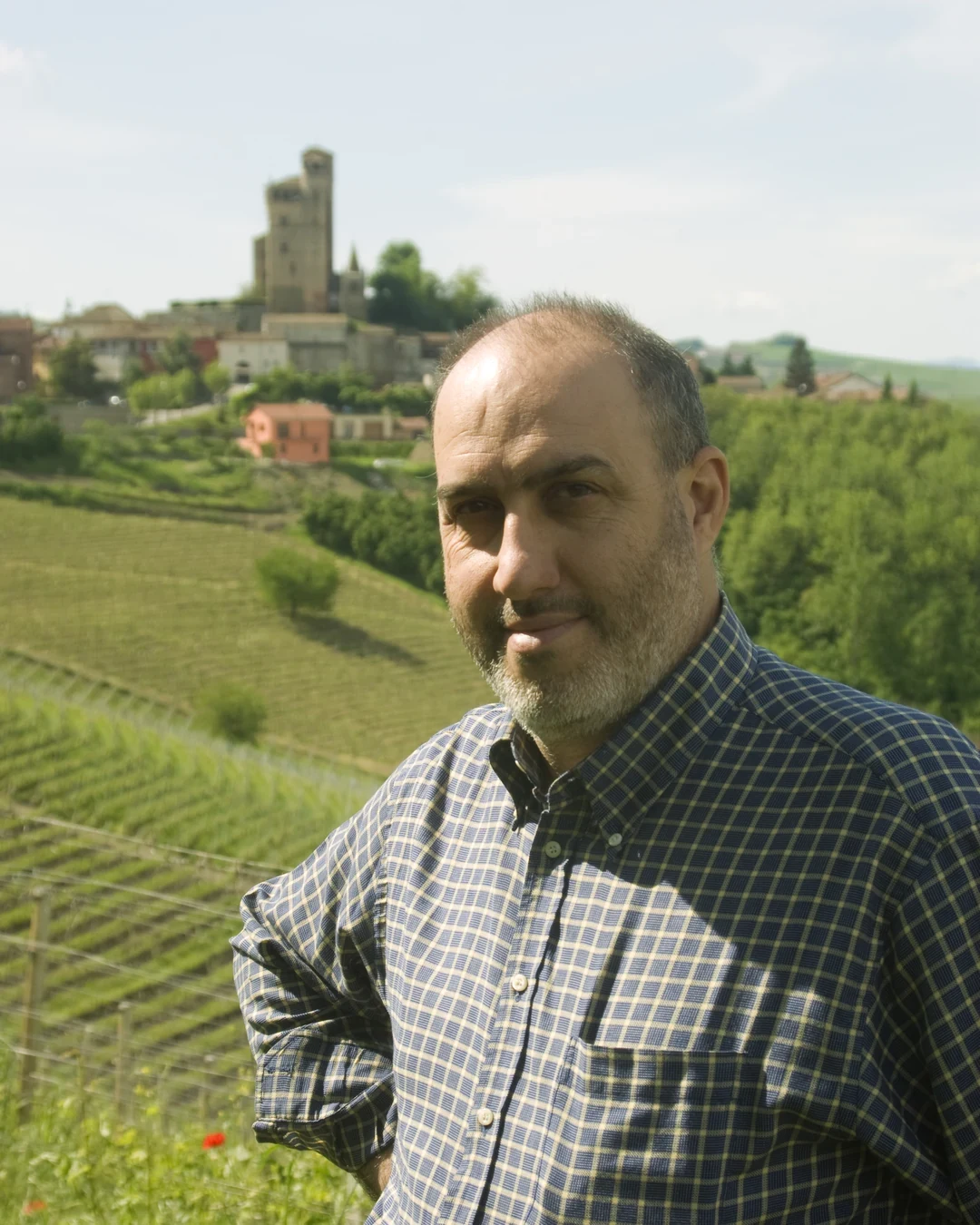
Made By profiles Sergio Germano (Winemaker) at Ettore Germano.
How expensive is Ettore Germano?
Ettore Germano is listed at a price level of $$$.
The field
How it compares
| Place | Notes |
|---|---|
| Ettore Germano | Cerretta (Serralunga d'Alba), $$$ |
| Azienda Agricola Gabutti di Boasso Franco | Serralunga d'Alba |
| Giovanni Rosso | Serralunga d'Alba |
| Luigi Baudana | Serralunga d'Alba |
| Massolino Vigna Rionda | Serralunga d'Alba |
| Palladino | Serralunga d'Alba |
| Paola Lanzavecchia | Serralunga d'Alba |