Chef in Residence
Eugen Spindler
Winemaker
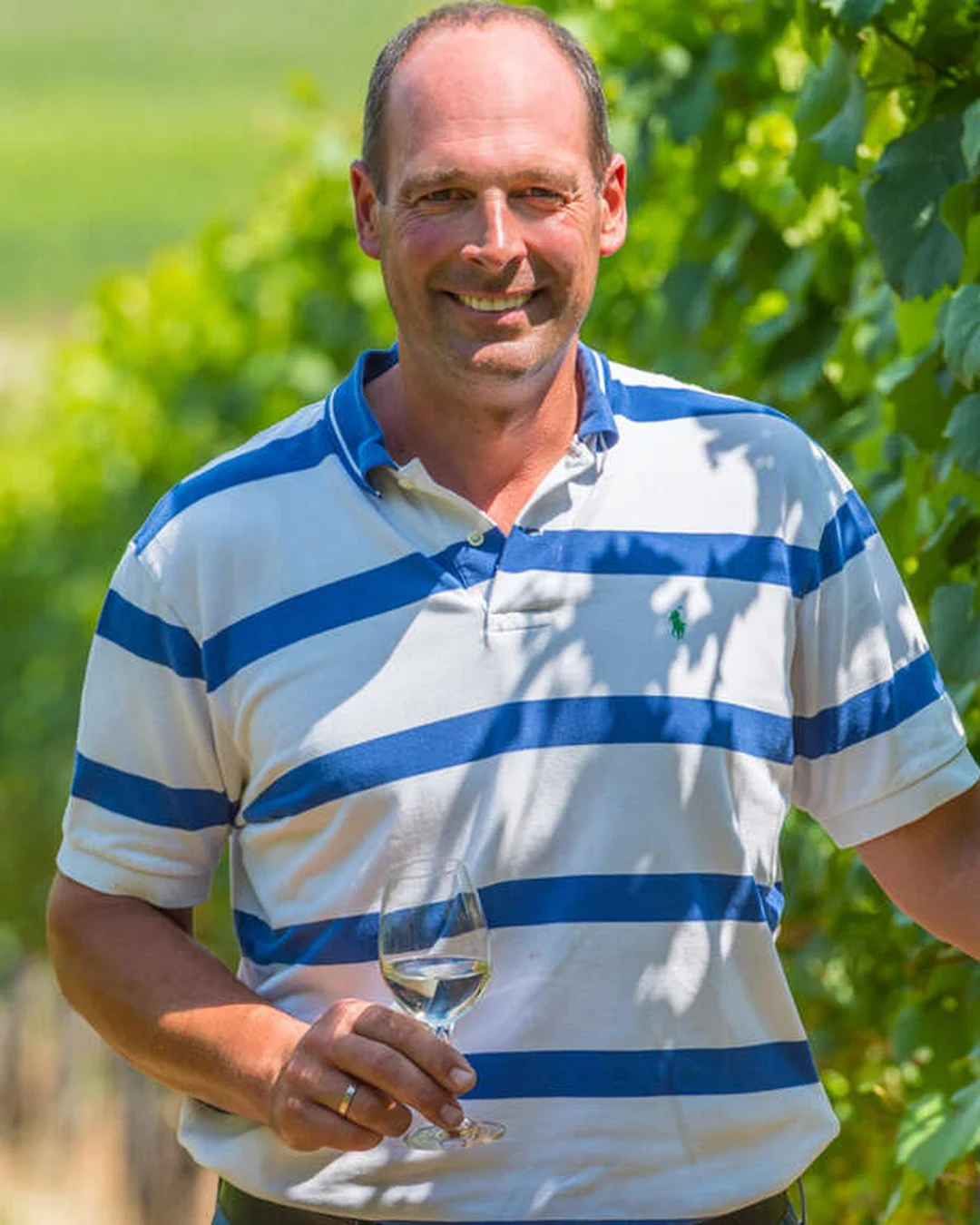
Eugen Spindler, winemaker at Eugen Spindler - Weingut Lindenhof in Forst an der Weinstraße, crafts Pfalz fruit with care.
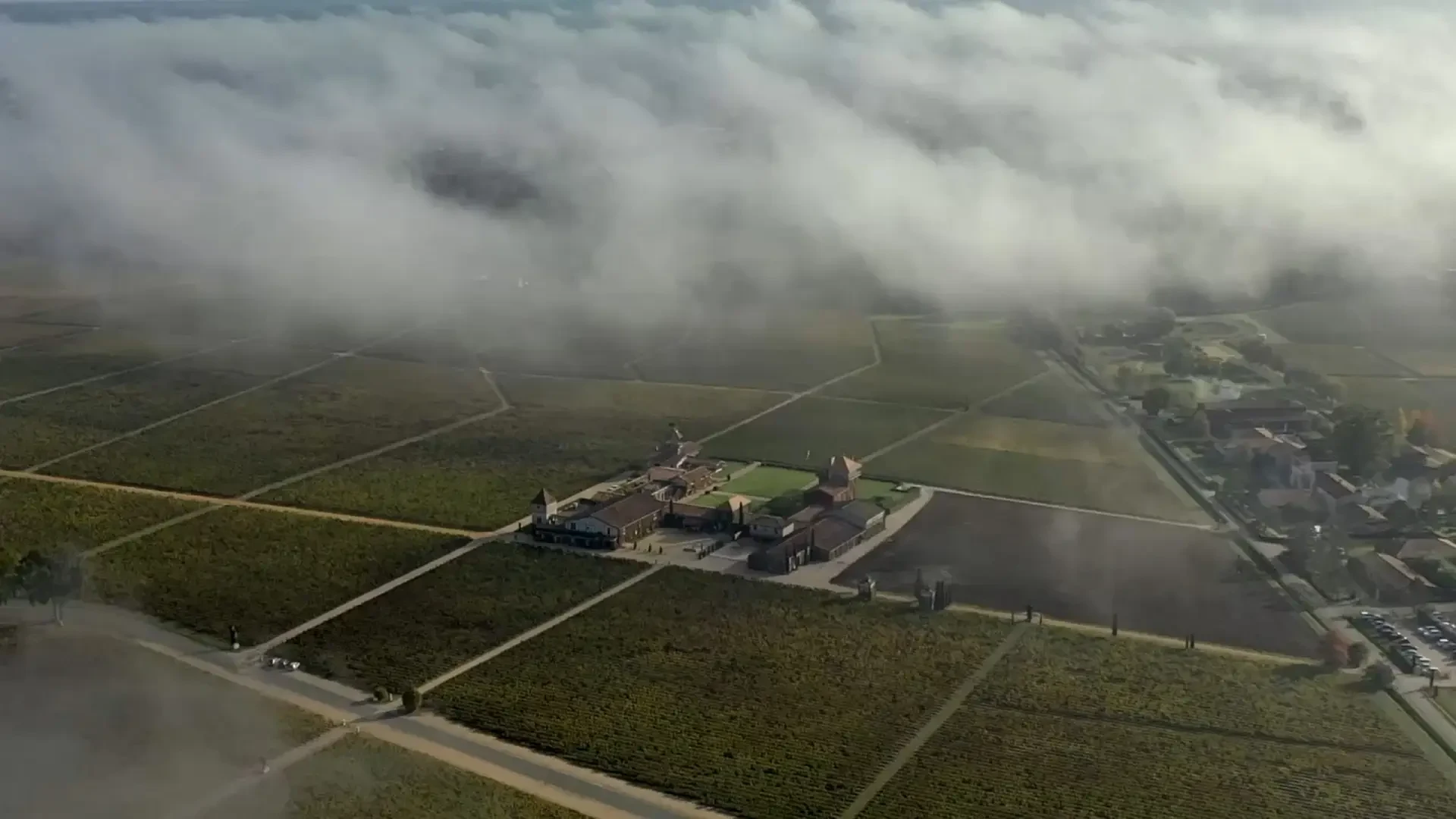
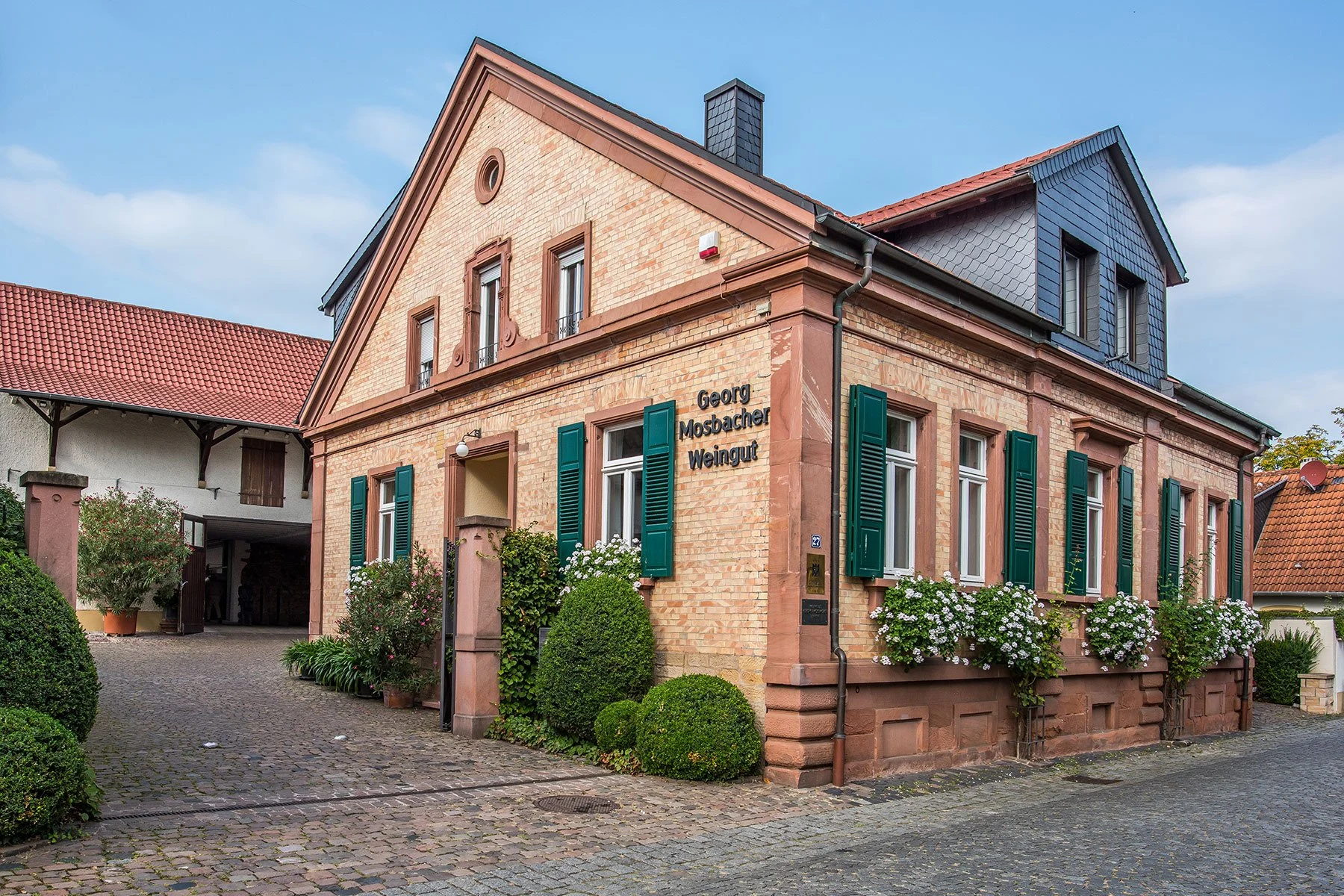
The white wines go to steel; Eugen Spindler works as winemaker at Eugen Spindler - Weingut Lindenhof in Forst an der Weinstraße. That decision sets the tone for the house: keep Riesling, Weißburgunder, Auxerrois and the other white lots clean in their line, then let the village speak without forcing the cellar to talk over it. The estate belongs to a Pfalz wine family with a viticultural line traced to 1620, and the present work sits inside that obligation to tradition, quality and nature. Eugen Spindler is the linked maker here, and the public face of the address carries the family name on the bottle and the courtyard gate. The house is small in scale, built around direct contact rather than distance, with a rhythm closer to a family cellar than a show room. Its village, Forst an der Weinstraße, matters because the place is not a neutral backdrop. Pechstein, Jesuitengarten and Ungeheuer are named in the estate’s vineyard orbit, and those names bring weight before a cork is drawn. The work is to keep that weight legible. Steel, oak, dry Riesling, Spätburgunder, Sekt, Rosé and a few spirits all sit within the same discipline: quality first, innovation only when it serves the wine.
The cellar program separates method by variety. Riesling and other white wines ferment and age in stainless steel tanks, a choice that protects acidity, fruit and the mineral cut Forst can give. Red wines, especially Spätburgunder, take a slower path through Stückfass and Barrique, with the house working with 500-liter oak barrels and 225-liter barrels rather than treating every lot the same way. The estate farms about 11 hectares, enough land to give range without pushing the work beyond family proportion. The portfolio includes Riesling, Spätburgunder, Weißwein, Rosé, sparkling wine and dessert styles, with dry white cuvées among the bottles that show the house’s preference for clarity over weight. The 2024 Pinot Blanc and Auxerrois Cuvée trocken gives a useful window into that hand: stainless steel fermentation, 12.5% alcohol, 5.2 g/L acidity and 2.3 g/L residual sugar. Those figures matter because they show the craft in balance, not as an adjective. Trocken here is not a pose. It is a set of decisions made before the glass reaches the counter.
The room reads as a working Pfalz estate rather than a polished export of one. Tastings happen at the bar, conversation stays close, and the vineyard country around Forst keeps the pace rural. The atmosphere is warm without theatre: bottles opened, questions answered, the owner near enough that the exchange feels bench-side. There is no need to turn hospitality into performance when the cellar is already doing the explaining. Visitors meet a portfolio that moves from everyday liter bottles to named vineyard Riesling, from Rosé to Spätburgunder, from Sekt to the last remaining bottles the family chooses to release. The scale keeps the hand visible. In a village known for Riesling, that restraint is part of the craft.
The estate’s history reaches back to 1620, but the current usefulness of that lineage lies in how little it is allowed to harden. Tradition is treated as an obligation; modern technology is accepted when it keeps faith with nature and fruit. That is the durable shape of Eugen Spindler - Weingut Lindenhof: old Pfalz ground, stainless steel for the whites, oak for the reds, and Forster Pechstein still giving the cellar a name to answer to.
Forst an der Weinstraße, Rhineland-Palatinate, Deutschland
Forst an der Weinstraße