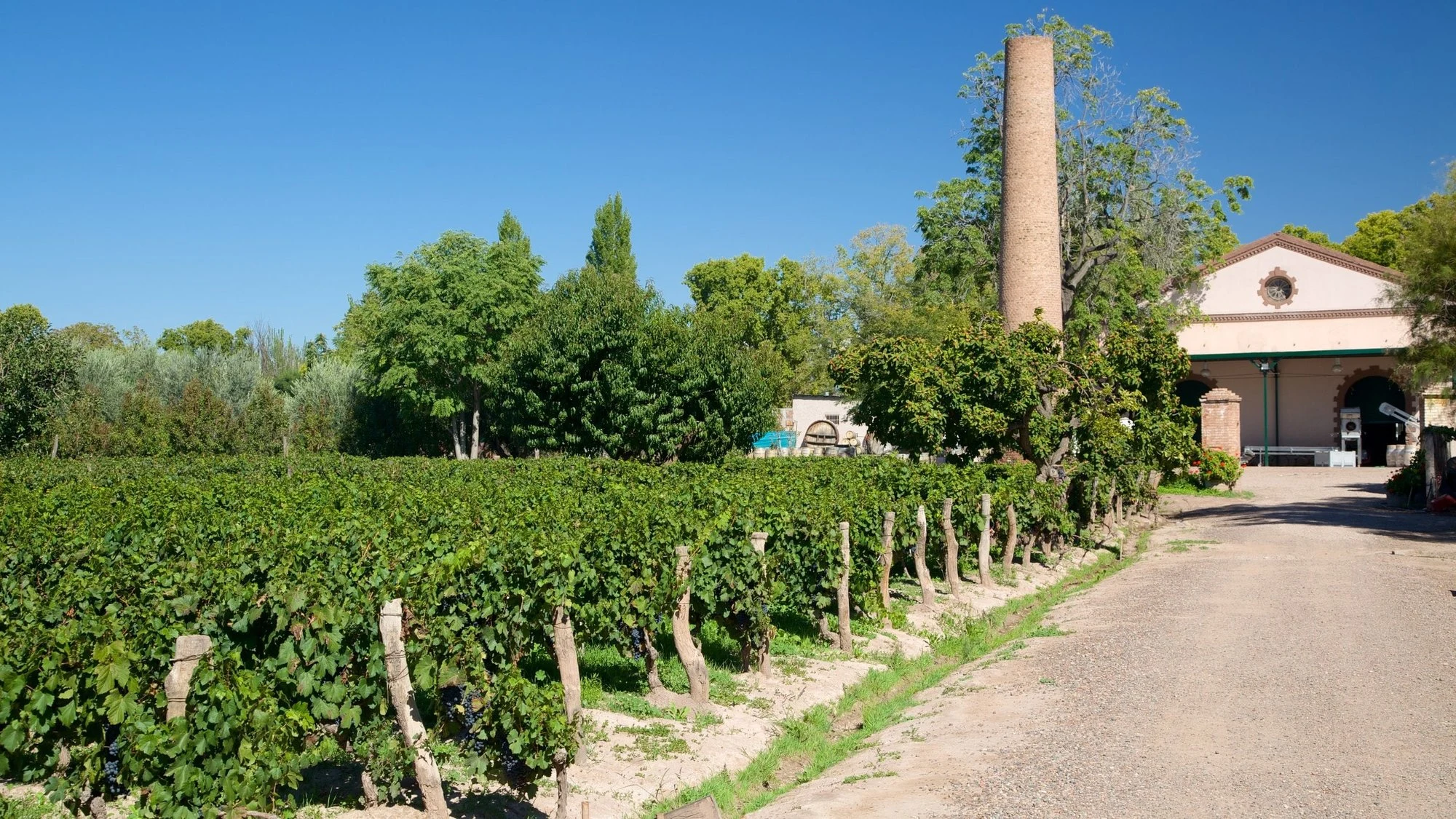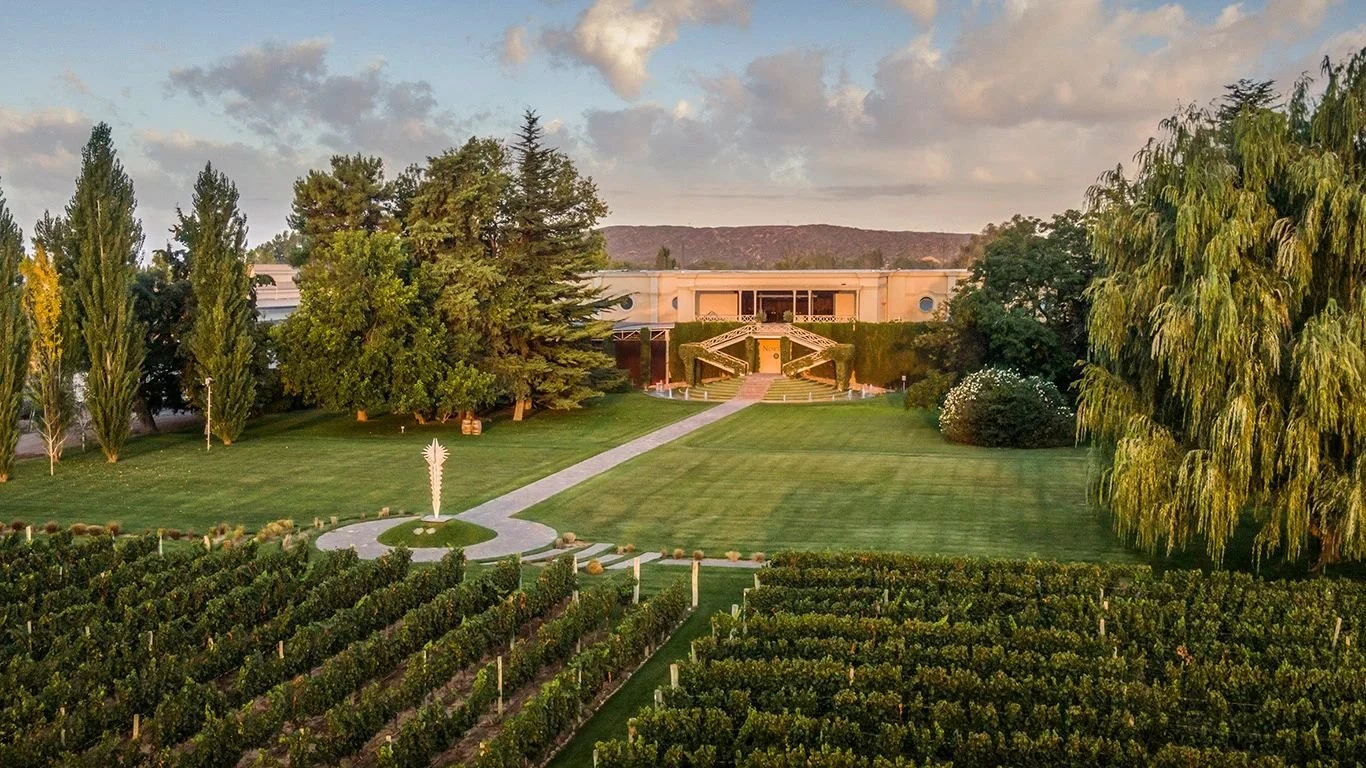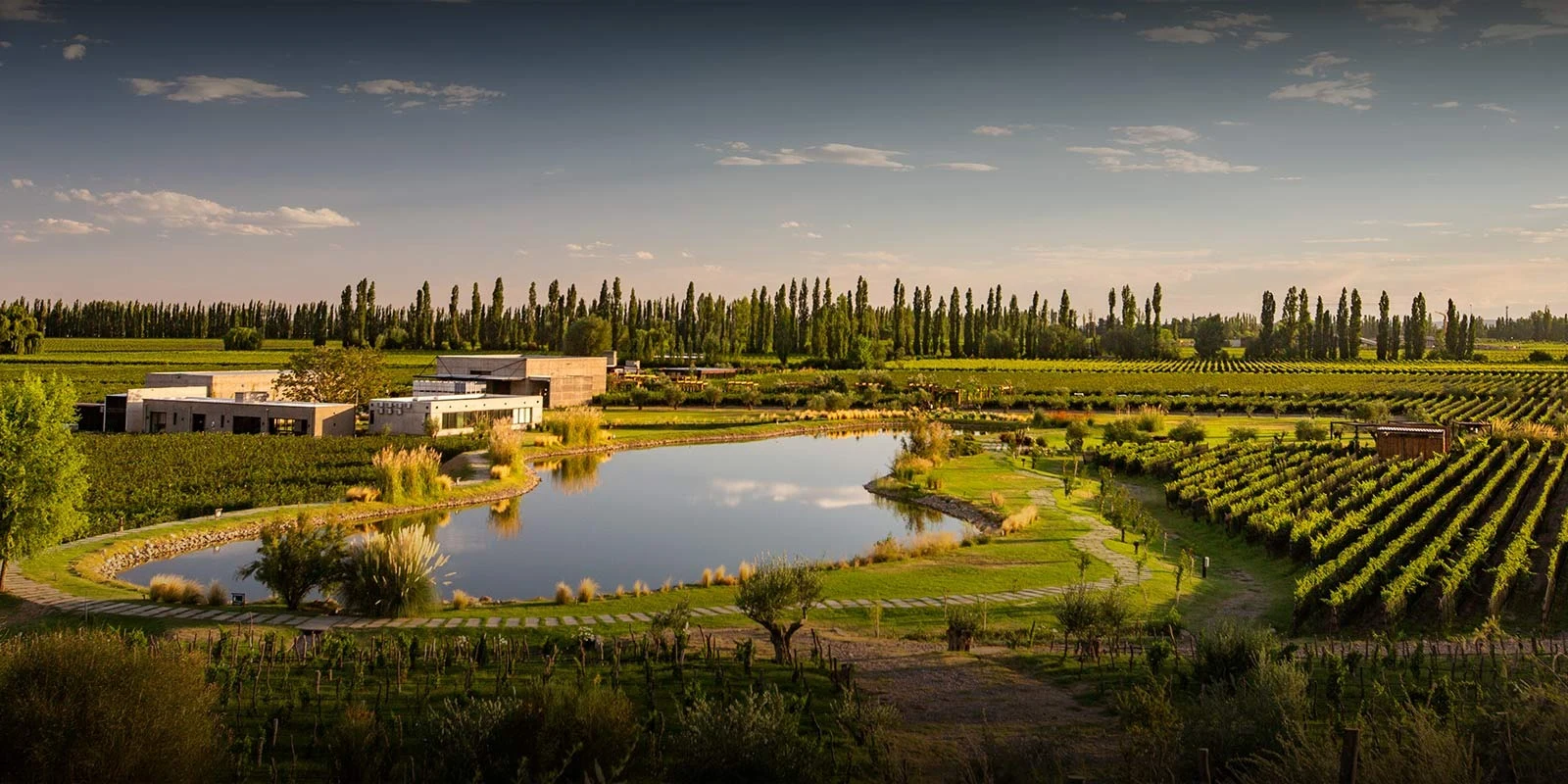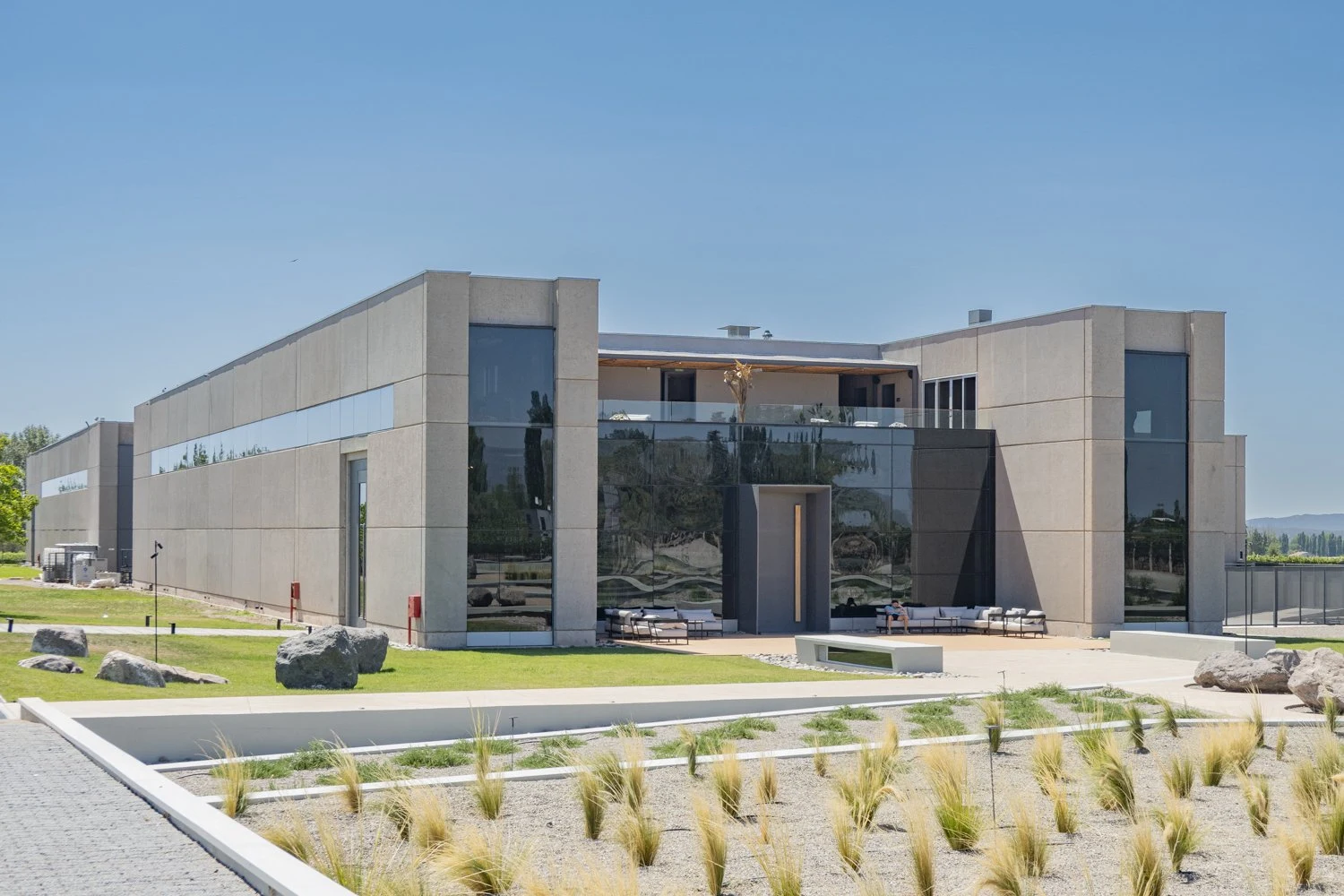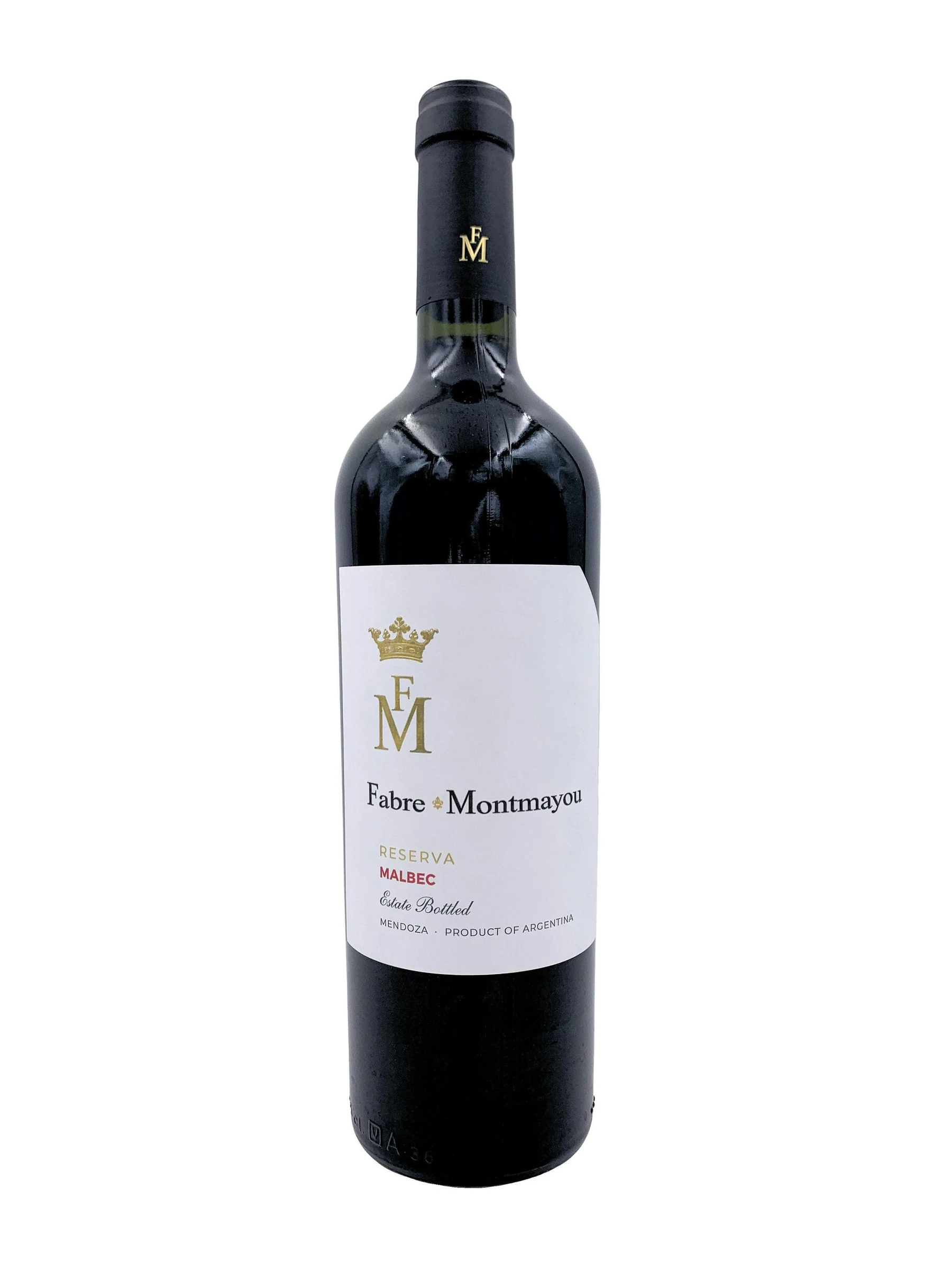
Fabre Montmayou sits in Luján de Cuyo's upper tier of estate producers, holding a Pearl 2 Star Prestige rating for 2025. The address at Roque Sáenz Peña 3869 places it within the Mendoza sub-region that produces some of Argentina's most age-worthy Malbec. For those mapping a serious winery itinerary through the Andean foothills, this is a reference-point estate.
<h2>Where Luján de Cuyo Sets Its Own Standard</h2><p>Approaching the foothills of the Andes from Mendoza city, the terrain shifts quickly. The urban sprawl gives way to vineyard rows aligned against the cordillera, the afternoon light turning the Malbec leaves a deep, oily green in late summer. This is Luján de Cuyo, Argentina's first officially designated wine appellation (Denominación de Origen Controlada, formalized in 1993), and the district that built Malbec's international reputation. The estates along Roque Sáenz Peña and its surrounding roads operate in a compressed geography where elevation, alluvial soils, and diurnal temperature swings do the heavy lifting that warmer wine regions solve with technology.</p><p>Fabre Montmayou occupies that geography at Roque Sáenz Peña 3869, M5507. Its 2025 Pearl 2 Star Prestige recognition places it in the serious estate tier where wine structure and vineyard sourcing carry the argument. That peer group includes names like <a href="https://www.enprimeurclub.com/wineries/cheval-des-andes-lujan-de-cuyo-winery">Cheval des Andes</a> at the very best of the price register, <a href="https://www.enprimeurclub.com/wineries/bodega-lagarde-lujan-de-cuyo-winery">Bodega Lagarde</a> as a benchmark for heritage estate production, and <a href="https://www.enprimeurclub.com/wineries/bodega-norton-lujan-de-cuyo-winery">Bodega Norton</a> as the high-volume prestige operator.</p><h2>Reading the Estate Through Its Wine Architecture</h2><p>In Luján de Cuyo, the way a producer structures its range tells you more about its ambitions than any tasting room presentation. The region's dominant grammar involves a Malbec-led hierarchy: entry varietal wines, a mid-tier reserve or single-vineyard expression, and a flagship blend or gran reserva that absorbs the most selective fruit and the most extended oak and bottle aging. Estates that diverge from this grammar by leading with Cabernet Sauvignon, Petit Verdot, or white varieties are making a positioning statement about their comparable set and their target drinker.</p><p>Fabre Montmayou's range follows the logic of a French-influenced Argentine estate, which is consistent with the provenance embedded in the name itself. The Bordelais influence on Luján de Cuyo's upper tier is not incidental: French investment and winemaking consultation shaped the appellation's premium identity in the 1990s and 2000s, and the estates that emerged from that period carry a structural preference for blending over single-varietal expression and for restraint in oak application rather than the saturated extraction that defined an earlier style.</p><p>Compared to producers who have leaned into the naturalist or biodynamic positioning that is increasingly visible in the appellation, <a href="https://www.enprimeurclub.com/wineries/chakana-winery-lujan-de-cuyo-winery">Chakana Winery</a> being the clearest local example, Fabre Montmayou occupies a more classical space. That classical approach has its own discipline: it requires consistency across vintages rather than the vintage-variation argument that terroir-forward producers rely on, and it demands that the oak integration and acid balance hold across multiple years in bottle.</p><h2>The Luján de Cuyo Context That Shapes Every Visit</h2><p>Any serious engagement with Fabre Montmayou requires understanding the district it operates in. Luján de Cuyo's vineyards sit between roughly 900 and 1,100 metres elevation in their best-regarded sections, with the Mendoza River providing irrigation in a desert climate that receives fewer than 200mm of annual rainfall. The combination of high UV intensity, cold nights, and low humidity creates a phenolic ripeness profile that differs from Mendoza's lower-lying Valle de Uco zone: darker fruit character, firmer tannin structure, and wines that tend to reward medium-term cellaring rather than demanding the decade-plus patience that high-altitude Tupungato or Gualtallary expressions often require.</p><p>For those building a broader Argentine wine itinerary, the regional comparisons are instructive. <a href="https://www.enprimeurclub.com/wineries/bodega-el-esteco-cafayate-winery">Bodega El Esteco in Cafayate</a> operates at a completely different elevation and latitude, producing the torrontés and high-altitude Malbec profile that Salta is known for. <a href="https://www.enprimeurclub.com/wineries/bodega-colome-molinos-winery">Bodega Colomé in Molinos</a> pushes into some of the highest commercially farmed vineyards on earth, making comparisons with Luján de Cuyo useful for understanding how altitude functions differently at different stages of the Andean wine corridor. Closer to home, <a href="https://www.enprimeurclub.com/wineries/bodega-diamandes-tunuyan-winery">Bodega DiamAndes in Tunuyán</a> represents the Valle de Uco's more recent elevation into the premium tier, with a French co-ownership structure that parallels Fabre Montmayou's own Franco-Argentine DNA.</p><h2>Planning a Visit: What the Address and Timing Imply</h2><p>The physical address at Roque Sáenz Peña 3869 places Fabre Montmayou in Luján de Cuyo's main wine corridor, the route that connects multiple significant estates and is navigable as a half-day or full-day circuit from Mendoza city. Mendoza city sits approximately 25 to 30 minutes south by road depending on traffic, making this accessible without requiring an overnight stay in the sub-region, though staying in the vineyard zone changes the experience considerably: the morning light on the Andes is a different register of the same landscape that the afternoon approaches with heat and haze.</p><p>Harvest season in Luján de Cuyo runs from late February through April, with the precise timing varying by variety and elevation. Malbec typically comes in through March, and visiting during harvest means the estate is in active production rather than cellar-tour mode. That can restrict access or, alternatively, offer a more direct encounter with the winemaking operation depending on the estate's hospitality policy. Outside harvest, the southern hemisphere winter months of June through August bring cold but clear conditions, with snow visible on the Andes cordillera providing a different visual frame for the same vineyard visit.</p><p> Visitors should arrange a tasting or cellar visit in advance. Visits are by appointment only.</p><h2>Where Fabre Montmayou Sits in the Wider Itinerary</h2><p>For EP Club readers constructing a serious Mendoza wine visit, Fabre Montmayou functions as part of a coherent Luján de Cuyo day rather than an isolated destination. The estate's Pearl 2 Star Prestige rating in 2025 places it alongside <a href="https://www.enprimeurclub.com/wineries/durigutti-winemakers-lujan-de-cuyo-winery">Durigutti Winemakers</a> and <a href="https://www.enprimeurclub.com/wineries/rutini-wines-la-rural-tupungato-winery">Rutini Wines (La Rural) in Tupungato</a> as producers worth deliberate engagement rather than casual inclusion on a group tour.</p><p>Beyond Mendoza, the comparison set for estate-level Argentine wine extends to <a href="https://www.enprimeurclub.com/wineries/familia-schroeder-san-patricio-del-chanar-winery">Familia Schroeder in San Patricio del Chañar</a> in Patagonia's Neuquén province, where the wine style shifts to cooler-climate Pinot Noir and Malbec, and to <a href="https://www.enprimeurclub.com/wineries/escorihuela-gascon-godoy-cruz-winery">Escorihuela Gascón in Godoy Cruz</a>, which occupies a more urban context but produces wines at a comparable prestige tier. Even further afield for reference purposes, the French-Argentine connection that shapes estates like Fabre Montmayou has a counterpart in the way Old World producers have influenced New World wine structures globally, a comparison that extends as far as <a href="https://www.enprimeurclub.com/wineries/aberlour-aberlour-winery">Aberlour in Aberlour</a> or <a href="https://www.enprimeurclub.com/wineries/accendo-cellars">Accendo Cellars in St. Helena</a> in terms of how provenance and prestige positioning interact across different categories.</p><p> Fabre Montmayou is one data point in a district that rewards systematic exploration over single-stop visits.</p>
The estate operates in the classical, French-influenced register that distinguishes a specific tier of Luján de Cuyo producers from more experimental neighbours. The Pearl 2 Star Prestige recognition for 2025 confirms a sustained positioning at the upper-middle level of the region's award hierarchy. Expect considered restraint over spectacle, in both wine and setting.
Fabre Montmayou has received recognition including: Pearl 2 Star Prestige (2025).
The estate's French provenance shapes its approach to the Luján de Cuyo terroir, a district where Malbec dominates but classical structure and Bordeaux-influenced blending have long coexisted. For precise current offerings, contact the estate directly ahead of your visit.
Fabre Montmayou is located at Roque Sáenz Peña 3869, M5507, Mendoza, Luján de Cuyo.
The intersection of French winemaking lineage and Luján de Cuyo's Andean altitude, applied at a consistently award-recognised level, is what separates Fabre Montmayou from the broader Mendoza field. The Pearl 2 Star Prestige (2025) places it in a tier where production decisions are driven by quality benchmarks rather than volume. That focus is legible in how the estate positions itself along the main Luján de Cuyo wine corridor at Roque Sáenz Peña 3869.
Arrive at the address on Roque Sáenz Peña 3869 without a confirmed booking and you are likely to find the estate closed to you. Plan ahead and confirm access through your hotel concierge or a Mendoza wine specialist.
Roque Sáenz Peña 3869, M5507, Mendoza
Vistalba