Familienweingut Kolkmann
- 01CityFels am Wagram, Austria

- Falstaff Winery - 3 Stars · 2026
Approaching wine in Fels am Wagram means paying attention to loess before labels. The region’s deep, fertile soils give Grüner Veltliner and Roter Veltliner their local authority, and the better estate visits here are not built around theatrical cellars or luxury staging. They are about seeing how a working family winery translates a narrow piece of Lower Austria into dry, structured, fruit-led bottles.
Familienweingut Kolkmann fits that Wagram model with unusual clarity. The estate is operated by the fourth generation of the Kolkmann family and works 45 hectares across seven vineyard sites, a scale large enough to give range but still legible as a family-run property. Its production is estate-grown, with Grüner Veltliner, Roter Veltliner, Weißburgunder, Zweigelt, Pinot Noir and Merlot forming the core vocabulary. The useful way to read the portfolio is not as a parade of varietals, but as a regional argument: loess, dry whites, Austrian red varieties, and a vinothek format that keeps tasting close to the source.
Loess, Veltliner and the Wagram house style
Wagram’s distinction inside Lower Austria comes from its loess banks, which tend to support wines with generous fruit, firm dry structure and an accessible texture without losing regional identity. In that context, Kolkmann’s focus on Grüner Veltliner and Roter Veltliner is not incidental. These grapes are the local grammar, and the estate’s single-vineyard Grüner Veltliner Ried Brunnthal bio and Weißburgunder bio show how the house frames freshness and body through dry, full-bodied bottlings rather than high-acid minimalism.
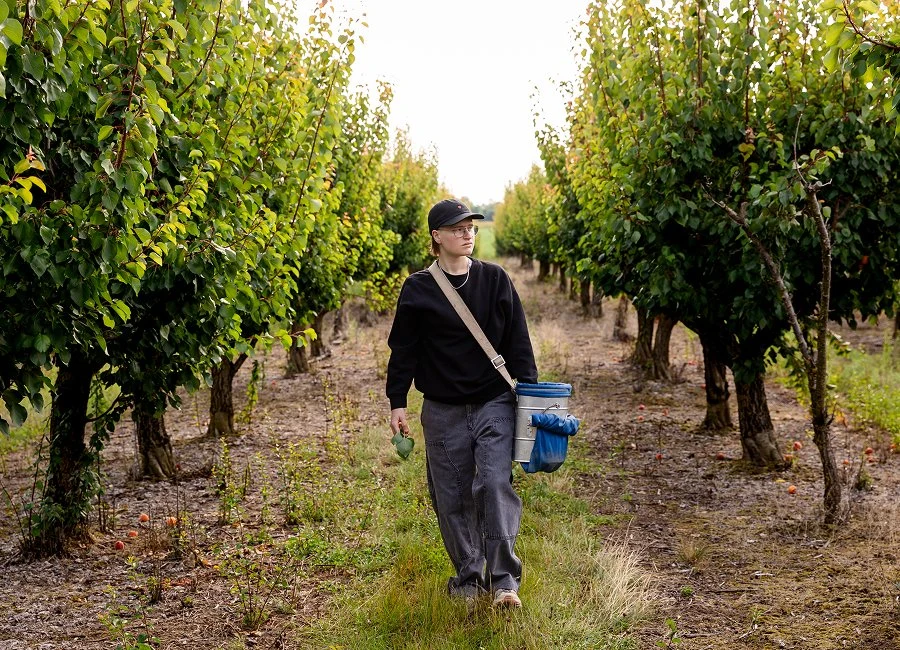
The estate’s organic transition began with the 2021 vintage, and Nachhaltigkeit Österreich certification adds a formal sustainability signal across harvest, cellar and bottling practices. In Austrian wine, that matters because sustainability claims can otherwise collapse into soft language. Here, the certification gives the reader something concrete: water and energy efficiency, reduced chemical inputs and fair labor criteria are part of the production framework. It also places the estate within a broader shift among Lower Austrian producers toward farming and cellar decisions that can be audited rather than merely described.
Kolkmann’s range is not confined to white wine. Auregia, a 2021 red cuvée of Pinot Noir, Blauer Zweigelt and Merlot, shows the Wagram’s pragmatic side: Austrian identity anchored by Zweigelt, with international varieties used for structure and shape.
A vinothek visit built around tasting, not performance
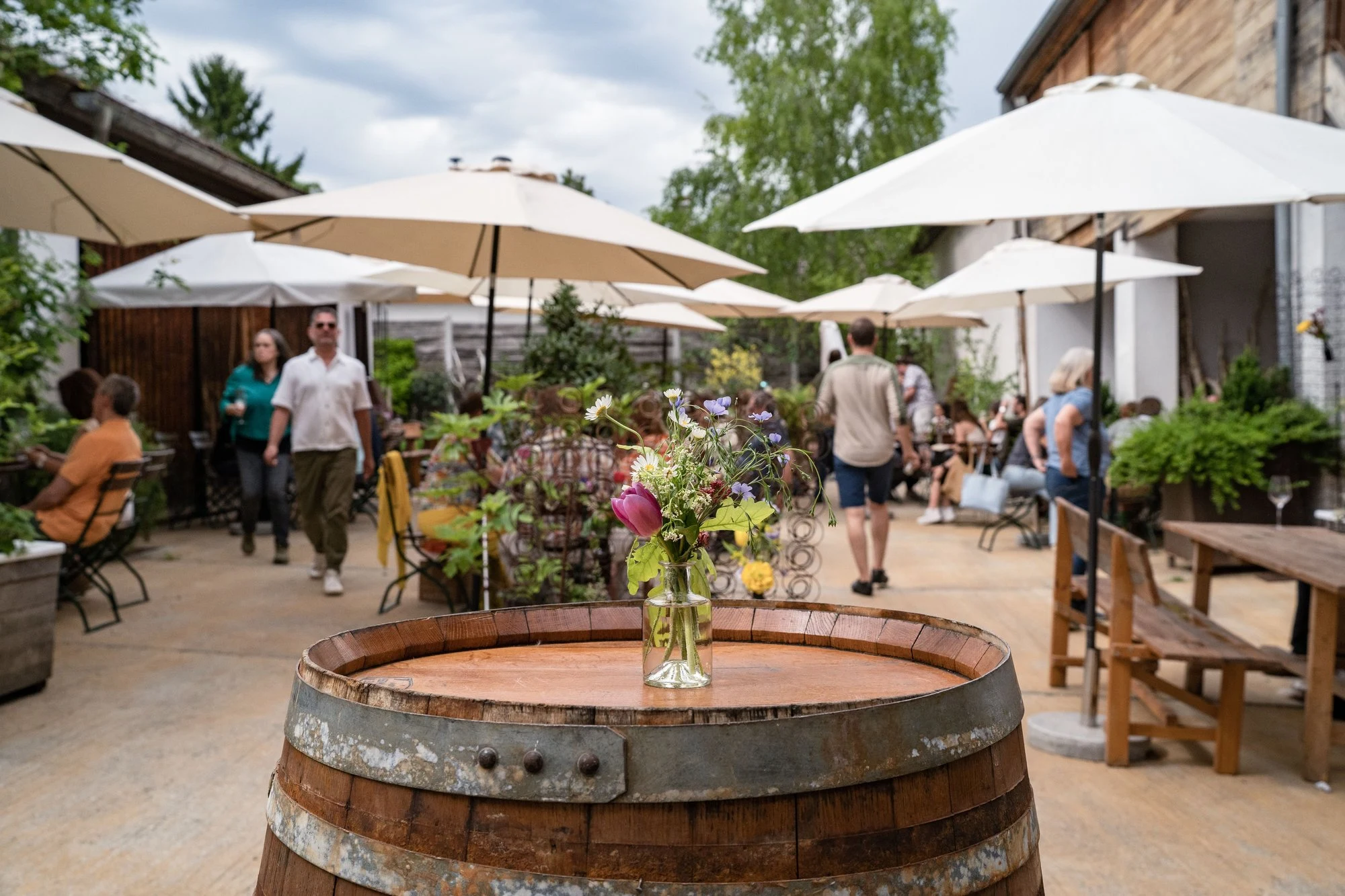
The hospitality format is refreshingly direct. The Genusszentrum, completed in late 2011, houses the vinothek and gives the experience a contemporary frame without pulling attention away from the wines. For visitors used to heavily scripted winery tours, this is a quieter proposition: taste, compare, buy, and understand the estate through the glass rather than a choreographed production.
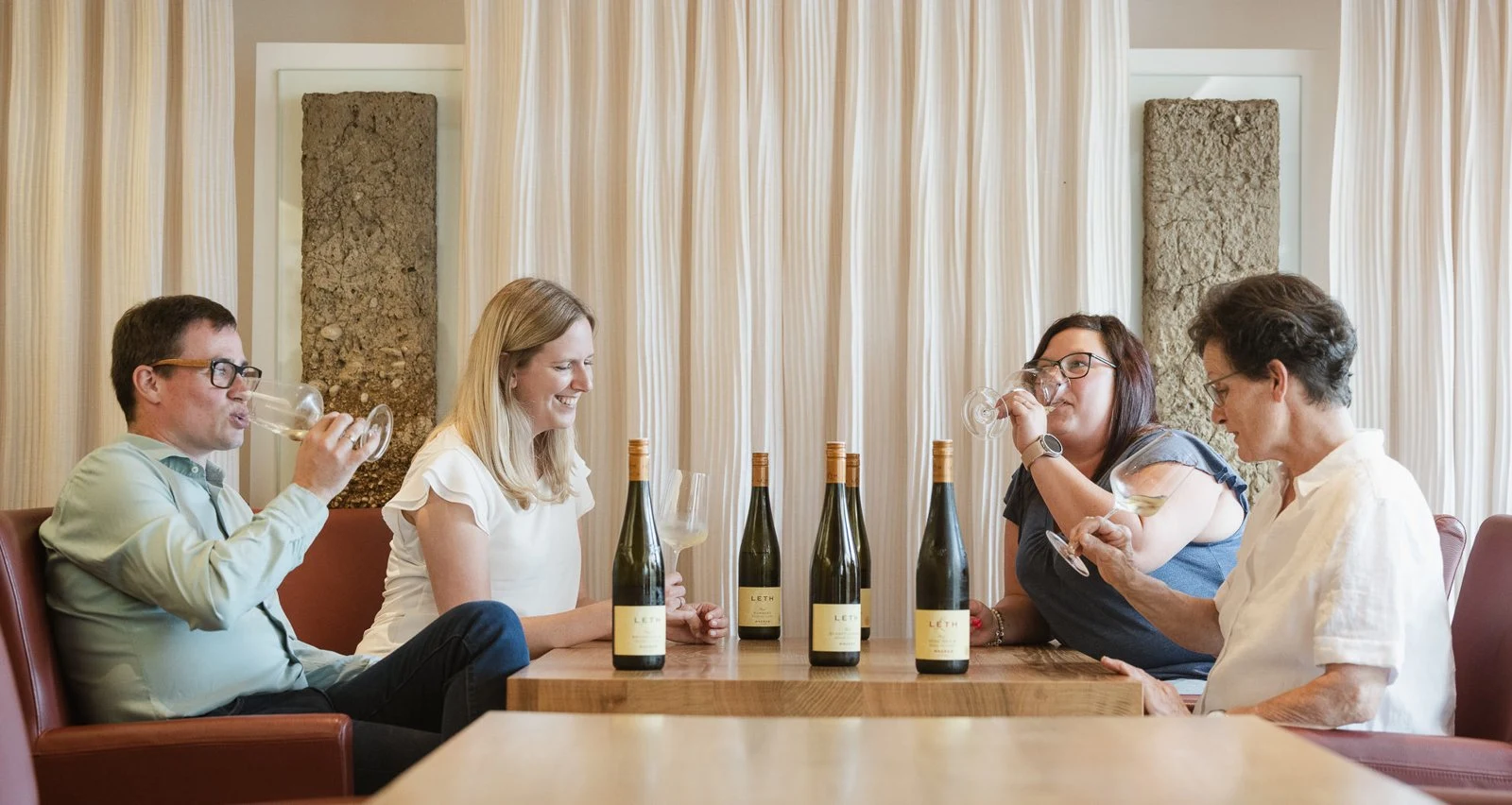
The tasting model suits that mood. Samples are priced at €1.00, while a full selection tasting is listed at €10.00; a purchase of six bottles per person unlocks a complimentary tasting. Bottle pricing runs from €8.20 to €109.50, which puts the estate in a useful bracket for travelers who want serious regional context without treating every bottle as a collectible object. Glass-by-glass tasting from a wine card adds flexibility, especially for visitors who want to compare Grüner Veltliner, Roter Veltliner and red cuvée styles without committing to a longer formal session.
Programming gives the estate a seasonal rhythm. Afterwork am Weingut appears in May, “Pippa” meets Kolkmann is tied to March, and Degustation und Kellergassenführung in October adds a cellar-tour dimension for guests who want more than a counter tasting. A 2026 collaboration with das Valentin paired seven quality wines and Barita aperitif with Wachauer Laibchen and antipasti, which signals that food here is event-led rather than a standing restaurant format.
How to place it within a Fels am Wagram wine day
Kolkmann is strongest for travelers who want a grounded Wagram tasting rather than a prestige-label chase. The estate’s practical appeal is clear: walk-in-friendly tastings, casual dress, a quiet family-winery atmosphere, German-language touring, direct purchasing, and shipping availability. Groups, families and solo wine travelers all fit the format, provided expectations are set around wine education and estate tasting rather than a full culinary program.
For a wider day in town, the estate pairs naturally with other Fels am Wagram wine stops and local planning pages. Readers building a winery route can compare nearby options through BIO Weingut Urbanihof – Familie Paschinger, Biowein Lenhart, Bioweinhof Paradeiser, Hofstetter Weingut and Schloss Fels. For planning beyond wine, use Our full Fels am Wagram wineries guide, then cross-check meals, rooms and drinks through Our full Fels am Wagram restaurants guide, Our full Fels am Wagram hotels guide, Our full Fels am Wagram bars guide and Our full Fels am Wagram experiences guide.
Austria’s broader wine and drinks map can pull a traveler far beyond Wagram, from »der Steiner« Hans Steiner in Podersdorf am See and ®walzer in Gneixendorf Bei Krems to 1516 Brewing Company Distillery in Vienna. For a more international contrast in how wine culture is presented, & Handwein in Mannheim and 00 Wines in Carlton show different versions of tasting-room identity. Kolkmann’s point is more local: it gives Wagram drinkers a clear reading of loess-grown varieties, family continuity and sustainable production without dressing the visit as a luxury performance.
Questions
Frequently asked
How expensive is Familienweingut Kolkmann?
Familienweingut Kolkmann is listed at a price level of $$.
The field
How it compares
| Place | Notes |
|---|---|
| Familienweingut Kolkmann | Fels am Wagram, $$ |
| Biowein Lenhart | Fels am Wagram |
| Bioweinhof Paradeiser | Fels am Wagram |
| Weingut Franz Sauerstingl | Fels am Wagram |
| Weingut Leth | Fels am Wagram |
| Weingut Wimmer-Czerny | Fels am Wagram |
| Winzerhof Schober | Fels am Wagram |