FARO
In Residence
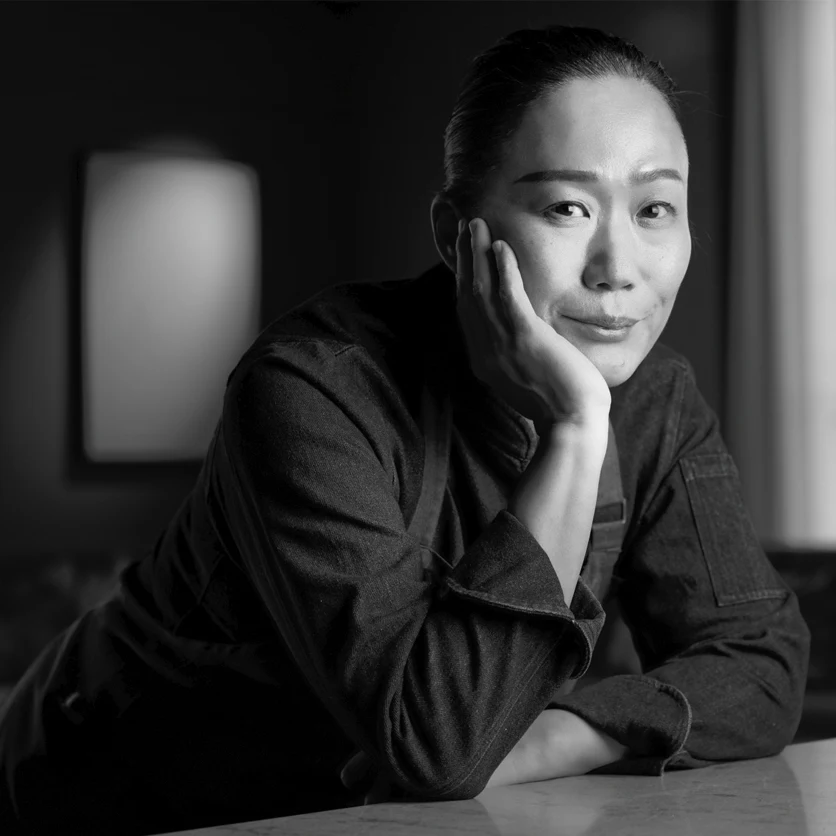
Mineko Kato
Pastry Chef
- 01CuisineModern Italian with Japanese Influences
- 02CityTokyo, Japan
- 03RecognitionOne Michelin Star
Jagaimo spaghetti in measured broth
- 1 Michelin Star · Michelin Guide
- Michelin 1 Star · 2026
- Opinionated About Dining Top Restaurants in Japan Recommended · 2026
- Gambero Rosso 2 Forchette · 2026
- We're Smart World 4 Radishes · 2025
- Opinionated About Dining Top Restaurants in Japan Ranked #447 · 2025
- Tabelog 100 #99: 3.8pts · 2025
- Michelin 1 Star · 2024
- Opinionated About Dining Top Restaurants in Japan Ranked #388 · 2024
- Opinionated About Dining Top Restaurants in Japan Highly Recommended · 2023
Heat, texture, and a Tokyo pass
Heat decides the plate before garnish does, setting the terms before anything decorative is allowed to speak. At FARO in Tokyo, dough, produce and protein are asked to hold their shape under pressure, so structure becomes part of the flavor rather than a frame around it. Kotaro Noda has led the kitchen since the 2018 reopening, carrying twenty years of cooking in Italy into a room operated by Shiseido, and the vocabulary stays quiet and composed, each element kept close to its purpose. It is pulled toward modern Italian cooking, then tightened by Japanese precision until the plate feels measured, restrained and clear.
The house sits in Ginza, on the 10th floor of the Shiseido Building, but height is not the point. Sequence is. FARO’s cooking asks each course to arrive with enough clarity that the next one can change the register without breaking the line.
Pasta treated as a question
The program is built around set and tasting menus rather than choice at the table, a structure that lets the kitchen control temperature, pacing, and contrast. Italian forms carry Japanese restraint here: pasta, broth, vegetable work, seafood, meat, and dessert move with the logic of a progression rather than a collection of signatures. Jagaimo spaghetti gives the kitchen its clearest statement. Potato is cut into spaghetti-like strands, then set against broth, with a vegan version built on koji and soy milk. The dish reads as pasta and not pasta at once.
Plant-forward cooking is not treated as a side path. FARO makes full vegan menus part of the central craft, using fermentation, umami-rich broths, vegetable textures, and careful seasoning to give the courses their weight. The flower tart carries the pastry side of that thinking, with herbs and petals arranged as flavor rather than decoration. Wine pairings and sake sit beside the food rather than above it, tuned to the menu’s quieter points: starch, acid, bitterness, broth, and the sweetness that appears when a vegetable has been given time.
Blue light in the room
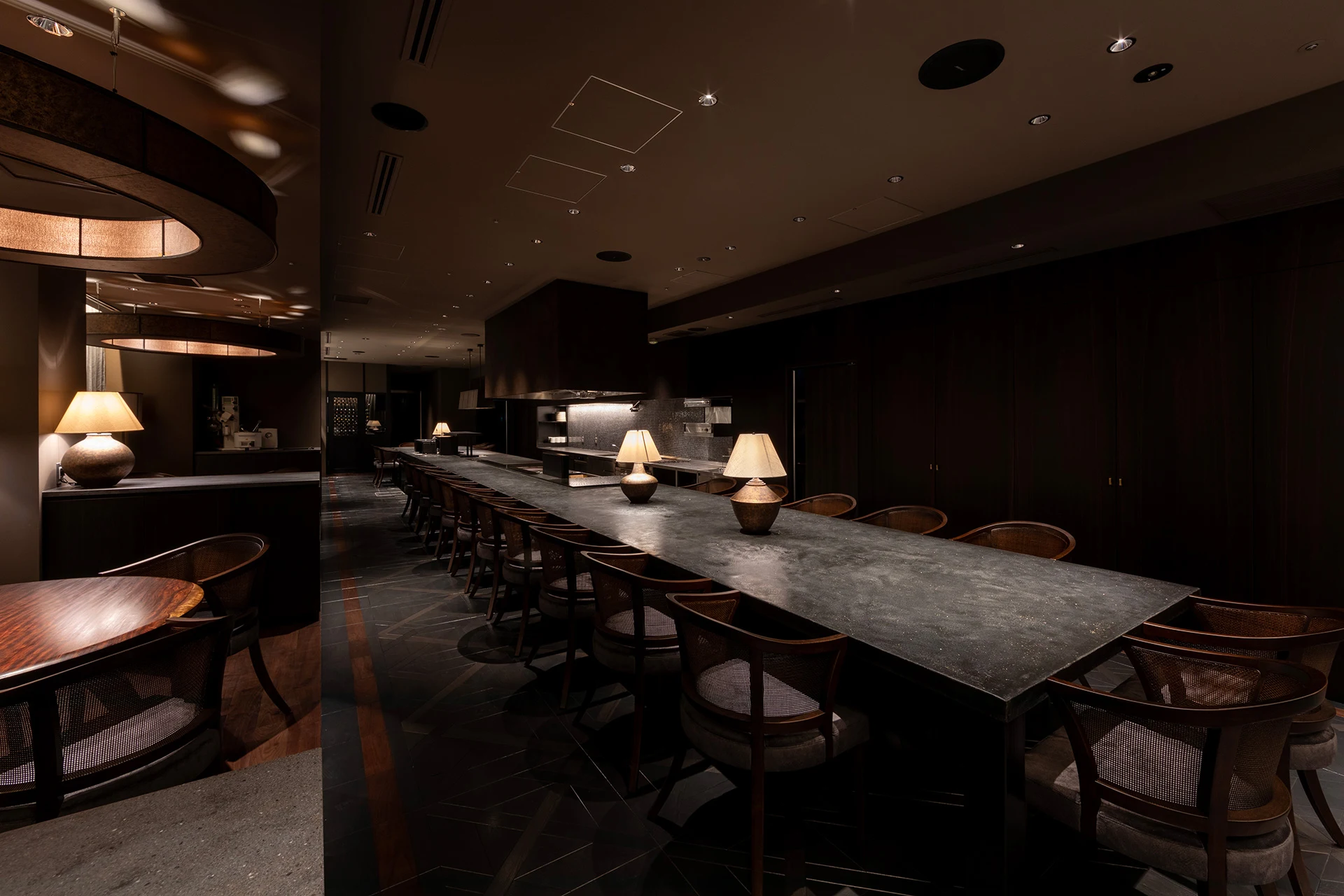
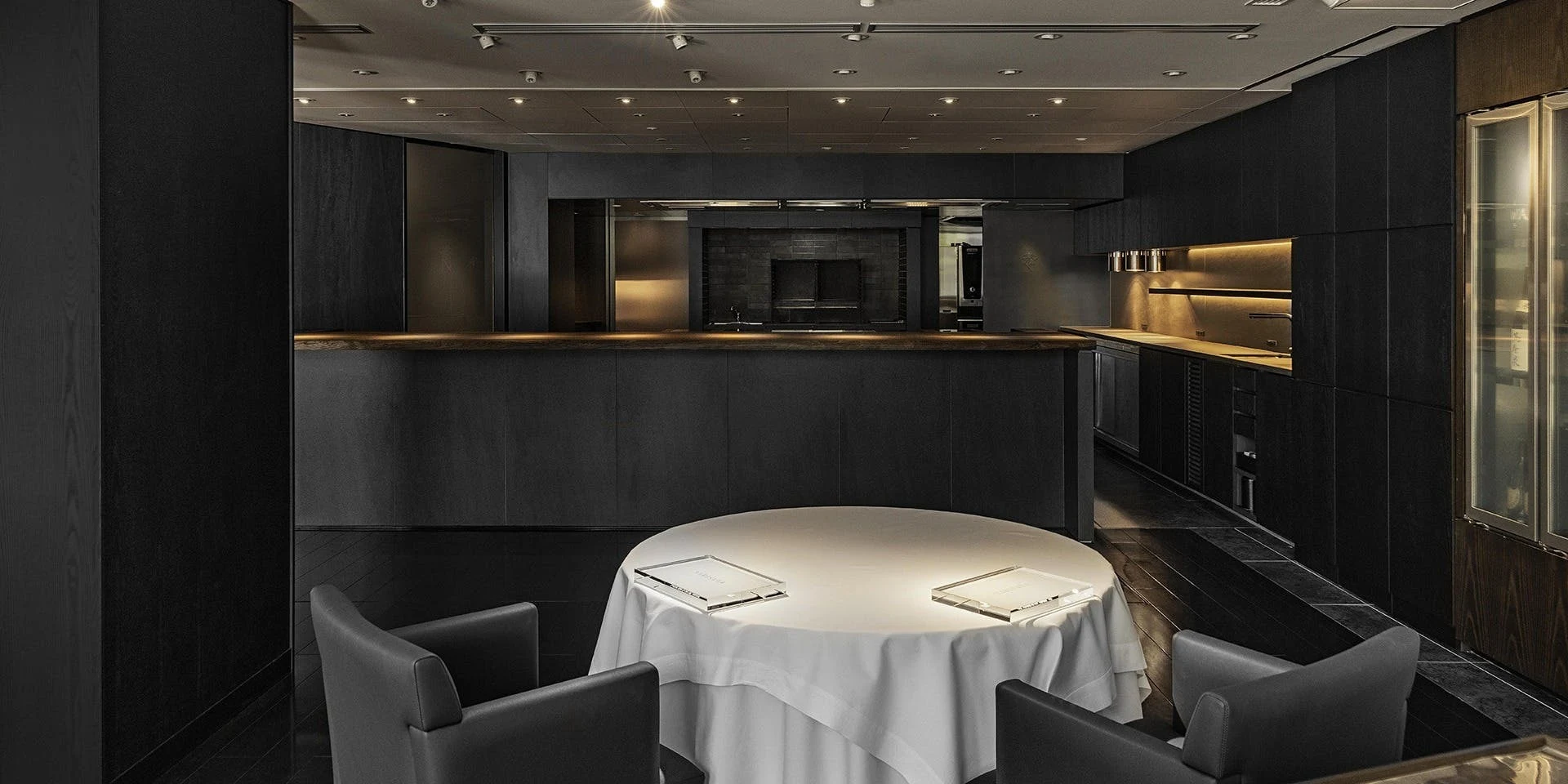
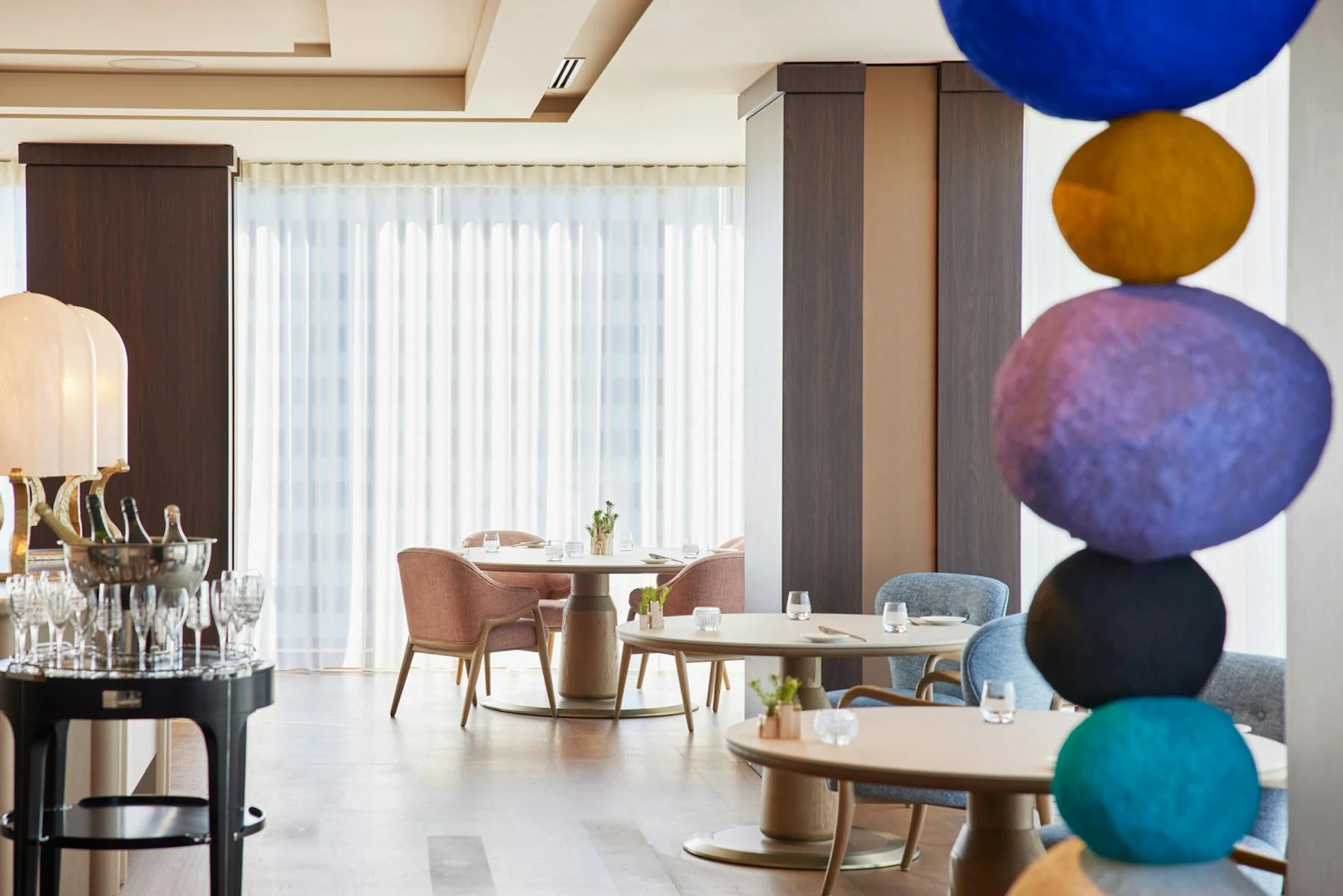
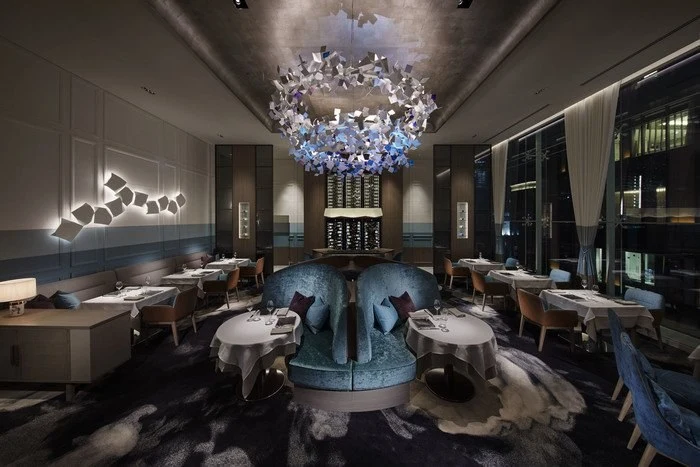
The room keeps its voice low. Blues, greys, and whites take the natural light cleanly, and the formality of service does not harden into theatre. At the pass, the work has to stay exact because the dining room gives it little cover; a plate that is too loud would look misplaced here. The counterpoint is Ginza outside, polished and vertical, while the room asks for a slower attention.
That restraint matters most when the menu moves between Italian comfort and kaiseki-like precision. A vegetable course can carry the same authority as fish or meat if the cut, the broth, and the resting time have been handled properly. FARO has 1 Michelin star, but the stronger fact is found plate by plate, in the way jagaimo spaghetti keeps returning as the house’s argument for potato, broth, and time.
Questions
Frequently asked
Who is in charge of the kitchen at FARO?
Kotaro Noda has led the kitchen since the 2018 reopening, bringing twenty years of cooking in Italy into a restaurant operated by Shiseido.
What kind of food does FARO serve?
FARO serves modern Italian tasting menus with Japanese influences, and the kitchen also makes full vegan menus part of the core offer.
What is the restaurant known for?
The best-known dish is jagaimo spaghetti, where potato is cut into spaghetti-like strands and served with broth, and the flower tart is another named dish on the menu.
What recognition does FARO hold?
FARO has one Michelin star.
What should guests know about visiting?
Reservations are essential, and the dress code is smart casual.
The field
How it compares
| Place | Awards | Cuisine | Notes |
|---|---|---|---|
| FARO | Michelin 1 Star | Modern Italian with Japanese Influences | Chūō, $$$$ |
| Den | Michelin 2 Stars, World's 50 Best | Modern Japanese Kaiseki | Tokyo |
| Florilège | Michelin 2 Stars, World's 50 Best | Modern French-Japanese Plant-Based Fine Dining | Tokyo |
| Narisawa | Michelin 2 Stars, World's 50 Best | Modern Japanese Satoyama Fine Dining | Tokyo |
| Quintessence | Michelin 3 Stars | Modern French Fine Dining | Tokyo |
| Sazenka | Michelin 3 Stars, World's 50 Best | Modern Chinese Fine Dining | Tokyo |
| Sézanne | Michelin 3 Stars, World's 50 Best | Modern French Fine Dining | Tokyo |
In residence
Similar places
Modern Japanese Kaiseki
Den
Tokyo, Japan
★★ · 50 Best
Modern French-Japanese Plant-Based Fine Dining
Florilège
Tokyo, Japan
★★ · 50 Best
Modern Japanese Satoyama Fine Dining
Narisawa
Tokyo, Japan
★★ · 50 Best
Modern French Fine Dining
Quintessence
Tokyo, Japan
★★★
Modern Chinese Fine Dining
Sazenka
Tokyo, Japan
★★★ · 50 Best
Modern French Fine Dining
Sézanne
Tokyo, Japan
★★★ · 50 Best