- Falstaff Winery - Listed · 2026
In Predappio, Fattoria Casetto dei Mandorli is best understood as a historic, family-run Romagna winery rather than a polished resort-style stop. The picture is simple and compelling: old vineyards, a close relationship with the land, traditional underground cellars, and Sangiovese given long aging in oak. Those elements provide the essential frame for the estate, and they also explain why its appeal is more about atmosphere, continuity, and rootedness than about a broad catalogue of visitor-facing features.
The atmosphere is classic, rustic, scenic, romantic, intimate, and a little hidden-gem in character. For travellers looking at Predappio through wine, the estate’s appeal rests on continuity and place rather than spectacle or invented luxury cues. It is the sort of winery to consider when the priority is understanding a local expression of Romagna Sangiovese in a setting that feels connected to older rhythms of vineyard and cellar.
Predappio Sangiovese through old vineyards and underground oak
Sangiovese is the defining reference point at Fattoria Casetto dei Mandorli. The grounded reason to visit is not a list of bottlings or technical claims, but the estate’s focus on old vineyards and long-aged Sangiovese in oak. That focus gives the winery a clear identity within Predappio: it points attention toward grape, place, time, and cellar, rather than toward novelty or a heavily packaged tasting narrative.
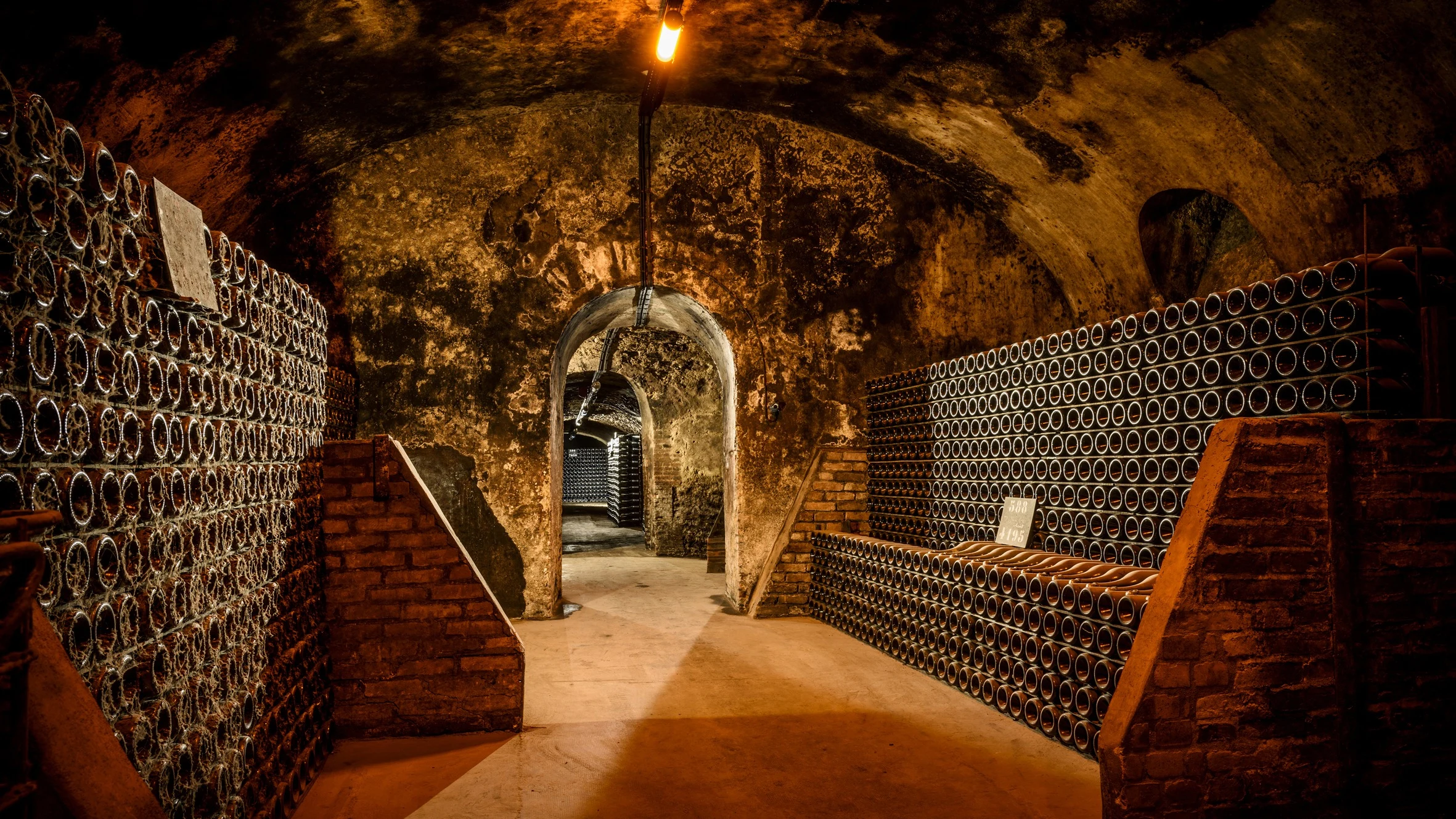
The traditional underground cellars are central to the identity of the place. They support the sense of a winery shaped by patience, history, and Romagna’s land-based wine culture rather than by a high-volume visitor format. In that context, underground oak aging is not just a detail of production; it is part of the overall impression of depth, quiet, and continuity that defines the estate’s character as described here.
Because the available information is focused, this guide does not assert specific vineyard names, production figures, awards, tasting formats, or individual wine labels. The reliable takeaway is narrower but stronger: Fattoria Casetto dei Mandorli is a historic family-run Predappio winery centered on old-vineyard Sangiovese and oak cellar aging. That narrower framing is useful, because it avoids overstating what is documented while still making clear why the estate belongs on a thoughtful Romagna wine itinerary.
A historic, intimate Romagna winery setting
The tone here is classic and rustic, with a scenic and romantic feel that suits travellers who prefer quieter wine experiences. The estate is best framed as an intimate Predappio winery with a strong sense of land and cellar, not as a venue defined by restaurant service, resort amenities, or a documented hospitality program. Its charm lies in that restraint: the emphasis remains on old vineyards, underground cellars, and Sangiovese rather than on layers of added service or staged luxury.
Its family-run character matters because it places the winery within a local tradition of continuity. The facts support a picture of an estate rooted in old vineyards and traditional cellars, with Sangiovese as the central expression. For visitors, that means the interest is less about checking off a set of amenities and more about seeking a wine place whose identity has been formed through land, cellar practice, and family stewardship.
Visitors should treat any practical details beyond that core identity with care unless confirmed directly with the winery. This page does not verify hours, reservation rules, tasting menus, specific food service, or special-event availability. That caution is important because the estate is being presented here through its documented character, not through a full operational profile; any plan should therefore be built around direct confirmation rather than assumptions.
How to place it within a Predappio wine day
Predappio is a natural base for travellers interested in Romagna Sangiovese, and Fattoria Casetto dei Mandorli fits a slower itinerary focused on landscape, cellar atmosphere, and old-vineyard identity. Its price level is listed as $$. The ideal way to understand the winery within a day of travel is as a stop for those who value context and a sense of place, especially when the surrounding plan is also shaped around wine, countryside, and local character.
For broader planning, compare it with other Predappio dining, wine, and stay options generically, then confirm current visit details directly before building a schedule. The strongest reason to keep Fattoria Casetto dei Mandorli on the list is its historic, family-run character and its focus on long-aged Sangiovese in oak. It is not presented here as the answer to every practical need in a day, but as a strong candidate for travellers who want a classic Romagna winery profile.
Among Predappio wine stops, Fattoria Casetto dei Mandorli stands out as a classic, rustic, intimate estate shaped by land, old vineyards, and traditional underground cellars. Its appeal is strongest when approached with the right expectations: not as a polished resort-style destination, but as a historic family-run winery where the main story remains Sangiovese, patience, and place.
Questions
Frequently asked
Who works at Fattoria Casetto dei Mandorli?
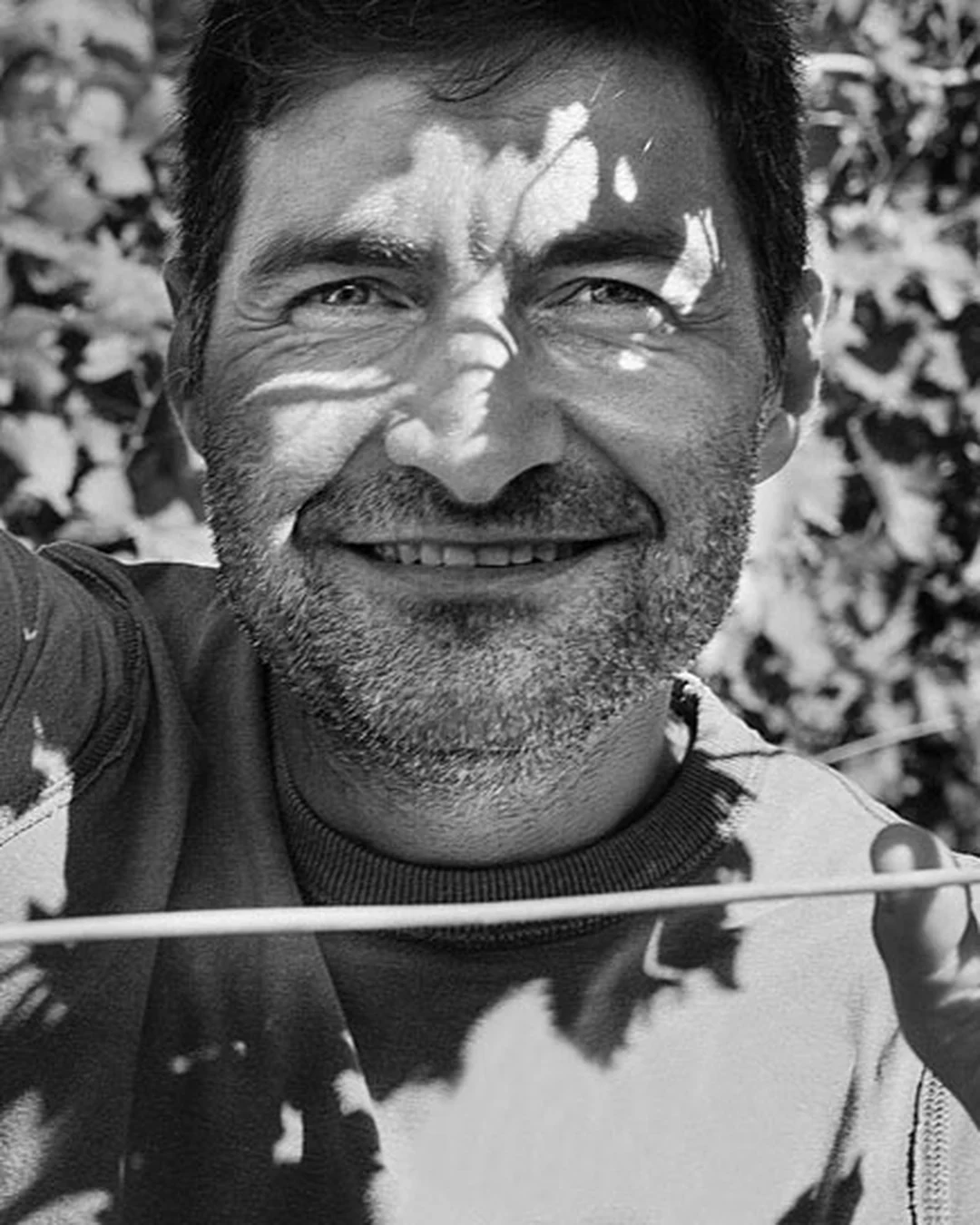
Made By profiles Alessandro Nicolucci (Winemaker) at Fattoria Casetto dei Mandorli.
How expensive is Fattoria Casetto dei Mandorli?
Fattoria Casetto dei Mandorli is listed at a price level of $$.
The field
How it compares
| Place | Notes | Awards |
|---|---|---|
| Fattoria Casetto dei Mandorli | Predappio Alta, $$ | · |
| Billecart-Salmon | Aÿ | World's 50 Best |
| Condé | Predappio | · |
| Domäne Wachau | Dürnstein | World's 50 Best |
| Pandolfa | Predappio | · |
| Quinta do Crasto | Sabrosa | World's 50 Best |
| Viña Montes | Santa Cruz | World's 50 Best |