
- Falstaff Winery - Listed · 2026
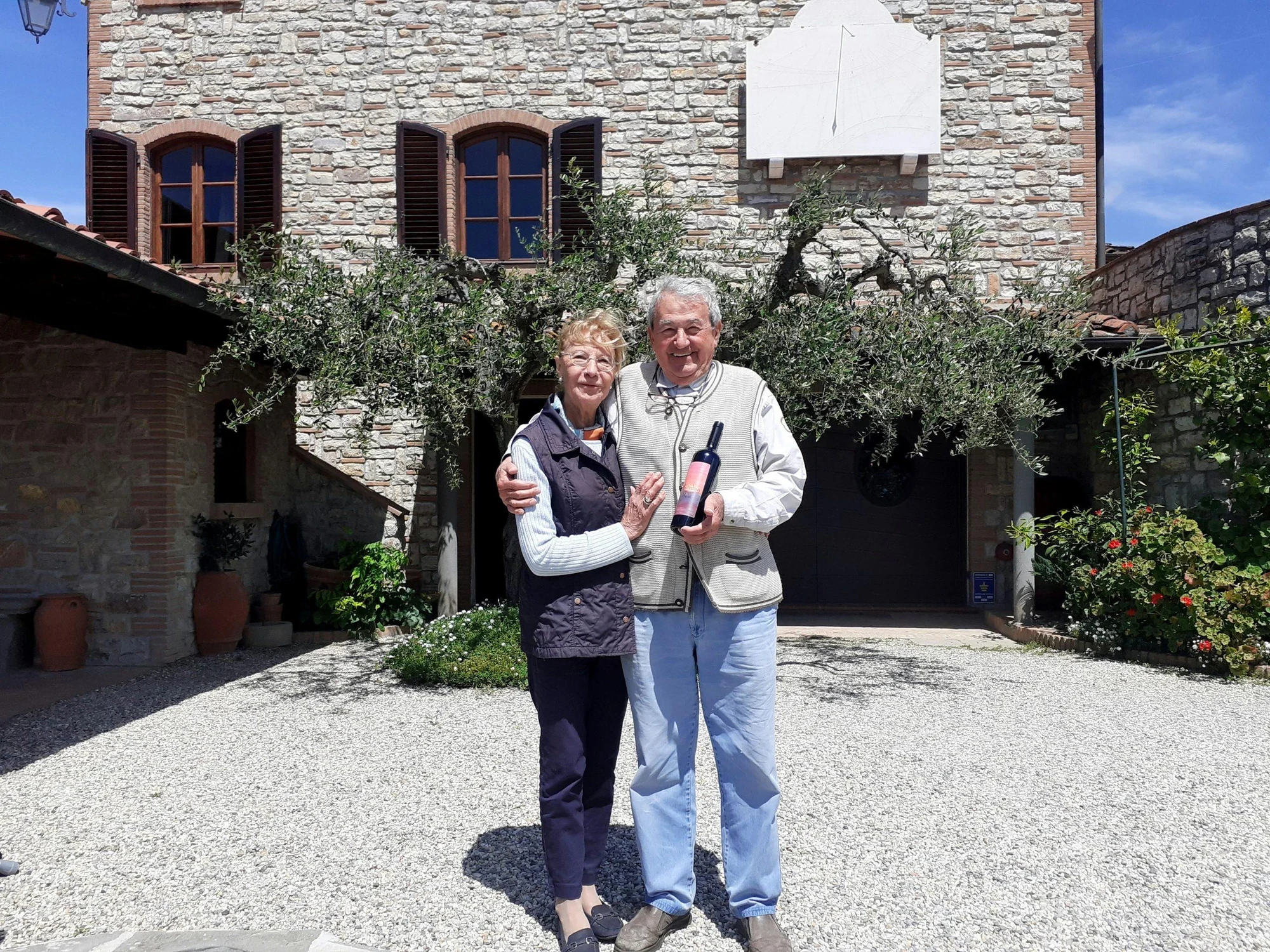
Fattoria di Montechiari is a small, family-owned Tuscan estate in Montecarlo, set on the top of a hill with organic vineyards, a cellar and a panoramic view over the surrounding countryside and Lucca. The appeal is direct: a scenic, tranquil setting, a familiar atmosphere and a classic Tuscan estate feel rather than a heavily formal venue. It is the kind of place whose identity comes first from its position and scale: a hillside address, a rural outlook and a sense of being rooted in the Montecarlo landscape.
Specific grape varieties, production methods, cellar techniques, tour formats, opening times and visitor services should be checked directly with the estate before planning a detailed itinerary. The confirmed picture is intentionally narrower than a full technical profile, so travellers should treat this as a venue introduction rather than a complete operational guide.
Montecarlo terroir through a hilltop estate setting
The draw at Fattoria di Montechiari is its position in Montecarlo. The estate sits high enough to give visitors a broad view over the countryside and toward Lucca, which makes the landscape part of the experience. Rather than presenting the venue through technical claims, it is better framed as a scenic Tuscan estate with organic vineyards and a cellar. In this context, the hilltop setting is not just background; it is central to how the estate is understood, giving the visit a sense of openness, quiet and visual connection to the surrounding countryside.
The atmosphere is described as simple and familiar, which places it closer to a relaxed countryside stop than a formal restaurant-style venue. For travellers building a Montecarlo wine day, that means the value lies in the setting, the calm pace and the estate context. The experience should be read as intimate in scale rather than elaborate: a small estate, a family-owned character and a Tuscan rural mood that do not require a highly staged format to make sense.
Details such as individual wines, grape varieties, ageing methods, tasting formats and cellar practices are not confirmed in the public record provided here. Visitors who need that level of specificity should confirm directly with Fattoria di Montechiari before booking or travelling. That is especially important for anyone planning around particular wine styles, cellar access, guided explanations or a structured tasting sequence, since none of those elements should be assumed from the available description alone.
A tasting experience shaped by scenery
Fattoria di Montechiari is best approached as a scenic tasting stop in Montecarlo, anchored by organic vineyards, a cellar and a panoramic countryside view. The experience is described as tranquil and classic, with the hilltop location doing much of the work. Its appeal is less about a long list of confirmed features and more about the combination of vineyard setting, estate atmosphere and the view across the Lucca countryside.
Those practical points can change and should be checked with the estate rather than assumed. Opening arrangements, the exact structure of a visit and the services available to guests are all details that need direct confirmation, particularly for travellers trying to fit the stop into a tightly planned day.
What is grounded is the broad mood: small-scale, family-owned, scenic and relaxed. That makes the venue suitable for travellers who want a Tuscan estate atmosphere and a view over the Lucca countryside without relying on claims about a particular menu, tasting route or production lineup. It also makes the venue easier to understand as part of a slower countryside itinerary, where the pleasure comes from the setting and the estate context as much as from any specific format.
How to place it within a Montecarlo wine itinerary
Within Montecarlo, Fattoria di Montechiari works well as a calm hilltop estate visit. It is not useful to overstate the details beyond the public record, but the combination of organic vineyards, cellar setting and panoramic views gives it a clear role in a wine-focused day. For visitors who are mapping a route through the area, it can function as the scenic, rural counterpoint within the plan: a place defined by quiet, elevation and a familiar estate feel.
Travellers comparing options in the area can consider Fattoria di Montechiari alongside other Montecarlo dining and wine stops generically, using the confirmed facts here as the baseline: Montecarlo location, $$$ price level, scenic atmosphere, organic vineyards, cellar and countryside views toward Lucca. Those points are enough to position it clearly, but not enough to replace direct contact with the estate if the visit depends on specific timings, formats or visitor services.
For broader Italian and European winery research, compare each venue on its own details rather than assuming similar formats, services or production styles. Fattoria di Montechiari’s confirmed identity is a small, family-owned Tuscan estate in Montecarlo with a scenic, tranquil character. That concise identity is also its strength: a hilltop Tuscan setting, organic vineyards, a cellar and a panoramic outlook, presented without the need to add unsupported claims beyond what is known.
Questions
Frequently asked
Who works at Fattoria di Montechiari?
Made By profiles Moreno Panattoni (Winemaker) at Fattoria di Montechiari.
How expensive is Fattoria di Montechiari?
Fattoria di Montechiari is listed at a price level of $$$.
The field
How it compares
| Place | Notes | Awards |
|---|---|---|
| Fattoria di Montechiari | Montecarlo, $$$ | · |
| Castello Banfi | Montalcino | World's 50 Best |
| Château La Mission Haut-Brion | Talence | · |
| Creation Wines | Hermanus | World's 50 Best |
| Fattoria La Torre | Montecarlo | · |
| Tenuta del Buonamico | Montecarlo | · |
| Weingut Dr. Loosen | Bernkastel-Kues | World's 50 Best |