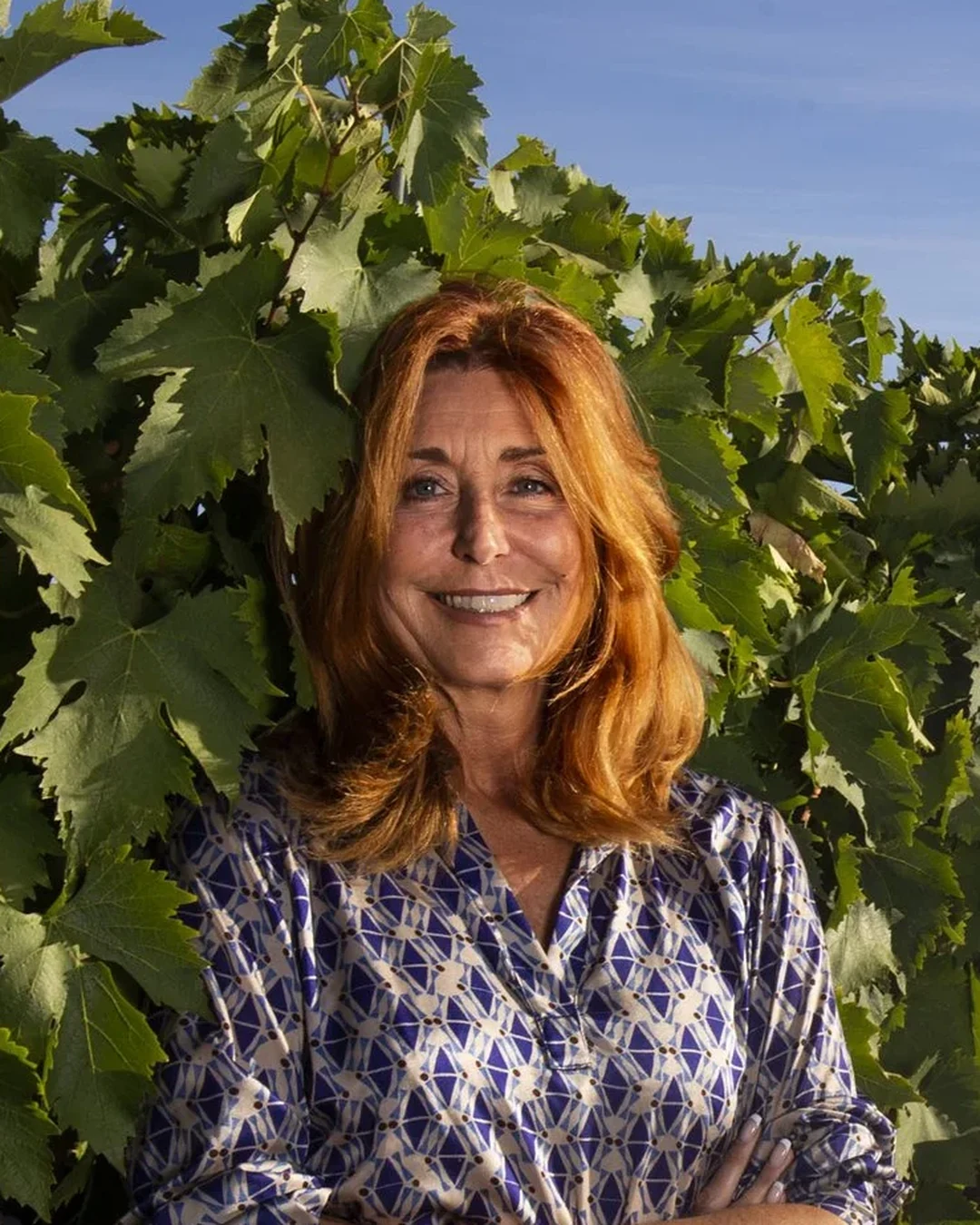
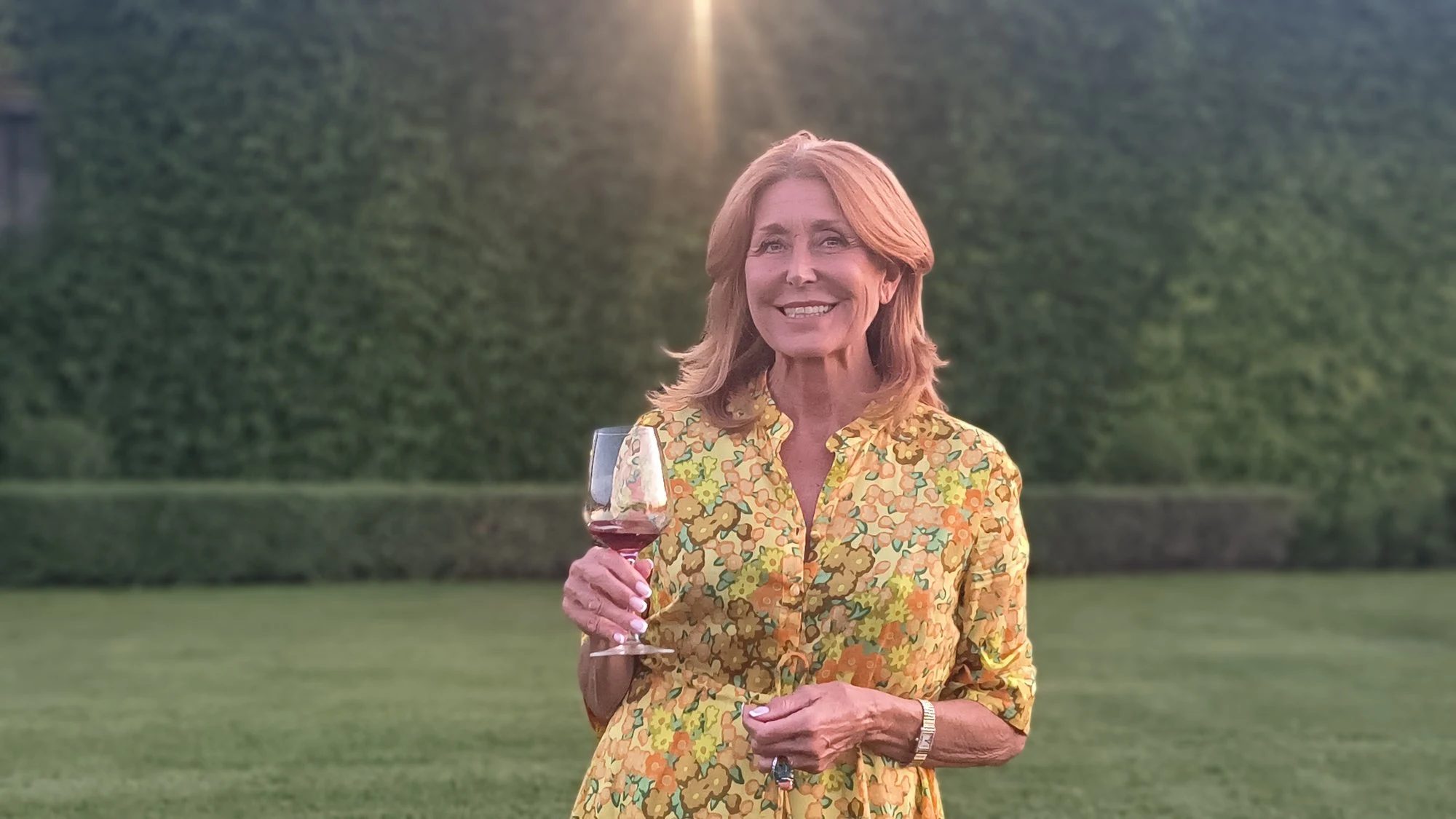
Elisabetta Geppetti, Winemaker at Fattoria Le Pupille near Grosseto, leads Maremma vineyards through Morellino di Scansano and Saffredi.
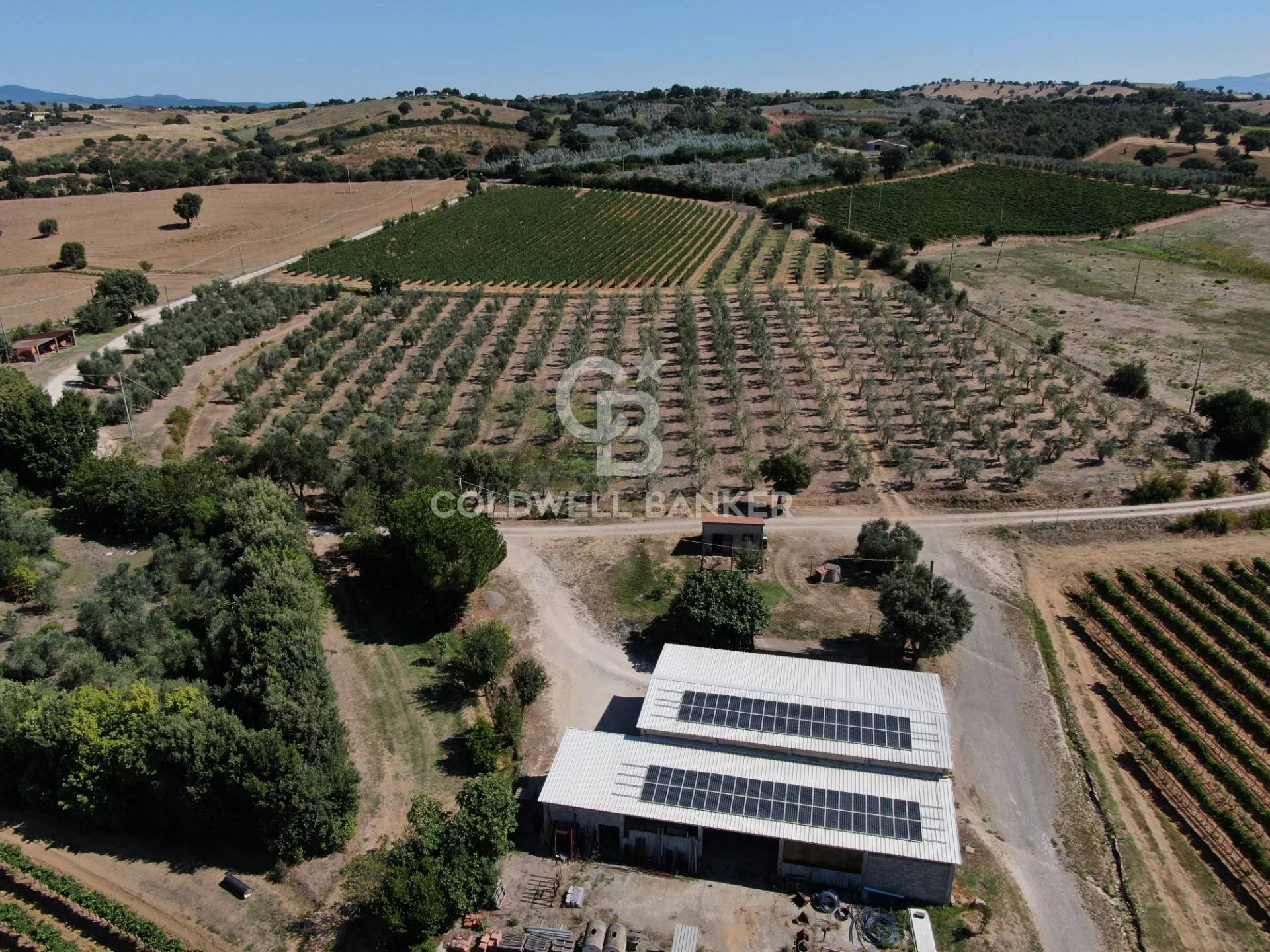
Since 1985, the cellar has been the fixed point. Elisabetta Geppetti works as Winemaker at Fattoria Le Pupille near Grosseto, holding the estate to a line that runs through Morellino di Scansano and Saffredi. She inherited the property from her father-in-law and stayed with it, turning succession into a working discipline rather than a family note. The estate sits at Istia d'Ombrone, in the hills of Maremma, with vineyards around Grosseto and Morellino di Scansano. Its scale is not ornamental: about 80 hectares of vines carry Sangiovese, Ciliegiolo, Cabernet Sauvignon, Merlot, Petit Verdot, Syrah, Sauvignon Blanc, Semillon and Petit Manseng. Geppetti's tenure gives the place its shape. Morellino di Scansano keeps the estate tied to local Sangiovese and the DOCG that made its name; Saffredi, the Supertuscan label most closely associated with Le Pupille, gives the same property another register. The work is not a departure from Maremma. It is a long argument for it, made through parcels, blends, and the patience of staying accountable to one estate.
The method at Fattoria Le Pupille begins in the vineyard, where sustainability is treated as agronomy rather than language. The estate works with natural grassing, manure fertilizing, canopy choices, drought-resistant rootstocks, soil moisture conservation, algae-based bio-stimulants and kaolin rock dust to protect leaves and grapes from radiation. Those decisions belong to a warm coastal landscape, where sea breezes, day-night temperature shifts and skeleton-rich soils do part of the work before fruit reaches the cellar.
For Morellino di Scansano DOCG 2024, the must ferments on the skins for 15 days after harvest at the end of September, then matures for eight months, mainly in stainless steel with a small proportion in used barriques. The blend is 90% Sangiovese, with 5% Alicante and 5% Ciliegiolo, from vineyards exposed to the south-west at 50 to 250 meters. Poggio Argentato takes a different path: Sauvignon Blanc stays in steel, while Petit Manseng and Traminer spend a short time in secondary tonneau, with five months on the fine lees. The cellar does not force one signature over every wine. It gives each lot a vessel, a timing, and a degree of contact.
The estate reads as a working Tuscan property brought forward without being polished flat. A modern winery building and barrel rooms stand beside the old farmhouse, the image that still anchors part of the house's memory. Around it, the vineyards open onto the rolling Maremma countryside, with the tasting room and cellar held at conversational pitch rather than ceremony. The welcome is warm and measured: estate tours, guided tastings, premium flights and Saffredi verticals move through the same rooms where the bottles have taken form.
The atmosphere matters because the wines are not presented away from their source. The counter, the cellar and the view over the vines all point back to the same fact: Le Pupille is a family-owned estate, not a label assembled at a distance. If the next glass here carries the estate's argument forward, it will likely do so through Morellino di Scansano or Saffredi.
Grosseto, Italien
Istia d'Ombrone