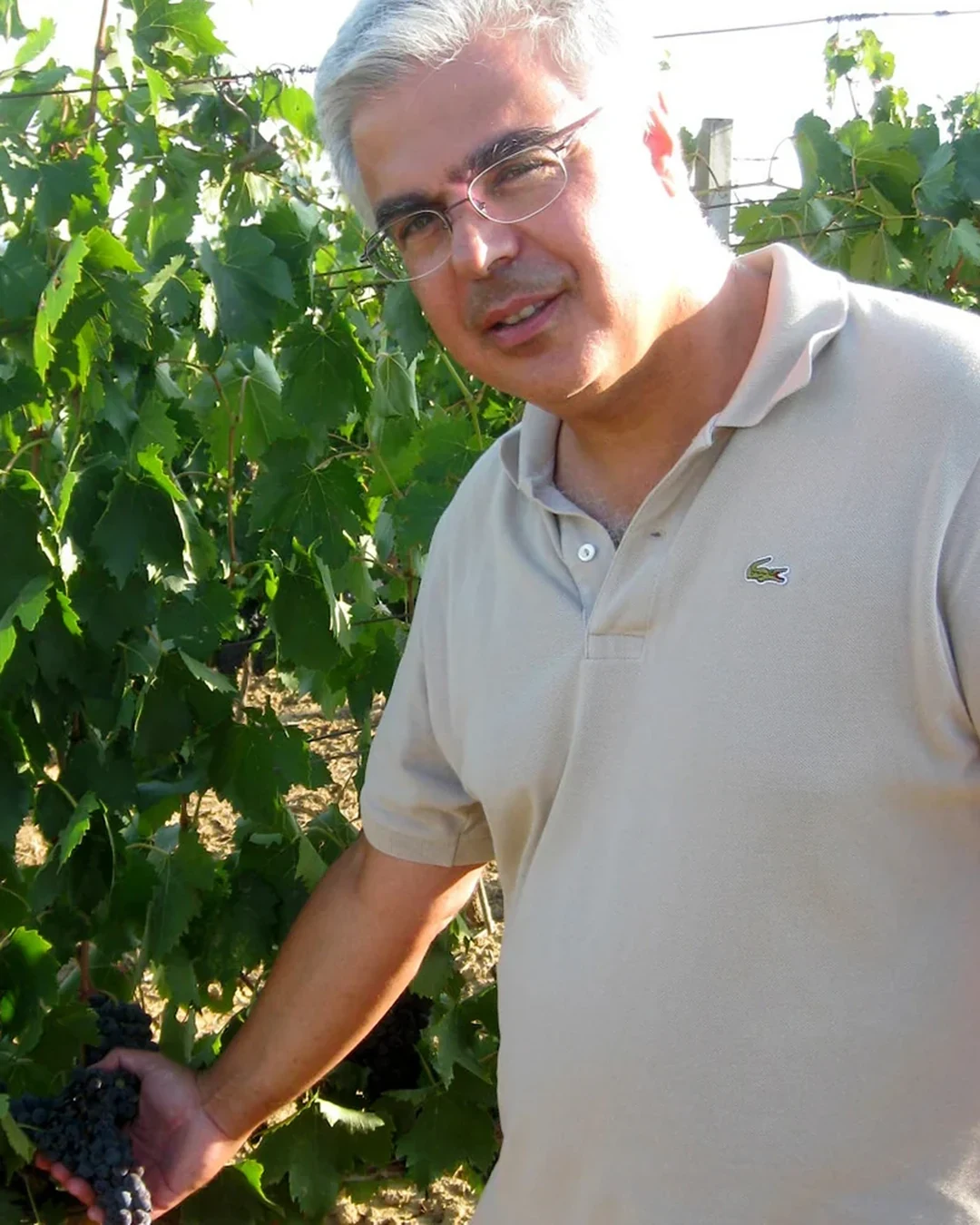
Alessandro Nieri, winemaker at Fattoria Montellori in Fucecchio, guides a family Tuscan estate rooted in Sangiovese and concrete-aged Chianti.
The Chianti rests for one year in concrete tanks before Alessandro Nieri, winemaker at Fattoria Montellori in Fucecchio, sends it toward the bottle. That choice says much about the estate’s tempo. Concrete gives the wine time without the voice of new wood, holding Sangiovese close to its fruit, its tannin, and the soils that raised it. Nieri works here as the fourth generation of his family to lead the property, after sharing responsibility with his father, Giuseppe Bepi Nieri, and taking on management in 1998. The house traces its winemaking history to 1895, a date it carries less as ornament than as a working obligation.
His role is named in Italian as gestore, a word with weight in a family estate. It asks for cellar judgment, vineyard attention, and the daily keeping of a place in balance. At Montellori, that balance runs between Chianti and IGT wines, between Sangiovese and Cabernet Sauvignon, Cabernet Franc, Merlot, Petit Verdot, Pinot Nero, Chardonnay, Sauvignon Blanc, Viognier, Tuscan Trebbiano, and Trebbiano. The line is broad, but the center remains legible: vineyard first, intervention later only where the wine asks for it.
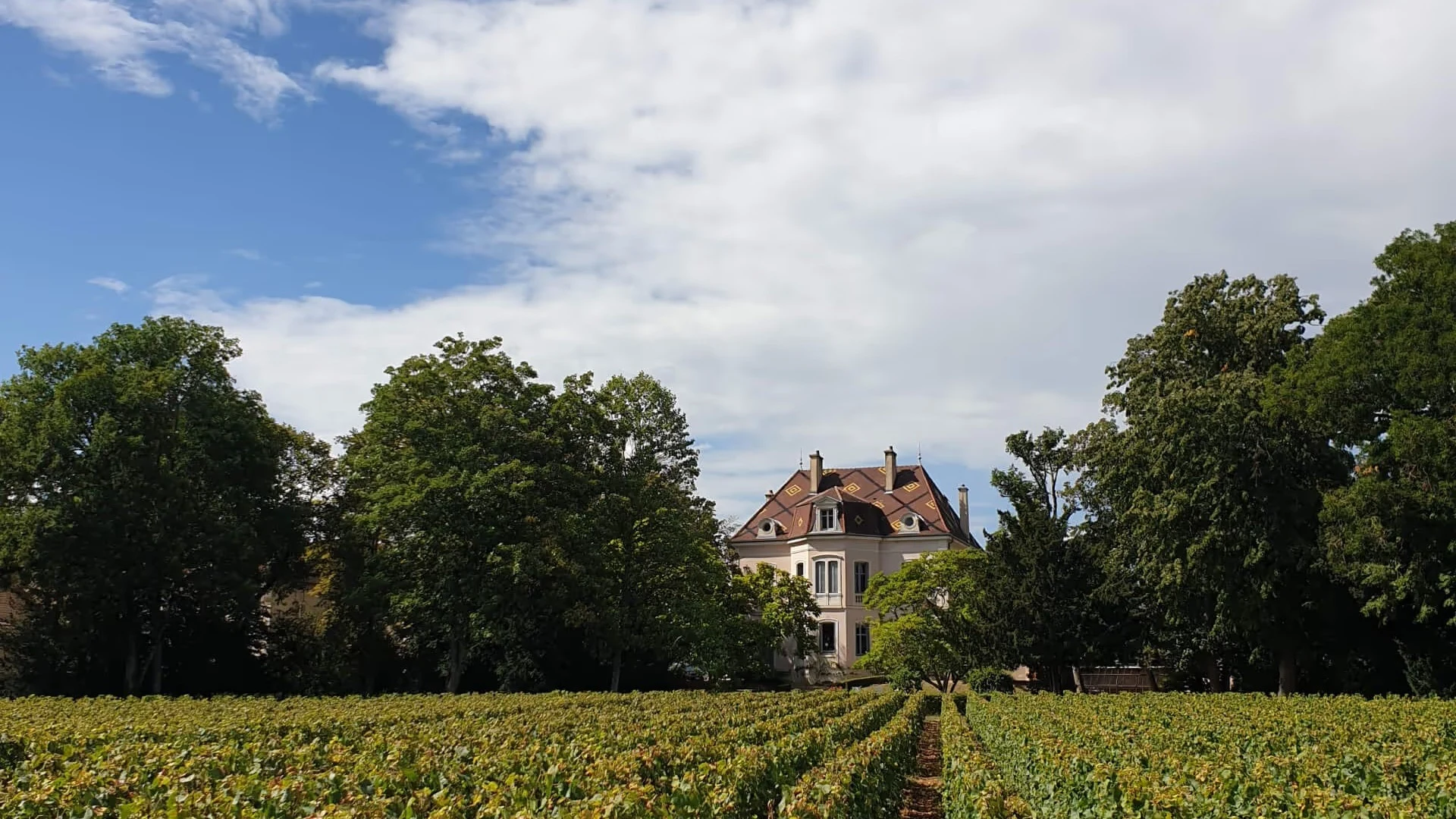
The method begins outside the cellar. Montellori’s largest vineyards include parcels of 12 and 16 hectares in Cerreto Guidi, on deep limestone clay loam at 150 to 200 meters above sea level. The estate also points to Sangiovese vineyards with soils marked by sea shells, a detail that matters in the glass because it belongs to site rather than cellar recipe. The discipline here is not to polish away difference. It is to let each plot carry its own pressure into the blend or the bottling.
The portfolio gives Nieri several ways to read that ground. Chianti keeps Sangiovese at the front. Poggio alla Luna brings Sangiovese together with Merlot. Moro joins Sangiovese, Cabernet, and Merlot, while Salamartano moves through Cabernet Sauvignon, Cabernet Franc, and Petit Verdot. The white side has its own program: Mandorlo from Chardonnay, Sauvignon Blanc, and Viognier; Tuttosole from Tuscan Trebbiano; Collection cuvée from Chardonnay. The sparkling wines carry Pas Dosé 36 months and Pas Dosé reserve 60 months on the label, and Vin santo della signora holds Trebbiano in the estate’s sweeter register.
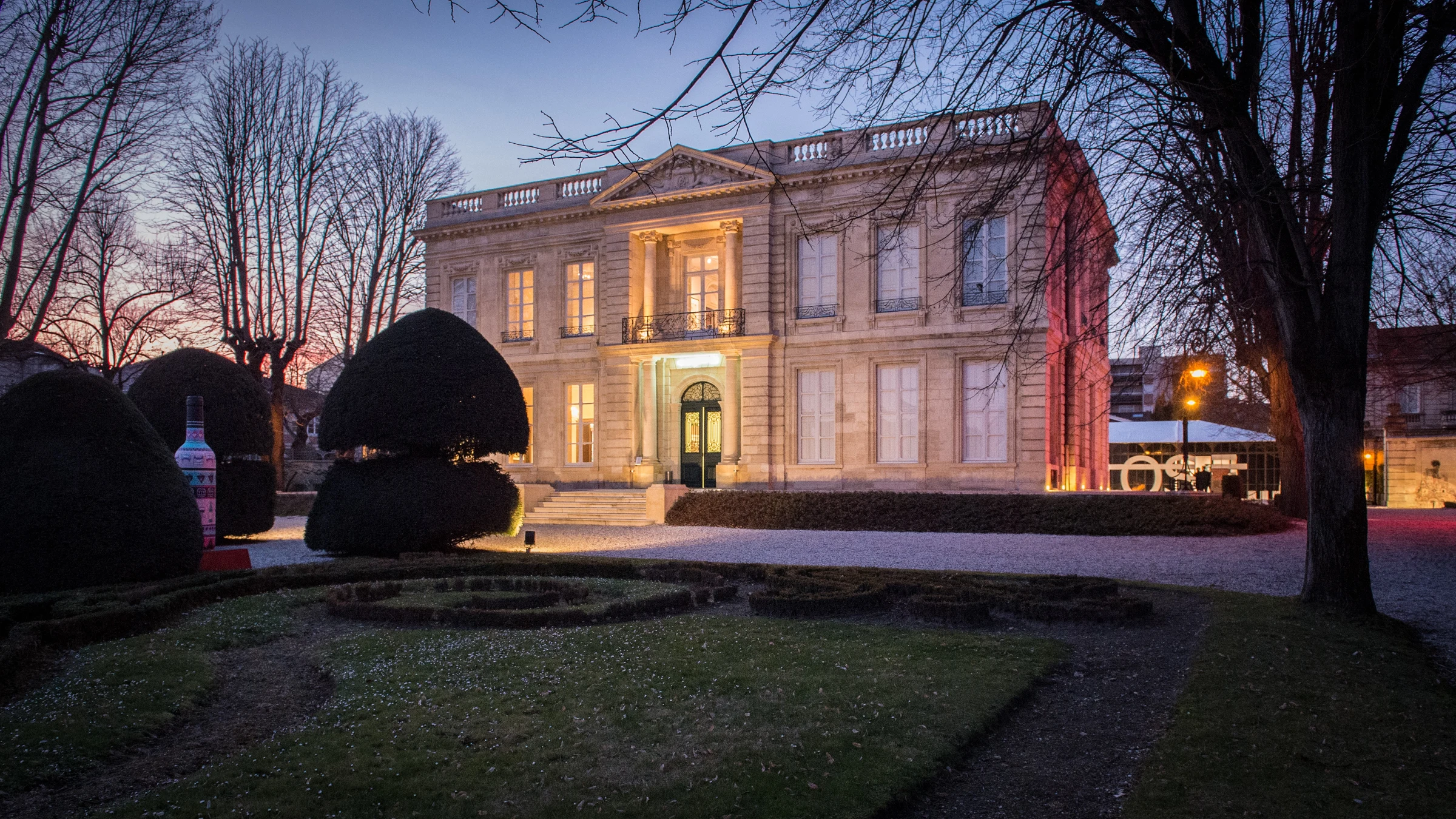
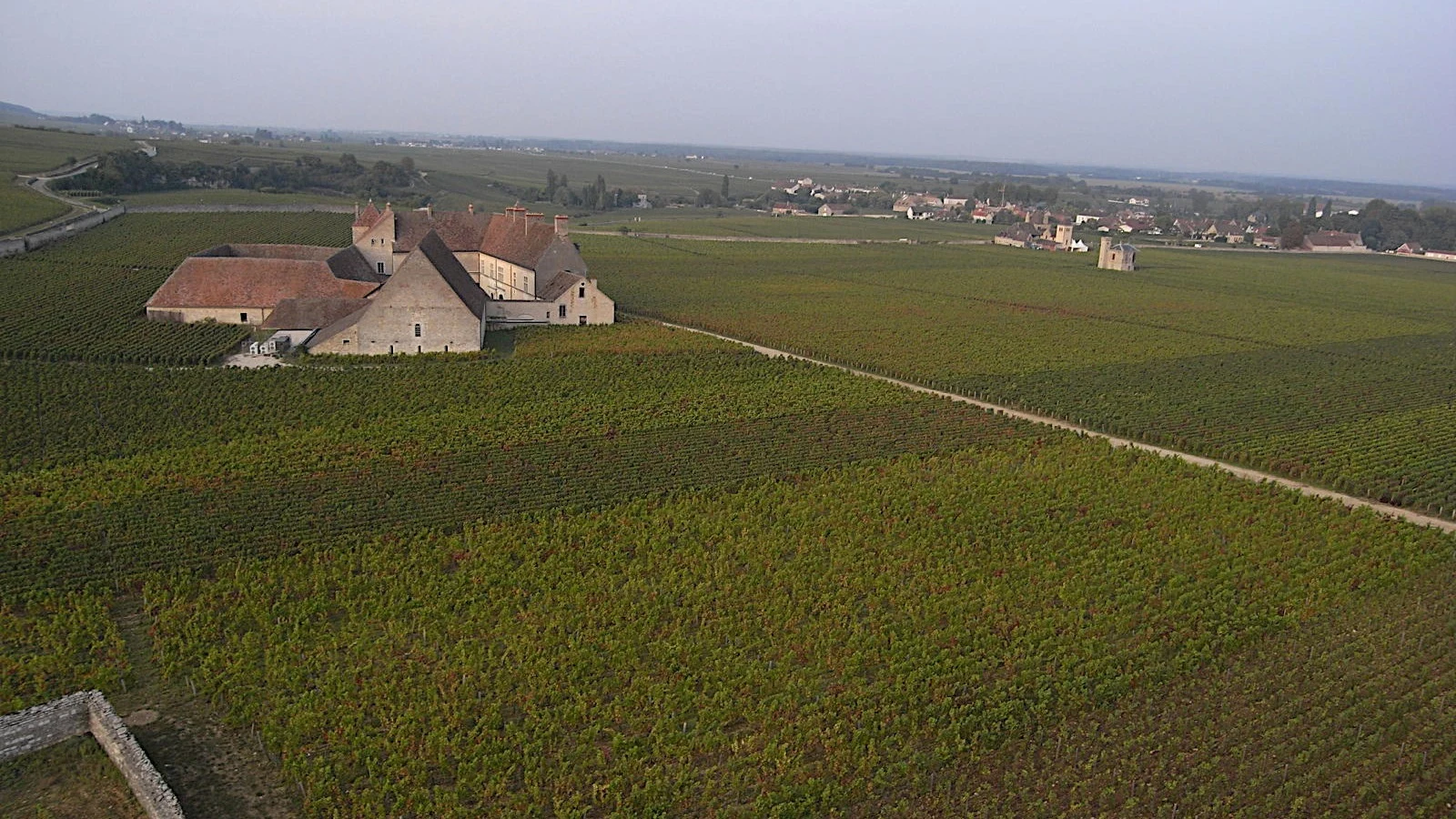
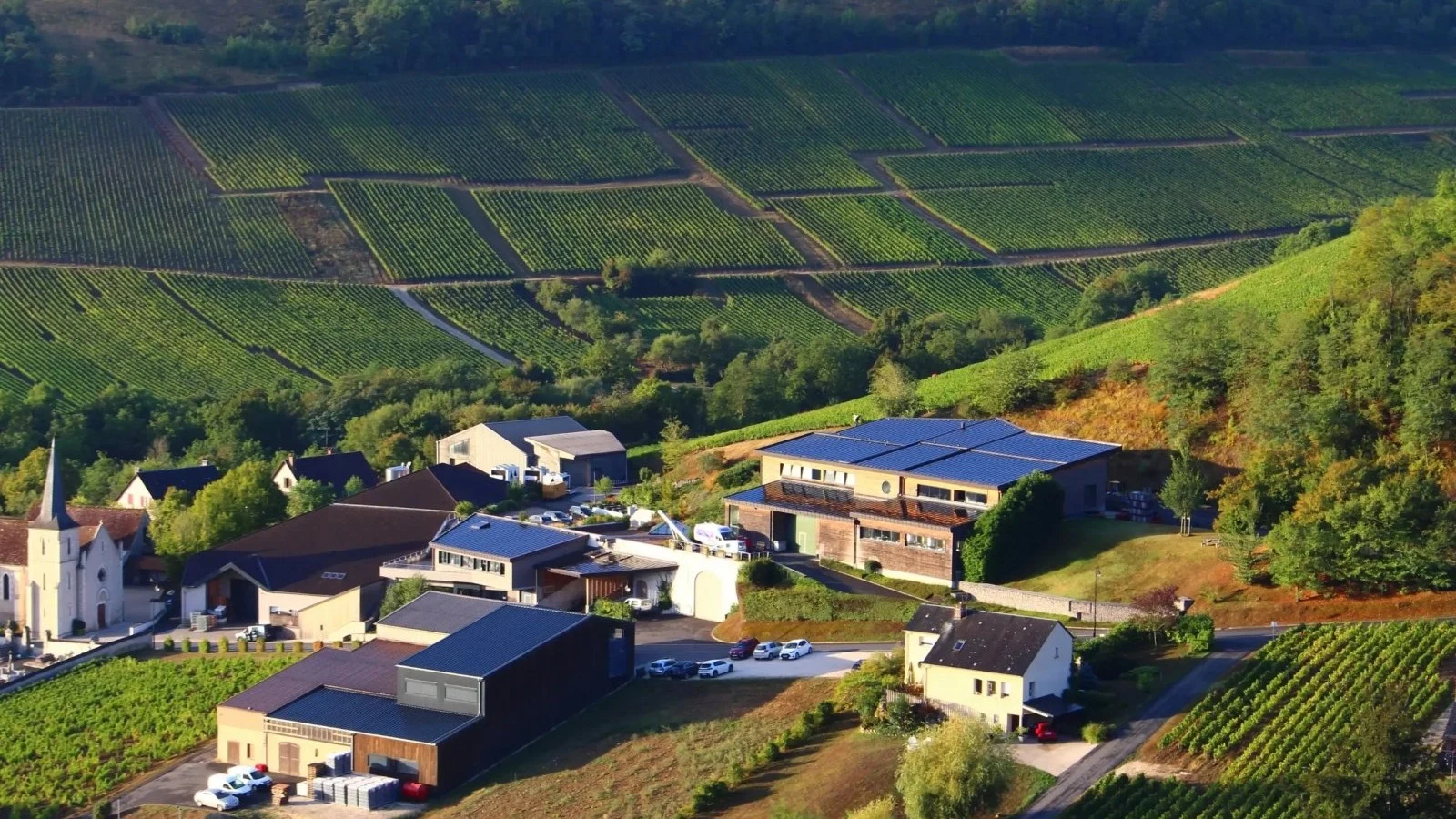
The cellar sits just below the hilltop town of Fucecchio, between Florence and Pisa, close enough to the old Tuscan routes to feel connected, quiet enough for vineyard work to keep its own pace. The setting is rural rather than staged: vineyards, estate buildings, traditional cellars, and the technology required to move a modern harvest without stripping it of origin. In the tasting room, the place reads through what the wines choose to emphasize, Sangiovese, limestone clay, sea-shell soils, and the patient neutrality of concrete.
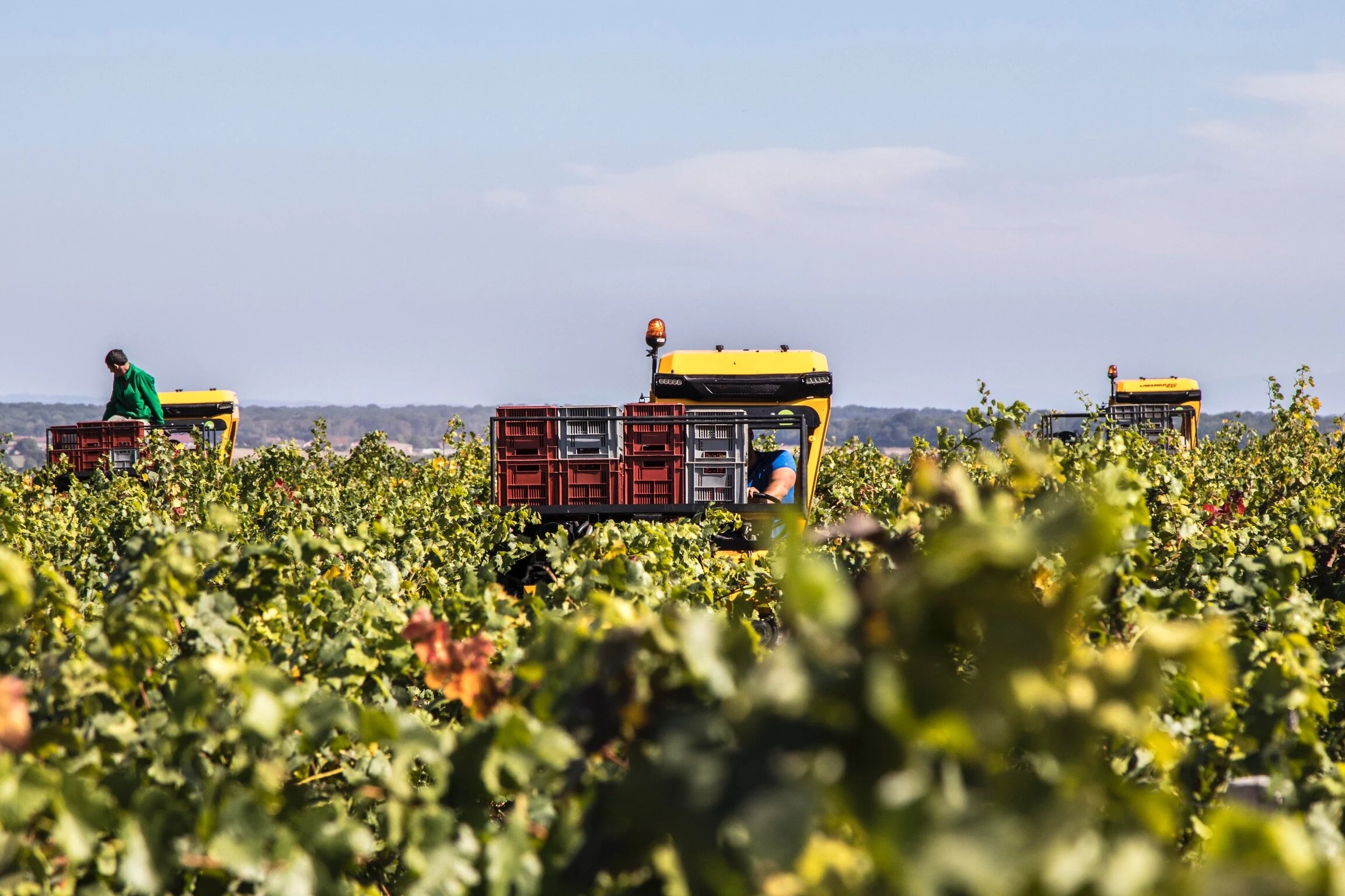
Montellori’s scale is not tiny; the estate produces between 150,000 and 300,000 bottles per year. That matters because the craft here is not scarcity theater. It is repetition under family custody, the same decisions made across enough wine to test whether a philosophy can hold. The current work continues through Alessandro Nieri, Giuseppe Bepi Nieri’s successor, and through bottles such as Dicatum 2021, Salamartano, Chianti, and Vin santo della signora.
Fucecchio, Tuscany, Italien
Fucecchio