- Falstaff Winery - Listed · 2026
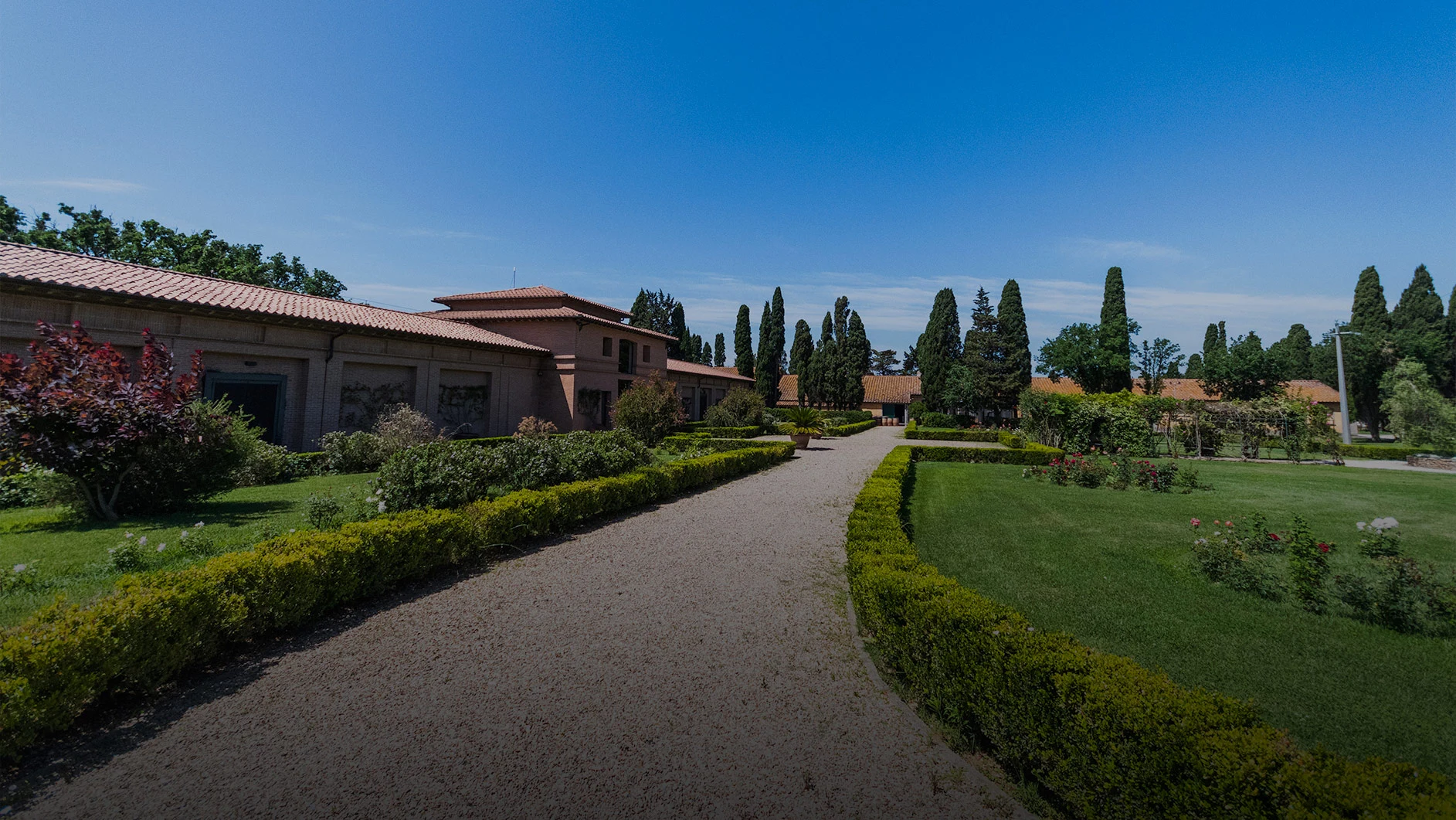
Fattoria Nannì in Montefano is best approached as a small organic farm winery rather than a polished destination estate. The picture is simple and specific: a rural hillside setting, a panoramic landscape, a warm welcome, and Verdicchio-focused whites presented in an intimate cellar. That narrow focus is the strength of the visit. Instead of building the experience around spectacle, the appeal is the chance to slow down with a small producer whose identity is tied to organic farming, local white wine, and a scenic country setting.
For travelers looking at Montefano as part of a Marche itinerary, Fattoria Nannì offers a quieter kind of wine stop. The tone is rustic and personal, with guests describing friendly hospitality and knowledgeable, owner-led tastings.
Verdicchio-focused whites in a small organic setting
The main draw at Fattoria Nannì is its Verdicchio-focused white wine identity. Verdicchio is one of the defining white grapes of the Marche, and here the description points to whites as the star of the tasting experience. That does not mean the page can responsibly promise a particular cuvée, aging method, tasting sequence, or technical cellar program; those details are not confirmed in the provided record. What is grounded is the narrower, more useful promise: this is a small organic farm winery where visitors come for white wines, a rural panorama, and a close conversation around the estate’s work.
That focus helps set expectations. Fattoria Nannì is not best framed as a large visitor complex, a restaurant, or a general drinks venue. It is more accurately described as a scenic, rustic winery stop where the cellar and the landscape carry the experience. The setting in the hills gives the visit a sense of remove from busier travel routes, while the intimate scale keeps attention on the wines and the people presenting them.
Organic farming is also part of the identity. The term should not be inflated into unsupported claims about specific vineyard practices, certifications, or production techniques beyond what is known, but it does matter for understanding the venue’s character. The experience is grounded in a farm-winery context: rural, agricultural, and small in feel. For guests who prefer direct, place-based hospitality over heavily staged tastings, that is the core reason to consider Fattoria Nannì.
A tasting format built around place, not performance
The hospitality at Fattoria Nannì is described by guests as warm, friendly, and knowledgeable. The record also supports owner-led tastings, which is an important part of the appeal. At a small winery, hearing about the wines from someone closely connected to the estate can make the visit feel more personal and less scripted.
The cellar is described as intimate, and that detail shapes the tone of the visit. Rather than imagining a large tasting hall or a luxury hospitality buildout, picture a closer, more personal encounter with a small organic winery. The setting is scenic and rural, with the panoramic landscape forming part of the memory of the tasting. For many visitors, that combination, countryside views, approachable hosts, and Verdicchio-focused whites, is the reason to go.
Pricing is listed at $20 per person. That gives the venue a clear cost reference without implying a specific package, number of pours, food component, or tour inclusion.
How to place it in a Montefano wine itinerary
Fattoria Nannì works well as a focused winery stop in Montefano for travelers who value small-scale hospitality and a scenic farm setting. It is especially well suited to visitors who want a personal introduction to Verdicchio-focused whites rather than a broad survey of Italian wine styles.
Montefano’s appeal is best understood through the surrounding countryside and regional wine culture. If you are building a day around the area, leave space for travel time, confirm practical details directly with the winery, and avoid assuming that every hospitality element will operate like a larger commercial tasting room. The available facts point to something more intimate: a small organic farm winery, a friendly welcome, a knowledgeable owner-led tasting, and a rustic panorama that frames the wines.
The editorial case for Fattoria Nannì is therefore specific and restrained. Go for organic, Verdicchio-focused whites in a scenic rural setting; go for the chance to meet a small producer in an intimate cellar; go because the experience is described as warm and personal. Do not choose it expecting a confirmed restaurant menu, a published technical tasting curriculum, or a luxury estate production. Its value is simpler: Montefano, countryside, organic farm-winery character, and a clear white-wine focus.
Questions
Frequently asked
Who works at Fattoria Nannì?
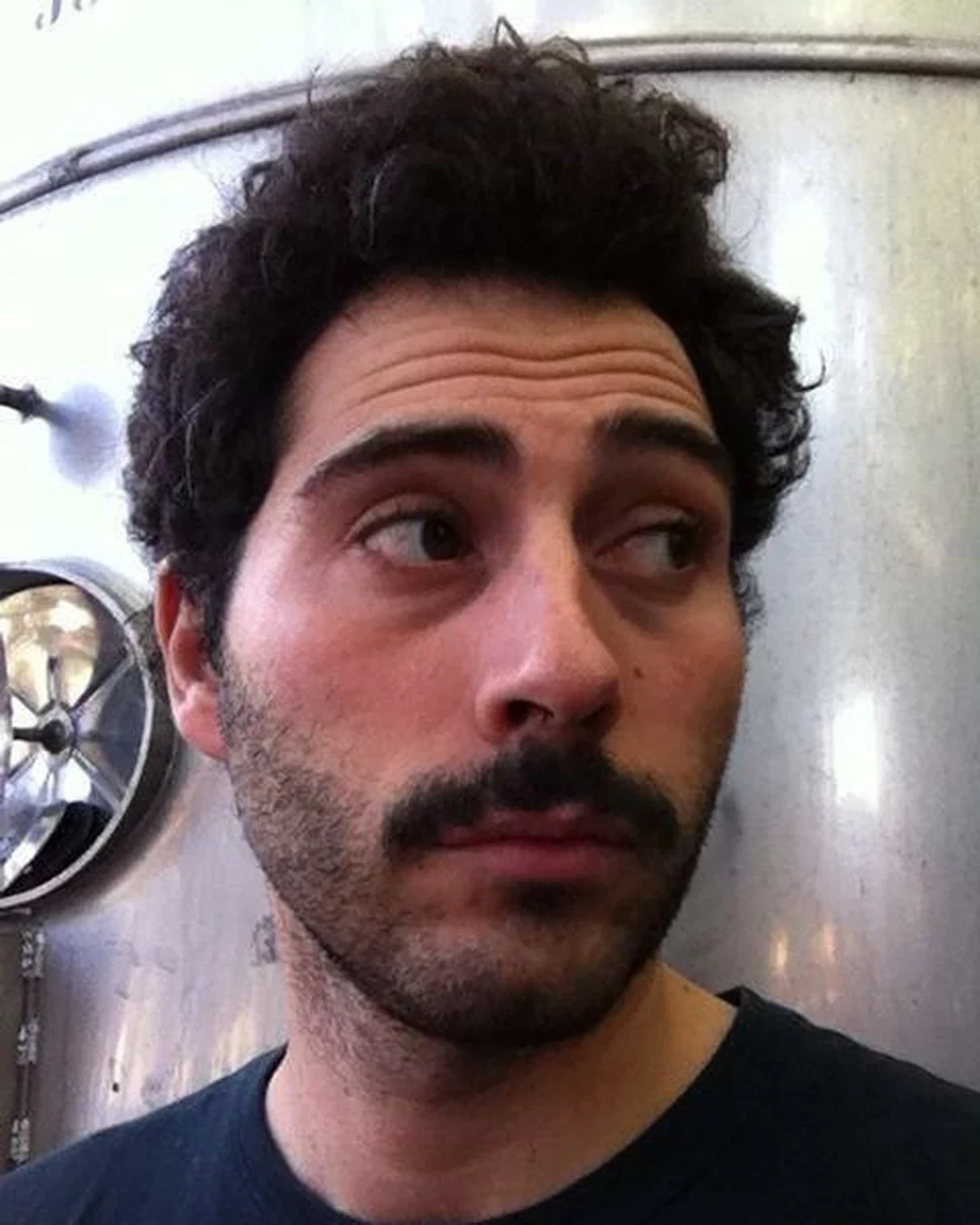
Made By profiles Roberto Cantori (Winemaker) at Fattoria Nannì.
How expensive is Fattoria Nannì?
Fattoria Nannì is listed at a price level of $.
The field
How it compares
| Place | Notes | Awards |
|---|---|---|
| Fattoria Nannì | Apiro / Jesi district, $ | · |
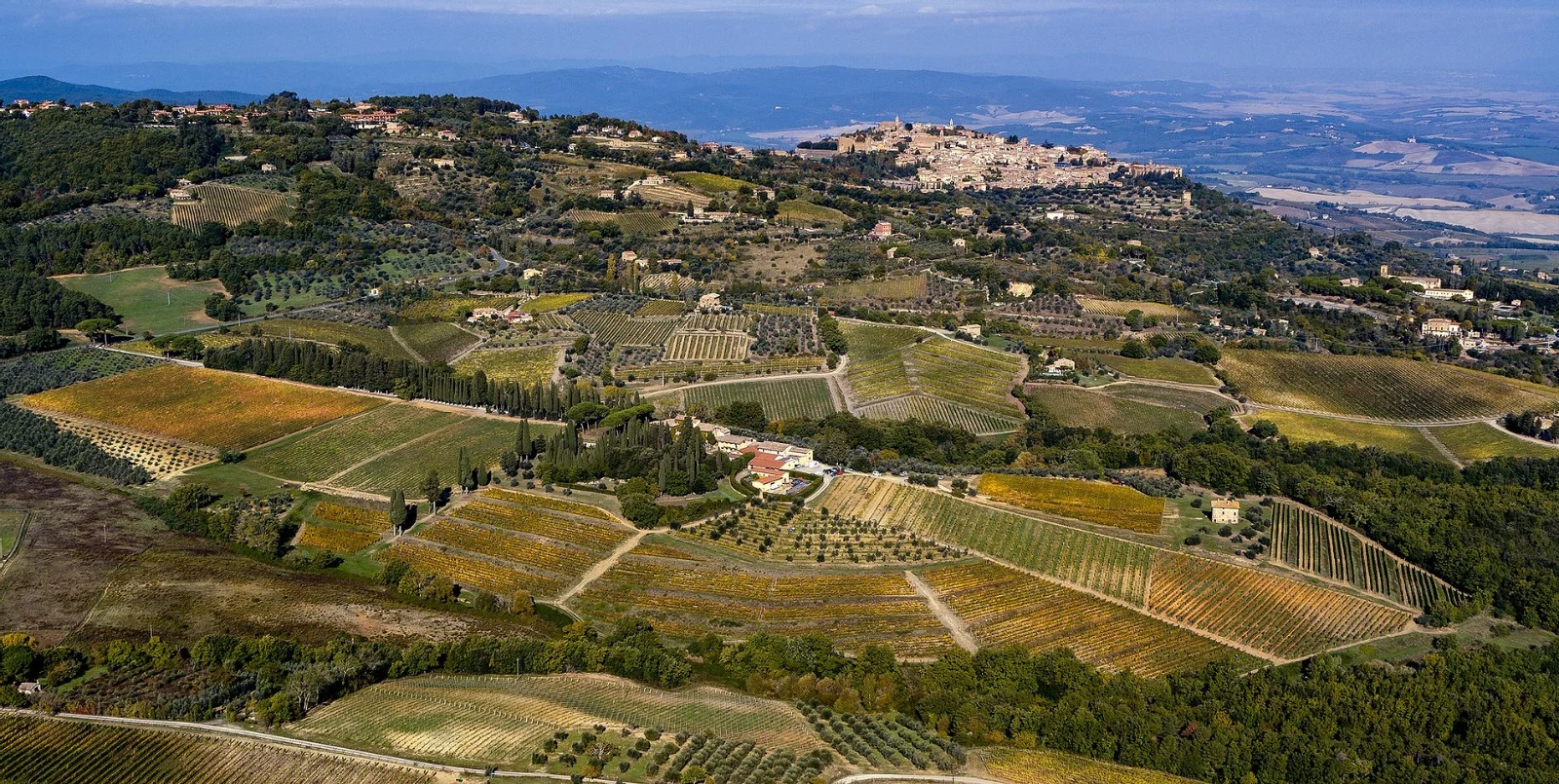
| Biondi-Santi Tenuta Greppo | Montalcino | · |
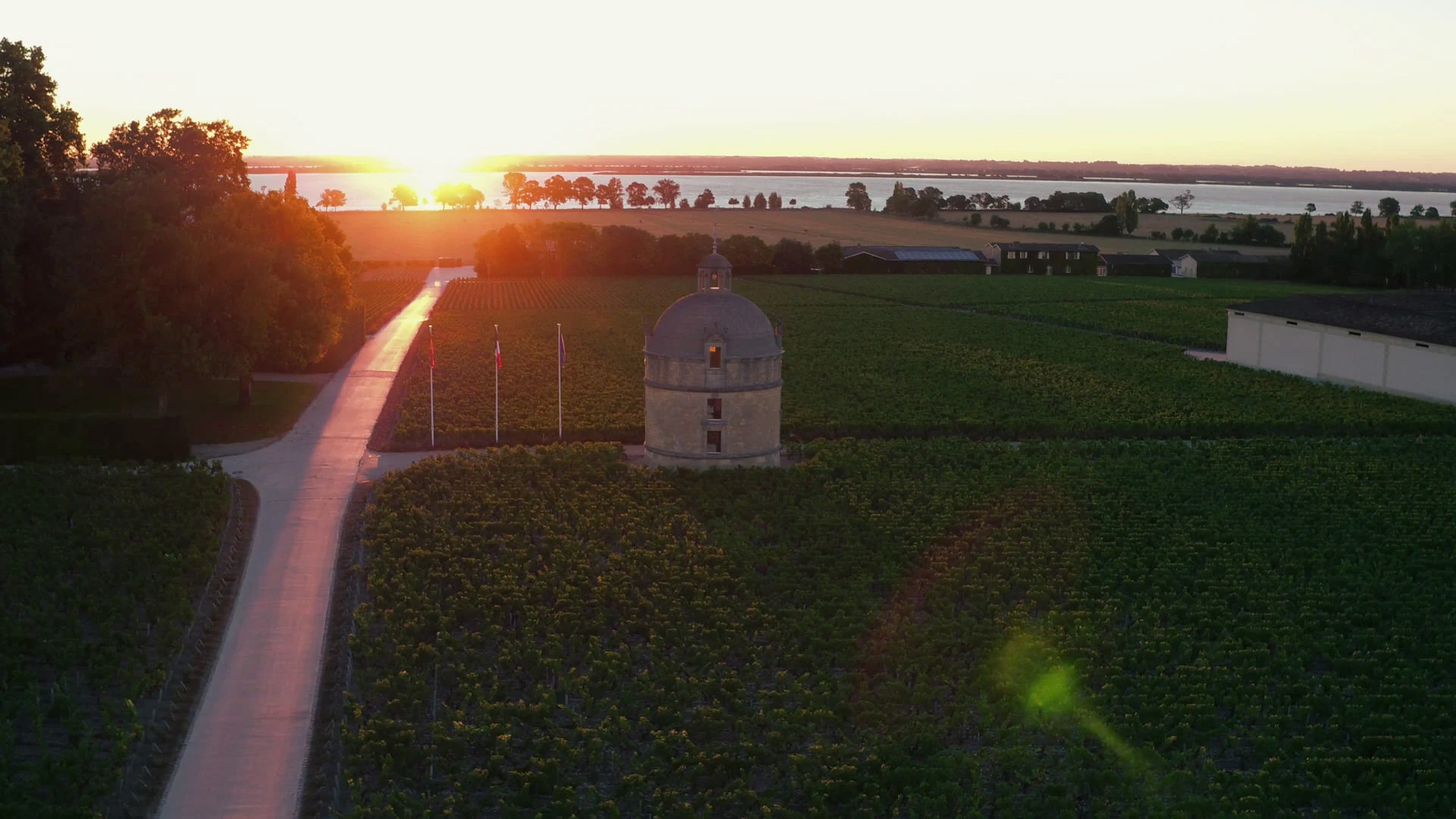
| Château Latour | Pauillac | · |
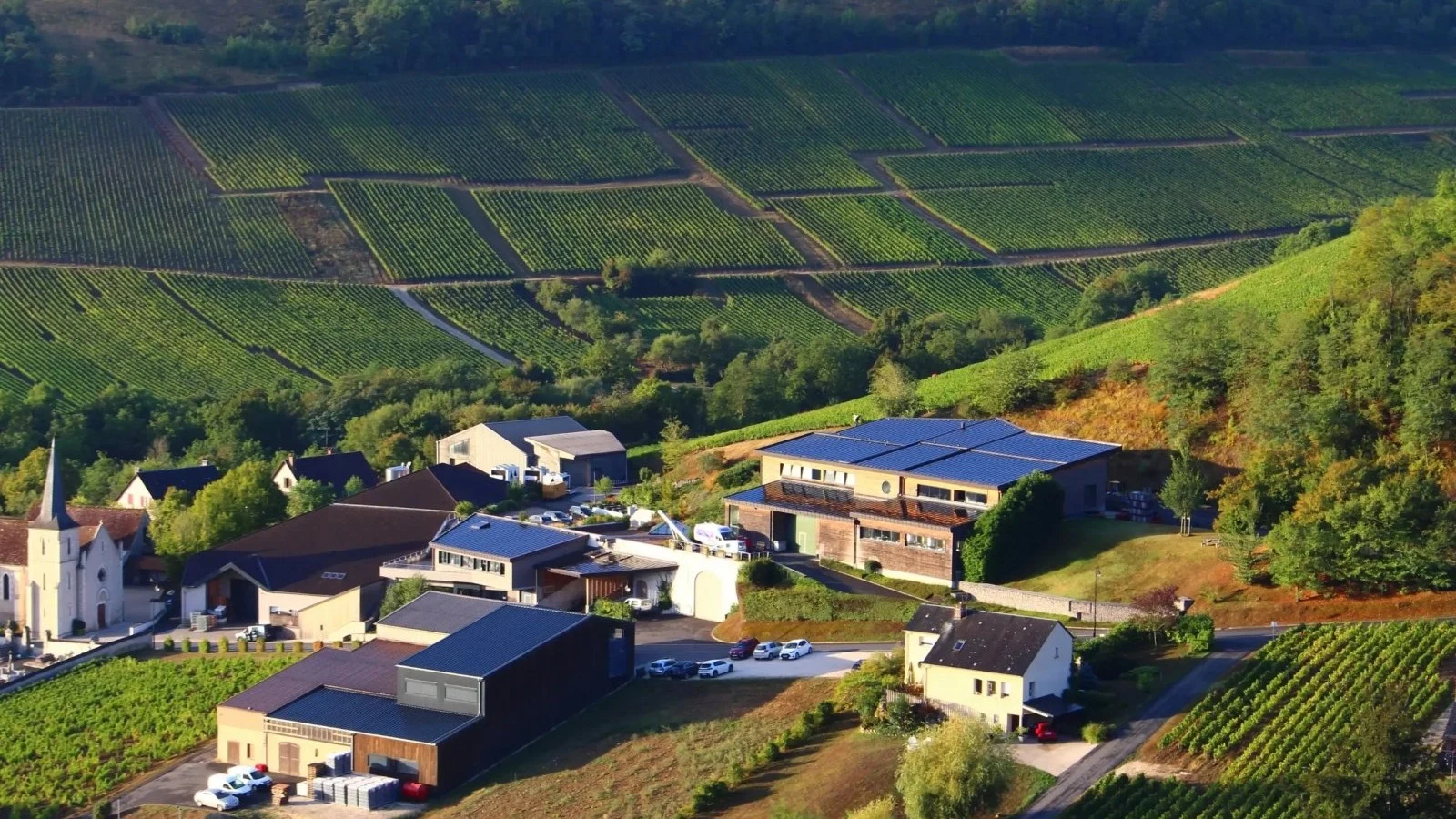
| Edmond Vatan | Vatan | · |
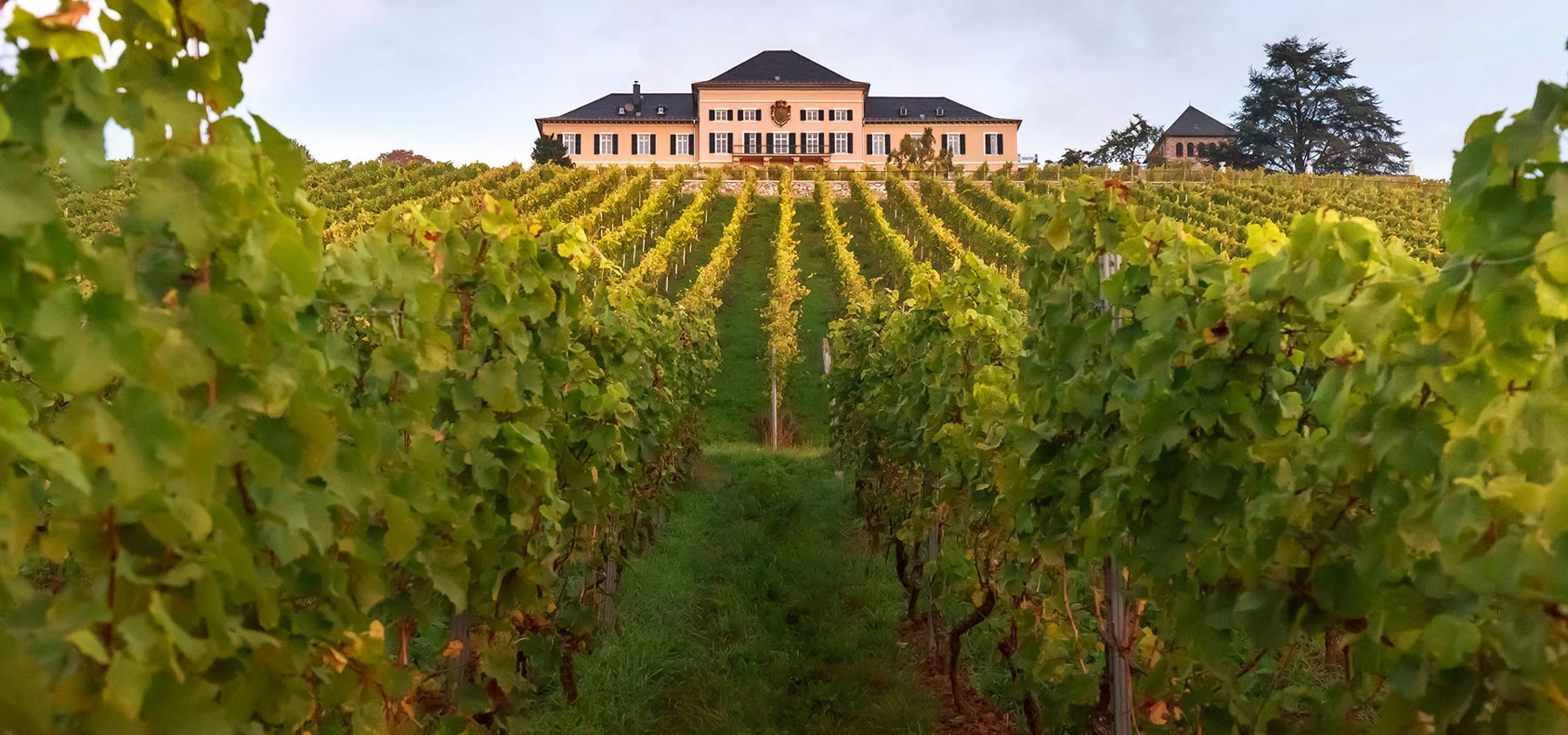
| Schloss Johannisberg | Geisenheim-Johannisberg | World's 50 Best |
| Taittinger | Reims | World's 50 Best |
| Tenuta San Guido | Bolgheri | · |