- Falstaff Winery - Listed · 2026
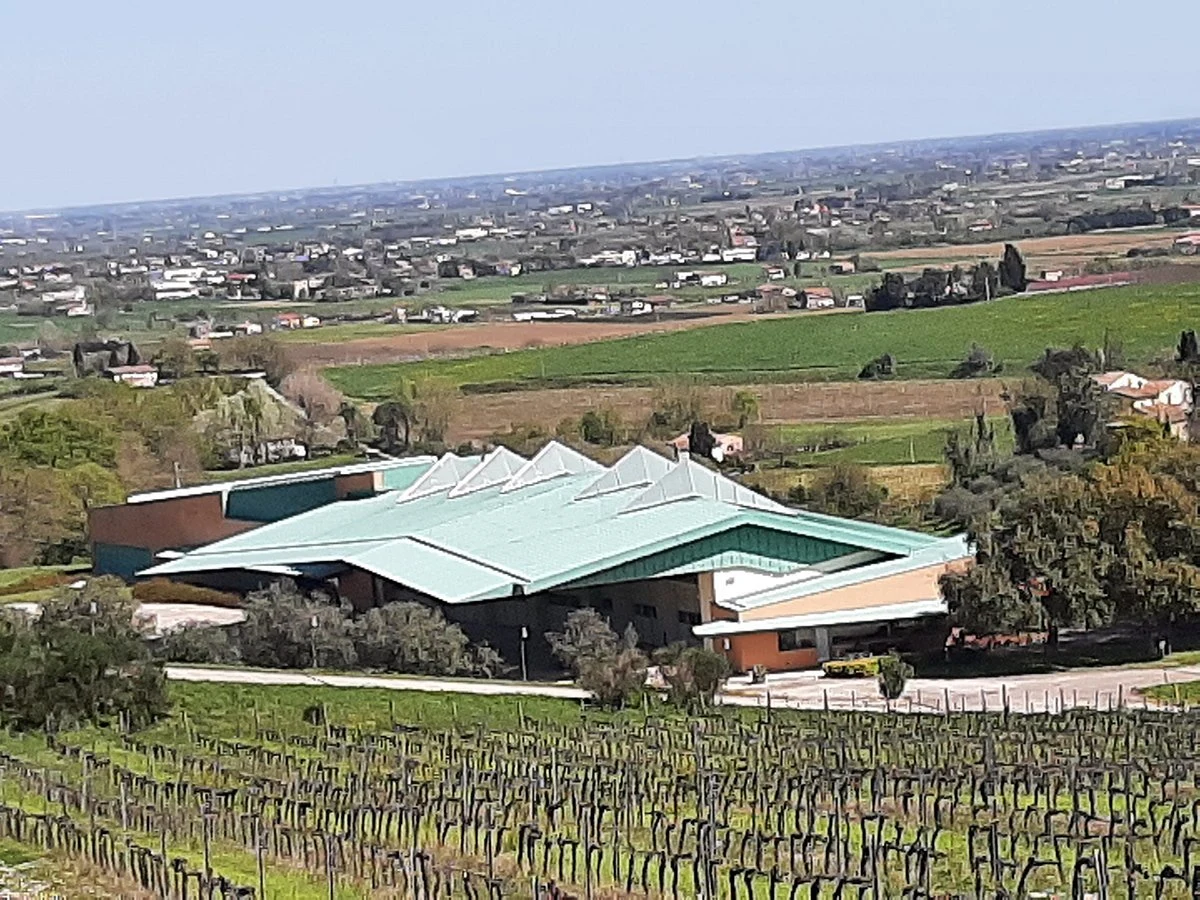
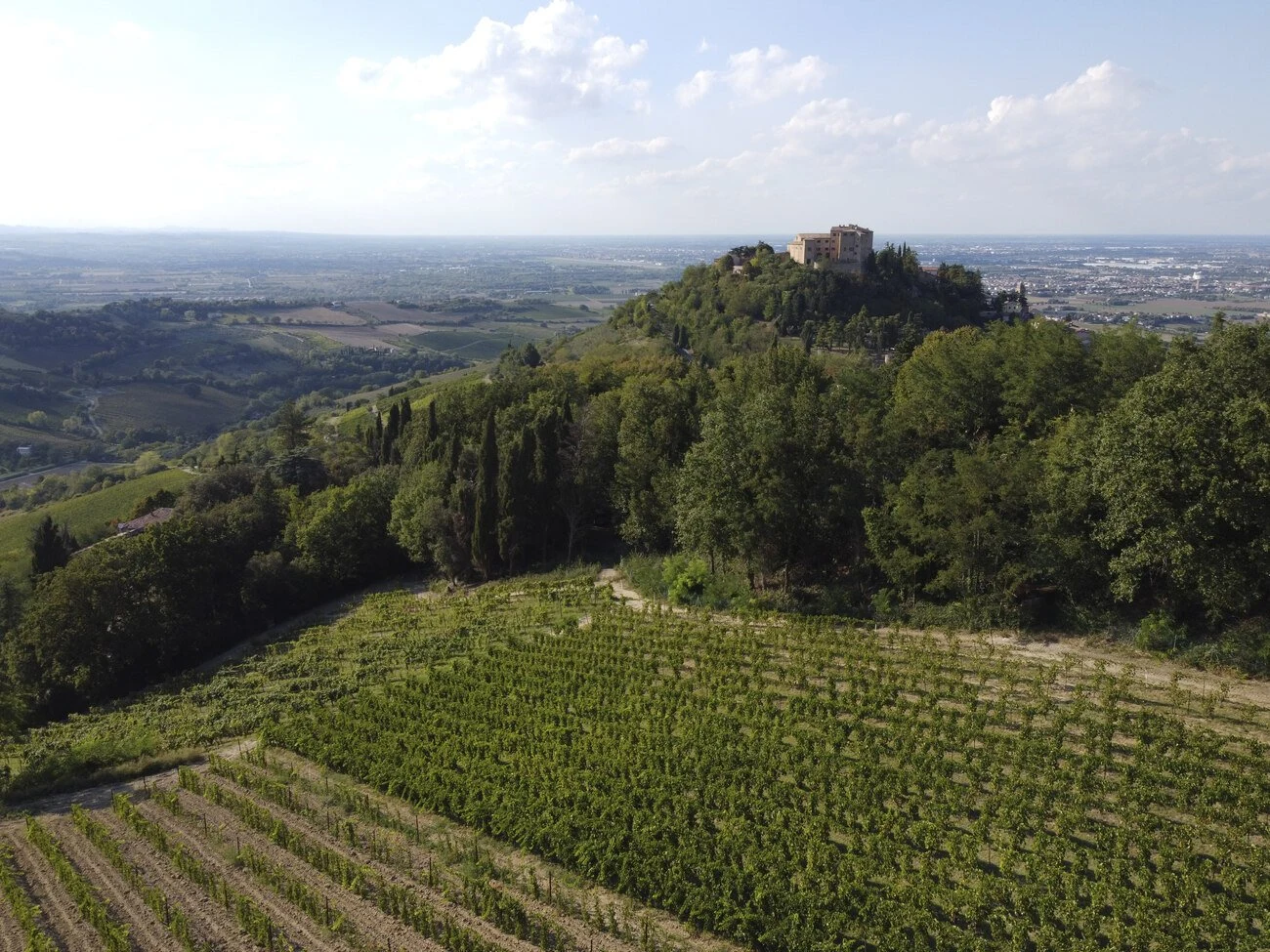
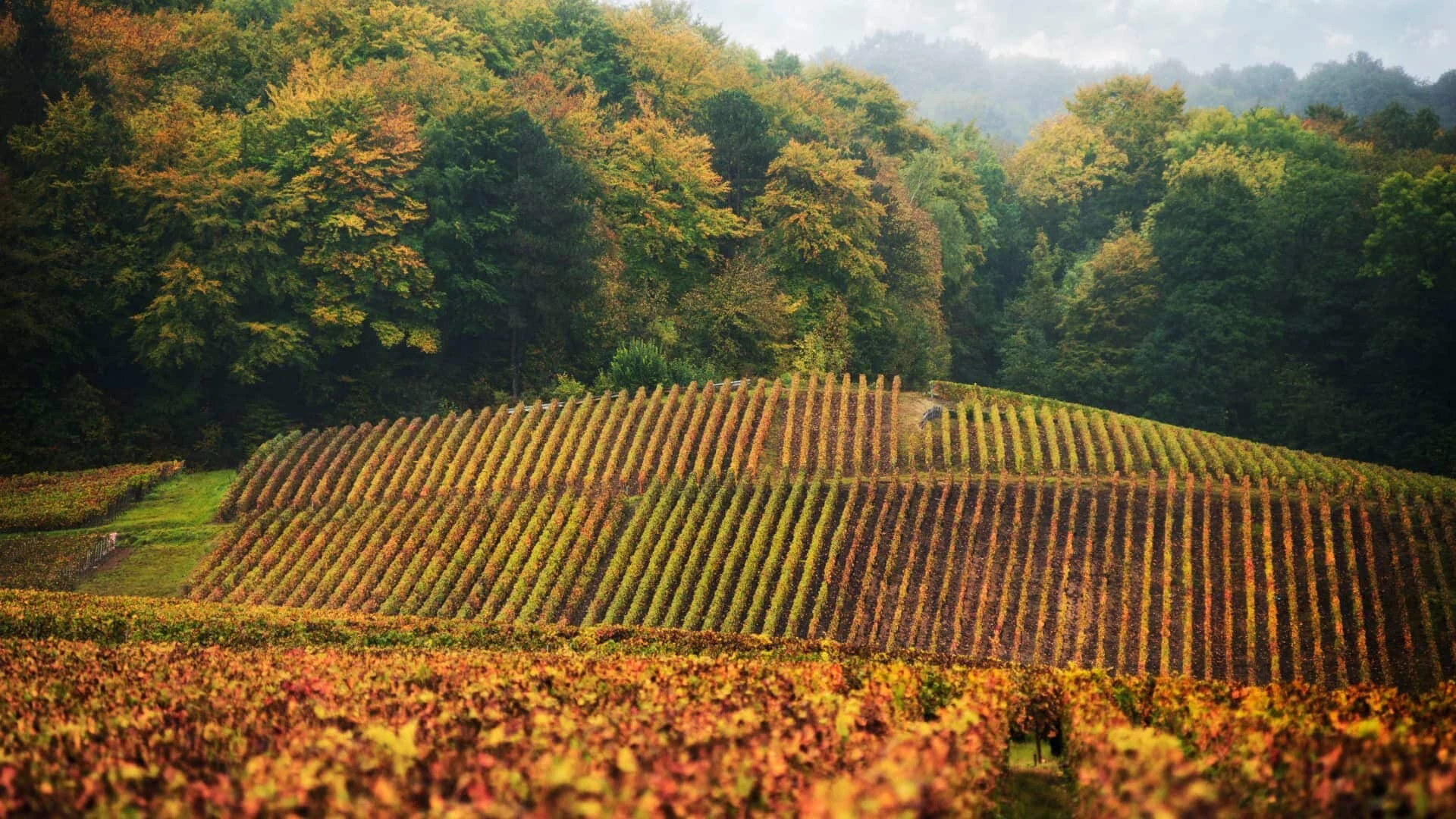
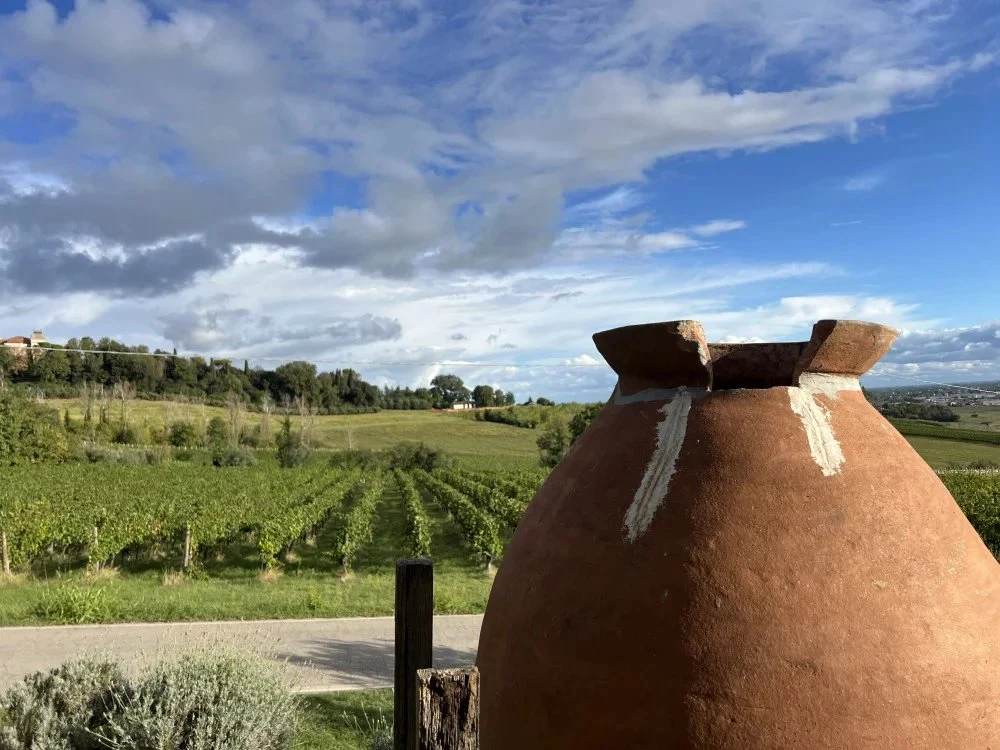
Approaching wine country in Bertinoro means moving from Emilia-Romagna’s plains toward the first folds of the Tosco-Romagnolo Apennines, where vineyards start to read less as scenery and more as argument. This is Romagna with altitude, clay, limestone, tuff, and Adriatic influence in the same frame. Fattoria Paradiso belongs to that hill-country tradition: a large historic estate where the visit is not only a tasting, but an explanation of why Bertinoro’s wines do not behave like simple regional footnotes.
The estate’s strongest claim is terroir, not spectacle. Its vineyard identity is built around multiple crus and a notably varied soil base: volcanic tuff, sulphurous rock, yellow sands, blue clay, marine fossils, limestone, chalk, and compact clay all appear in the estate’s documented parcels. Several cru wines sit in the 100–300 metre altitude band, a moderate elevation that matters in Romagna because warmth, hillside exposure, and maritime air need balance if Albana and Sangiovese are to carry freshness rather than weight alone.
Romagna soils, rare grapes, and the case for Barbarossa
Bertinoro’s wine culture is often read through Sangiovese and Albana, but the more interesting story here is genetic preservation. Fattoria Paradiso’s flagship Barbarossa traces back to 1954, when Mario Pezzi found an unusual vine in an old vineyard that was due to be removed. Scientific analysis and DNA testing later indicated that the vine did not belong to a known variety. The first wine under the Barbarossa name followed in 1968, giving the estate a rare proprietary identity grounded in a preserved vine rather than a marketing cuvée.
That matters because Italian wine has many estates with old buildings and scenic terraces; fewer have a grape story that changes the competitive logic of the visit. Barbarossa gives the tasting a specific anchor, while Albana Gentile di Bertinoro, Cagnina, Pagadebit, Sangiovese, and Chardonnay fill out a portfolio that stays close to Romagna’s agricultural memory. Albana Cru Vigna dell’Olivo DOCG is listed as 100% Albana Gentile di Bertinoro, while Barbarossa Cru Vigna Spungone is 100% Barbarossa. Vigna Molino Sangiovese Superiore DOC and Vigna Lepri Sangiovese Riserva Superiore DOC point to a more site-led reading of Sangiovese, with soil distinctions doing real editorial work.
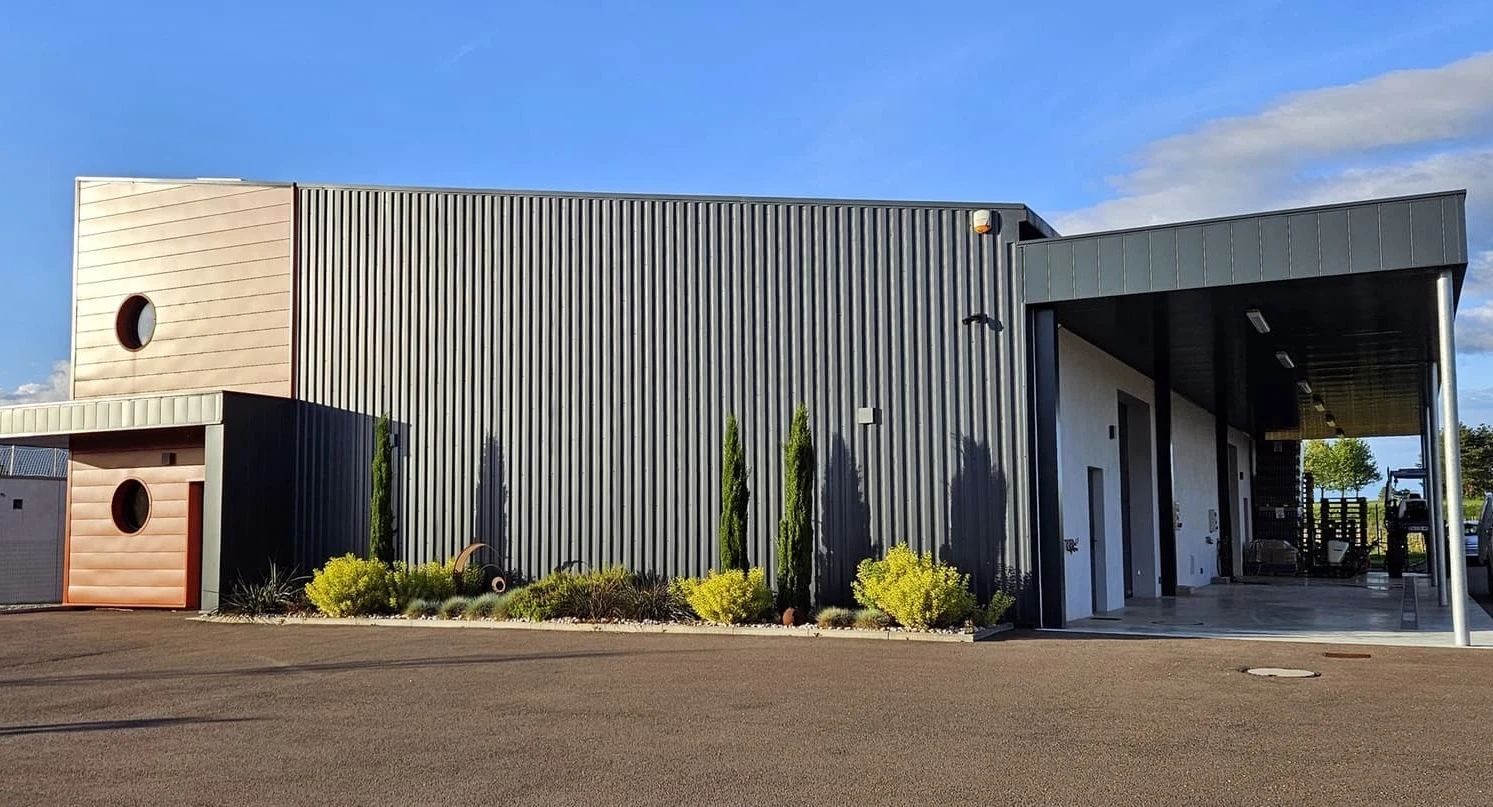
The cellar language is equally revealing. French and American barriques, steel and cement tanks, and large Slavonian oak barrels place the estate in a hybrid Italian mode: traditional materials retained, technical control added. A dedicated analysis laboratory and controlled aging conditions suggest a production culture that treats historic grapes with modern precision. Consultant associations with Giacomo Tachis, Roberto Cipresso, and Carlo Ferrini add a further trust signal; these are serious names in Italian winemaking, and their involvement points to an estate that has sought stylistic discipline rather than relying on heritage alone.
A hill estate that treats wine tourism as cultural interpretation
The visitor format is broad by winery standards. The estate combines guided tastings, cellar visits, vineyard and park access, a wine museum, historic buildings, guesthouses, terraces, swimming pools, and a vintage car and motorcycle collection. That range can sound diffuse on paper, but in Bertinoro it makes sense: the town’s appeal is not built on a single blockbuster monument, but on wine, hill views, agriculture, and hospitality layered together.
For the drinker, the useful distinction is that this is not a minimalist counter tasting designed only to sell bottles. The tour-and-tasting format connects vineyard, production cellar, aging cellar, and cultural material, so the wines arrive with context. The estate is especially well suited to visitors who want Romagna explained through grapes and place rather than through a rapid flight. It also works for groups and families, helped by on-site parking, outdoor areas, access provisions, and a hospitality model that includes children and dogs.
Sustainability is part of the production identity rather than a decorative claim. The estate is organically certified, uses lighter bottles, and sources more than 90% of its energy from renewable resources. In a large, multi-parcel property, those details matter because stewardship has to extend beyond vineyard rhetoric into packaging, energy, and cellar operations. The preservation of rare local grapes gives the environmental work a cultural dimension too: biodiversity here is not an abstract vineyard theme, but part of what ends up in the glass.
How to read the visit in Bertinoro
Fattoria Paradiso is a stronger choice for travellers who want a Romagna estate with depth than for those chasing a narrow luxury tasting format. The price level sits in the approachable middle bracket, and the experience is casual in dress but layered in content. Visits are reservation-led, with guided tasting, cellar tasting, and tour-and-tasting options; the listed tour duration runs 60–90 minutes, and hospitality is available in Italian, English, French, German, and Spanish. Payment flexibility, step-free access, and group capacity make the logistics easier than at many small rural cellars.
The main editorial caveat is scale. This is a large destination estate, not a tiny grower cellar where every detail is compressed into a single room. That scale is precisely why the museum, guest facilities, and vineyard infrastructure are possible, but it also means the appeal comes from the whole estate narrative rather than a stripped-back tasting-bar encounter. First-timers to Bertinoro should use the visit to understand the region’s native grapes and soils; repeat visitors will get more from comparing the cru bottlings and the way Barbarossa sits apart from familiar Sangiovese expectations.
For wider planning in the area, keep Fattoria Paradiso in conversation with Bertinoro’s broader wine and hospitality scene: Our full Bertinoro wineries guide, Our full Bertinoro restaurants guide, Our full Bertinoro hotels guide, Our full Bertinoro bars guide, and Our full Bertinoro experiences guide help place the estate within the town’s wider rhythm. Nearby winery reading includes Bissoni, Celli, Giovanna Madonia, and Tenuta La Viola. For a wider Italian and European winery lens, see 3GP SRL in Treviso, 47 Anno Domini in Trebaseleghe, A Mano Wine in Noci, a6mani in Fragagnano, »der Steiner« Hans Steiner in Podersdorf am See, and & Handwein in Mannheim.
Questions
Frequently asked
Who works at Fattoria Paradiso?
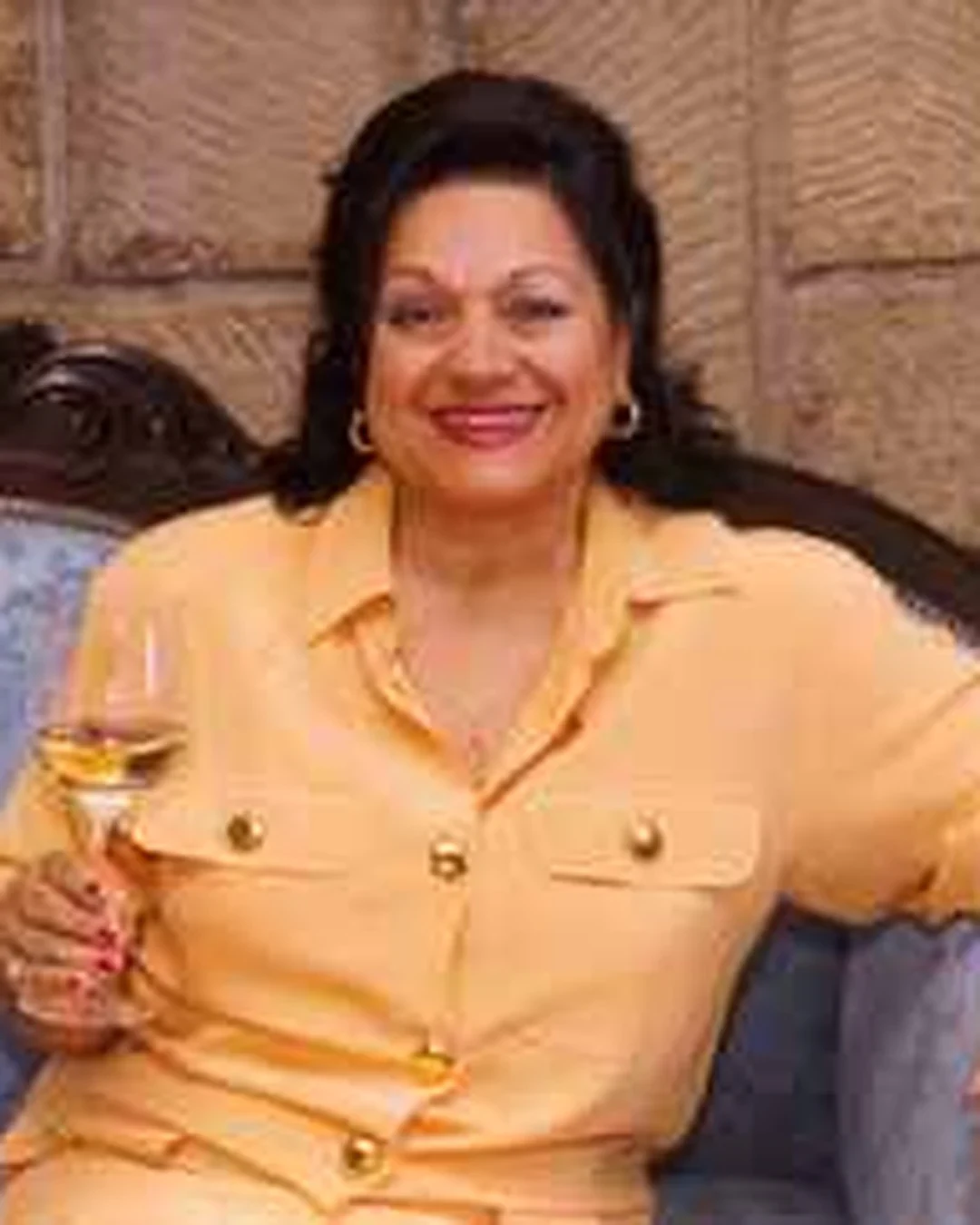
Made By profiles Graziella Pezzi (Winemaker) at Fattoria Paradiso.
How expensive is Fattoria Paradiso?
Fattoria Paradiso is listed at a price level of $$.
The field
How it compares
| Place | Notes | Awards |
|---|---|---|
| Fattoria Paradiso | Bertinoro, $$ | · |
| Bissoni | Bertinoro | · |
| Celli | Bertinoro | · |
| Domaine Roulot | Meursault | · |
| Giovanna Madonia | Bertinoro | · |
| Ruinart | Reims | World's 50 Best |
| Tenuta La Viola | Bertinoro | · |