Fauststoff is a winery in Eltville am Rhein. Explore its production and use its official website for current tasting and visitor details.
- Falstaff Winery - Listed · 2026
Parcels kept separate
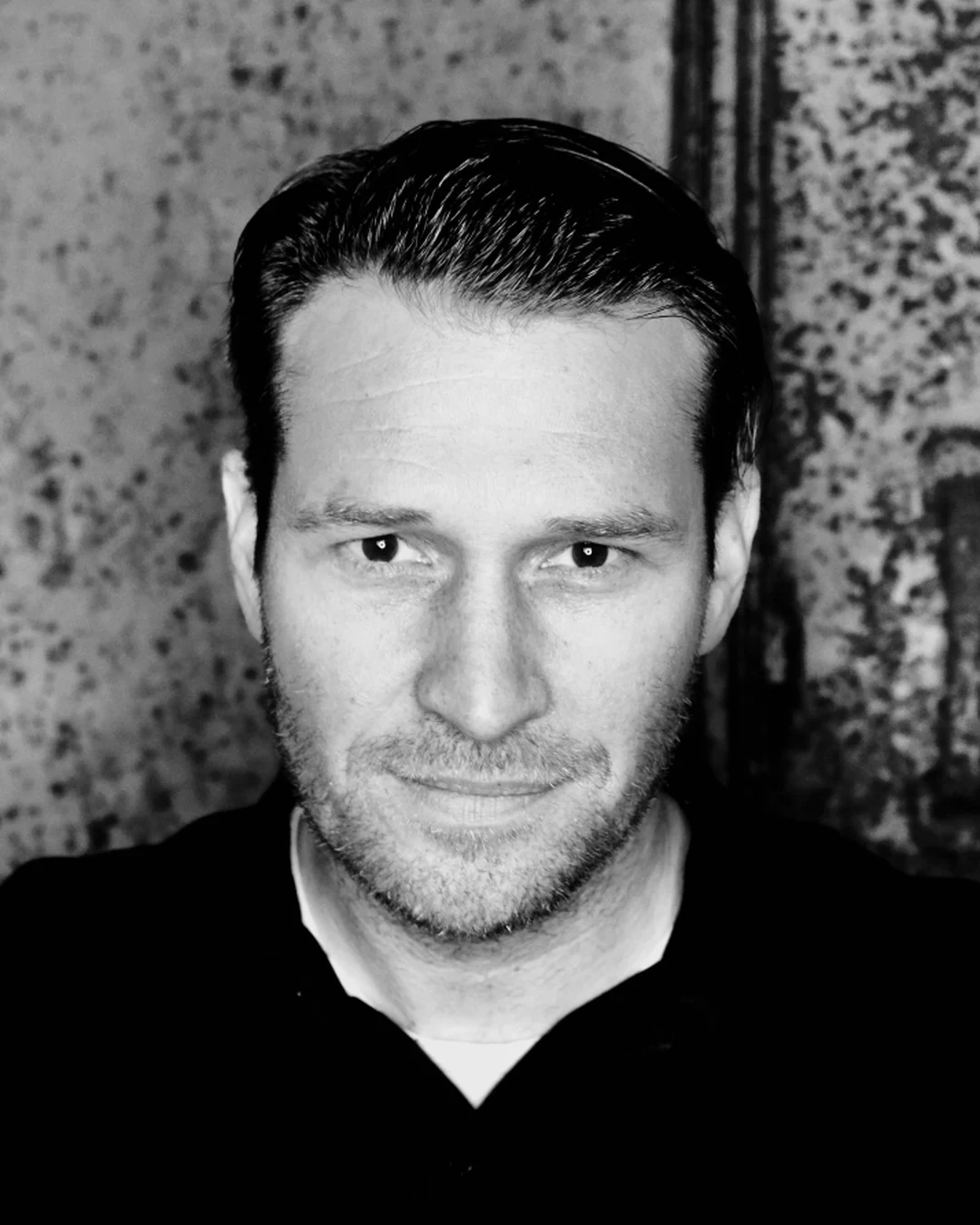
Julian Faust keeps Riesling at the center as winemaker at Fauststoff in Martinsthal, Eltville am Rhein, returning the family estate to work in 2019. At the bench-side of this small Rheingau winery, the act is not expansion for its own sake, but separation: parcels held apart, wines developed with enough patience for site to come through. Julian Faust is the only named maker publicly tied to the revived house, and the lineage reaches back to his grandfather, Alfred Heuser, who established the winery before Faust brought it back into operation. That family thread matters here because the scale is narrow enough for it to remain visible. Fauststoff works at about 5,000 bottles per year, a volume that keeps the cellar close to the vineyard rather than abstracting it into a brand. The known focus is Riesling from small, sharply defined Rheingau parcels, including Rüdesheimer Bischofberg, Johannisberger Hölle, Rauenthaler Berg, and Magdalenenkreuz. Faust’s role since 2019 reads as a sustained study of one grape, one region, and one recovered address.
Six months on full lees
The method at Fauststoff is built around parcel identity and time in a traditional cellar. The winery develops small lots separately so that each wine can carry its own typicity, rather than disappearing into a general Rheingau profile. The strongest cellar fact is the vaulted space itself: more than 100-year-old stone, used for maturation, with the wines spending six months on full lees. For Riesling, that choice matters. Lees time can give shape without needing loud extraction, and the vaulted cellar gives the work a slower register than stainless efficiency alone would suggest. Fauststoff’s discipline is not breadth. It is repetition with distinctions held intact.
The cellar and the Straußwirtschaft
The place around the work keeps the same scale as the cellar program. Fauststoff sits as a small family estate in Eltville-Martinsthal, with a vaulted cellar below and a simple Straußwirtschaft character above ground. The outdoor area has the plain ease of a Rheingau wine garden rather than a designed tasting stage; the focus stays with the glass, the vineyard names, and the hands that have brought the house back into use. Conversation can hold its own here. Nothing in the setting asks to compete with the wine. In the cellar, the stone and the lees time give the wines their quiet frame; outside, the beer-garden style seating keeps the estate close to village life and seasonal drinking.
A small house, still being built
Fauststoff’s next visible marker is regional rather than theatrical: for Schlemmerwochen 2026, the winery is set to open its gates and pour its wines. That is an apt scale for a house working the long way, through restored family ground, small parcels, and Riesling held on full lees in the 100-year-old vaulted cellar.
Questions
Frequently asked
Who makes the wine at Fauststoff?
Julian Faust is the winemaker at Fauststoff in Martinsthal. He returned to the family estate in 2019, and the line goes back to his grandfather, Alfred Heuser, who established the winery before Faust brought it back into operation.
What does Fauststoff focus on?
Fauststoff keeps Riesling at the centre, working from small Rheingau parcels. The named sites include Rüdesheimer Bischofberg, Johannisberger Hölle, Rauenthaler Berg and Magdalenenkreuz.
How are the wines made?
The winery keeps parcels separate and develops the wines with patience so that site can come through. They mature in a more than 100-year-old vaulted cellar and spend six months on full lees.
Can you visit Fauststoff without an appointment?
Visits are by appointment only. Parking is on the street.
The field
How it compares
| Place | Notes |
|---|---|
| Fauststoff | Martinsthal, $$ |
| Offenstein Erben | Eltville am Rhein |
| Weingut Egert | Eltville am Rhein |
| Weingut Irene Söngen | Eltville am Rhein |
| Weingut Kisselbach | Eltville am Rhein |
| Weingut Stefan Gerhard | Eltville am Rhein |
| Weinhof Martin | Eltville am Rhein |