- Falstaff Winery - 3 Stars · 2026
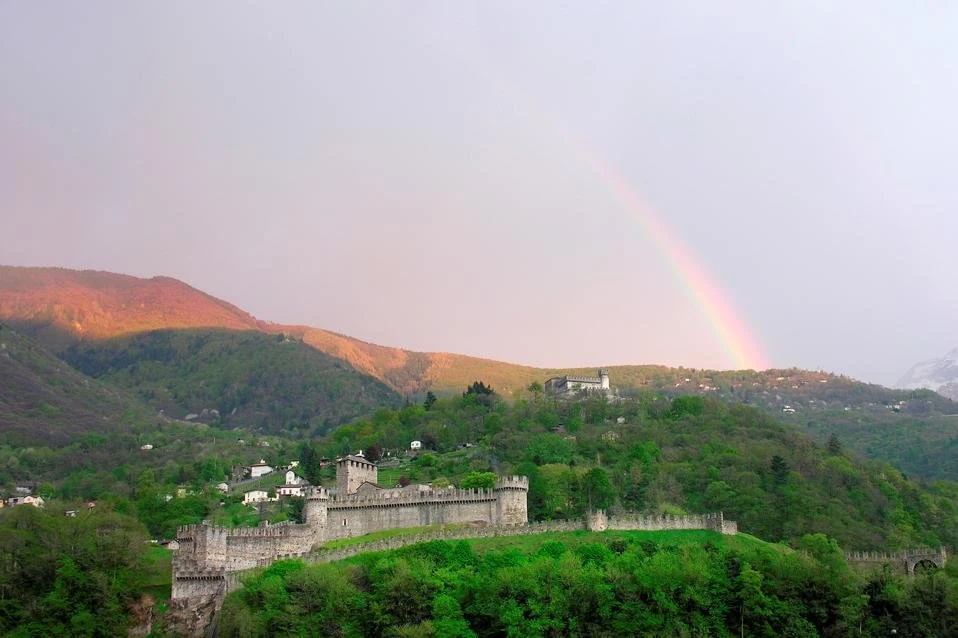
Approaching wine in Mendrisio means reading the slopes first. Fawino Sagl is best understood as a small, owner-operated Ticino winery with a working-cellar feel, where the visit is framed less by design or luxury cues than by vineyards, terroir-driven wines, and the rural setting on the slopes of Monte Generoso and Monte San Giorgio. In that sense, the venue sits naturally within a kind of wine travel where the landscape is not background decoration but the main reference point: the rise of the hills, the agricultural setting, and the sense of a cellar connected to its immediate surroundings all matter as much as any formal tasting-room polish. The appeal is quiet rather than spectacular, rooted in the idea that a glass of wine here should be understood through the place around it.
Hillside Ticino, interpreted through a working cellar
Fawino Sagl belongs to a quiet, site-focused register of Mendrisio wine travel. The picture is not one of a grand estate or a heavily staged hospitality experience, but of a compact winery where the emphasis is on vineyard context and the character of the place. That distinction is important, because it shapes the way to approach a visit. This is not a stop to judge primarily by grand architecture, choreographed service, or elaborate presentation. It is better read as a small producer’s environment, where the cellar, the surrounding countryside, and the wines are part of the same modest, practical story.
That makes the atmosphere an important part of the appeal. Visitors should expect an authentic, laid-back rural mood rather than a design-led experience. The setting on the slopes of Monte Generoso and Monte San Giorgio gives the visit its strongest frame: vineyard, terrain, and wine are the core story. The surrounding hills give a sense of why the place matters, and they help explain why Fawino Sagl is most compelling for travellers who like to connect what they are drinking to the ground it comes from. The experience is less about being impressed from a distance and more about paying attention to the relationship between wine and site.
Specific details such as individual cuvées, production scale, awards, founding history, opening hours, and visit formats should be confirmed directly with Fawino Sagl before planning a visit. What is clear is the broad identity: a small Ticino winery in Mendrisio focused on vineyards and terroir-driven wines. That broad identity is enough to set expectations accurately, even without overloading the profile with unsupported particulars. Fawino Sagl should be understood as a focused, locally grounded winery rather than a catch-all destination, and the practical side of any visit is best handled by checking directly with the producer before going.
A visit context for people who want the vineyard in the glass
Fawino Sagl is a good fit for drinkers who value a working cellar feel over polished theatre. The experience is grounded in the rural character of Mendrisio and the surrounding slopes, with the vineyard setting doing much of the explanatory work. For visitors, that means the most rewarding approach is attentive and unhurried: look to the landscape, consider the hillside context, and treat the wines as expressions of that setting rather than as isolated labels. The winery’s small-scale, owner-operated character supports this kind of visit, where the charm lies in closeness to the place rather than in a heavily produced hospitality format.
The most useful expectation is simplicity. Rather than approaching Fawino Sagl as a luxury wine stop, approach it as a small producer where the point is to understand how the landscape around Mendrisio shapes the wines. For travellers comparing options, other dining in Mendrisio can be considered generically, but Fawino Sagl’s appeal is its laid-back, owner-operated cellar atmosphere. It is the kind of venue that makes sense for people who are more interested in the vineyard in the glass than in a polished destination experience, and who are comfortable with a rural setting where the essential elements are cellar, slope, and wine.
For broader planning, treat Fawino Sagl as a focused Mendrisio winery visit and confirm practical arrangements directly before going. The available information supports a concise profile: $$ pricing, a rural Ticino setting, and a visit centered on vineyards, terroir, and the working-cellar character of the place. Within those boundaries, the draw is clear. Fawino Sagl offers a way to experience Mendrisio wine through a compact, unforced lens, with the hills of Monte Generoso and Monte San Giorgio providing the natural context and the winery’s modest scale keeping attention on the essentials.
Questions
Frequently asked
Who works at Fawino Sagl?
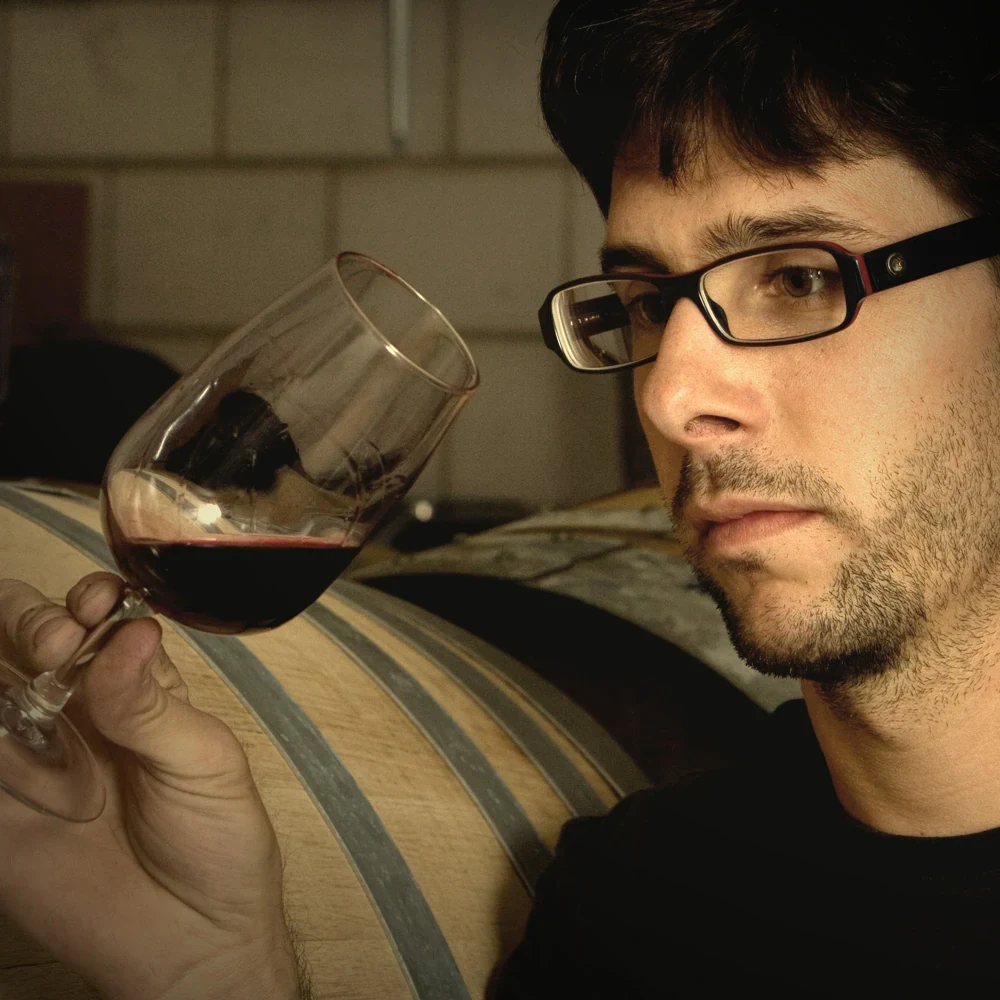
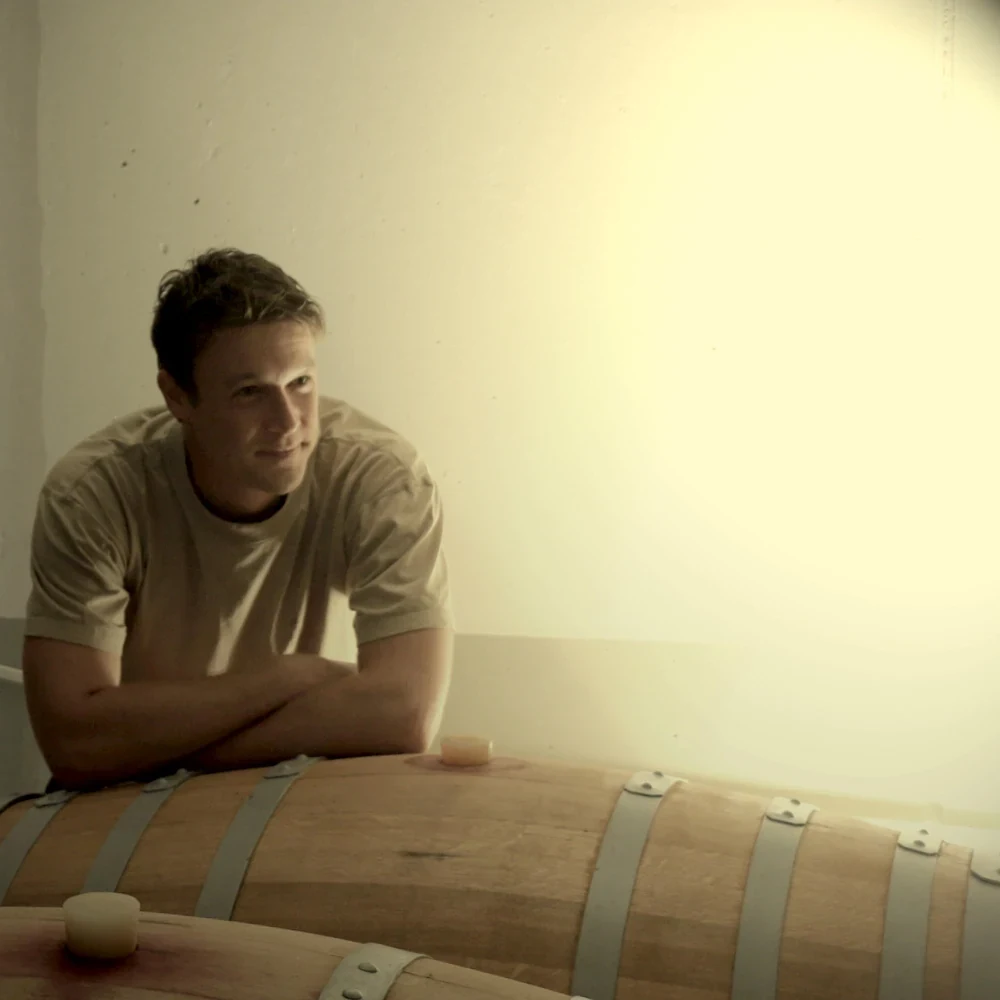
Made By profiles Claudio Widmer (Partner and Oenologist) and Simone Favini (Partner and Oenologist) at Fawino Sagl.
How expensive is Fawino Sagl?
Fawino Sagl is listed at a price level of $$.
The field
How it compares
| Place | Notes | Awards |
|---|---|---|
| Fawino Sagl | Mendrisiotto, $$ | · |
| Brivio Vini | Mendrisio | · |
| Cantina Mendrisio società cooperativa | Mendrisio | · |
| Catena Zapata | Agrelo | World's 50 Best |
| Gialdi Vini SA | Mendrisio | · |
| Paolo Basso Wine Sagl | Mendrisio | · |
| Valsangiacomo Vini | Mendrisio | · |