- Falstaff Winery - 3 Stars · 2026
In the Manduria countryside, Felline is best understood as a working winery rather than a polished hospitality set piece. Its atmosphere is rustic, classic, and somewhat hidden, with the focus placed on Primitivo, other native Puglian grapes, tastings, and wine education rather than elaborate design. That distinction matters for setting expectations: the reason to come is not to be surrounded by a heavily staged visitor experience, but to spend time in a place whose identity is tied to local wine culture. Felline reads most clearly as a countryside stop where the essentials of the visit are the wines, the grapes behind them, and the chance to approach Manduria through tasting rather than through spectacle.
Manduria's Primitivo identity, approached through a winery visit
Felline sits within Manduria, with Primitivo central to its profile. The appeal here is not a specific technical claim about vineyards, cellar work, or individual bottlings, but the broader setting: a Manduria countryside winery where Primitivo is central to the visit. In practical terms, that means the winery works well for travelers who want to connect the name Manduria with the grape that so strongly defines the area’s wine reputation, without needing the visit to be framed by luxury cues or elaborate interpretation.
For travelers, that makes Felline a useful stop when the goal is to understand the local wine identity in a direct, grounded way. The experience should be framed around tasting and learning rather than restaurant-style service, architectural spectacle, or a highly designed tasting-room narrative. Its value is in the relatively direct contact with the wines and the place: a chance to slow down, taste with attention, and place Primitivo within the landscape and culture of Manduria instead of treating it as an abstract label encountered elsewhere.
What can be said confidently is that Felline is a working winery in Manduria focused on Primitivo and native Puglian grapes. That may sound simple, but it is also the clearest way to understand the visit. The point is not to overcomplicate the experience with unsupported detail, but to recognize that the winery’s appeal comes from its rootedness in the area and from a style of hospitality that appears secondary to the wine itself.
Native Puglian grapes beyond Primitivo
Felline should not be read only through the lens of Primitivo. The profile also points to other native Puglian grapes, which gives the winery a broader regional frame without requiring unsupported claims about specific varieties, labels, or historical milestones. This wider focus helps position the visit as a way into Puglia’s local grape culture more generally, with Primitivo as the most obvious anchor but not the only point of interest.
That broader native-grape focus is part of why Felline can appeal to visitors who want more than a simple glass-by-glass stop. The draw is educational: a direct winery context where Manduria’s wine culture can be approached through local grapes and tasting-led conversation. For visitors who are curious but not necessarily technical wine specialists, this kind of setting can be especially useful because the learning happens through the tasting itself, supported by the surroundings and the winery’s regional focus rather than by a more formal or theatrical presentation.
The atmosphere remains practical rather than ornate. Felline’s strongest identity is as a rustic, classic countryside winery with an authentic feel, not as a luxury design destination or a restaurant built around elaborate service. That rustic quality should be understood as part of the appeal rather than as a limitation, especially for travelers who prefer wine experiences that feel close to the production context and relatively unvarnished in tone.
How the visit fits into a Manduria wine itinerary
Felline fits best into a Manduria itinerary for travelers who want a focused winery visit centered on Primitivo, native Puglian grapes, tastings, and wine education. It is a better match for wine-curious visitors than for anyone looking primarily for a dining room, nightlife venue, or highly produced hospitality experience. In an itinerary, it functions as the kind of stop that gives structure to a day built around the area’s wine identity: not a diversion from Manduria’s wine culture, but a direct encounter with it.
For a broader city plan, use our Manduria wineries guide alongside Manduria restaurants, hotels, bars, and experiences guides. Other dining and wine options in Manduria can be considered generically as part of the same trip, but Felline’s role is clear: a countryside winery stop with a direct, authentic focus on local wine. Approached with that expectation, it is best seen as a grounded complement to the rest of a Manduria visit, particularly for travelers who want the wine portion of the trip to feel connected to place, grape, and regional character rather than to a more polished hospitality formula.
Questions
Frequently asked
Who works at Felline?
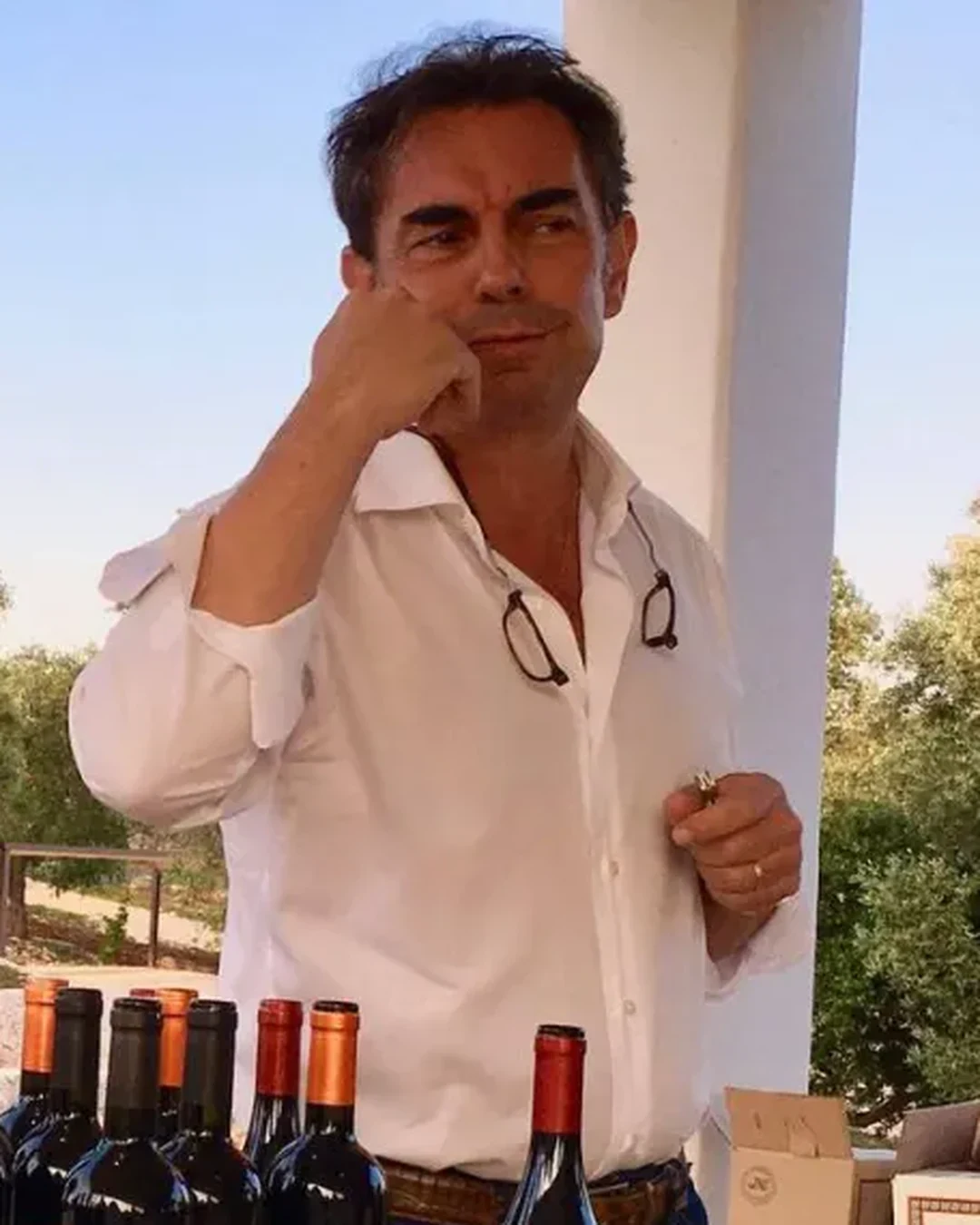
Made By profiles Gregory Perrucci (Winemaker) at Felline.
How expensive is Felline?
Felline is listed at a price level of $$.
The field
How it compares
| Place | Notes |
|---|---|
| Felline | Manduria, $$ |
| Accademia dei Racemi | Manduria |
| Cantolio Manduria | Manduria |
| Colle al Vento | Manduria |
| Manduria alt | Manduria |
| Masseria Cuturi | Manduria |
| Produttori di Manduria | Manduria |