Feudo Disisa
- 01CityPalermo, Italy
- Falstaff Winery - Listed · 2026
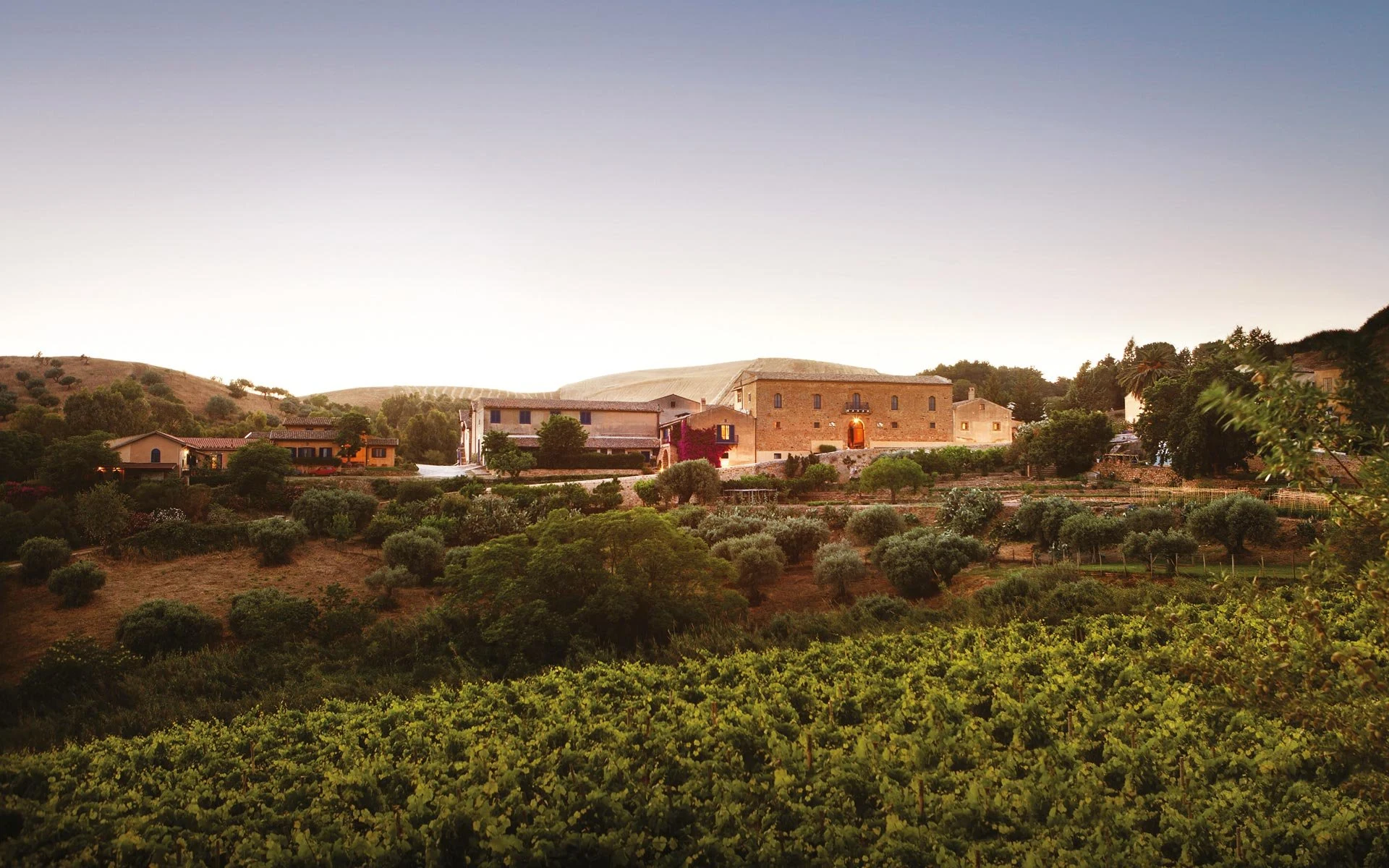
The approach to Feudo Disisa belongs to inland Sicily rather than coastal Palermo: valleys, olive groves, vineyard rows, and the sense of a working agricultural estate before the tasting begins. This is not the polished urban tasting-room model that has spread through European wine tourism. It is a Monreale estate format, where architecture, farming, altitude, and family continuity carry as much weight as the glass.
Palermo’s wine conversation often gets flattened into Sicily at large, but the hinterland tells a more precise story. Around Monreale and Alcamo, elevation and exposure matter. Feudo Disisa works from a 400-hectare family property dedicated to vines and olive trees, with vineyards associated with the DOC Monreale, DOC Sicilia, and IGT Sicilia frameworks. That mix gives the estate room to speak in two registers: local grapes that belong to western Sicily, and international varieties that have been adapted to this inland climate over time.
Monreale terroir, read through native grapes and long-planted Chardonnay
The estate’s most useful lens is terroir expression. The land sits in hill country shaped by sand-and-clay soils, breezes, and elevation, conditions that support freshness in whites and structure in reds. Catarratto, Insolia, Grillo, Nero d’Avola, and Perricone place the portfolio firmly inside Sicily’s native vocabulary. Chardonnay, Syrah, Cabernet Sauvignon, Fiano, and Müller-Thurgau show the other side of the estate’s identity: experimentation without severing the local context.
The Chardonnay point is more than a novelty. Feudo Disisa is associated with some of Sicily’s earliest and oldest Chardonnay plantings, including fruit from 40-year-old vines for a single-vineyard bottling. In a region more often read through Grillo, Catarratto, Nero d’Avola, and volcanic Etna narratives, that gives the estate a different place in the Sicilian map. The better reading is not “international grape in Sicily,” but “international grape interpreted through Monreale’s inland conditions.”
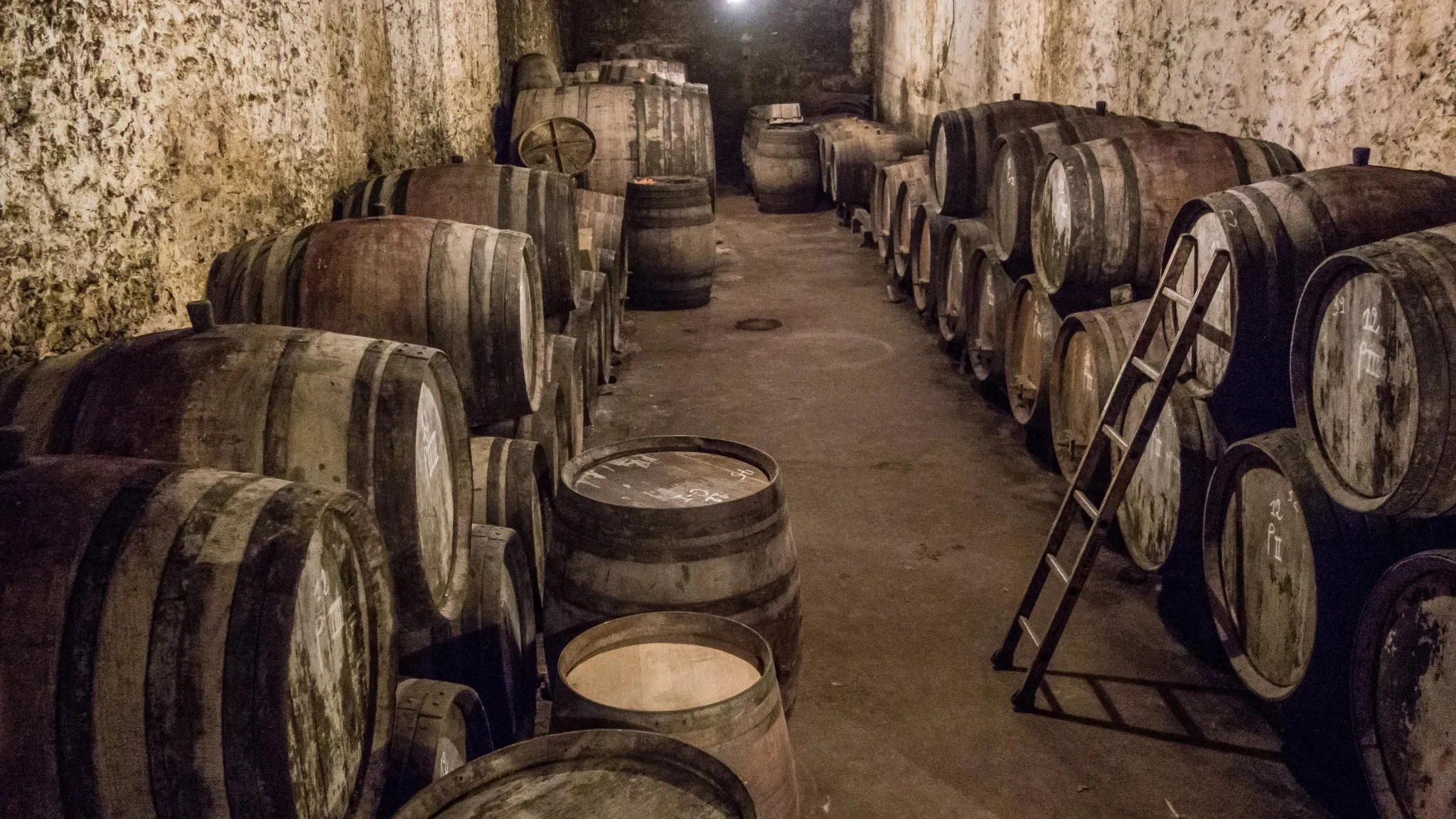
Winemaking follows a pragmatic split. Stainless steel is used across multiple wines where clarity and freshness are the point, while French barrique appears in more structured bottlings. Vuaria, a DOC Monreale Nero d’Avola, spends 14 months in barrique; Roano, a Syrah, spends 12 months in French barrique; the single-vineyard Chardonnay is fermented and aged in French oak before bottle aging. Krysos, a late-harvest Grillo dessert wine, adds another expression of the estate’s range through stainless-steel maturation and bottle age. The result is a portfolio that does not force a single style onto every grape.
A historic baglio gives the tasting context, not stagecraft
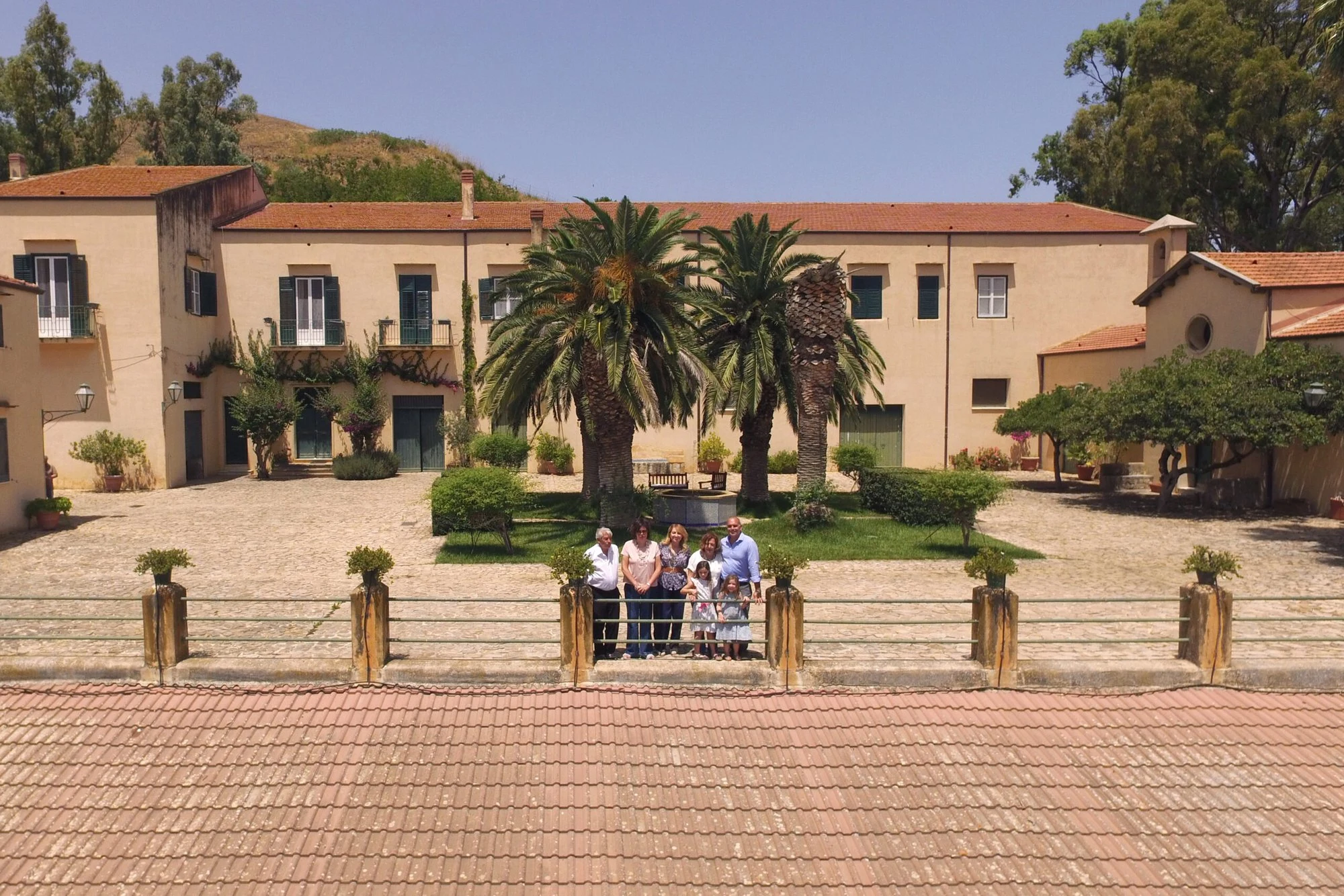
The hospitality format is strongest when read as agricultural interpretation. The estate experience includes a seventeenth-century baglio, vineyards, olive groves, modern winery spaces, and guided tastings, often centered on the I Territoriali line. That sequence matters: architecture first, production second, wine third. It teaches visitors that the estate is a rural system rather than a tasting counter with scenery attached.
Feudo Disisa has been tied to the Di Lorenzo family since 1867 and is presented as a fifth-generation family wine estate. The property’s longer historical narrative reaches back to the feudal history of Monreale, with the land associated with ecclesiastical holdings before modern Italian unification. Those details are useful because they explain the tone of the visit: continuity, landholding, crops, and local memory rather than luxury performance.
The wine range is broad enough for different levels of attention. I Territoriali covers the more accessible expression of Sicilian grapes and blends, including Grillo, Nero d’Avola, Chara, and Adhara. The single-vineyard and estate-focused bottlings carry more structure and aging intent. The i tesori range adds local legend to the portfolio through wines such as Lu Bancu, Grecu di Livanti, and Granmassenti, while Krysos places late-harvest Grillo in the dessert-wine category. The names may carry folklore, but the stronger argument remains agricultural: grape, soil, elevation, and cellar choices.
Stewardship here is better understood through continuity than certification language. The estate farms vines and olive trees across a large property, and olive growing is part of the historical agricultural identity of the Grisì area. Feudo Disisa is also associated with organic production philosophy, though the more defensible point for visitors is visible land use: vineyards and olive groves handled as part of one estate economy.
How to place it within a Palermo wine itinerary
Feudo Disisa suits travelers who want Palermo’s wine culture to extend beyond the city table. The estate is especially relevant for drinkers interested in Monreale, inland western Sicily, and the relationship between native varieties and long-running international plantings. It is also a sound choice for groups and families who prefer a quiet estate setting over a city tasting format.
For a wider view of Palermo-area wine, pair this page with Our full Palermo wineries guide. Nearby Sicilian planning can also include Di Bella, Marchesi de Gregorio, Spadafora, Tasca d’Almerita, and Tenute Tozzi - Sicilia, each useful for understanding how Palermo’s wine orbit stretches from estate agriculture to more formal regional labels.
The broader Palermo trip should not stop at cellars. Use Our full Palermo restaurants guide for the city’s dining context, Our full Palermo hotels guide for where to base the trip, Our full Palermo bars guide for drinking after dinner, and Our full Palermo experiences guide for cultural planning around the wine day.
For readers mapping wine estates beyond Sicily, the Italian and European directory can widen the frame: 3GP SRL in Treviso, 47 Anno Domini in Trebaseleghe, A Mano Wine in Noci, »der Steiner« Hans Steiner in Podersdorf am See, and & Handwein in Mannheim. Feudo Disisa belongs in that conversation as a Sicilian estate where the visit is grounded in land, altitude, vines, olives, and a family agricultural line extending back to the nineteenth century.
Questions
Frequently asked
How expensive is Feudo Disisa?
Feudo Disisa is listed at a price level of $$.
The field
How it compares
| Place | Notes |
|---|---|
| Feudo Disisa | Monreale, $$ |
| Château Rayas | Châteauneuf-du-Pape |
| Di Bella | Palermo |
| Marchesi de Gregorio | Palermo |
| Spadafora | Palermo |
| Tasca d’Almerita | Palermo |
| Tenute Tozzi - Sicilia | Palermo |