Made ByRestaurant
Fifty Seconds
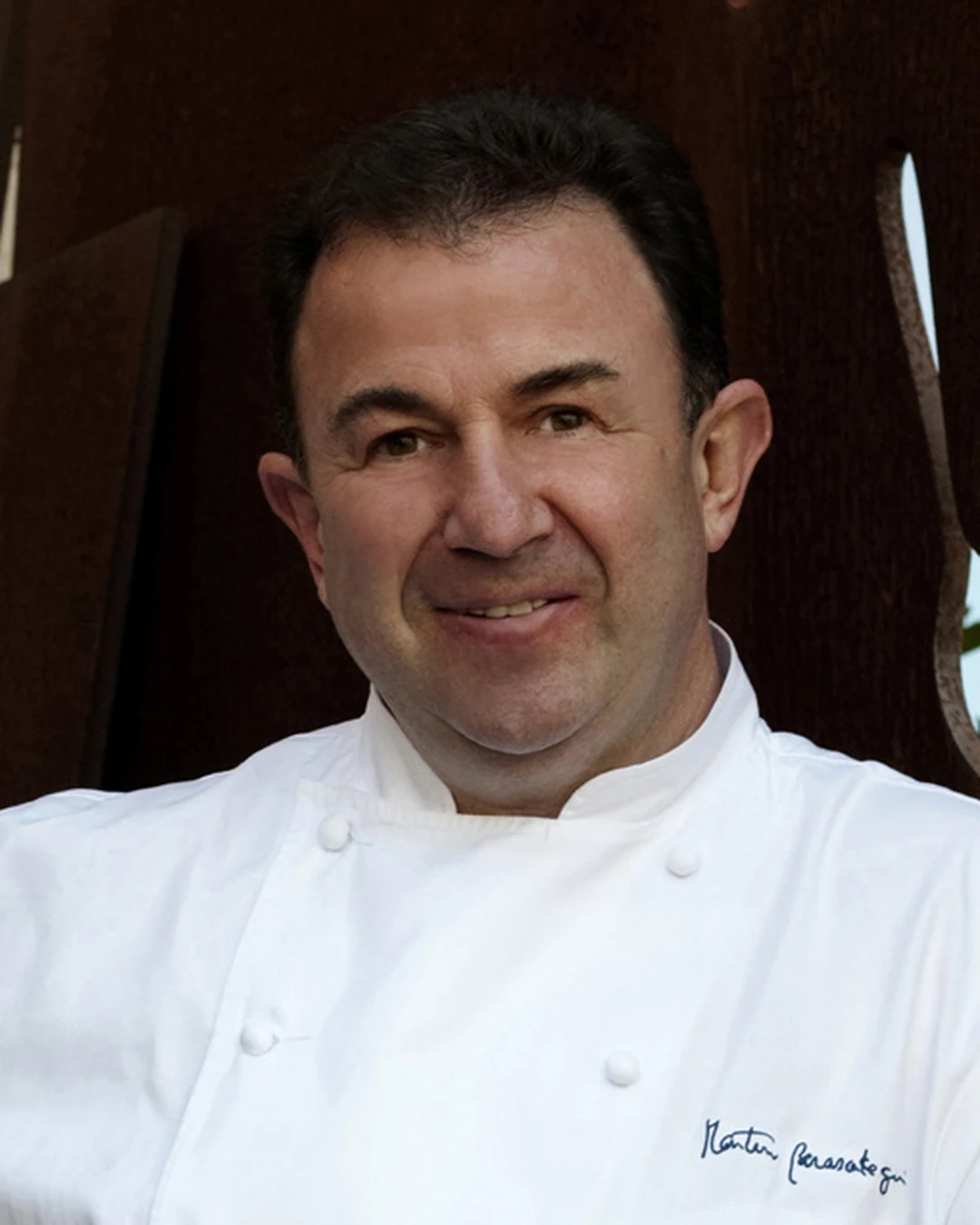
Chef in Residence
Martín Berasategui Olazábal
Other
- 01CuisineAtlantic-inspired modern Portuguese fine dining tasting menu
- 02CityLisbon, Portugal
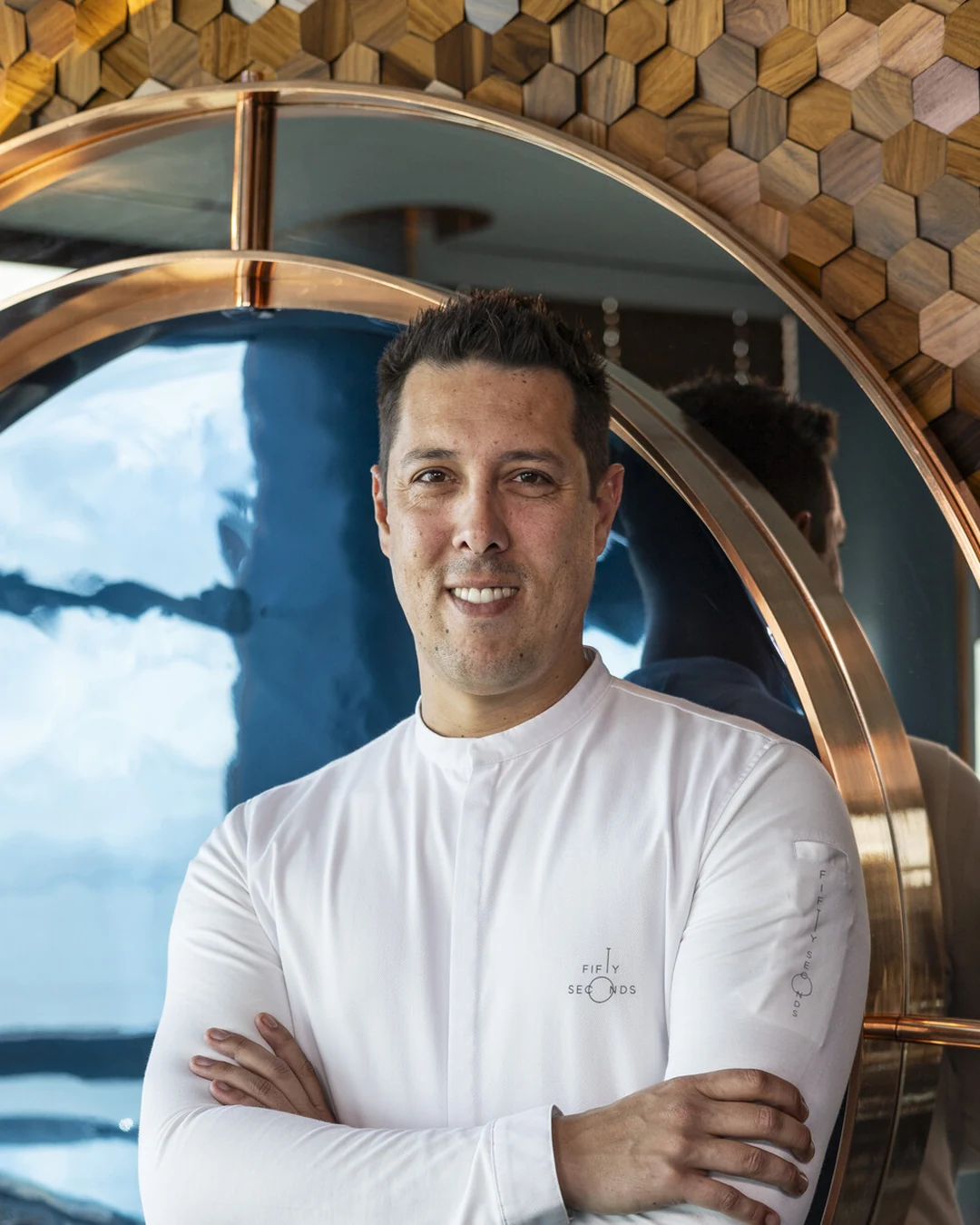
Rui Silvestre cooks as chef at Fifty Seconds in Lisbon, where Portuguese product meets spice, altitude, and a focused tasting menu.
At a glance
- Cuisine
- Atlantic-inspired modern Portuguese fine dining tasting menu
- Price
- $$$$
- Per person
- $220
- Neighborhood
- Parque das Nações
Smoked eel at altitude
Rui Silvestre sets smoked eel against massala and beetroot as chef at Fifty Seconds in Lisbon, working above the Tagus in the Vasco da Gama Tower. The dish says much about the station he holds here: Portuguese product, Atlantic memory, and a willingness to let spice travel without loosening the plate. Rui Silvestre is the chef most closely tied to the restaurant’s daily rhythm, with Fauna and Flora among the signatures attached to his name. His work at FIFTY SECONDS and 50 Seconds from Martin Berasategui is described through control, restraint, and consistency, the kind of kitchen language that depends less on flourish than on keeping every finish in its place.
The wider authorship belongs to Martín Berasategui Olazábal, owner and associated chef here since 2018. His formation runs through Colegio de los Padres Capuchinos de Lecároz, Escuela de pastelería moderna de Yssingeaux in 1979, and the working ascent at Bodegón Alejandro, where he became responsible and head by 1981. At Fifty Seconds, that Basque-rooted discipline meets Silvestre’s Portuguese frame, not as a borrowed signature but as an operating method: clean sequencing, controlled texture, and a menu that keeps land and sea in conversation.
Fourteen courses, land to sea
The principal tasting menu moves through 14 courses, with shorter 10 and 12 course options also part of the restaurant’s structure. The kitchen builds around local and seasonal ingredients, then lets global accents enter with care: smoked eel with massala and beetroot, Balfego tuna, Oscietra caviar with wasabi. These are not decorative pairings. They ask the pass to hold fat, smoke, heat, salinity, sweetness, and temperature in a narrow register.
Fauna and Flora gives the clearest name to Silvestre’s thinking. The title points toward the natural world, but the work sits in the handling: the cut of the seafood, the pressure of the sauce, the point at which a spice stops being a note and becomes structure. The wine program follows the same discipline, with the cellar leaning toward Portuguese producers including Luis Pato and Quinta do Cardo. The restaurant does not name the sommelier who leads that program, so the glass is best read through the choices on the table rather than through a public lineage.
The room after the lift
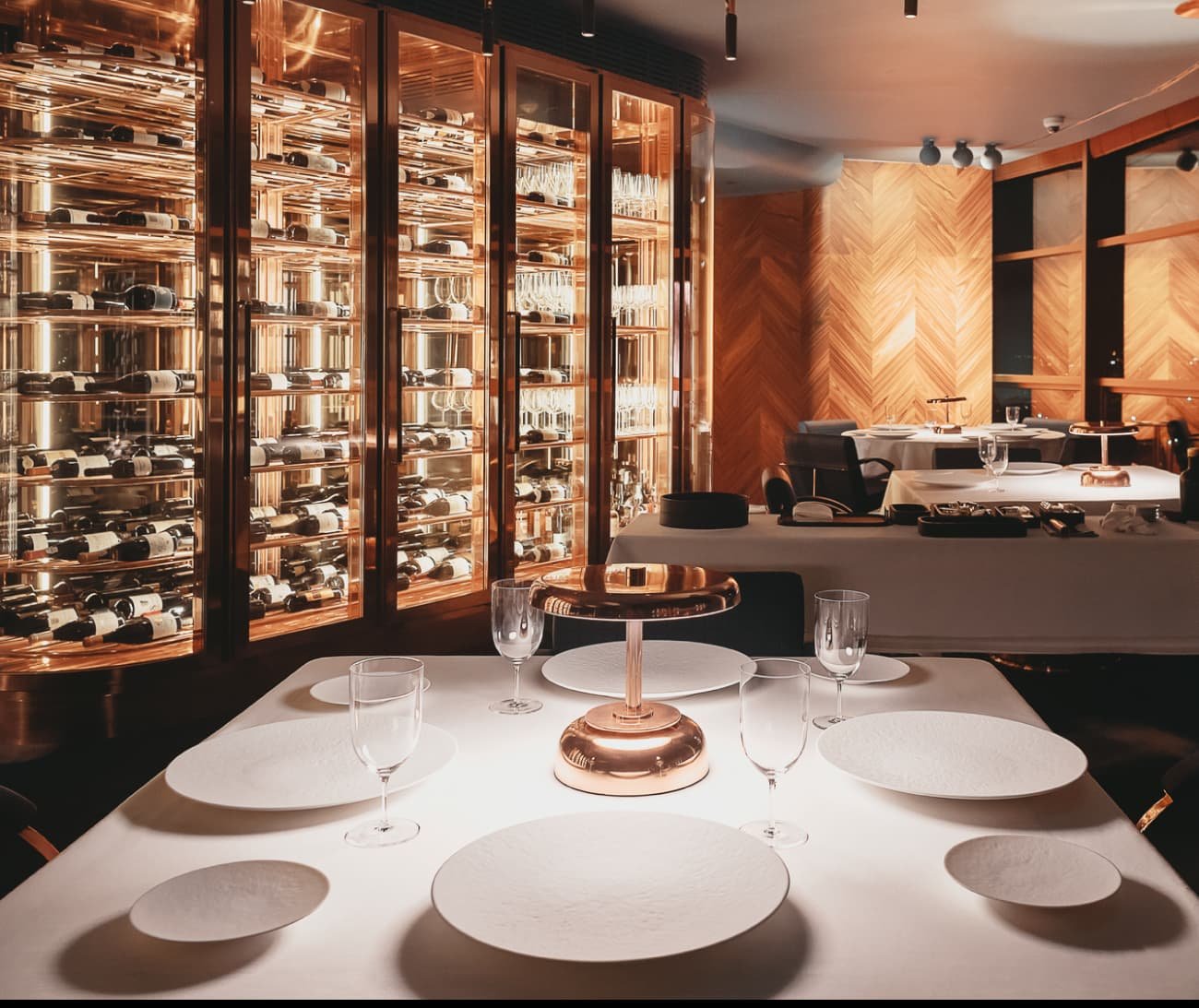
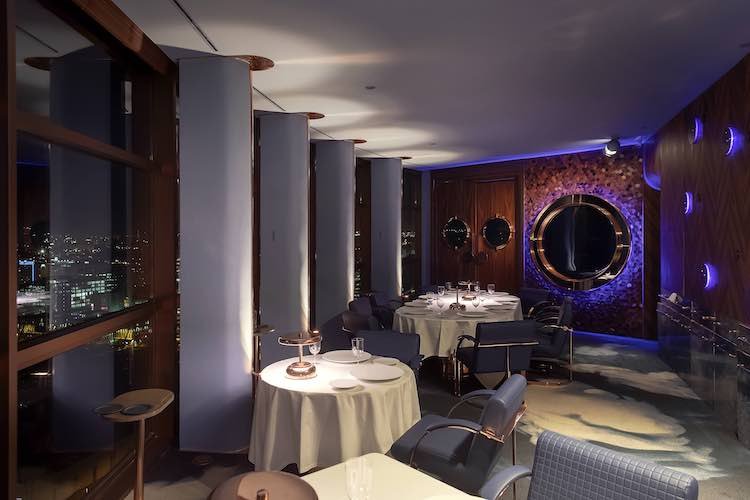
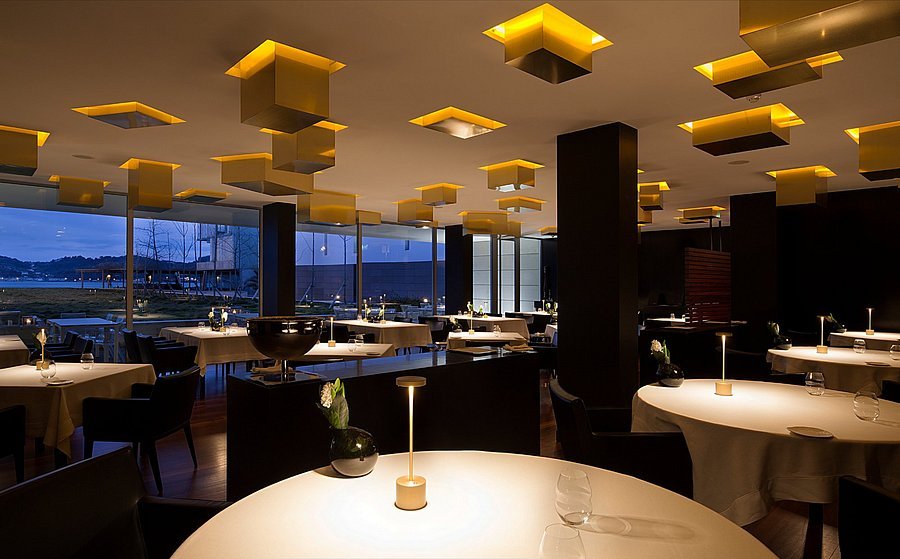
The ascent gives the restaurant its name. Fifty seconds in the panoramic lift brings guests to a dining room set 120 metres up, glass wrapped and held over Parque das Nações with the Tagus below. That height changes the room before the first plate reaches the table. Light sits differently on caviar and tuna; service crosses the floor with the city in the edge of the eye; the quiet has a physical quality.
Inside, the formal room keeps attention on the pass rather than on theatre. The counterpoint is the view, which could easily take over, but the kitchen works against distraction by sending out a tasting menu that demands close looking. A dish such as Balfego tuna with Oscietra caviar and wasabi needs that kind of room: measured, quiet, and high enough above Lisbon for the plate to hold its own against the Tagus.
Know before you go
- Dress code
- smart_casual
- Reservations
- essential
- Parking
- garage_nearby
- Payment
- credit_card, debit_card, contactless, apple_pay, google_pay, cash
- Accessibility
- elevator
- Groups
- Welcomed
Address
Cais das Naus, 1990, Lissabon, Lisboa, Portugal
Parque das Nações
In residence
Similar places
Contemporary Portuguese Fine Dining
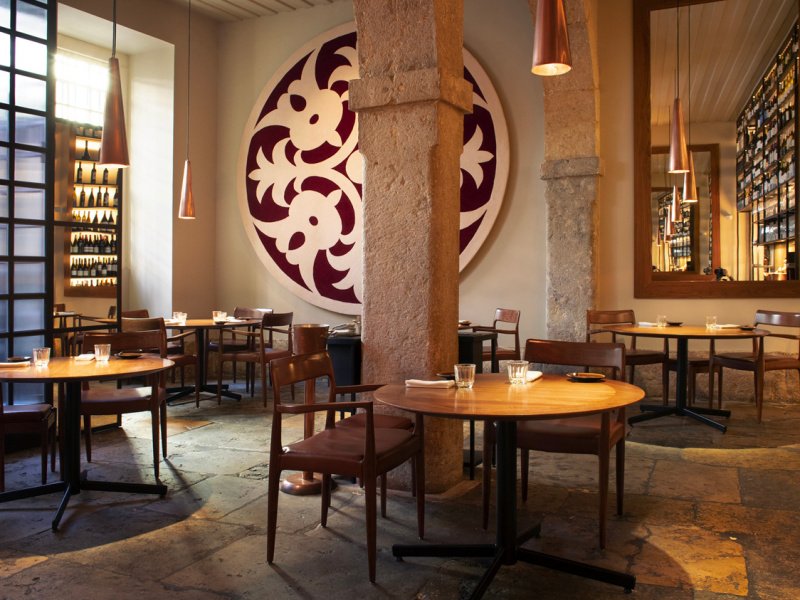
Belcanto
Lisbon, Portugal
★★ · 50 Best
Alma
Lisbon, Portugal
★★
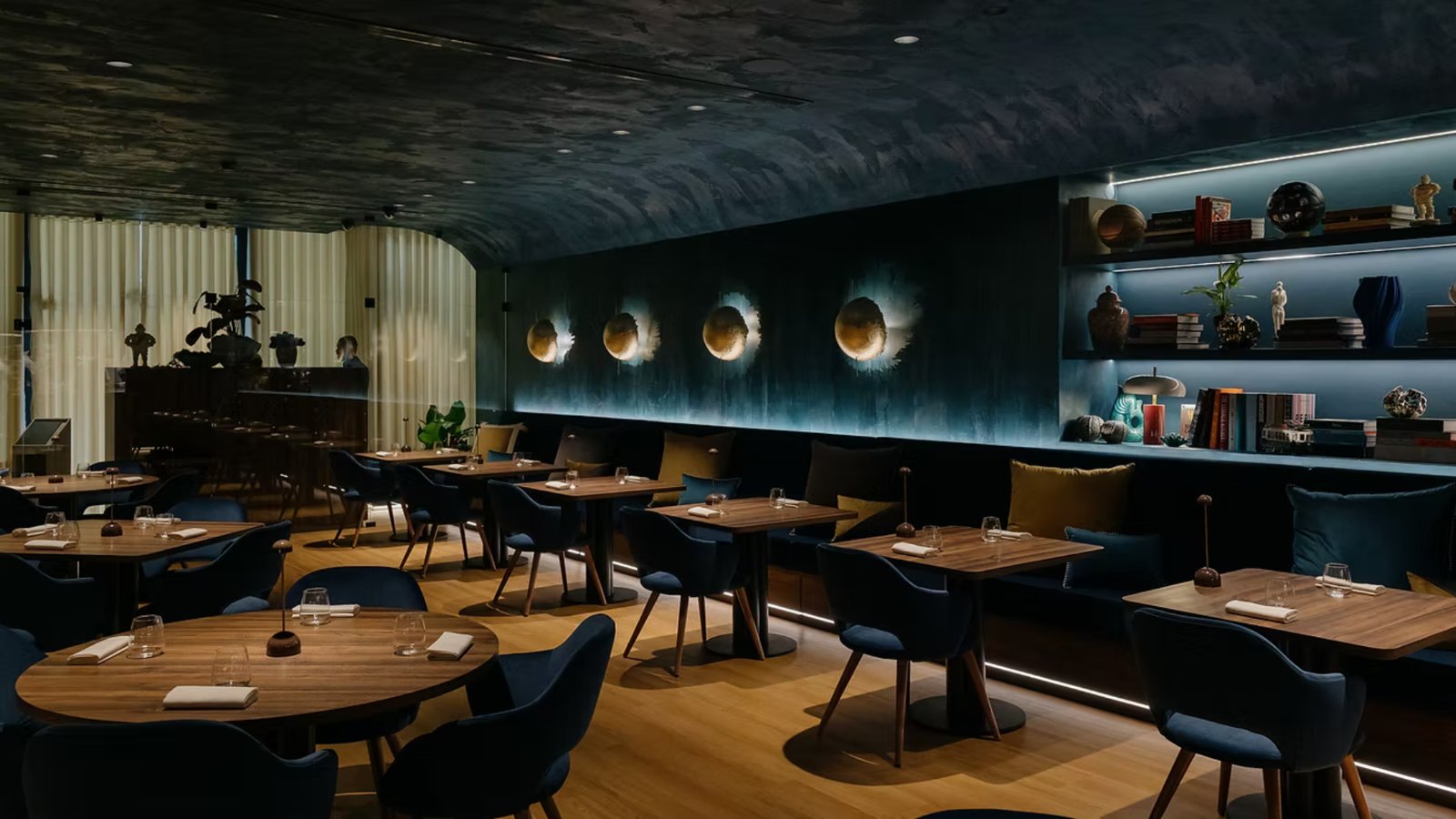
Modern Portuguese Fine Dining
Henrique Sá Pessoa
Lisbon, Portugal
★★
Avant-Garde Spanish Fine Dining
50 seconds from Martin Berasategui
Lisbon, Portugal
★★
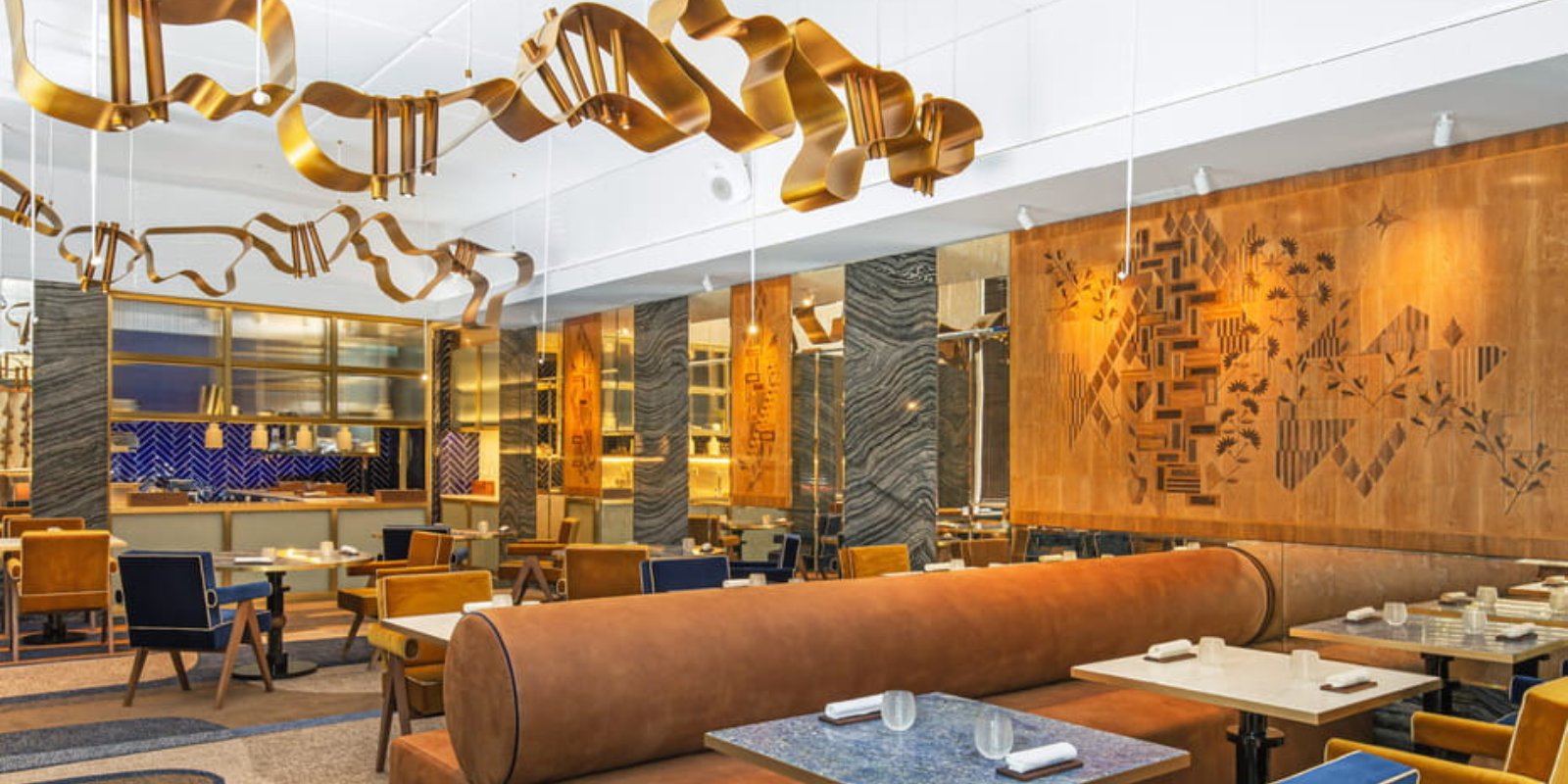
Modern Portuguese Fine Dining
CURA
Lisbon, Portugal
★
Modern Portuguese Fine Dining
Feitoria
Lisbon, Portugal
★