Figlmüller – Restaurant Bäckerstraße
- 01CuisineTraditional Viennese Cuisine
- 02CityVienna, Austria
From the people index
Recommended by
One trusted voice points here.

The Courtyard Table and the Long Habit of Returning
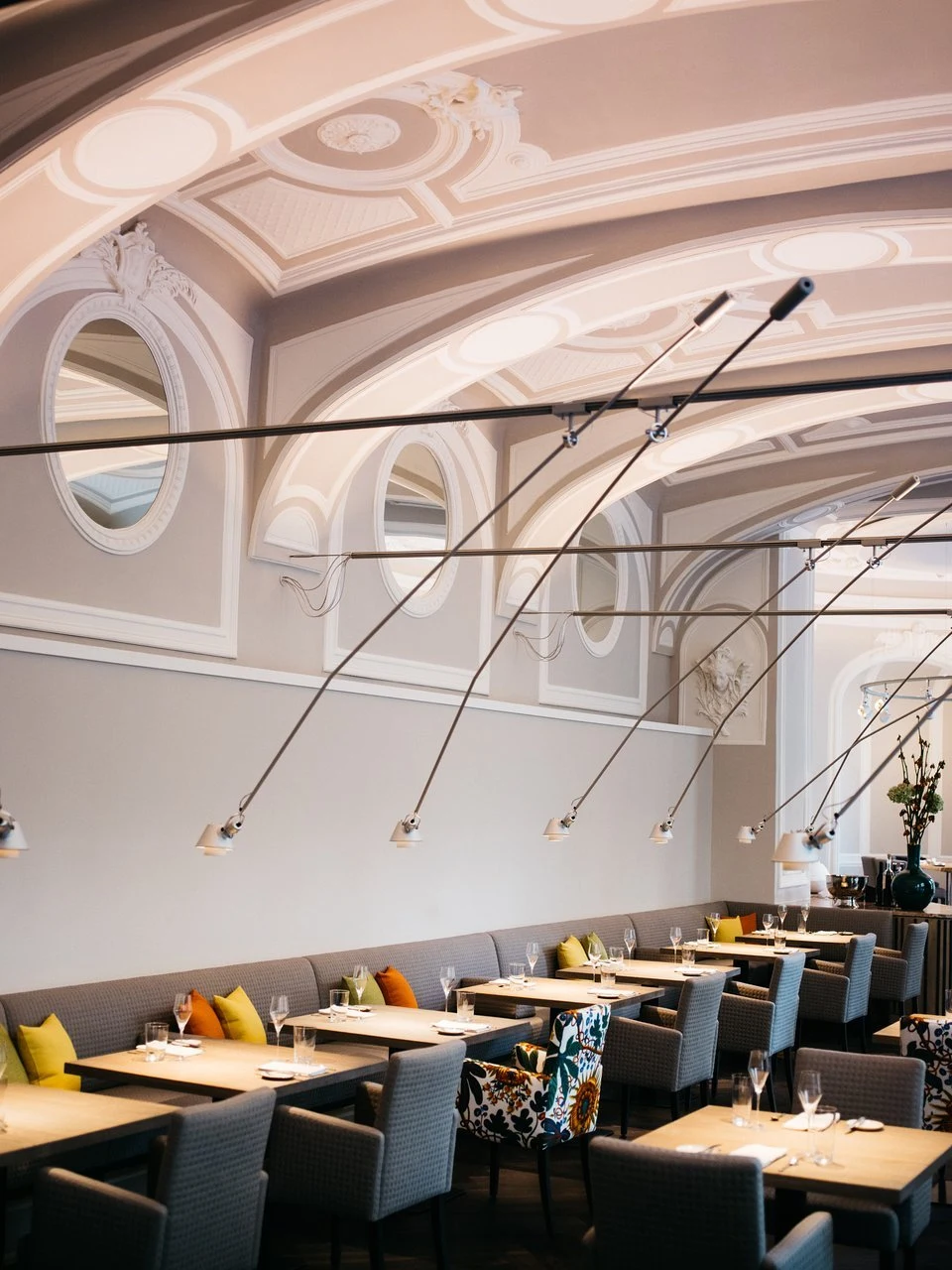
There is a particular type of Viennese dining institution that does not need to reinvent itself season by season. Figlmüller on Bäckerstraße, in Vienna's First District, belongs to that category. The room, or rather, the succession of rooms and the covered courtyard behind them, operates at the intersection of tourist destination and neighbourhood fixture, a balance few restaurants in any city manage for long. It is precision in a format they have already decided to trust.
That contrast is worth holding in mind: Vienna's dining scene encompasses both registers, and each has its own logic of excellence.
What the Regulars Know
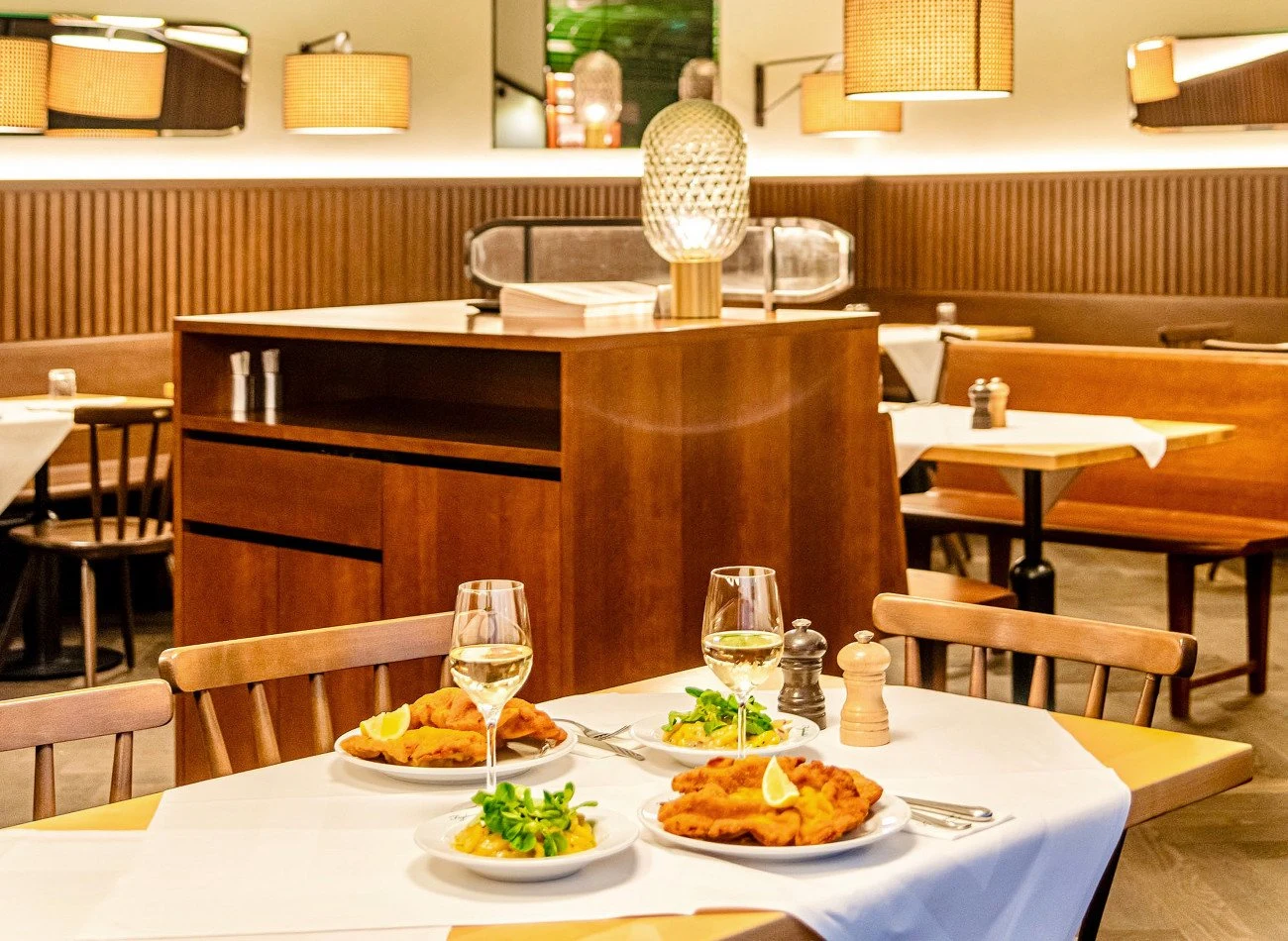
The unwritten curriculum of a Figlmüller regular is short but specific. The Wiener Schnitzel here is the reference point against which much of the rest of Vienna's schnitzel output is quietly measured. It arrives large, in the tradition of Viennese establishments that treat portion scale as a form of hospitality, pan-fried in clarified butter rather than oil, with a crust that blisters and separates from the veal in the way that defines the dish when it is executed correctly. Regulars know to order it without addition or modification. A squeeze of lemon. Nothing more.
This is the kind of institutional knowledge that does not appear on a menu but circulates through the tables. The same logic applies to the wine list, which leans into Austrian producers in the way that dining rooms at this price point across the country tend to: Grüner Veltliner from the Wachau and Niederösterreich, Riesling from the Kamptal. The pairing is not complicated, and it is not supposed to be. This is not the register of Konstantin Filippou or Mraz & Sohn, where wine programs function as an extension of a chef's creative argument. Here the wine serves the meal, which is itself the point.
Vienna's broader fine-dining cohort, including Amador and the neighbourhood-scale precision of Doubek, operates in a different register entirely. Figlmüller does not compete with those rooms. It occupies a separate tier: established Viennese Bürgerküche at the point where tradition and tourist appetite meet without either side feeling short-changed.
The Scene Around the Table
The dining room at Bäckerstraße draws a recognisable cross-section of the city: older Viennese couples who have been coming since the room looked different, business lunches that do not require a reservation for a private room, and visitors from outside Austria who have done enough research to arrive with specific intent. That last group matters, because the level of preparation they bring tends to raise the room's overall seriousness. The traveller who arrives having read about the schnitzel tradition is a different diner from one who arrived at random, and Figlmüller's regulars have made peace with sharing the room with both.
Across Austria more broadly, the restaurants operating within serious classical or regional traditions, Döllerer in Golling an der Salzach, Landhaus Bacher in Mautern an der Donau, Obauer in Werfen, tend to frame Austrian cuisine through its regional ingredients and contemporary technique. Figlmüller operates from a different premise: that one dish, done at a high level of consistency over many decades, is its own sufficient argument. The schnitzel tradition it represents has equivalents across the country, but the Vienna address, the First District location, and the institutional weight of the name place it in a distinct position within that broader conversation.
So are the wine-country rooms of Taubenkobel in Schützen am Gebirge. Figlmüller on Bäckerstraße is not in conversation with any of them. It is doing something older, narrower, and more specific.
Figlmüller's structure is the inverse: it narrows the ambition deliberately, then executes within that narrowed frame at a level that has sustained a loyal clientele across generations. Both demonstrate how Austria's culinary identity fragments across regional lines, and why the Vienna institutions, with their Bürgerküche inheritance, function as a counterweight to the alpine and wine-region scenes.
Practical Notes for Planning Your Visit
Bäckerstraße 6 sits in the First District, within the historic core of Vienna and walkable from the Stephansplatz U-Bahn station in under five minutes. The room fills quickly from midday through early evening, and tables at peak hours are not reliably available for walk-ins. Booking in advance is the practical choice. The format is à la carte, the service is experienced and unhurried in the way of long-established Viennese rooms, and the meal does not require the planning that tasting-menu restaurants demand.
Questions
Frequently asked
How expensive is Figlmüller – Restaurant Bäckerstraße?
Figlmüller – Restaurant Bäckerstraße is listed at a price level of $$.
Where is Figlmüller – Restaurant Bäckerstraße and what does it serve?
Figlmüller – Restaurant Bäckerstraße is in Innere Stadt, Vienna, serving Traditional Viennese Cuisine.
The field
How it compares
| Place | Cuisine | Notes | Awards |
|---|---|---|---|
| Figlmüller – Restaurant Bäckerstraße | Traditional Viennese Cuisine | Innere Stadt, $$ | · |
| Amador | Avant-Garde European Fine Dining | Vienna | Michelin 3 Stars |
| Konstantin Filippou | Modern Fish-Led Fine Dining | Vienna | Michelin 2 Stars |
| Mraz & Sohn | Contemporary Austrian Fusion | Vienna | Michelin 2 Stars |
| Silvio Nickol Gourmet Restaurant | Modern Austrian Fine Dining | Vienna | Michelin 2 Stars |
| Steirereck im Stadtpark | Modern Austrian Fine Dining | Vienna | Michelin 3 Stars, World's 50 Best |
| TIAN | Modern Vegetarian Fine Dining | Vienna | Michelin 1 Star |
Similar places
Avant-Garde European Fine Dining
Amador
Vienna, Austria
★★★
Modern Fish-Led Fine Dining
Konstantin Filippou
Vienna, Austria
★★
Contemporary Austrian Fusion
Mraz & Sohn
Vienna, Austria
★★
Modern Austrian Fine Dining
Silvio Nickol Gourmet Restaurant
Vienna, Austria
★★
Modern Austrian Fine Dining
Steirereck im Stadtpark
Vienna, Austria
★★★ · 50 Best
Modern Vegetarian Fine Dining
TIAN
Vienna, Austria
★