Old pergolas above volcanic Soave
- Falstaff Winery - Listed · 2026
Since 2003, one hand on the estate
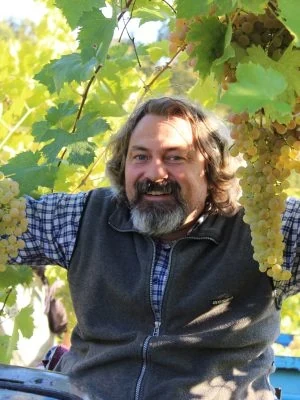
Since 2003, the cellar decisions have stayed in the same hands. Filippo Filippi works as winemaker and owner at Filippi in Soave, holding the bench and the land together from the restored stronghold at Castelcerino. The role is practical before it is managerial: vine work, picking decisions, cellar restraint, and the choice to keep the estate’s identity legible through repetition rather than display.
Filippi’s family roots on these volcanic soils reach back to the 14th century, while wine became the family focus in the 20th century. Filippo took over the business in 2003 and redirected the fruit toward estate bottling and direct sales, away from the cooperative model. That shift matters at this scale. A parcel has to be kept separate, a harvest has to be read vine by vine, and the wine has to carry the slope without being pushed into a house style that could come from anywhere.
Old pergolas above basalt
The estate works 14 hectares of vines surrounded by 22 hectares of woodland, a proportion that makes the vineyard feel held inside a larger living system. Garganega and Trebbiano di Soave are the main hands in the program, with old vines averaging 50 to 70 years and trained mostly on pergolas about 2 meters high. On these volcanic, basalt-rich slopes, that height has a purpose: it gives shade, keeps fruit away from reflected heat, and suits the old Soave method rather than replacing it for convenience.
The vineyards sit around 320 to 400 meters above sea level in the highest part of Soave, with south-east exposure noted for the site. Filippi works organically, with certification awarded in 2007. Harvest moves slowly; grapes go into 12 kg crates before they reach the winery. In the cellar, the method stays narrow. Pressing is swift, with or without maceration, sulphites are kept low, the wines spend at least 12 months in stainless steel vats, and bottlings are not filtered. Since 2015, the estate has used screw caps, a plain closure for wines meant to keep freshness, texture, and site apart from ritual.
Three Soave parcels, one quiet room
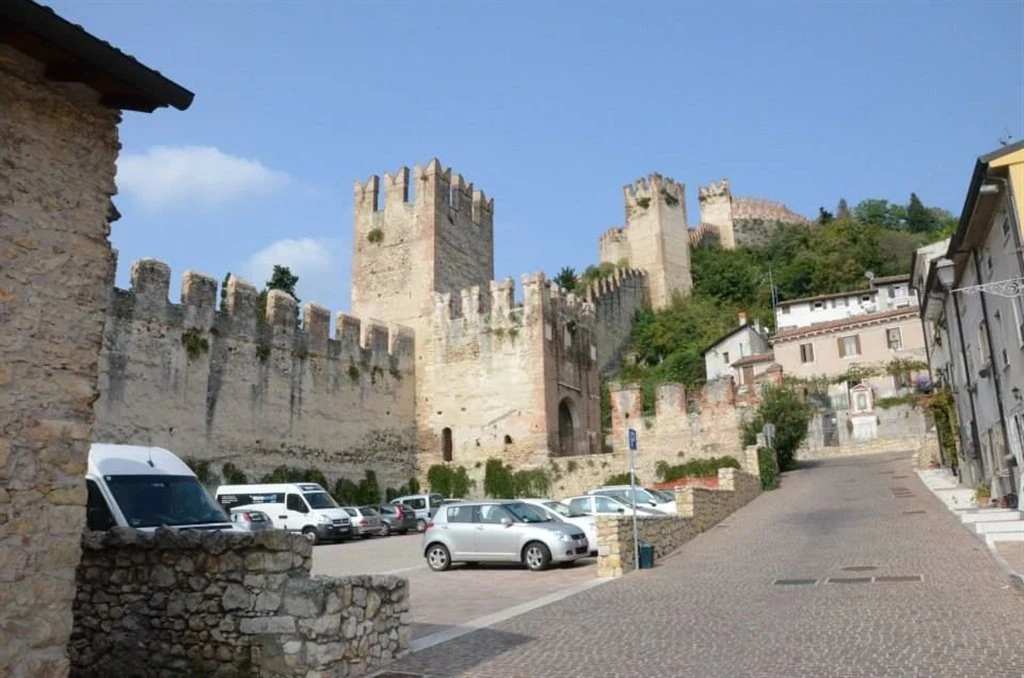
The cellar and tasting room sit inside a former stronghold, with a tower, dovetail embrasures, a stone gate, and the old hill name Colli Scaligeri still binding the place to Verona’s medieval line. Around it are cypresses, conifers, pergola-trained vines, and forest. The work asks for that.
Filippi’s Soave program is organized around named parcels, including Castelcerino, Monteseroni, and Vigne della Brà. The point is not a ladder of labels but a way of letting Garganega and Trebbiano di Soave keep their differences after the same broad cellar discipline. The wines are made in small estate terms, around 50,000 bottles a year, and the strongest impression is of a place that has refused to become generic Soave. The slope, the stainless steel, and Vigne della Brà are here.
Questions
Frequently asked
Who is behind Filippi in Soave?
Filippo Filippi is the winemaker and owner at Filippi in Soave. He took over the business in 2003 and has kept the cellar decisions in the same hands since then.
What kind of winery is Filippi?
Filippi is an organic winery on volcanic, basalt-rich slopes in Castelcerino, in the highest part of Soave. The estate works 14 hectares of vines and sits within 22 hectares of woodland.
What grapes and vineyard methods does Filippi use?
Garganega and Trebbiano di Soave are the main grapes here. The old vines average 50 to 70 years and are mostly trained on pergolas about 2 metres high.
How are the wines made?
Harvested grapes go into 12 kg crates, and the cellar work stays deliberately narrow. Pressing is swift, sulphites are kept low, the wines spend at least 12 months in stainless steel vats, and the bottlings are not filtered.
Can you visit Filippi by appointment?
Visits are by appointment only. On-site parking is available.
The field
How it compares
| Place | Notes |
|---|---|
| Filippi | Castelcerino, $$ |
| Cantina di Soave | Soave |
| Coffele | Soave |
| Corte Mainente | Soave |
| Monte Tondo | Soave |
| Pieropan | Soave |
| Rocca Sveva | Soave |